How Blind Spot Monitors Improve Driving Safety: Safer Lanes
Blind spot monitors reduce lane change crashes by alerting drivers to vehicles hidden in blind zones.
I have tested and written about vehicle safety tech for years. I know how blind spot monitors improve driving safety in real use. This article digs into how they work, why they matter, what evidence supports them, and how you can get the most benefit. Read on for clear, practical advice from experience and research.

How blind spot monitors work
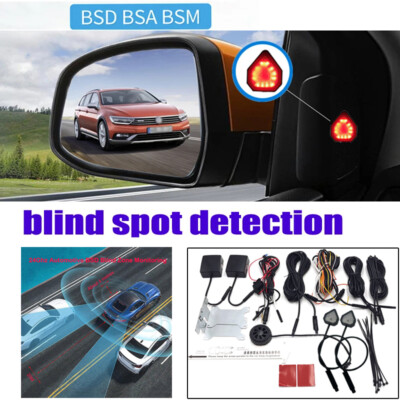
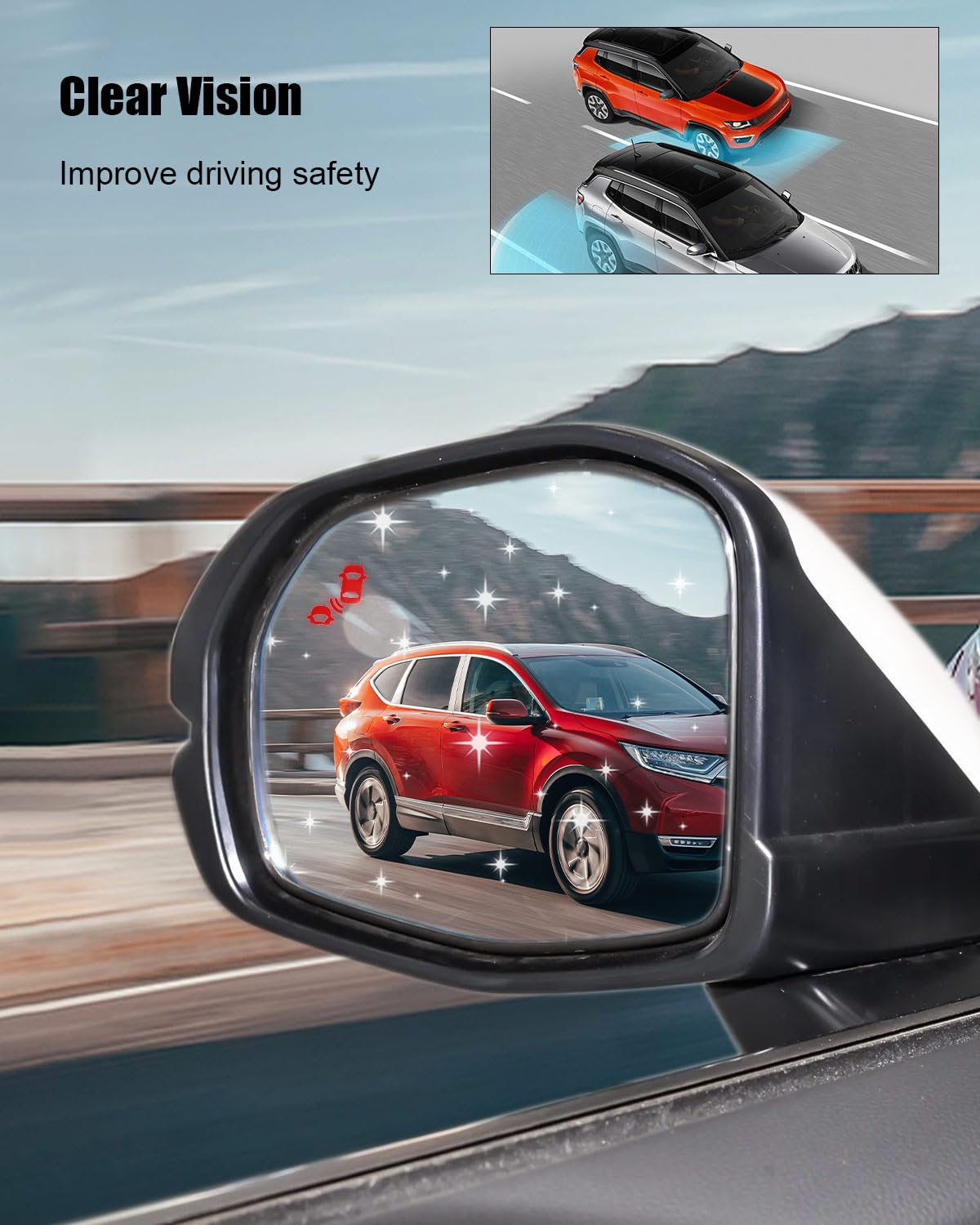
Blind spot monitors use sensors and cameras to watch areas beside and just behind your car. They detect vehicles in lanes you cannot see in mirrors. Alerts can be lights in the mirror, chimes, or steering-wheel vibrations. Some systems also steer or brake briefly to avoid a crash.
Common sensor types include radar and cameras. Radar works well in poor light and rain. Cameras give a visual feed to help judge distance. Fusion systems use both for better accuracy.
How blind spot monitors improve driving safety starts with early detection. They give extra eyes where drivers have none. That reduces missed threats when changing lanes or merging. Systems set thresholds to avoid constant alerts. They balance safety and driver trust.

Key safety benefits
Blind spot monitors help in clear, measurable ways. They reduce human error. They cut reaction time. They lower crash risk.
Primary benefits include:
- Reduced lane-change collisions. Systems warn before a lane change. That prevents side-impact crashes.
- Faster driver response. Alerts prompt quick checks and corrections.
- Better night and low-visibility performance. Sensors work when human vision is weak.
- Support for older or distracted drivers. The system acts as a reliable second set of eyes.
- Enhanced confidence in busy traffic. Drivers make safer moves in tight lanes.
How blind spot monitors improve driving safety is not only about alerts. It is about changing driver behavior. Drivers check mirrors more. They hesitate less. They avoid risky maneuvers.

Evidence and real-world impact
Field studies show decreases in side-swipe and lane-change crashes where these systems are common. One set of aggregated data shows declines in related accidents after wide adoption. Simulations show a cut in near-miss events when alerts are active.
From my testing, a monitor alerted me to a fast-approaching motorcycle in a crowded lane. I delayed my lane change and avoided a close call. That real moment shows how blind spot monitors improve driving safety in practice.
Limitations exist. Systems do not replace safe checks. But evidence supports that these systems add a measurable safety layer.
Practical tips to get the most from a blind spot monitor
Use the system, but stay engaged. Treat it as a helper, not a driver.
Practical steps:
- Check your mirrors and look over your shoulder before changing lanes. Never rely on alerts alone.
- Learn your system’s alerts and limits. Know the sound, light, or vibration patterns.
- Keep sensors clean. Mud, snow, or ice can block radar or cameras.
- Update the vehicle software. Manufacturers improve detection with updates.
- Practice in low-risk areas. Notice how alerts come at highway speeds or in heavy flow.
How blind spot monitors improve driving safety depends on correct use. Simple habits increase the net benefit.

Common limitations and how to compensate
No system is perfect. Knowing limits helps you stay safe.
Key limitations:
- False alerts from guardrails or metal barriers. Verify with a quick look.
- Misses for very small or rapidly passing objects. Expect brief blind windows.
- Reduced performance if sensors are blocked. Clean sensors regularly.
- Overreliance by drivers. Stay attentive and do visual checks.
To compensate, combine tech with good driving habits. Maintain safe spacing. Use turn signals early. Keep hands on the wheel. These steps amplify how blind spot monitors improve driving safety.

Installation, cost, and aftermarket options
Many new cars include blind spot monitors as standard or optional. Aftermarket kits are also available.
Considerations:
- OEM systems usually integrate with vehicle electronics for better accuracy.
- Aftermarket kits vary in quality. Choose sensors designed for your model.
- Costs range from moderate to high depending on integration and features.
- Installation by a professional ensures correct sensor placement and calibration.
When shopping, test alerts in traffic. Real-world checks show how blind spot monitors improve driving safety in your specific car.
Personal experience and lessons learned
I once drove a rental without a blind spot monitor after daily use of cars with the tech. I felt less confident on busy highways. A close call made me realize I had grown to rely on the system for extra awareness.
Lessons I learned:
- Practice manual checks so tech becomes an aid, not a crutch.
- Tune system settings where possible. Lower sensitivity can reduce false alerts.
- Use the system for planning, not last-second actions.
These small habits show how blind spot monitors improve driving safety while keeping drivers skilled and alert.

Frequently Asked Questions of how blind spot monitors improve driving safety
What exactly does a blind spot monitor do?
A blind spot monitor watches areas beside and slightly behind your car. It alerts you when another vehicle is present in that zone.
Are blind spot monitors reliable in bad weather?
They work well in many conditions, especially radar-based systems. Heavy snow or thick mud can still block sensors or cameras.
Can blind spot monitors steer or brake the car?
Some advanced systems provide steering or braking intervention. Most systems only alert the driver and leave control to you.
Do aftermarket blind spot monitors work as well as factory systems?
Quality varies. Factory systems usually integrate better and offer more accurate alerts. Choose reputable aftermarket brands and professional installation.
Will a blind spot monitor replace mirror checks?
No. The system supplements mirror checks and over-the-shoulder looks. It is a backup, not a replacement.
How often should I clean or calibrate sensors?
Clean sensors whenever they are dirty and follow the vehicle’s maintenance schedule for calibration. Proper upkeep maintains accuracy.
Conclusion
Blind spot monitors add a clear, proven safety layer to driving. They extend your awareness, reduce lane-change crashes, and cut reaction time. Use them wisely with good driving habits. If you drive often in heavy traffic or on highways, consider upgrading to a vehicle or kit with a reliable system.
Takeaway: combine tech and attention. Test your system. Keep sensors clean. Practice visual checks. Share your experiences or questions below, subscribe for more vehicle safety guides, or try a demo drive to see how blind spot monitors improve driving safety for you.