TPMS tells you tire pressure and warns you when a tire is too low or leaking.
I’ve spent years working on cars and teaching drivers about vehicle safety systems, so I’ll explain how tpms systems work in cars clearly and simply. This guide covers the tech, the types, common faults, DIY tips, and real-life lessons so you can trust your tires, save gas, and avoid blowouts.
How TPMS systems work in cars: the basics
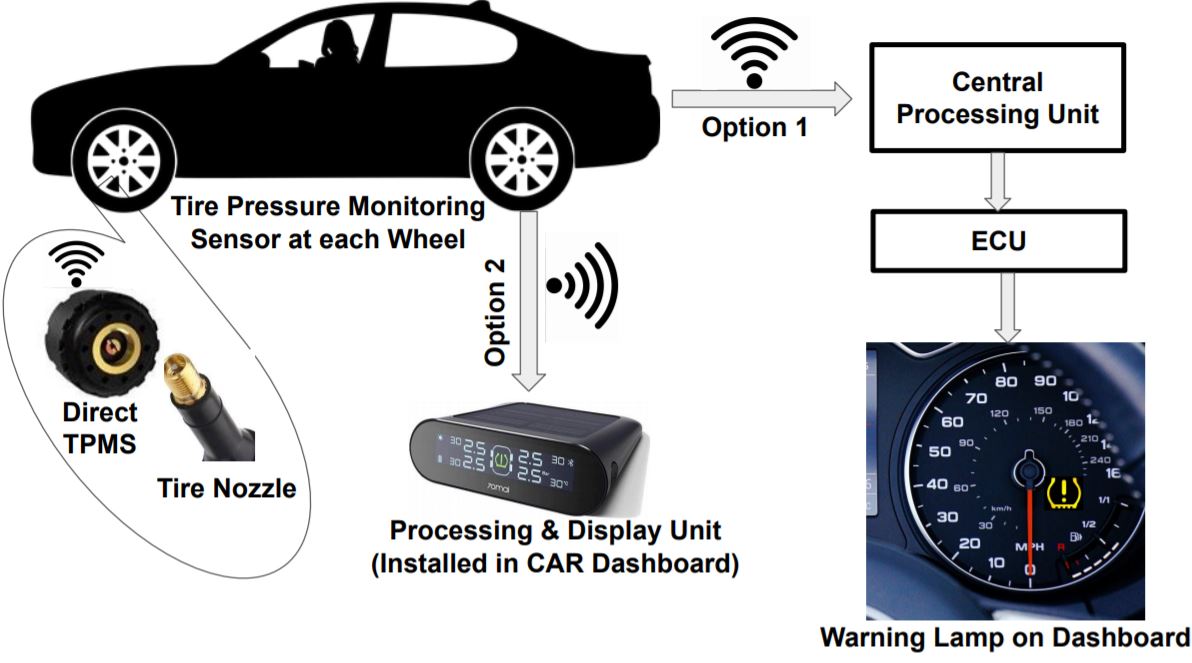
how tpms systems work in cars starts with sensing pressure at each wheel and sending that data to the car’s computer. Modern systems show warnings when pressure drops below a set threshold or when a sensor reports an error. The warning lamp on your dash is your first clue that something needs attention. From my experience as a technician, treating a TPMS warning quickly usually prevents worse problems like uneven wear or reduced fuel economy.
Types of TPMS and their operation
how tpms systems work in cars depends on whether the vehicle uses direct or indirect TPMS.
- Direct TPMS: uses pressure sensors inside each wheel to measure absolute air pressure and temperature.
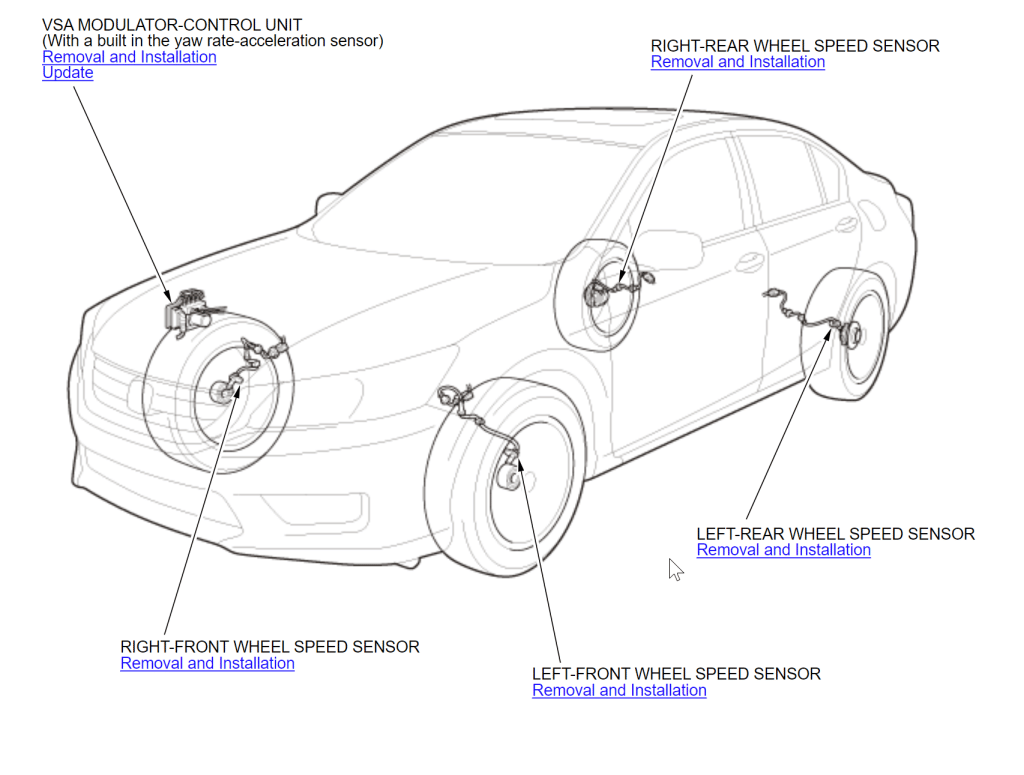
- Indirect TPMS: uses wheel speed sensors from the ABS system to estimate pressure by detecting changes in wheel rotation.
- Hybrid systems: combine both methods to improve accuracy and reduce false alerts.
Direct systems give real pressure values and individual wheel data. Indirect systems are cheaper but may miss slow leaks and require recalibration after a tire change. I worked on fleet cars that had both types, and direct systems saved time for roadside checks.

Key components and signal flow
how tpms systems work in cars centers on a few core parts that talk to each other.
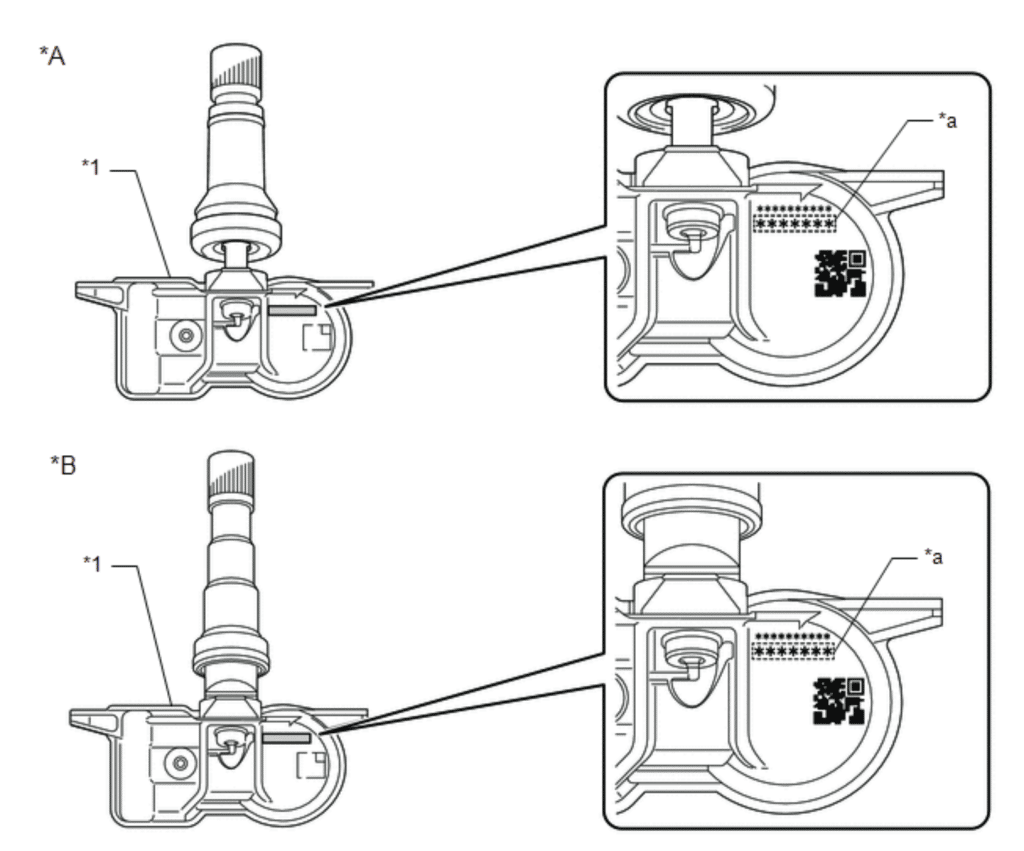
- TPMS sensor: mounted in the wheel, usually on the valve stem, measuring pressure and temperature.
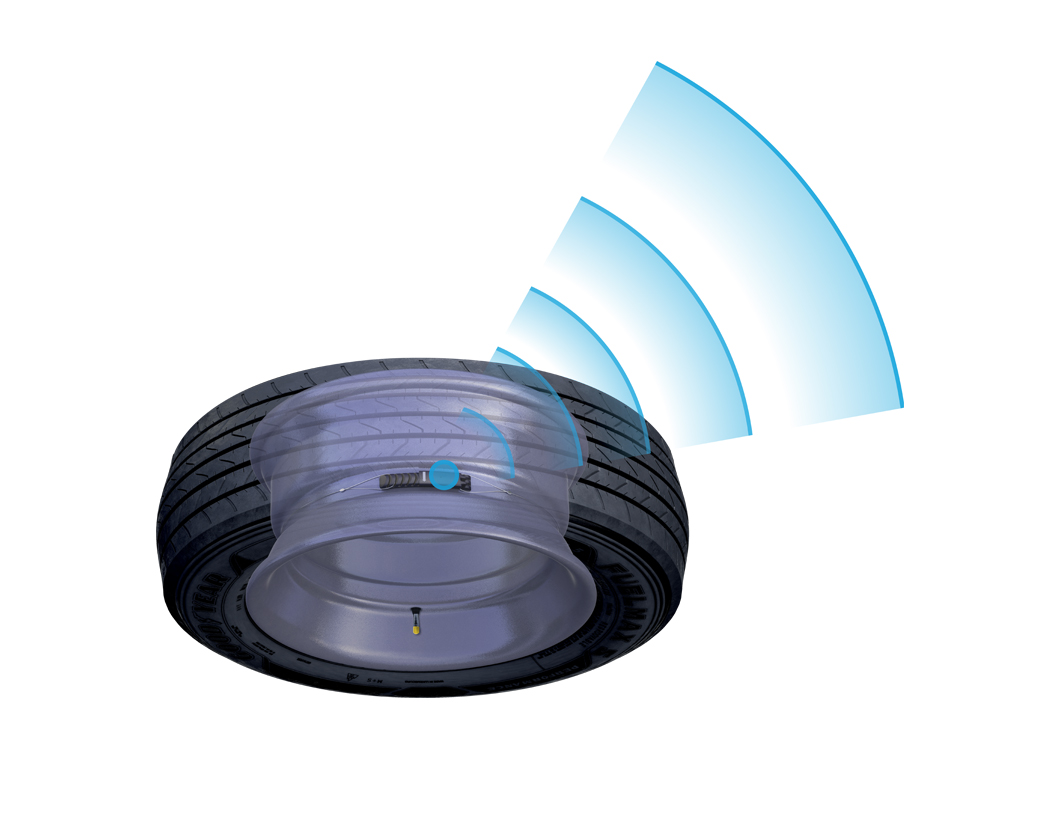
- Wheel electronics: in direct systems, the sensor sends radio frequency signals to the car’s receiver.
- Receiver/ECU: collects sensor data, runs thresholds, and triggers the dashboard warning.
- Dashboard lamp and readout: alerts the driver and, on many cars, shows numeric pressures.
Signals travel as short-range RF packets from wheel sensors to the ECU. The ECU uses software to decide if pressures are safe. When batteries die in sensors (common after 5–10 years), signals stop and the car warns you of a sensor fault.
How pressure measurement and thresholds work
how tpms systems work in cars uses simple rules to judge safety. Sensors measure pressure in PSI or kPa. The car compares each tire’s pressure to the recommended value stored in the ECU. If pressure falls below a set percentage (often 20% low) or an absolute low value, the TPMS light comes on. Some cars also warn when temperature is high or when rapid pressure loss suggests a puncture.
Benefits: safety, economy, and tire life
how tpms systems work in cars helps drivers in clear ways.
- Safety: low pressure increases blowout risk and lengthens stopping distance.
- Fuel economy: underinflated tires raise rolling resistance and reduce MPG.
- Tire wear: correct pressure prevents uneven wear and extends tire life.
I once fixed a car with a chronic 15% low-pressure issue; after inflation and repair suggested by TPMS data, fuel economy improved and the owner avoided a probable late-night tire failure.
Common issues, errors, and troubleshooting
how tpms systems work in cars can be reliable, but things go wrong. Typical problems include dead sensor batteries, damaged valve stems, sensor dismount during tire service, and false triggers from temperature changes. Troubleshooting steps I use:
- Check pressures with a gauge to confirm readings.
- Inspect valve stems and tires for damage or leaks.
- Use a TPMS scan tool to read sensor IDs and battery state.
- Relearn or reprogram sensors after tire rotation or replacement if required.
If the TPMS lamp stays on after inflation, there may be a sensor fault or the system needs a relearn. Many shops offer a quick scan and reset.
Maintenance, resets, and replacement guidance
how tpms systems work in cars changes slightly with age and service. Sensor batteries are sealed and usually last 5–10 years. When replacing tires, ask the shop to check TPMS sensors and valve cores. Reset or relearn procedures vary by make and model; common methods include driving at a set speed, using a scan tool, or following a step sequence in the vehicle menu.
- Replace sensors when battery life ends or when sensors are physically damaged.
- Use manufacturer-compatible sensors for best reliability.
- Keep a simple pressure gauge in the glove box and check pressure monthly.
From my shop days, I recommend replacing valve cores and rubber grommets anytime the wheel is off. That avoids slow leaks and costly resealing work later.
Installing and replacing TPMS sensors: step-by-step tips
how tpms systems work in cars requires correct installation and programming. Basic steps I follow:
- Remove the tire from the wheel carefully to avoid hitting the sensor.
- Replace the sensor or valve stem and torque per spec.
- Mount and inflate the tire to the correct pressure.
- Program or relearn the sensor IDs to the ECU using a scanner or the vehicle’s relearn routine.
- Test-drive or recheck to ensure no warning lights remain.
Avoid overtightening and watch for corrosion on metal valve stems. Using OEM-style sensors helps avoid pairing issues and improves long-term reliability.
Practical tips and real-life examples
I once had a long commute car that showed intermittent TPMS faults. I checked and found one valve core loose. Tightening it and setting correct pressures eliminated the warning. Lessons learned:
- Keep tires at recommended pressure; don’t rely solely on the TPMS lamp.
- Check pressures when cold for accurate readings.
- After a tire shop visit, ask them to confirm TPMS sensors were protected and relearned.
Small habits, like monthly pressure checks, combine with TPMS to keep you safer and save money.
Frequently Asked Questions of how tpms systems work in cars
What is the main purpose of TPMS?
TPMS detects underinflated tires and warns the driver to prevent accidents, poor fuel economy, and uneven wear. It provides early alerts so you can fix a problem before it worsens.
How often should TPMS sensors be replaced?
Sensor batteries typically last 5 to 10 years, so plan on replacement around that time or when a sensor stops transmitting. Physical damage or corrosion can require earlier replacement.
Can I drive with the TPMS light on?
You can drive short distances to a safe location, but driving long with low pressure risks tire damage and reduced control. Check tire pressures immediately and repair before long trips.
Does TPMS replace manual pressure checks?
No. TPMS is a safety net that alerts you to problems, but manual pressure checks monthly give the most reliable maintenance and catch issues TPMS might miss. Manual checks also ensure cold-pressure accuracy.
Why did my TPMS light come on after a tire rotation?
Some systems need a sensor relearn after rotation so the ECU knows each sensor’s new position. If the system doesn’t relearn, the light may stay on despite correct pressure.
Conclusion
how tpms systems work in cars blends simple sensors, radio signals, and smart software to keep you informed about tire health. Use TPMS as an early warning tool, but keep a basic pressure gauge and do monthly checks to get the best results. Take action on warnings, replace aging sensors, and ask shops to protect and relearn sensors during tire service.
Act now: check your tire pressures, note your TPMS status, and plan sensor maintenance if your system is older. If this guide helped, leave a comment or subscribe for more car safety tips.