
When drivers press the accelerator in an electric vehicle, the response feels immediate. There is no waiting for an engine to build speed or a transmission to find the right gear. The electric motor receives energy from the battery and quickly turns that electrical power into movement.
Understanding How Electric Vehicle Motors Deliver Instant Torque helps explain why many EVs feel so fast in everyday driving. From merging onto U.S. highways to leaving a stoplight in city traffic, instant torque changes how vehicles respond and feel behind the wheel.
The key difference comes from the way electric motors work. A gasoline engine must create power through combustion, while an electric motor can generate rotational force directly through electromagnetic fields.

What Is Instant Torque in an Electric Vehicle?
Torque is the force that makes a vehicle’s wheels turn. It is the twisting power that pushes a car forward when you accelerate. In simple terms, torque creates the feeling of being pushed back into your seat.
Electric motors are known for instant torque because they can produce strong rotational force almost immediately. The motor does not need time to build combustion pressure or reach a specific engine speed.
When learning How Electric Vehicle Motors Deliver Instant Torque, it is important to understand that the motor creates force through magnetic interaction. This process starts almost instantly when electrical current reaches the motor.
- ✦ Immediate power delivery
Electric motors can provide usable torque from zero RPM, creating quick and smooth acceleration.
- ✦ No combustion delay
EV motors avoid the delay caused by fuel ignition and engine speed increases.
- ✦ Simple power transfer
Most EVs use fewer mechanical parts, allowing power to reach the wheels faster.
Torque vs Horsepower in EVs
Torque describes the force that starts vehicle movement, while horsepower describes how quickly that work can continue over time. EVs often feel powerful because they deliver high torque immediately.
As vehicle speed increases, horsepower becomes more important. This is why EV manufacturers balance motor design, battery output, and software controls for different driving conditions.
How Electric Motors Create Instant Torque
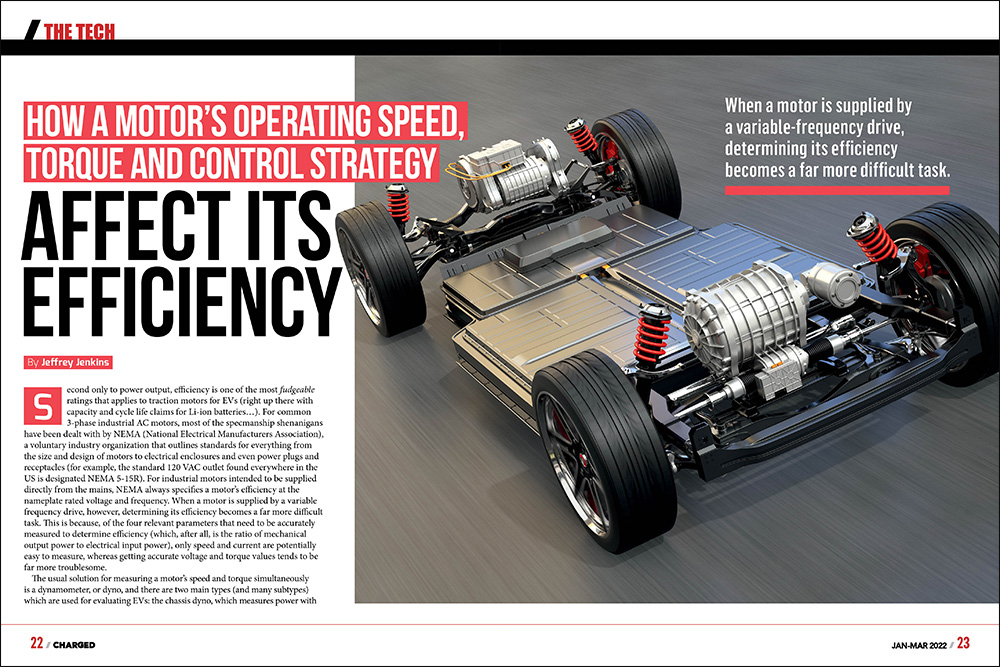
Electric motors use electromagnetic fields to create movement. Inside the motor, electricity flows through coils and creates magnetic forces that push and pull internal components.
This interaction causes the motor shaft to rotate. Because this process begins as soon as electricity flows, the vehicle can produce torque without waiting for mechanical preparation.
This direct energy conversion is the main reason How Electric Vehicle Motors Deliver Instant Torque differs from traditional gasoline vehicle acceleration.

- ✦ Battery sends electrical energy
The battery pack supplies electricity to the motor controller, which manages power delivery.
- ✦ Controller manages current
The inverter adjusts electrical flow to control motor speed and torque output.
- ✦ Motor creates rotation
Magnetic forces inside the motor create rotational movement that turns the wheels.
The Role of the Inverter
The inverter acts like the brain between the battery and motor. It changes battery electricity into the type of electrical current the motor needs.
Modern EVs use advanced software to adjust torque delivery many times per second. This creates smooth acceleration and better traction control.
Why EVs Accelerate Faster Than Many Gasoline Cars
Many gasoline vehicles need the engine to reach a higher RPM before producing maximum torque. The transmission also needs to select the correct gear to transfer power efficiently.
Electric vehicles remove many of these delays. The motor starts producing force immediately, creating a fast response when the driver presses the accelerator.
This does not mean every EV is faster than every gasoline car. Vehicle weight, battery size, motor design, and software tuning all affect real-world acceleration.

- ✦ Fewer moving parts
EV drivetrains usually have fewer mechanical components than internal combustion systems.
- ✦ Single-speed operation
Most EVs use a simple gearbox that avoids traditional transmission shifts.
- ✦ Fast electronic control
Computers can adjust power delivery instantly based on driving conditions.
The Technology Behind EV Motor Torque Delivery
Different electric motors use different designs to produce torque. Common EV motor types include permanent magnet motors, induction motors, and switched reluctance motors.
Each motor type has advantages in efficiency, cost, heat management, and performance. Automakers choose designs based on vehicle goals and market needs.
The science behind How Electric Vehicle Motors Deliver Instant Torque continues to improve as engineers develop better materials and control systems.
- ✦ Permanent magnet motors
These motors use magnets to create strong torque and high efficiency.
- ✦ Induction motors
These motors create magnetic fields without permanent magnets and are known for durability.
- ✦ Software optimization
Vehicle software improves torque response, traction, and energy use.
Battery Power and Torque Availability
The motor can only deliver strong torque if the battery and electrical system can provide enough energy. A high-capacity battery pack supports stronger and longer power delivery.
Battery temperature, charge level, and cooling systems also influence performance. Engineers design EV systems to maintain reliable power in different conditions.
Benefits of Instant Torque for Everyday Driving
Instant torque is not only about speed. It improves daily driving by making vehicles smoother, easier to control, and more responsive.
For many U.S. drivers, quick acceleration helps during highway merging, passing, and busy urban traffic situations. The vehicle responds naturally without waiting for gear changes.
Electric motors also provide a quiet driving experience because they do not rely on combustion noise or complex engine systems.

- ✦ Better acceleration response
Drivers experience immediate movement when pressing the accelerator.
- ✦ Smooth driving feel
EVs provide steady power without traditional transmission shifts.
- ✦ Improved control
Electronic systems can adjust torque delivery for better traction.
Limitations of Instant Torque in Electric Vehicles
Although instant torque is a major EV advantage, it has limits. Delivering large amounts of power creates heat, and manufacturers must carefully manage temperature.
Battery condition, traction, and vehicle weight affect how much torque reaches the road. A powerful motor cannot overcome poor tires or slippery surfaces.
Understanding these limits helps drivers use EV performance safely and efficiently.
- ✦ Heat management
Cooling systems protect motors and batteries during high power use.
- ✦ Battery limitations
Battery output can change based on temperature and charge level.
- ✦ Traction control
Software limits power when wheels lose grip.
