
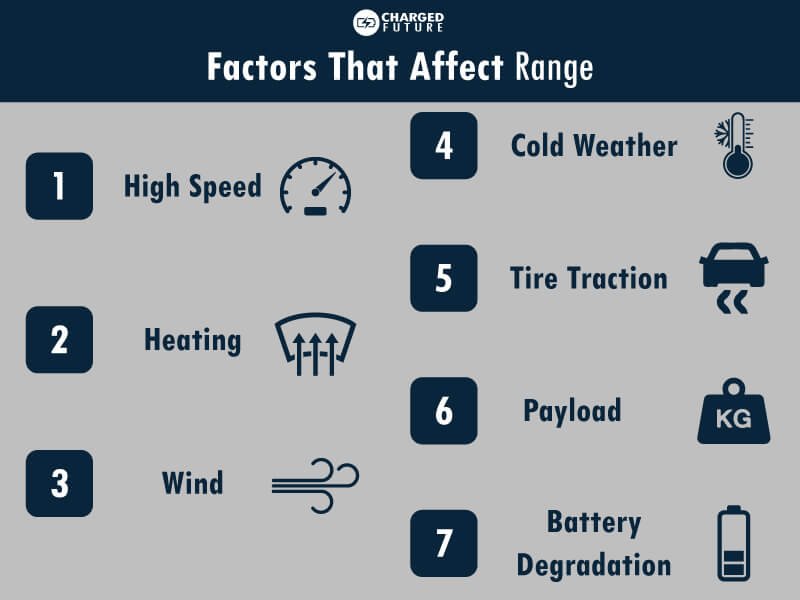
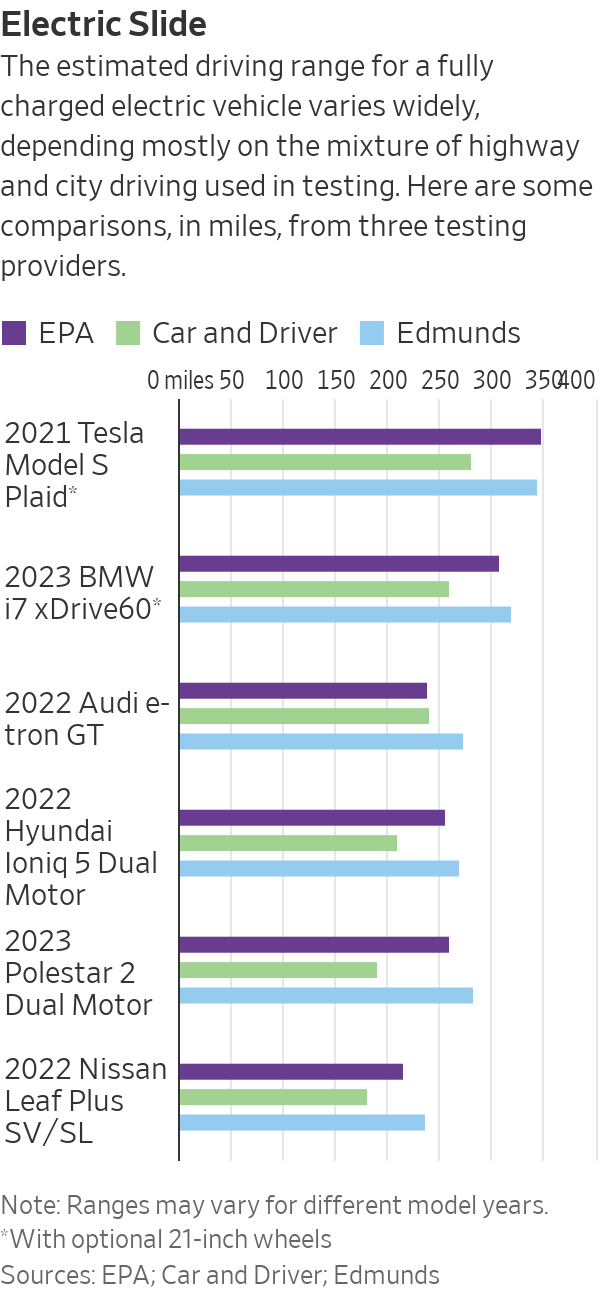
Many American drivers ask what affects electric vehicle driving range before buying an EV. The answer depends on more than just the battery size. Real-world range changes with daily conditions, road types, weather, and how the vehicle is used.
After studying electric vehicle technology and energy efficiency trends, one lesson is clear: the official range number is only a starting point. A driver in California, Texas, or Minnesota may see different results from the same EV because climate and driving patterns are different.
Battery capacity Is the Foundation of Electric Vehicle Range
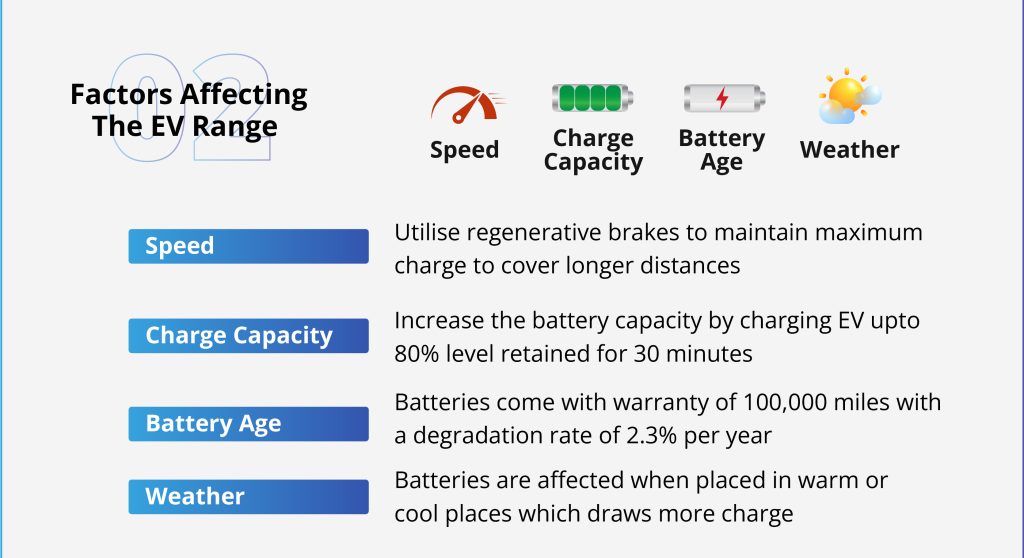
Battery capacity is one of the biggest answers to what affects electric vehicle driving range. EV batteries store electrical energy, and larger battery packs usually allow vehicles to travel farther before charging.
However, a larger battery does not always mean better efficiency. A heavy battery adds vehicle weight, which can increase energy use. Manufacturers balance battery size, vehicle design, cost, and performance.
- ✦ Battery size
A battery with more kilowatt-hours can store more energy and usually provides a longer driving range.
- ✦ Battery health
A battery that has lost capacity over time may provide fewer miles than when it was new.
- ✦ Battery technology
Modern battery chemistry and thermal systems can improve energy storage and range consistency.
How Battery Degradation Changes Range
EV batteries slowly lose some capacity as they age. Heat, charging habits, and frequent extreme charging conditions can influence battery aging.
Most modern EVs use battery management systems to protect cells and maintain reliable performance throughout the vehicle’s life.
- ✦ Regular charging habits
Balanced charging routines can help maintain long-term battery performance.
Weather and Temperature Have a Major Impact on EV Range
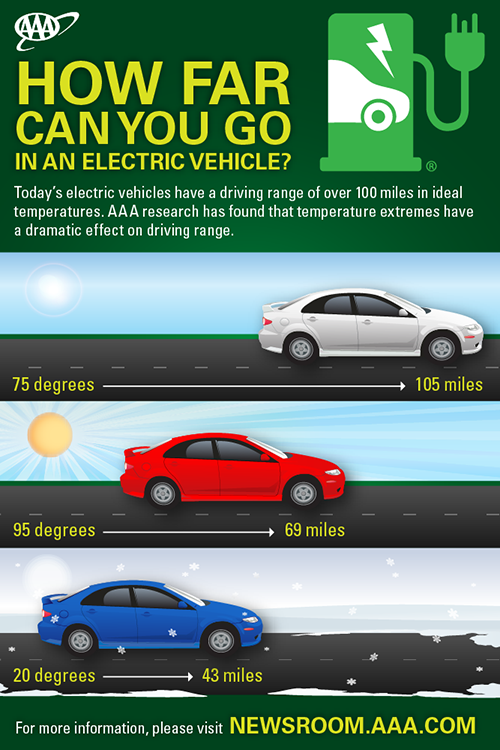
Temperature is one of the most important factors when understanding what affects electric vehicle driving range. Batteries perform best within a specific temperature range.
Cold weather can reduce available energy because the battery needs more power to stay warm. Hot weather can also reduce efficiency because cooling systems consume electricity.
- ✦ Cold climates
Winter temperatures can reduce range because battery chemistry slows and cabin heating requires extra energy.
- ✦ Hot climates
High temperatures may increase energy use through battery cooling and air conditioning systems.
Why Heating Uses More Energy Than Cooling
Many EVs use electric heating systems, which draw power directly from the battery. This can have a noticeable effect during winter driving.
Some newer EVs use heat pumps that improve heating efficiency and help reduce range loss in cold conditions.
- ✦ Heat pump systems
Heat pumps move existing heat instead of creating all heat from electricity, improving efficiency.
Driving Speed and Driving Style Influence Energy Consumption
Driving habits strongly affect EV efficiency. Higher speeds require more energy because air resistance increases as a vehicle moves faster.
Aggressive acceleration and frequent hard braking can reduce range. Smooth driving helps an EV use energy more efficiently.
- ✦ Highway driving
Long highway trips at high speeds usually consume more energy than slower city driving.
- ✦ Acceleration patterns
Gentle acceleration can improve efficiency and extend driving range.
- ✦ Regenerative braking
Using regenerative braking properly can recover some energy during slowing and stopping.
Vehicle Weight, Tires, and Aerodynamics Affect Range
Vehicle design plays an important role in what affects electric vehicle driving range. Heavier vehicles need more energy to move, especially during acceleration.
Tires and aerodynamics also change energy use. A vehicle that moves through air easily needs less power to maintain speed.

- ✦ Extra weight
Heavy cargo, passengers, and roof accessories can increase energy consumption.
- ✦ Tire pressure
Low tire pressure creates more rolling resistance and can reduce efficiency.
- ✦ Vehicle shape
Aerodynamic designs reduce air resistance and improve highway range.
Why Tire Maintenance Matters for EV Owners
EVs are often heavier than similar gasoline vehicles because of their battery packs. This makes proper tire maintenance even more important.
Checking tire pressure regularly is a simple way to support better efficiency and predictable range.
- ✦ Regular inspections
Proper tire condition helps maintain safe and efficient driving.
Road Conditions and Driving Environment Change Range
The road itself can change what affects electric vehicle driving range. Flat roads usually require less energy than steep hills or mountain routes.
Traffic conditions, road surfaces, and frequent stops can also influence energy use. City driving may sometimes recover energy through regenerative braking, while highway driving may use more energy.

- ✦ Hills and slopes
Driving uphill requires more energy, while downhill driving may recover some energy.
- ✦ Traffic patterns
Stop-and-go traffic can change energy use depending on driving style and regeneration settings.
Charging Habits and Battery Management Can Affect Long-Term Range
Charging behavior plays a role in long-term EV battery health. Modern EVs are designed to handle daily charging, but extreme charging patterns may affect battery aging.
Battery management systems help control temperature, charging speed, and power delivery. These systems protect the battery and support consistent range performance.

- ✦ Fast charging use
Frequent high-power charging may create more heat compared with slower charging methods.
- ✦ Battery temperature control
Thermal management systems help keep batteries within efficient operating conditions.
