
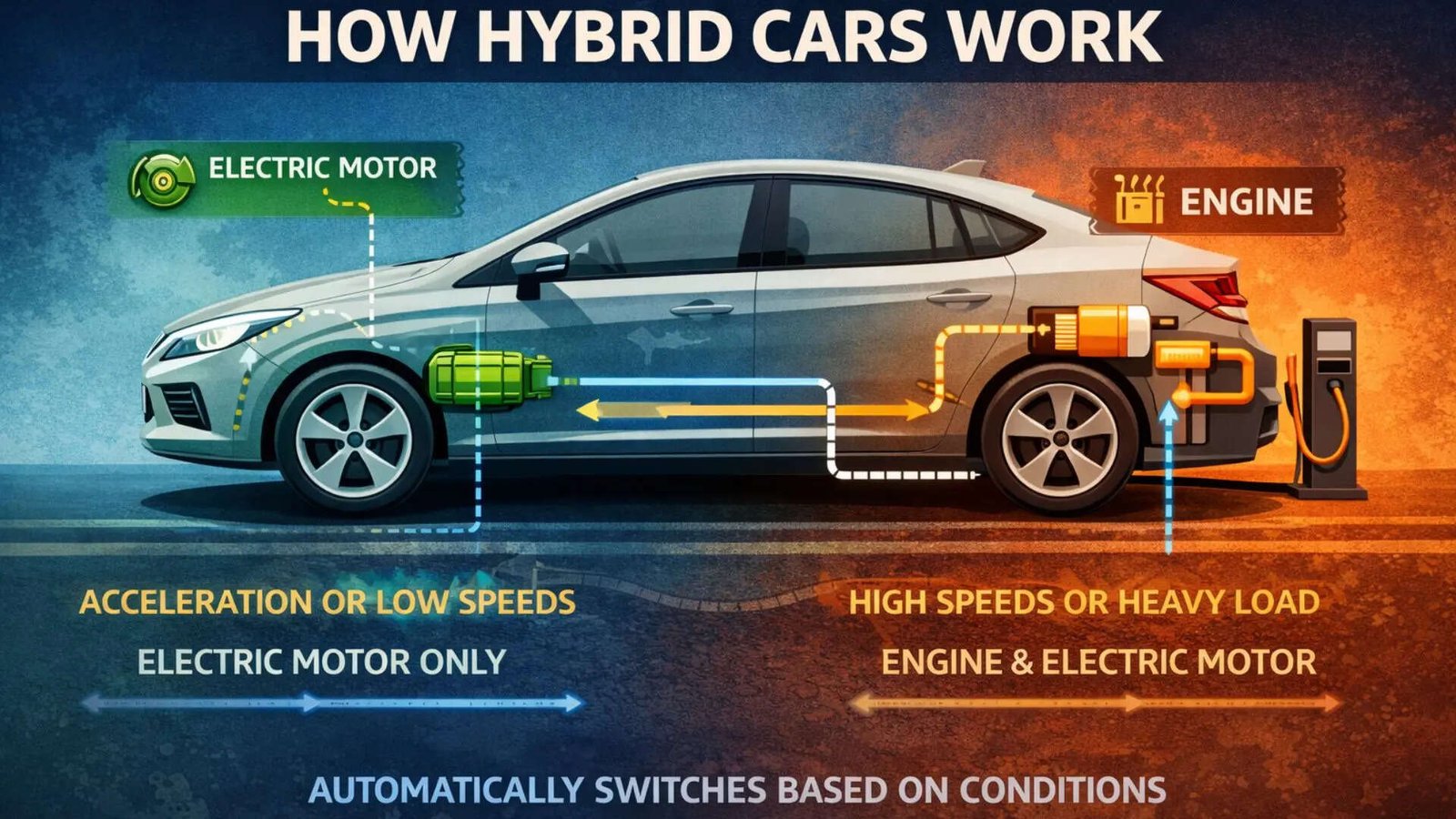
Many drivers in the United States enjoy hybrid cars because they combine gasoline power with electric efficiency. The key technology behind this benefit is the ability to smoothly change between an internal combustion engine and an electric motor without requiring driver input.
Understanding How Hybrid Cars Switch Between Engine and Electric Motor helps explain why hybrids save fuel in city traffic, reduce engine stress, and deliver quiet performance. The vehicle constantly checks speed, battery charge, throttle input, and driving conditions to choose the best power source.
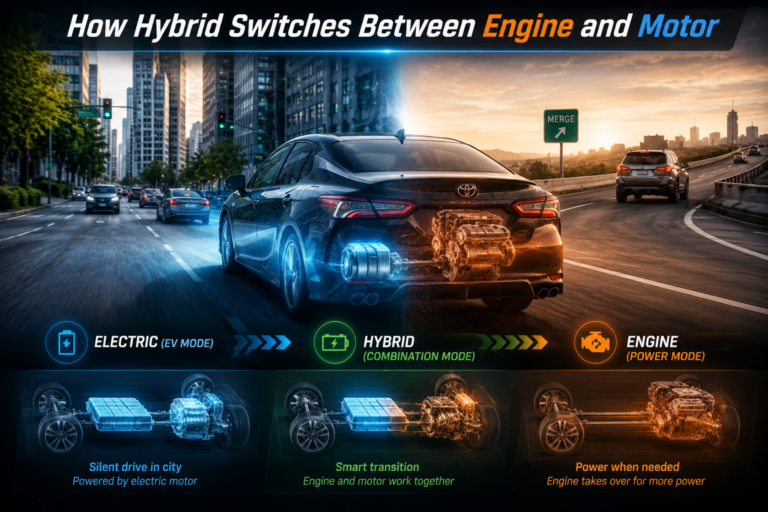
How Hybrid Cars Decide When to Use the Engine or Electric Motor
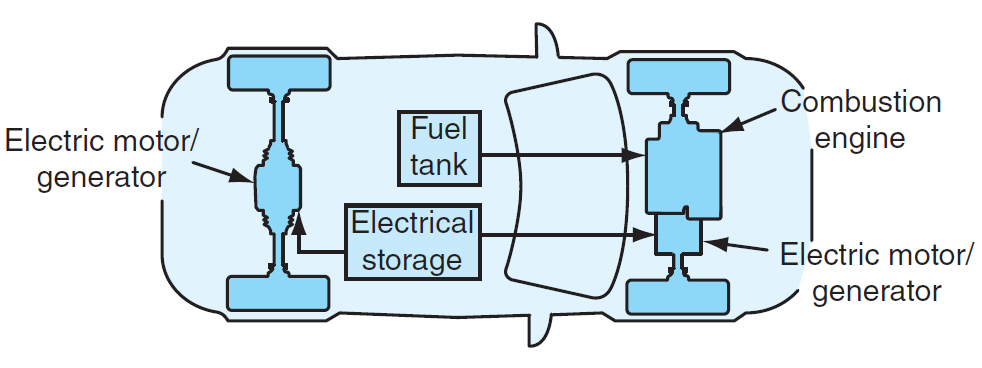
The main reason hybrid cars can switch power sources smoothly is the hybrid control unit. This computer acts like the brain of the vehicle and manages energy flow between the battery, electric motor, and gasoline engine.
When learning How Hybrid Cars Switch Between Engine and Electric Motor, it is important to understand that the driver does not manually select the power mode. The system makes decisions thousands of times during a drive based on real-time conditions.
- ✦ Vehicle speed
The system often uses electric power at low speeds because electric motors work efficiently during slow acceleration.
- ✦ Battery charge level
The hybrid system checks battery energy and decides when electric assistance is available.
- ✦ Driving demand
Hard acceleration or steep hills may require the gasoline engine and electric motor to work together.
The Role of Sensors and Computer Controls
Hybrid vehicles use sensors to monitor throttle position, wheel speed, engine temperature, and battery condition. These signals help the control system select the most efficient power combination.
This automatic decision process makes modern hybrids feel similar to traditional cars while quietly improving fuel economy.
- ✦ Instant adjustments
The system changes power sources quickly without noticeable interruption for most drivers.
What Happens During Electric Motor Driving Mode
In many hybrid cars, the electric motor can move the vehicle by itself during certain conditions. This usually happens during slow city driving, parking, or gentle acceleration when the battery has enough energy.
The gasoline engine stays off during this time, which saves fuel and reduces emissions. The electric motor receives energy from the high-voltage battery pack and sends power directly to the wheels.
- ✦ Quiet operation
Electric driving produces very little noise compared with a running gasoline engine.
- ✦ Zero fuel use during electric operation
When the engine is off, the vehicle can move without burning gasoline.
Why Electric Power Works Well at Low Speeds
Electric motors produce strong torque from a stop. This makes them ideal for starting movement in traffic and during slow driving situations.
This is one reason hybrid vehicles perform well in American cities where drivers often face stop-and-go traffic.
How the Gasoline Engine Takes Over During Driving
A hybrid car activates the gasoline engine when more power is needed or when using electric energy alone is less efficient. This commonly happens during highway driving, rapid acceleration, or climbing hills.
The transition between the electric motor and engine is controlled automatically. Drivers may notice a small change in sound, but many modern hybrids make the switch almost invisible.
- ✦ High-speed driving
Gasoline engines often become more efficient during steady highway speeds.
- ✦ Heavy acceleration
The engine provides extra power when the driver needs stronger performance.
Engine and Motor Working Together
Many hybrid vehicles do not simply choose one power source. They can combine engine power and electric assistance at the same time.
This combined operation provides better acceleration while allowing the engine to work closer to its efficient range.
How Regenerative Braking Helps Hybrid Switching
Regenerative braking is a major reason hybrid cars can keep using electric power. Instead of wasting braking energy as heat, the system captures some energy and stores it in the battery.
When the driver slows down, the electric motor works like a generator. It converts movement energy into electrical energy that can later support electric driving.

- ✦ Energy recovery
The system collects energy that would normally disappear during braking.
- ✦ Battery support
Recovered energy helps maintain battery charge for future electric assistance.
Different Hybrid Systems and Their Switching Methods
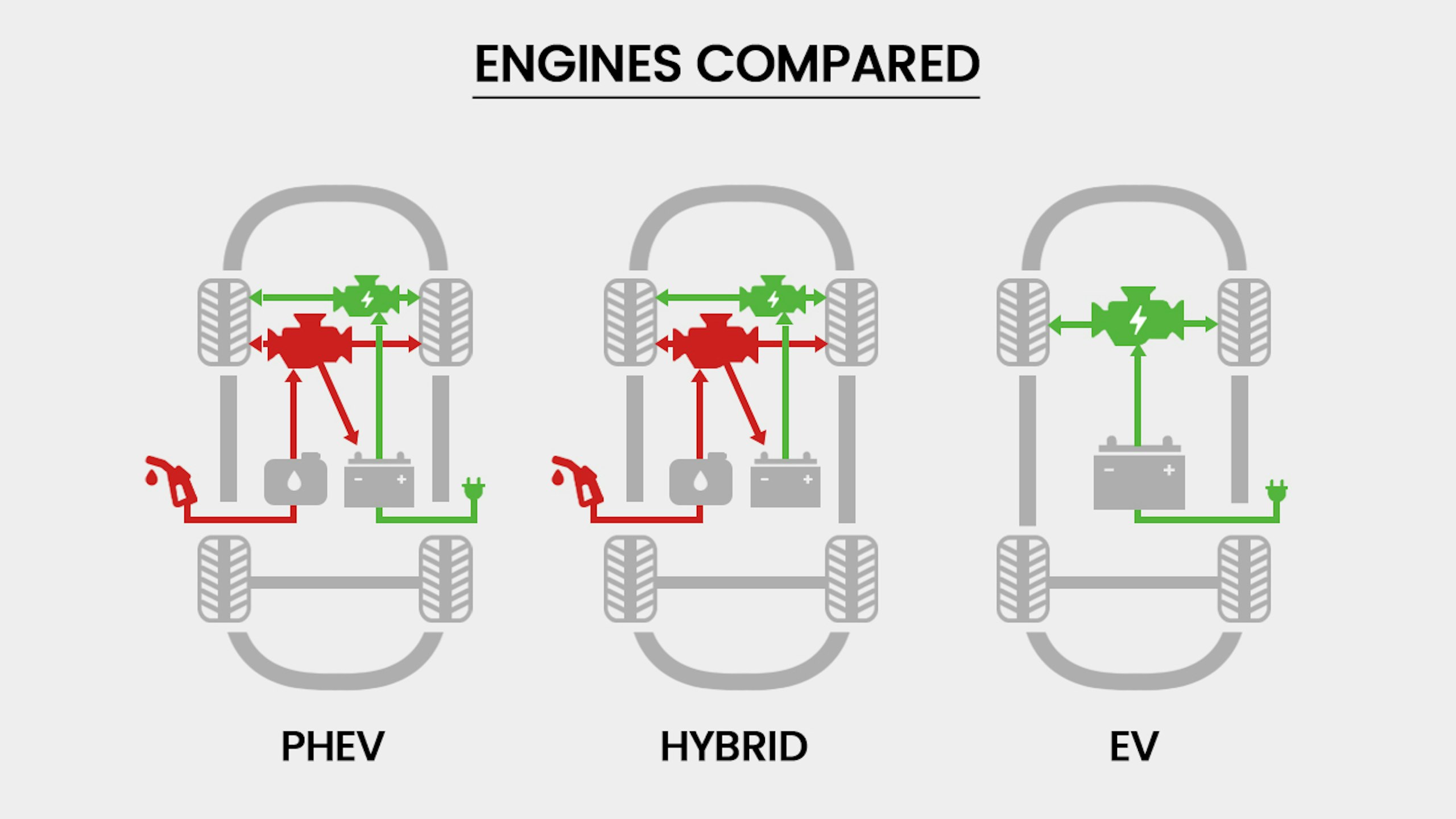
Not all hybrid vehicles switch power in the same way. Manufacturers use different designs depending on performance goals, cost, and vehicle size.
The basic idea remains the same: combine electric power and gasoline power to improve efficiency while maintaining driving range.

- ✦ Full hybrids
Full hybrids can often drive using the electric motor alone, the engine alone, or both together.
- ✦ Plug-in hybrids
Plug-in hybrids have larger batteries and can travel longer distances using electric power before starting the engine.
- ✦ Mild hybrids
Mild hybrids use electric assistance but usually cannot drive only on electric power.
Why Hybrid Designs Differ
Each hybrid design balances battery size, cost, performance, and fuel savings. Engineers choose different systems based on customer needs and vehicle purpose.
Understanding these differences helps buyers choose the right hybrid model for their driving habits.
