Engine displacement is the total volume swept by all pistons inside an engine’s cylinders.
Understanding engine displacement is one of the most common points of confusion for anyone new to cars or motorcycles, whether you’re comparing spec sheets or planning an engine build. This article explains what engine displacement is, how it’s measured, why it matters, and how it affects power, economy, and tuning. Read on for clear definitions, simple math, practical examples, and real-world tips from my experience to help you understand and use engine displacement effectively.

Understanding engine displacement
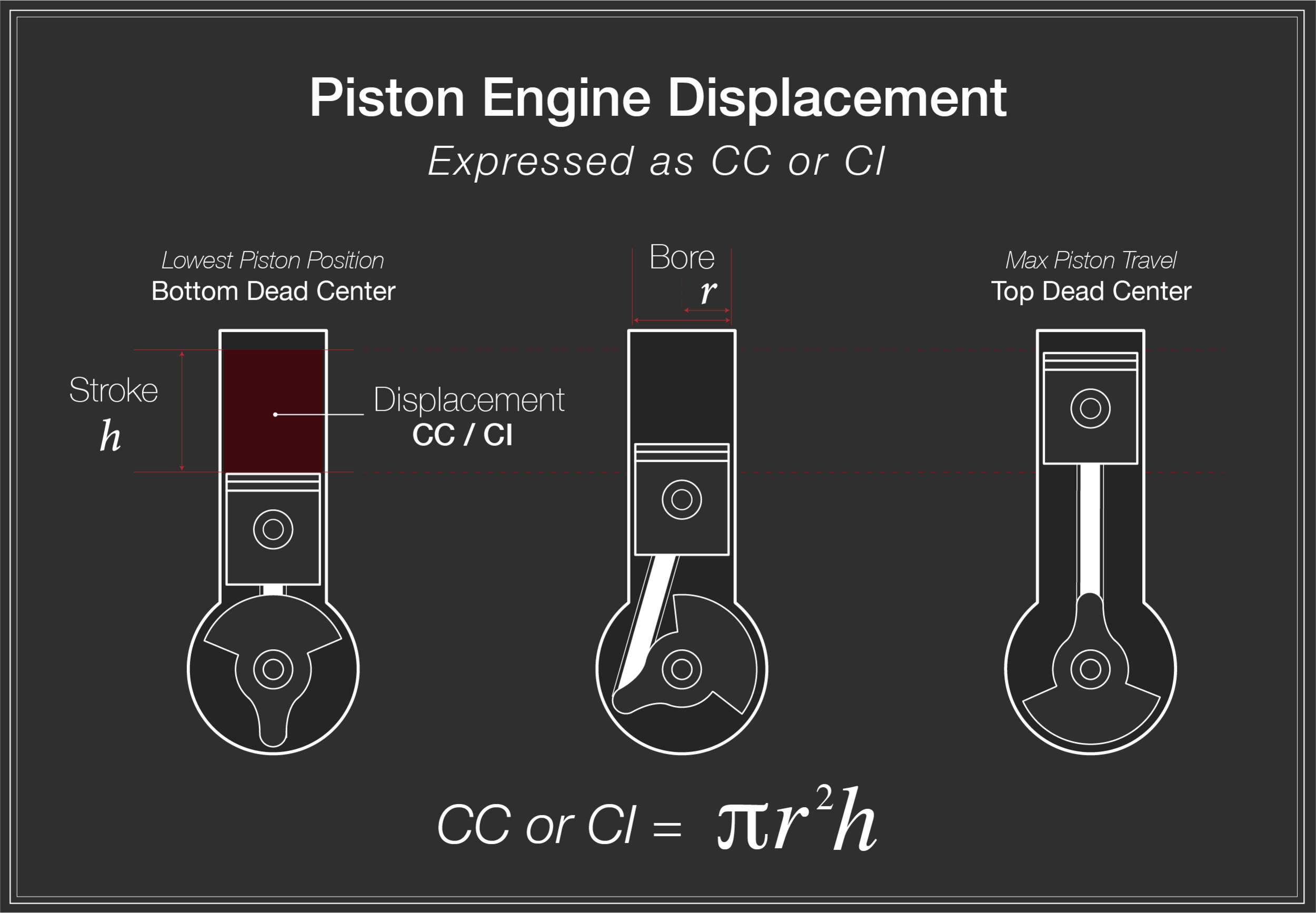
What is engine displacement? At its core, engine displacement is the combined volume that all pistons sweep as they move between bottom dead center and top dead center. It usually appears in cubic centimeters (cc) or liters for cars, and in cubic inches for some older or specialty engines. Displacement tells you the size of an engine’s “breathing” capacity, but not the whole story about power or efficiency. I’ve found that many people assume larger displacement equals faster cars; that is often true, but many other factors matter too.
Displacement figures don’t include the volume of the combustion chamber itself — only the volume the pistons physically sweep between top dead center and bottom dead center. Because displacement is expressed in different units depending on the region, it helps to know how they relate:
| Convert from | Convert to | How |
|---|---|---|
| Cubic centimeters (cc) | Liters (L) | Divide by 1,000 |
| Cubic inches (cu in) | Cubic centimeters (cc) | Multiply by 16.387064 |
| Liters (L) | Cubic inches (cu in) | Multiply by 61.0237 |
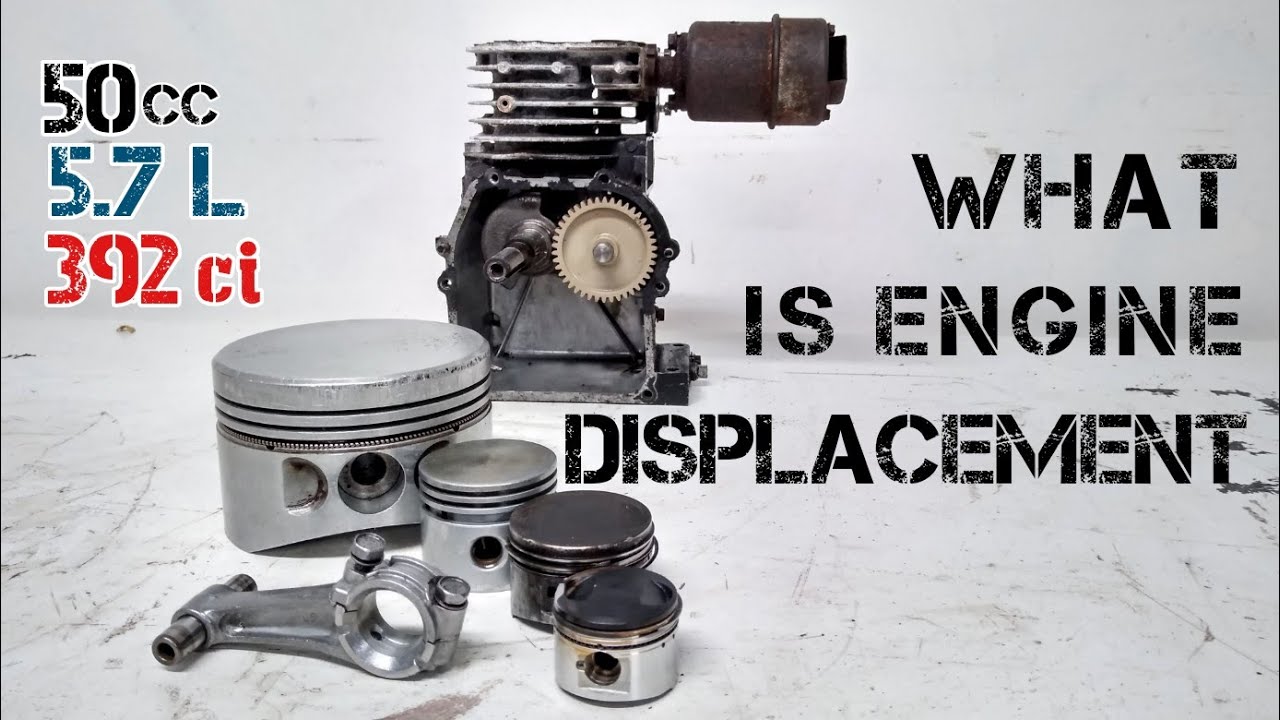
So a classic “350 ci” small-block V8 works out to roughly 5.7 liters, or 5,735 cc.
How engine displacement is calculated
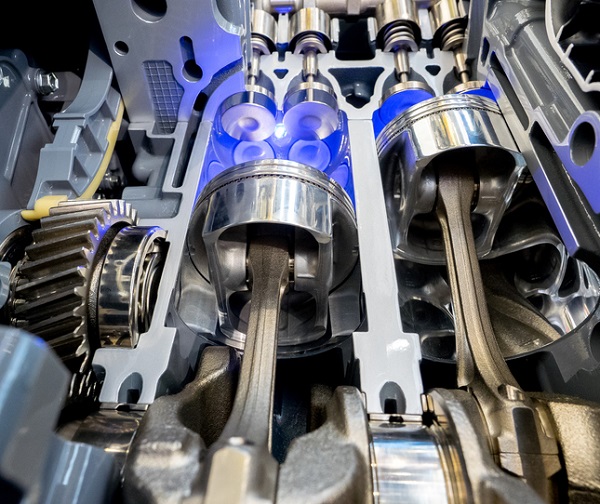
Calculating what is engine displacement is simple math. Use the formula: displacement = π × (bore/2)^2 × stroke × number of cylinders. Bore is the cylinder diameter. Stroke is how far the piston travels. Multiply those values and convert to the desired units. For example, a 4-cylinder engine with a 80 mm bore and 88 mm stroke has roughly 1.77 liters of displacement. I keep a small pocket calculator for quick checks during engine builds.
Oversquare vs. Undersquare: What Bore-to-Stroke Ratio Means
Bore and stroke don’t just determine total displacement — their ratio to each other also shapes how an engine behaves. An engine is called oversquare when its bore is larger than its stroke, and undersquare (or “long-stroke”) when the stroke is longer than the bore. Oversquare engines generally allow larger valves and tend to rev higher, since the piston travels a shorter distance per revolution. Undersquare engines typically produce stronger low-RPM torque because of their longer stroke. Two engines can share the same total displacement with very different bore-to-stroke ratios — and very different character as a result.
| Type | Bore vs. Stroke | Typical Characteristic |
|---|---|---|
| Oversquare | Bore > stroke | Higher-revving, favors top-end power |
| Square | Bore = stroke | Balanced characteristics |
| Undersquare | Stroke > bore | Stronger low-RPM torque |
Why Engine Displacement Matters
In naturally aspirated engines, volumetric efficiency — how much of the theoretical displacement is actually filled with air/fuel mixture each cycle — typically runs around 80–90%, which is one reason two engines of the same displacement can still produce different power. This is also why the industry trend of engine downsizing exists: automakers pair smaller-displacement engines with turbocharging to approach the output of larger engines while running more efficiently at light load. The trade-off is real, though — once a turbocharged engine is under boost, fuel consumption rises toward what a larger engine would use, so the efficiency gain is strongest in everyday, lighter-throttle driving rather than under full power.
Why engine displacement matters
Engine displacement matters because it sets a baseline for how much air and fuel an engine can burn per cycle. More displacement usually means more torque at low RPM and greater potential power. Displacement also influences fuel consumption, emissions, and tax or regulatory brackets in some countries. Still, modern tech like turbocharging and variable valve timing can change the relationship between displacement and real-world performance.

Common examples and real-world comparisons
Using examples helps make what is engine displacement easy to picture.
- Small commuter cars often have 1.0–1.6 liter engines.
- Family sedans usually come with 1.8–2.5 liter engines.
- Performance cars commonly range from 3.0 to 6.0 liters or more.
- Motorcycles often list displacement in cc, such as 250 cc, 600 cc, or 1000 cc.
When I swapped a 1.6L engine for a 2.0L in an older hatchback, the car gained low-end pull and felt less strained on hills. That change made a clear, usable difference even though peak horsepower rose only modestly.
| Vehicle/Engine Type | Typical Displacement | Example |
|---|---|---|
| Small commuter car | 1.0–1.6 L | — |
| Family sedan | 1.8–2.5 L | — |
| Performance car | 3.0–6.0+ L | — |
| Motorcycle (learner/commuter) | Up to 125 cc | Capped at 125cc under the EU’s entry-level A1 motorcycle license |
| Motorcycle (larger) | 250–1000+ cc | — |
| Formula 1 (current hybrid era) | 1.6 L (turbocharged V6 hybrid) | — |
Does Displacement Work the Same in 2-Stroke and 4-Stroke Engines?
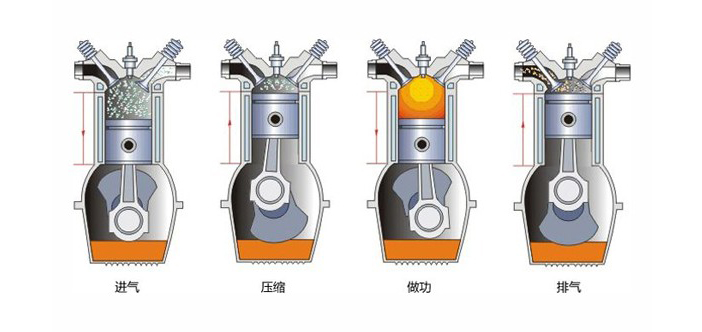
Not quite. A 4-stroke engine takes two full crankshaft revolutions to complete one intake cycle per cylinder, while a 2-stroke engine completes a power cycle in a single revolution. That’s part of why a small 2-stroke engine — common in some mopeds and older dirt bikes — can feel disproportionately powerful for its displacement compared with a similarly sized 4-stroke.
How displacement affects performance and fuel economy
What is engine displacement’s real effect on driving?
- Power potential: Larger displacement can allow more power if the engine is tuned accordingly.
- Torque delivery: Bigger engines usually deliver more torque at lower RPM.
- Fuel use: All else equal, larger displacement consumes more fuel per cycle, but efficiency tech can offset this.
- Tuning trade-offs: Smaller turbocharged engines can match bigger naturally aspirated engines for power while using less fuel in light load.
From experience, a well-tuned smaller engine can beat a large, poorly tuned engine in daily driving thanks to lower weight and better efficiency.
What Is Variable Displacement?
Some engines can change their effective displacement while running, most often by deactivating a portion of their cylinders under light load — a technology generally called variable displacement or cylinder deactivation. It’s used mainly on larger multi-cylinder engines, where running on fewer cylinders during easy driving, such as highway cruising, can reduce fuel consumption. The engine switches back to all cylinders when more power is needed.
How displacement relates to engine tuning and modifications
When you ask what is engine displacement in the context of modifications, think of it as one lever among many. You can increase displacement by boring cylinders or increasing stroke. You can change performance through forced induction, cam profiles, intake and exhaust changes, and ECU tuning. Increasing displacement often improves reliability if done within safe limits, but improper boring or stroking can shorten engine life. I once recommended a stroked build for a client who wanted more torque without high boost; the result was a strong midrange and fewer stress issues than a high-boost swap.
Measuring and verifying engine displacement
To verify what is engine displacement in a real engine, you can:
- Use manufacturer specs for quick checks.
- Measure bore and stroke with calipers and a micrometer, then apply the formula.
- Measure the combustion chamber and piston deck height for precise displacement (useful for race builds).
If you need exact numbers, a machine shop can measure tolerances and volumes precisely. I learned to always confirm measurements after any machine work to avoid surprises when tuning. For an assembled engine without disassembly, some technicians use an oil-fill test: bring a piston to bottom dead center, fill the cylinder with a measured volume of thin oil through the spark plug hole, then rotate the crank to push the oil back out and measure what comes out. Multiplying that per-cylinder volume by the number of cylinders gives a hands-on displacement check.
Myths and misconceptions about engine displacement
People often misread what is engine displacement and make assumptions.
- Myth: Bigger displacement always means faster acceleration. Reality: Power depends on many parts, not just size.
- Myth: Displacement equals horsepower. Reality: Displacement is volume; horsepower comes from how well the engine uses that volume.
- Myth: Smaller engines cannot be sporty. Reality: Modern small engines with turbocharging and good tuning can be very quick.
I’ve seen lightweight cars with small displacement shock heavier cars with larger displacement because of better tuning and gearing. That taught me to judge engines by overall design, not by displacement alone.
Practical tips when comparing engines
When you’re comparing what is engine displacement between two vehicles, also check these items:
- Peak torque and horsepower figures
- Torque curve shape and RPM where they occur
- Turbo or supercharger presence and boost levels
- Weight of the vehicle and drivetrain losses
- Transmission gearing and final drive ratios
These factors often matter more for daily use than the raw displacement number. From working on multiple builds, I recommend a test drive to feel how the engine behaves, not just reading displacement on a spec sheet.
Frequently Asked Questions of what is engine displacement
What exactly does engine displacement measure?
Engine displacement measures the total volume displaced by all pistons as they move through one full stroke. It reflects the engine’s basic capacity to draw in air and fuel.
Is a larger displacement always better?
Larger displacement generally offers more low-end torque and potential power, but it is not always better. Efficiency, engine design, and forced induction can change outcomes.
How does displacement differ from engine size or power?
Displacement is a physical volume. Engine size or power often refer to packaging, weight, and output, which depend on many parts beyond displacement.
Can displacement be increased on an existing engine?
Yes. Displacement can be raised by boring cylinders or fitting a longer stroke, but such work must be done carefully to avoid weakening the block or causing reliability issues.
Does engine displacement affect insurance or taxes?
Yes, in several countries. Germany taxes passenger cars partly by displacement — roughly €2.00 per 100 cm³ for gasoline engines and €9.50 per 100 cm³ for diesel, on top of a CO2-based charge. Japan’s kei-car category caps displacement at 660 cc for lower-tax lightweight vehicles, with a separate registration class above 2,000 cc. Ireland’s motor tax and registration tax were assessed largely by displacement band before 2008, and some used imports registered before that date are still taxed this way. Rates and rules change, so confirm the current figures for your country before buying or modifying a vehicle.
How Do You Convert Engine Displacement Between cc, Liters, and Cubic Inches?
Divide cubic centimeters by 1,000 to get liters, since 1 liter equals exactly 1,000 cc. To convert cubic inches to cc, multiply by 16.387064. For example, a 350-cubic-inch V8 converts to about 5,735 cc, or 5.7 liters.
What is an oversquare engine?
An oversquare engine has a cylinder bore that’s larger than its stroke length. This generally allows for larger valves and higher-RPM breathing, which is why many high-revving performance engines use an oversquare design.
Does a bigger engine always use more fuel?
Not necessarily. A larger engine typically uses more fuel under full throttle, but a smaller turbocharged engine can approach similar fuel use once it’s under boost. At light, everyday throttle, downsized turbocharged engines usually come out ahead on fuel economy.
What is cylinder deactivation?
Cylinder deactivation is a form of variable displacement where an engine temporarily shuts off a portion of its cylinders during light-load driving, such as highway cruising, to reduce fuel consumption, then reactivates them when more power is needed.
Common Examples and Real-World Comparisons
Displacement thresholds also show up in regulation. In the EU, for example, the entry-level A1 motorcycle license caps engine displacement at 125 cc, which is one reason so many learner and commuter bikes are built around that exact size.
Measuring and Verifying Engine Displacement
- For an assembled engine without disassembly, some technicians use an oil-fill test: bring a piston to bottom dead center, fill the cylinder with a measured volume of thin oil through the spark plug hole, then rotate the crank to push the oil back out and measure what comes out. Multiplying that per-cylinder volume by the number of cylinders gives a hands-on displacement check.
Conclusion
Understanding what is engine displacement gives you a clear starting point for comparing engines, planning upgrades, and making smarter buying choices. Displacement explains the engine’s basic breathing capacity, but power and efficiency depend on many parts working together. Use the math, check real-world data, and consider factors like forced induction, tuning, and vehicle weight when making decisions. Try measuring or researching an engine yourself, test drive cars to feel the differences, and leave a comment or subscribe to learn more about engines and tuning.