Signs Of A Dirty Air Filter In A Car: 9 Warning Signs
Reduced power, poor fuel economy, rough idle, odd smells, and clogged airflow.
I’ve worked on cars for years and I know the signs of a dirty air filter in a car inside out. This guide breaks down every symptom, shows how to check the filter, and gives clear steps to fix or prevent problems. Read on to spot issues early and keep your engine healthy.

Why a clean air filter matters
A clean air filter helps your engine breathe. It keeps dirt, pollen, and debris out of the combustion chamber. Good airflow improves power, throttle response, and fuel use. Neglecting the filter causes problems that are easy to spot if you know the signs of a dirty air filter in a car.

Common signs of a dirty air filter in a car
If your car shows any of these signs of a dirty air filter in a car, don’t ignore them. The filter restricts air when it’s clogged. That changes how the engine runs right away.
- Reduced engine power
- The car feels sluggish when accelerating. Passing on highways becomes harder than usual.
- Poor fuel economy
- You fill up more often. A clogged filter makes the engine burn more gas.
- Rough idle and stalling
- The engine shakes at stoplights. It may stall during slow driving.
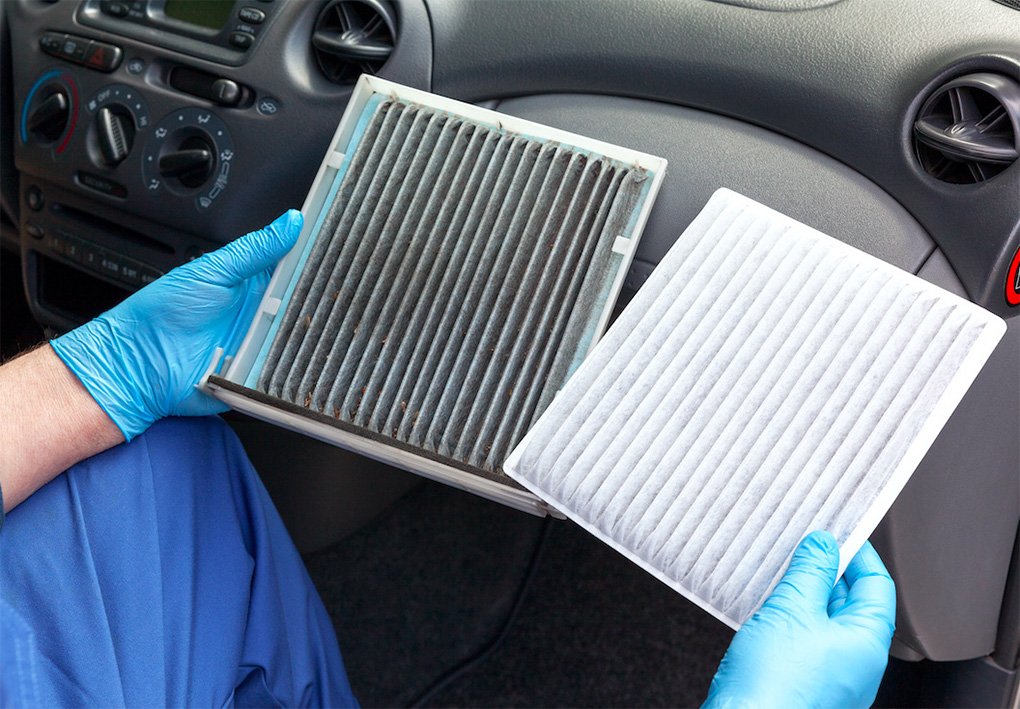
- Unusual smells from vents
- A musty or dusty odor can come from the HVAC vents. This happens when dirt builds up.
- Black smoke from the tailpipe
- Excess fuel and poor air mix cause darker exhaust. You may see smoke on cold start.
- Check engine light
- Sensors detect air-fuel imbalance. That can trigger the warning lamp.
I once drove a vehicle that lost freeway pace because the owner had never changed the filter. A simple replacement restored power and cut fuel cost noticeably within a tank. That taught me to always check the filter early when drivers report weak performance.

How to inspect for signs of a dirty air filter in a car
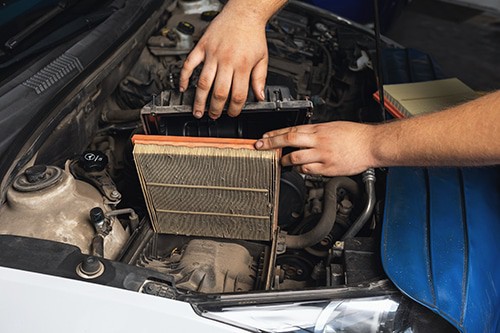
Inspecting the filter is quick and revealing. Most cars store the air filter in a plastic box under the hood. Use these steps to look for trouble.
- Park on level ground and cool the engine.
- Open the airbox—no tools on many models, but some need a screwdriver.
- Remove the filter carefully to avoid dropping dirt inside.
- Hold it up to light. If little or no light shows through, it’s dirty.
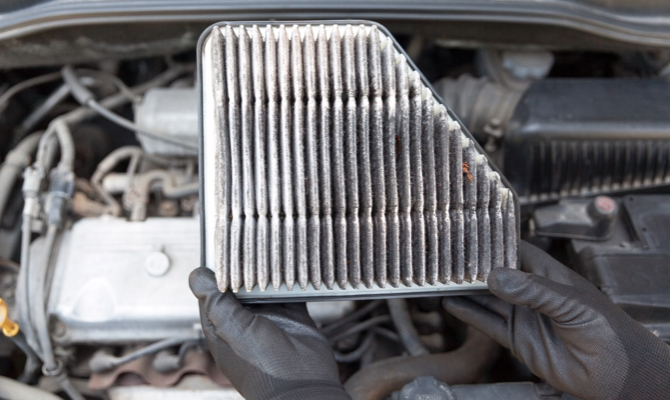
- Look for heavy dust, leaves, oil, or insect nests. Those are clear signs of a dirty air filter in a car.
If you see only light dust, a gentle tap can help. If the filter looks dark and caked, replace it. I’ve seen filters so packed they looked like concrete. Replacing that filter transformed idle quality and throttle response.
Effects on performance and fuel economy
A dirty filter changes engine behavior fast. Restricted air causes a richer fuel mix. That reduces mileage and raises emissions.
- Less horsepower and slower acceleration
- The engine can’t get enough air. You feel a lag when you press the pedal.
- Higher fuel usage
- The engine adds more fuel to compensate. Expect poorer MPG.
- Increased wear
- Dirt that sneaks past a damaged or overloaded filter can wear valves and cylinders.
- Greater emissions
- Bad air-fuel mix produces more pollutants and may fail emissions tests.
Knowing these effects helps you decide whether to inspect or replace the filter sooner. In my shop, a quick filter change often improved MPG by a noticeable margin for older cars.

When to replace your air filter
Replace intervals vary by car and conditions. Follow the owner’s manual as a baseline. Use these practical rules.
- City driving and dusty areas
- Replace every 12,000 miles or 12 months, whichever comes first.
- Highway and clean-air regions
- Replace every 20,000 to 30,000 miles.
- Visual check rule
- If the filter looks dark and clogged, replace it immediately.
- After heavy dust exposure
- Off-road trips or construction zone travel may require immediate replacement.
Always keep a spare filter in the trunk if you travel on unpaved roads. I once changed a filter roadside after a dusty detour and avoided an engine problem the next day.

DIY cleaning and replacement steps
Most drivers can handle a filter swap in minutes. If your filter is reusable, follow manufacturer cleaning steps. For paper filters, replacement is best.
- Gather tools and a matching replacement filter.
- Turn off the engine and open the airbox.
- Remove the old filter and inspect the housing for debris.
- Install the new filter with the same orientation.
- Reseat the airbox and secure all clips or screws.
- Start the engine and listen for normal airflow and idle.
For reusable filters, use the correct cleaner and oil if required. Don’t over-oil reusable filters; too much oil can clog sensors.
When to see a professional
Some air filter issues signal deeper problems. See a mechanic if symptoms persist after replacement.
- Check engine light remains on
- Persistent codes could mean sensors or fuel issues.
- Recurring clogging
- If filters clog fast, the intake or PCV system may leak oil or debris.
- Strange noises or smoke after replacement
- A tech can check for intake damage or incorrect installation.
I’ve diagnosed vehicles where a dirty intake duct or a faulty mass airflow sensor caused repeated issues. A pro saved the owner from repeated filter changes and fixed the root cause.
Tips to prevent a dirty air filter in a car
Small habits extend filter life and engine health. These tips are easy to follow.
- Check the filter every oil change
- Routine checks catch problems early.
- Avoid dusty roads when possible
- Reduced dust reduces filter load.
- Use quality filters
- OEM or high-quality aftermarket filters trap more dirt.
- Replace pre-filters or engine-bay seals
- Gaps let dirt bypass the filter and shorten its life.
I recommend keeping a maintenance log. Track date and miles when you replace the filter. That simple habit saves money in the long run.
Frequently Asked Questions of signs of a dirty air filter in a car
What are the first signs of a dirty air filter?
The first signs of a dirty air filter in a car are reduced acceleration and rough idle. You may also notice a drop in fuel economy and a dusty smell.
Can a dirty air filter cause the check engine light?
Yes, a dirty air filter can indirectly trigger the check engine light. It can upset the air-fuel mix and cause sensor faults that set codes.
How often should I check for signs of a dirty air filter in a car?
Check the air filter at every oil change or every 6,000 miles as a minimum. Inspect sooner if you drive in dusty conditions or off-road.
Is it safe to drive with a dirty air filter?
Short trips are usually safe, but prolonged driving with a dirty air filter reduces performance and increases engine wear. Replace a heavily clogged filter promptly.
Can I clean a paper air filter instead of replacing it?
Paper air filters are not meant to be cleaned; replacement is best. Reusable filters can be cleaned per manufacturer instructions.
Conclusion
Spotting signs of a dirty air filter in a car saves money and prevents bigger repairs. Look for reduced power, poor fuel economy, rough idle, and unusual smells. Inspect the filter regularly, replace when needed, and choose quality parts to protect your engine. Start today: check your air filter at the next oil change, and leave a comment if you want step-by-step help or a checklist to follow.