The most common water pump failure symptoms are coolant leaks, engine overheating, grinding or whining noises, steam under the hood, low coolant levels, unusual temperature changes, and visible corrosion around the pump. These signs suggest that coolant may not be circulating properly. Stop driving if the engine overheats, and arrange a professional inspection.
For drivers across the United States, a failing water pump can turn an ordinary commute into an expensive roadside problem. Whether you are driving through busy city traffic, taking a long interstate trip, or traveling in hot summer weather, your engine needs steady coolant flow to stay within its safe temperature range. The water pump keeps that flow moving. When it wears out, the engine can quickly become too hot.
The first warning may be a small puddle under your vehicle. You might also hear a faint grinding sound near the front of the engine. Some drivers notice that the temperature gauge climbs higher than normal. Others see steam coming from under the hood. These signs do not always prove that the water pump has failed, but they deserve attention.
A water pump can also fail without leaving a visible puddle. A damaged impeller may stop moving enough coolant even when the outer housing looks dry. Understanding the different warning signs helps you separate a possible pump problem from issues with the thermostat, radiator, cooling fan, or hoses. Early diagnosis can help prevent serious engine damage.
Source: blog.1aauto.com
What Does an Engine Water Pump Do?
The engine water pump moves coolant through the engine, radiator, and other parts of the cooling system. Coolant absorbs heat from the engine and carries it to the radiator. The radiator then releases that heat into the surrounding air. The cooled fluid returns to the engine, and the cycle continues.
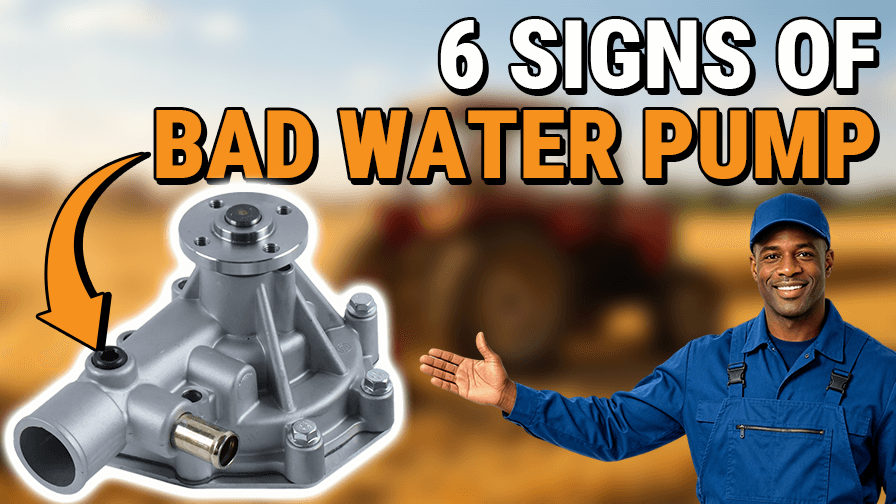
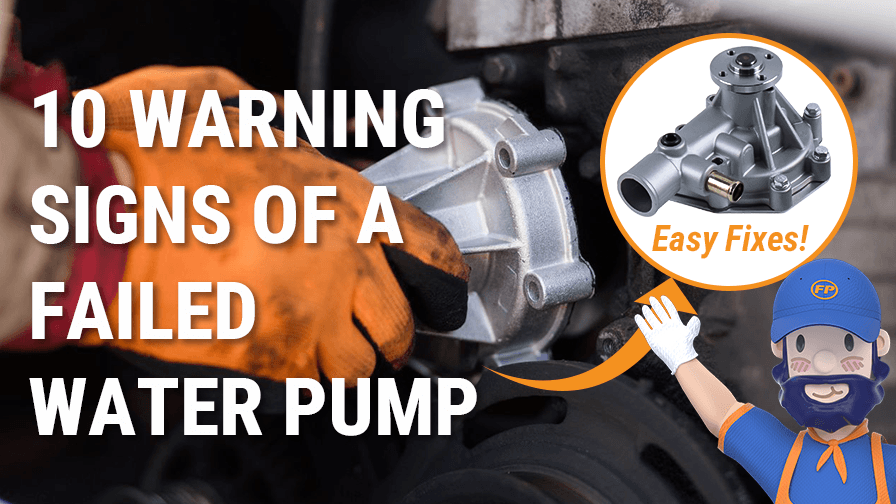
Most traditional water pumps use a rotating impeller. The impeller has small blades that push coolant through the cooling passages. A shaft and bearing support the rotating assembly, while seals keep coolant from escaping around the shaft.
Many mechanical pumps receive power from a serpentine belt, timing belt, or another engine-driven system. Some newer vehicles use electric coolant pumps. These pumps rely on electrical power and electronic controls rather than a direct mechanical belt connection.
The pump’s location also varies. Some sit near the front of the engine and are easy to inspect. Others are hidden behind timing covers or inside the engine assembly. This difference matters because an internal pump leak may not leave a puddle under the vehicle.
Source: autocar-inspection.blogspot.com
Impeller
The rotating part that moves coolant through the engine and cooling system.
Bearing
Supports the pump shaft and allows it to rotate smoothly. Bearing wear can cause grinding or rumbling sounds.
Mechanical seal
Keeps coolant inside the pump and protects the bearing from fluid damage.
Pump housing
Holds the internal parts and connects the pump to the engine cooling passages.
Weep hole
A small opening that allows leakage past the internal seal to escape before coolant reaches the bearing area.
Why Is the Water Pump So Important?
An engine creates a large amount of heat while running. The cooling system must carry that heat away at a steady rate. Without proper coolant circulation, hot spots can form inside the engine.
If the pump stops working, the radiator may have enough coolant but the engine may still overheat. This is why checking the coolant level alone cannot confirm that the water pump is healthy.
7 Common Water Pump Failure Symptoms
A failing water pump often gives several warning signs before it stops working completely. Some appear slowly, while others develop quickly. Look for changes in coolant level, engine temperature, sounds, and visible fluid around the engine.
No single symptom confirms a failed pump. However, several signs appearing together make a cooling system inspection more urgent.
Source: fridayparts.com
1. Coolant leaking near the water pump
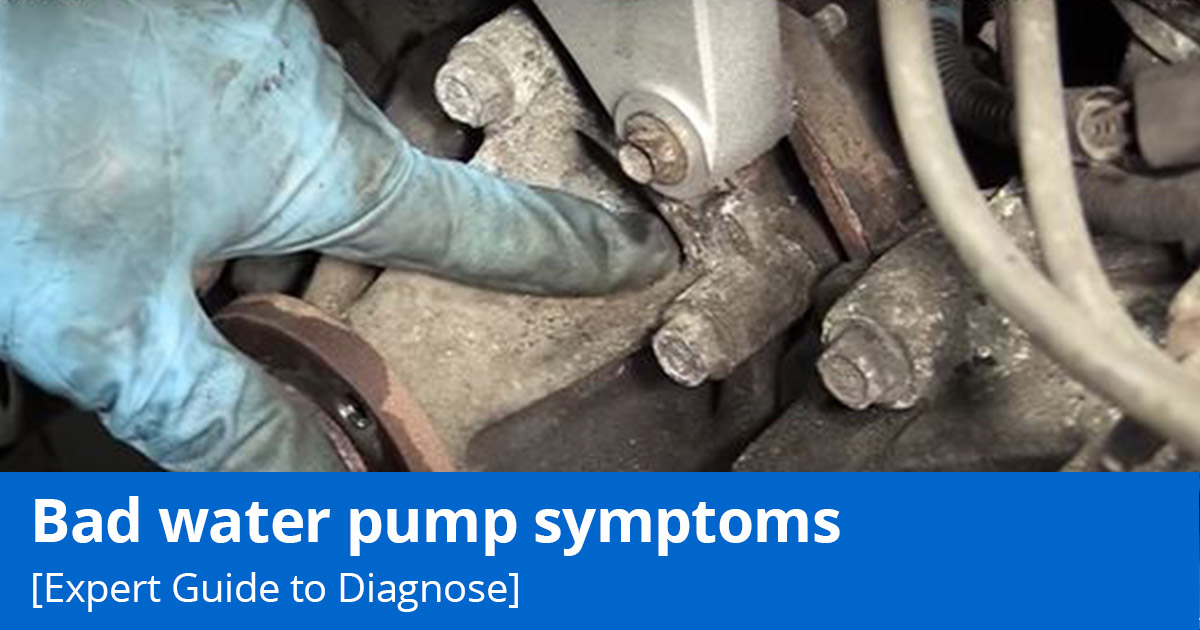
Fresh coolant, wet trails, or dried coolant deposits around the pump can indicate a failed shaft seal, mounting gasket, or damaged housing.
2. Engine overheating
A damaged impeller or seized pump may prevent proper coolant circulation. The temperature gauge can rise above its normal range.
3. Grinding or whining noises
A worn bearing can produce grinding, rumbling, or whining sounds near the front of the engine.
4. Squealing or chirping sounds
A damaged pump bearing or pulley can affect belt movement. The sound may become more noticeable as engine speed changes.
5. Steam coming from under the hood
A coolant leak onto hot engine parts or severe overheating can create visible steam. Stop safely and shut off the engine.
6. Low coolant and repeated coolant loss
A leaking water pump may cause the coolant reservoir level to fall over time. Repeatedly adding coolant does not solve the underlying problem.
7. Corrosion or unusual coolant deposits
Rust, mineral deposits, or dried coolant around the pump can point to leakage, poor coolant condition, or corrosion damage.
Coolant Leaks Around the Water Pump
A coolant leak near the water pump is one of the clearest signs of possible pump trouble. You may notice a colored puddle under the front part of your vehicle after parking. You may also find damp areas, dried stains, or crusty deposits around the pump housing.
Coolant colors vary by vehicle and coolant type. It may appear green, orange, red, yellow, pink, or another shade. Do not identify the fluid by color alone. Some other automotive fluids can also leave colored marks.
A water pump has seals and gaskets that keep coolant inside the cooling system. When a seal wears out, fluid can escape around the pump shaft. A damaged mounting gasket can also allow coolant to leak where the pump meets the engine.
Source: fridayparts.com
Wet areas around the pump
Fresh moisture near the pump body or mounting surface can point to a seal or gasket problem.
Dried coolant residue
White, pink, green, or other colored deposits may remain after coolant leaks and dries on a hot surface.
Leakage from the weep hole
Persistent dripping from this small opening can indicate that the internal mechanical seal is wearing out.
Repeated reservoir level drops
A coolant level that keeps falling after proper filling suggests a leak or another cooling system problem.
What Is a Water Pump Weep Hole?
The weep hole is a small drain opening built into many water pumps. It helps prevent leaked coolant from reaching the bearing assembly. If the internal seal begins to fail, coolant may escape through this opening.
A persistent wet trail or repeated dripping from the weep hole is a warning sign. A small amount of seepage immediately after installing some new pump designs may be temporary, but this depends on the pump and its installation instructions. Ongoing leakage should be checked by a mechanic.
Can a Water Pump Leak Without Leaving a Puddle?
Yes. Coolant can drip onto a hot engine surface and evaporate before reaching the ground. You may only see a dried trail or smell a sweet coolant odor after driving.
Some water pumps are mounted inside the engine. A leak from these designs may remain hidden behind a timing cover or enter an internal engine area. A pressure test and model-specific inspection may be needed to locate it.
Engine Overheating and Temperature Changes
Engine overheating is one of the most serious water pump failure symptoms. If the pump cannot move enough coolant, engine heat builds up instead of traveling to the radiator. The temperature gauge may rise above its normal position, and a dashboard warning may appear.
Some drivers notice that the temperature changes during a trip. It may rise in traffic, drop while moving, and climb again under heavy engine load. This pattern can suggest a cooling system problem, but it does not identify the water pump as the cause by itself.
A damaged or loose impeller may reduce coolant flow even when the pump housing does not leak. The impeller can also suffer from corrosion, cavitation, or physical damage. These problems can reduce its ability to move coolant through the engine.
Never treat repeated overheating as a minor issue. Excess heat can damage head gaskets, cylinder heads, seals, and other engine parts. In severe cases, it can cause major engine failure.
Source: fridayparts.com
Temperature gauge rises
The needle moves above its normal operating range or enters the red zone.
Coolant temperature warning
A warning light or dashboard message indicates that the engine is too hot.
Temperature changes during driving
The gauge moves up and down instead of remaining near its normal range.
Loss of engine performance
Some vehicles reduce engine power when the temperature becomes too high.
Can a Bad Water Pump Cause Overheating Without a Leak?
Yes. The pump may have an internal mechanical problem that prevents proper circulation. A damaged impeller, worn shaft, or seized bearing can affect coolant flow without creating an external leak.
This is why a dry engine bay does not rule out pump failure. A mechanic may need to inspect coolant circulation, check the pump drive, and perform additional cooling system tests.
Grinding, Whining, or Squealing Noises
Unusual sounds from the front of the engine can point to a failing water pump bearing or pulley. A worn bearing may produce a low grinding, growling, or rumbling noise. The sound may become louder as engine speed increases.
A whining or squealing sound can also develop when the pump shaft becomes difficult to rotate. On belt-driven designs, extra resistance may cause the drive belt to slip. You might hear a chirping noise that changes with engine speed.
These sounds are not unique to the water pump. The serpentine belt, belt tensioner, idler pulley, alternator, and air-conditioning compressor can produce similar noises. A proper diagnosis must identify the actual source before parts are replaced.
A loose or damaged pump pulley may also create vibration. If the pulley wobbles, the belt may not track correctly. Continued operation can damage other parts of the accessory drive system.
Source: mechanicbase.com
Grinding
Often associated with internal bearing wear or damage.
Rumbling
Can indicate a rough or damaged pump bearing.
High-pitched whining
May point to bearing problems or friction in a rotating component.
Squealing or chirping
Can result from belt slip, pulley problems, or increased resistance from a failing pump.
Does a Bad Water Pump Make Noise at Idle?
It can. A damaged bearing may make noise even when the engine is idling. The sound may change as the engine speed rises because the pump rotates faster.
Do not place your hands, clothing, tools, or other objects near a running belt or cooling fan to locate the noise. A mechanic can use suitable listening tools and inspect the rotating parts safely.
Steam, Coolant Odor, and Visible Corrosion
Steam from under the hood can indicate that coolant is escaping onto hot engine parts or that the cooling system is overheating. You may also notice a sweet smell after parking. This odor can come from coolant leaking onto a hot surface.
Steam does not prove that the water pump is faulty. A damaged radiator, loose hose, failed thermostat housing, or other cooling system leak can produce similar signs. However, visible steam should always be treated as a serious warning.
Corrosion around the pump is another useful clue. Old or contaminated coolant can cause rust, deposits, and damage to internal pump surfaces. Over time, corrosion can weaken the mechanical seal and damage the impeller.
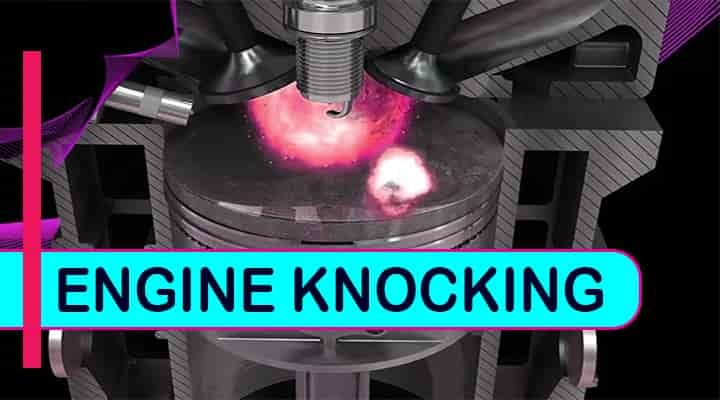
Cavitation is another possible source of pump damage. It occurs when vapor bubbles form and collapse in the coolant near the impeller. Repeated cavitation can erode pump surfaces and reduce cooling performance.
Steam from the engine bay
May indicate boiling coolant or fluid leaking onto a hot component.
Sweet coolant smell
Can indicate coolant escaping and evaporating near the engine.
Rust around the pump
May point to coolant contamination, corrosion, or poor cooling system maintenance.
Mineral deposits
Dried residue can show where coolant has escaped from a seal or gasket.
Can Coolant Contamination Damage a Water Pump?
Yes. Coolant contains additives that help protect metal parts, seals, and other cooling system components. As coolant ages, its protective properties can weaken.
Rust, dirt, debris, and incompatible coolant mixtures can damage the pump’s sealing surfaces. Follow the vehicle manufacturer’s coolant specification and service interval. Avoid mixing coolant types unless the manufacturer confirms that they are compatible.
Cold Cabin Heat and Other Less Obvious Symptoms
A heater that suddenly blows cool air can sometimes point to a coolant circulation problem. The cabin heater uses hot engine coolant to warm the air inside the vehicle. If coolant is low or flow is restricted, the heater may not receive enough heat.
However, weak cabin heat does not prove that the water pump has failed. Low coolant, trapped air, a blocked heater core, or a faulty heater control can create similar symptoms.
Some vehicles may also show unusual coolant temperature changes or reduced performance when the cooling system cannot control engine heat. These symptoms need a broader diagnosis rather than an automatic pump replacement.
Heater blows cold air
May indicate low coolant or poor circulation, but other heating system faults are possible.
Temperature gauge fluctuates
Can indicate trapped air, poor circulation, a thermostat issue, or another cooling system fault.
Repeated low coolant warnings
May indicate a leak somewhere in the cooling system.
Can a Bad Water Pump Cause Coolant to Enter the Engine Oil?
On certain engine designs, the water pump is mounted inside the engine. A failed pump seal can allow coolant to enter an internal engine area and potentially mix with the oil.
Signs may include milky or unusually cloudy engine oil, an oil level that rises without explanation, or coolant loss without an obvious external leak. These signs can also result from a damaged head gasket, oil cooler, or another internal fault.
Do not assume that the water pump is responsible. Coolant contamination can damage engine lubrication, so arrange a prompt professional inspection.
How to Check for a Failing Water Pump
You can perform a basic visual inspection to look for warning signs, but confirming pump failure may require professional testing. Start with the safest checks and avoid opening a hot cooling system.
Park the vehicle on level ground, switch off the engine, and allow it to cool completely. Keep your hands away from moving parts. If the engine has recently overheated, do not open the coolant reservoir or radiator cap.
Step 1: Check the coolant level
With the engine completely cold, inspect the coolant reservoir. The level should be within the manufacturer’s marked range. A low level may indicate a leak or another cooling system problem.
Step 2: Look for visible coolant leaks
Inspect accessible areas around the pump, hoses, radiator, and thermostat housing. Look for fresh moisture, dried coolant trails, and deposits.
Step 3: Check for unusual sounds
Listen from a safe distance for grinding, whining, or rattling noises. Do not reach near the running engine, belt, or fan.
Step 4: Observe the temperature gauge
Watch for temperature readings above the normal range during ordinary operation. Stop safely if an overheating warning appears.
Step 5: Inspect the drive belt when safe
With the engine off, a visual check may reveal a damaged, loose, or worn belt. Belt removal and pulley testing should be handled by someone with the correct service information and tools.
Step 6: Arrange a cooling system pressure test
A qualified technician can pressurize the cold cooling system with suitable equipment and look for leaks around the pump and other components.
Step 7: Request a pump and circulation inspection
The mechanic can inspect the bearing, shaft, impeller, pump drive, and coolant flow. Electric pumps may also need scan-tool testing and electrical checks.
What Does a Successful Water Pump Inspection Look Like?
A successful inspection should identify whether the pump leaks, makes abnormal noise, has bearing or pulley damage, or fails to circulate coolant correctly. The mechanic should also check for other faults that can create the same symptoms.
If the pump passes its tests, the next step is to investigate other cooling system parts. Replacing a water pump without finding the actual cause can waste money and leave the original problem unresolved.
Other Problems That Can Look Like Water Pump Failure
Several cooling system parts can produce symptoms that resemble a bad water pump. A proper diagnosis should check the whole system before approving a replacement.
The following comparison can help you understand why one warning sign may have several possible causes.
Faulty thermostat
A thermostat that stays closed can restrict coolant flow and cause overheating. A thermostat that stays open can prevent the engine from reaching its normal operating temperature.
Radiator blockage
A blocked radiator may not release enough heat, even when the water pump is working.
A failed electric fan or fan control can cause overheating, especially during slow traffic or when the vehicle is stationary.
Damaged radiator or coolant hose
A leaking hose, radiator tank, or connection can cause coolant loss that looks like a pump leak.
Faulty radiator cap
A damaged pressure cap may allow coolant to escape or affect system pressure.
Blown head gasket
A damaged head gasket can cause coolant loss, overheating, and coolant or combustion gas contamination.
Drive belt or tensioner problem
A loose or damaged belt can cause squealing and may prevent a belt-driven pump from operating correctly.
Air trapped in the cooling system
Air pockets can interfere with coolant flow and cause temperature changes or weak cabin heat.
Water Pump vs. Thermostat Failure
Both problems can cause overheating, but their failure mechanisms differ. A water pump moves coolant, while the thermostat controls when coolant flows through the radiator.
A damaged pump may leak, make bearing noise, or fail to circulate coolant. A stuck thermostat may restrict circulation even when the pump is mechanically sound. A technician can use temperature readings, pressure tests, and other checks to tell them apart.
Water Pump vs. Radiator Failure
A radiator problem often involves an external leak, internal blockage, or poor heat transfer. A water pump problem involves coolant movement through the system.
Both can lead to overheating. The location of a leak, the condition of the radiator, and the pump’s mechanical condition help identify the cause.
What Causes a Water Pump to Fail?
Water pumps wear out because of heat, pressure, friction, contamination, and mechanical stress. Some failures develop gradually, while others follow incorrect installation or another cooling system problem.
Understanding the cause matters because installing a new pump alone may not prevent another failure. The mechanic should look for the condition that damaged the original part.
Normal wear
The bearing and mechanical seal experience repeated movement, heat, and pressure during normal engine operation.
Poor coolant condition
Old, contaminated, or incorrect coolant can damage sealing surfaces and promote corrosion.
Incorrect coolant mixture
An unsuitable coolant mixture can reduce corrosion protection and affect pump performance.
Excessive belt tension
An overly tight belt can place extra load on the pump bearing and shorten its service life.
Cavitation damage
Collapsing vapor bubbles can erode the impeller and internal pump surfaces.
Incorrect installation
Poor gasket preparation, incorrect sealant use, improper alignment, or incorrect tightening can cause premature leaks or mechanical damage.
Electrical faults
An electric coolant pump may fail because of motor, wiring, connector, or electronic control problems.
Why Replacing the Pump May Not Fix the Problem
A new pump can fail early if contaminated coolant remains inside the cooling system. Rust, debris, and old sealant can damage the new pump’s sealing surfaces.
A belt that is too tight can also overload the new pump bearing. If overheating started because of a blocked radiator or faulty thermostat, replacing only the pump may leave the original fault in place.
The repair should address the pump and the underlying cause. Follow the vehicle manufacturer’s instructions for cleaning, flushing, coolant selection, belt adjustment, and installation.
Can You Drive With a Bad Water Pump?
Driving with a confirmed failing water pump is risky. If the pump cannot circulate coolant, the engine may overheat quickly. Continued driving can turn a relatively limited repair into major engine damage.
If the temperature gauge enters the red zone, an overheating warning appears, or steam comes from under the hood, pull over as soon as it is safe. Turn off the engine and arrange roadside assistance or a tow.
Never remove the radiator cap or coolant reservoir cap while the engine is hot. The cooling system can remain under pressure, and escaping coolant or steam can cause serious burns.
A brief emergency measure such as turning off the air conditioning and using the cabin heater may help you reach a safe stopping place if you cannot pull over immediately. It is not a repair and should not be used to continue a journey.
If you notice a minor coolant stain without overheating, arrange an inspection promptly. Do not assume that the vehicle is safe for a long trip just because the temperature gauge currently looks normal.
Stop and arrange a tow
Do this if the engine overheats, coolant pours out, steam appears, or the water pump makes severe mechanical noise.
Avoid repeated engine restarts
Restarting an overheated engine can increase the risk of further damage.
Wait for the engine to cool
Do not inspect or open a pressurized cooling system while it is hot.
Get the cause diagnosed
Have the pump and the rest of the cooling system checked before returning to normal driving.
What Damage Can an Overheating Engine Suffer?
Severe overheating can damage the head gasket and distort the cylinder head. It can also harm seals, plastic cooling system parts, and internal engine components.
If the engine continues running without enough coolant circulation, lubrication and temperature control can also become compromised. In extreme cases, the engine may seize and require major repair or replacement.
What Happens During Water Pump Replacement?
Water pump replacement involves more than removing the old part and installing a new one. The exact process depends on the vehicle’s engine design, pump location, and drive system.
A mechanic usually drains the coolant, removes the parts needed to access the pump, and inspects the mounting surface. The old pump is removed, and the replacement is installed using the correct gasket, seals, fasteners, and tightening procedure.
The cooling system is then refilled with the specified coolant. The technician must remove trapped air using the vehicle’s required bleeding procedure. Some vehicles need special equipment or an electronic pump activation procedure.
The repair should end with checks for leaks, correct coolant circulation, and stable operating temperature. The belt, pulleys, and nearby cooling system parts should also be inspected.
Water pump and gasket
The replacement pump should match the engine and use the correct sealing parts.
Coolant service
The system may need cleaning or flushing if the old coolant contains rust, debris, or contamination.
Drive belt inspection
The mechanic should check the belt, tensioner, and related pulleys for wear or damage.
Cooling system bleeding
Air must be removed according to the manufacturer’s procedure to prevent circulation and temperature problems.
Should You Replace the Timing Belt With the Water Pump?
It depends on how the water pump is driven. On some engines, the timing belt drives the water pump. Accessing the pump may require removing much of the timing belt system.
If the timing belt is close to its scheduled replacement interval, replacing the belt and related components during the same repair may make practical sense. This can avoid paying for much of the same labor again later.
However, not every water pump is driven by a timing belt. Some use a serpentine belt, a separate drive, or an electric motor. Follow the vehicle’s maintenance schedule and service instructions rather than replacing parts automatically.
How to Prevent Water Pump Failure
Good cooling system maintenance can reduce the risk of premature pump failure. The goal is to protect the seals, bearing, impeller, and housing while keeping coolant moving through a clean system.
Follow the service schedule in your owner’s manual. Coolant replacement intervals differ by vehicle, engine, and coolant specification. There is no single interval that applies to every car.
Pay attention to small leaks and unusual sounds. A minor leak can allow coolant to reach the bearing and damage its lubrication. Fixing a leak early may help prevent further damage to nearby parts.
Use the correct coolant
Choose the coolant specification approved for your vehicle. Do not select a product based only on its color.
Replace coolant on schedule
Old coolant can lose protective properties and allow rust, corrosion, and deposits to develop.
Avoid mixing incompatible coolants
Use the mixture and coolant type required by the vehicle manufacturer.
Check belts and pulleys
Keep the pump drive system in good condition and use the correct belt tension.
Repair leaks quickly
Do not ignore a falling coolant level or repeated coolant stains around the engine.
Inspect the cooling system
Check hoses, radiator connections, the reservoir, and accessible pump areas during routine maintenance.
Does a Water Pump Have a Replacement Interval?
Some vehicles have a recommended water pump replacement interval or require pump replacement as part of scheduled timing belt service. Other vehicles do not list a separate routine replacement interval.
The pump’s expected service life depends on its design, coolant condition, installation quality, and driving conditions. Check the maintenance schedule for the exact engine rather than relying on a universal mileage estimate.
Frequently Asked Questions
Q
What are the first signs of a failing water pump?
Early signs may include a small coolant leak, dried coolant deposits around the pump, unusual whining sounds, or a coolant reservoir level that keeps dropping. You may also notice that the engine temperature is less stable than normal.
These signs do not confirm pump failure by themselves. A mechanic should inspect the pump and check the complete cooling system.
Q
Can a water pump fail without leaking coolant?
Yes. A water pump can have a damaged impeller, worn bearing, seized shaft, or another internal problem without producing an external coolant leak.
A pump that cannot move enough coolant may cause overheating even when the housing looks dry. A professional inspection can confirm whether the pump is responsible.
Q
How long can a car run with a bad water pump?
There is no safe driving distance once a water pump failure causes overheating or serious coolant loss. The engine may suffer damage in a short time, depending on the fault and driving conditions.
Pull over safely, switch off the engine, and arrange a tow if the vehicle overheats. Do not keep driving to reach a repair shop.
Q
Does a bad water pump cause a check engine light?
A mechanical water pump does not always trigger a dedicated check engine light. However, overheating or abnormal coolant temperature readings may trigger warning messages or diagnostic trouble codes.
Some modern vehicles use electric coolant pumps. A pump motor, wiring, or control fault may produce specific diagnostic codes. A scan tool and vehicle-specific service information can help identify the problem.
Q
What is the difference between a bad water pump and a bad thermostat?
The water pump moves coolant through the engine, while the thermostat controls coolant flow between the engine and radiator. Both components can cause overheating when they fail.
A leaking pump, damaged impeller, or noisy bearing can suggest pump trouble. A thermostat that sticks closed can restrict coolant flow even when the pump works correctly. Proper testing is needed to identify the failed part.
Q
Should I replace the water pump and timing belt together?
If the timing belt drives the water pump, replacing both during the same service may be sensible when the timing belt is near its scheduled replacement interval. The tensioner and other related components may also need attention.
If the pump uses a different drive system, the timing belt may not need replacement. Follow the manufacturer’s maintenance schedule and the mechanic’s inspection findings.
✦ Wrapping Up
Conclusion
Water pump failure can begin with a small coolant leak, an unusual engine noise, or a gradual change in operating temperature. More serious symptoms include overheating, steam under the hood, repeated coolant loss, and signs of internal engine contamination. Recognizing these warning signs can help you address the problem before it causes major damage.
Remember that other cooling system problems can create similar symptoms. A faulty thermostat, radiator, cooling fan, hose, or head gasket may be responsible. A proper diagnosis should examine the pump and the entire cooling system rather than relying on one warning sign.
Good maintenance also matters. Use the correct coolant, follow the manufacturer’s service schedule, inspect belts and hoses, and repair leaks promptly. If your engine overheats, stop safely and arrange professional help instead of risking further damage.
💡 Key Takeaway
Check the coolant level only when the engine is completely cold. Look for visible leaks, dried coolant deposits, and unusual noises without touching moving parts. If the temperature gauge rises above normal, a warning light appears, or steam comes from under the hood, stop driving and arrange a tow. Ask a qualified mechanic to inspect the water pump, test the cooling system, and identify the cause before replacing parts.
About john Adword
John Adword has tested and reviewed car seat covers and interior accessories for 5 years, evaluating fit, material performance, and long-term wear across a range of vehicles and climates. His testing approach follows the same methodology used across car Reviewer Plus's product reviews — hands-on installation, real-world use, and comparison against manufacturer claims — with an ongoing focus on tracking new seat cover materials and cooling technology as they come to market.