
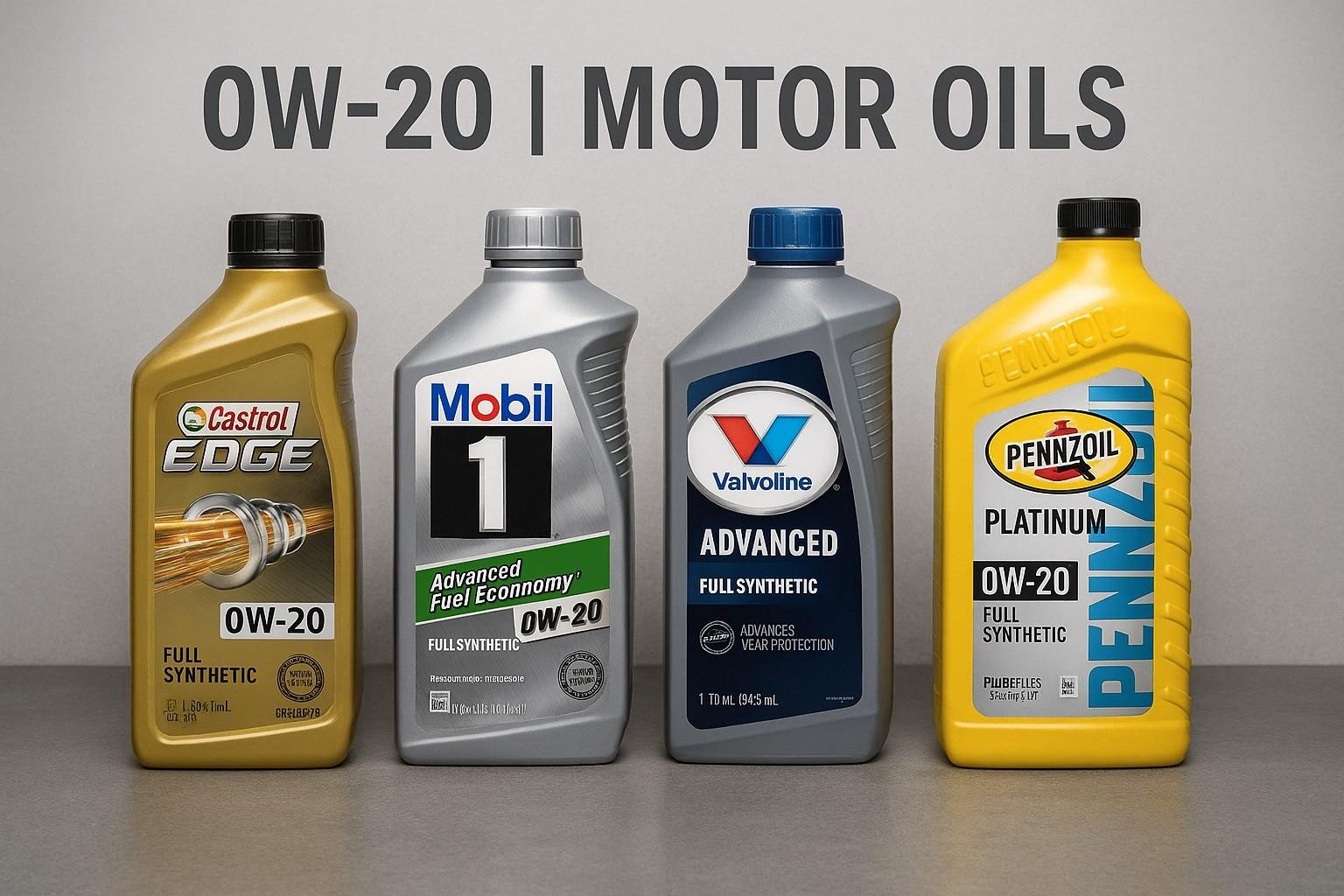
When drivers ask, “What Does 0W-20 Mean on Engine Oil,” they are usually looking at the numbers printed on a motor oil bottle and trying to understand what they mean for their car. These numbers describe the oil’s viscosity, or how easily it flows at different temperatures.
From working with vehicle maintenance topics, one thing becomes clear: choosing the correct oil grade matters more than choosing the thickest oil. Modern engines are built with precise parts and often need a specific oil flow rate to work properly.

What Does 0W-20 Mean on Engine Oil?
The answer to “What Does 0W-20 Mean on Engine Oil” starts with understanding viscosity. Viscosity tells us how thick or thin oil is and how easily it moves through an engine.
The 0W-20 label is an SAE viscosity grade. The first part, 0W, shows how the oil performs in cold temperatures. The second part, 20, shows how thick the oil remains when the engine reaches normal operating temperature.
- ✦ 0W Rating
The 0W rating means the oil can flow quickly during cold starts, helping protect engine parts when temperatures are low.
- ✦ 20 Rating
The 20 rating means the oil has a lower thickness level at high engine temperatures compared with heavier oils.
- ✦ Multi-Grade Oil
0W-20 is a multi-grade oil that works across different temperature conditions instead of being designed for only hot or cold weather.
How Engine Oil Viscosity Ratings Work
To fully understand what does 0W-20 mean on engine oil, it helps to understand how viscosity ratings are tested. The Society of Automotive Engineers (SAE) created a system that helps drivers compare oil performance.
Engine oil becomes thinner as it heats up and thicker as it cools down. A 0W-20 oil is designed to stay fluid during cold starts while still providing protection when the engine is hot.
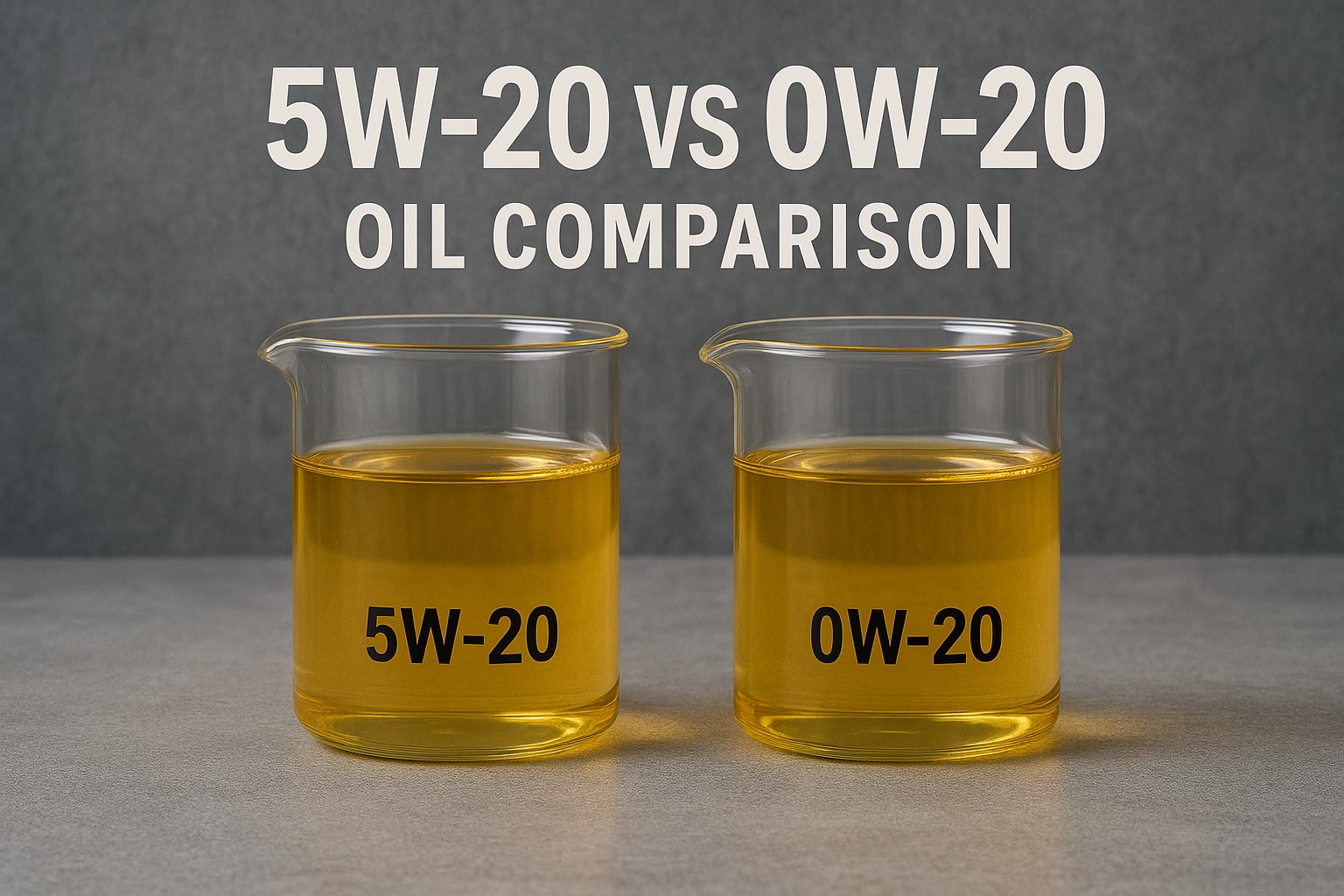
- ✦ Cold Temperature Flow
The number before the letter W shows how the oil behaves during winter or cold conditions.
- ✦ Hot Temperature Protection
The number after W shows the oil thickness after the engine reaches operating temperature.
Why the Letter W Matters
The W does not mean weight. It stands for winter. It explains how the oil performs when temperatures drop.
- ✦ Winter Performance
A lower first number means better cold-flow performance.
Why Do Modern Cars Use 0W-20 Engine Oil?
Many newer vehicles in the United States recommend 0W-20 because modern engines are designed with smaller gaps between moving parts. Thin oil can reach these areas quickly after startup.
Automakers often choose 0W-20 to balance engine protection, fuel economy, and emissions goals. Hybrid vehicles and many compact cars commonly use this oil grade.

- ✦ Faster Engine Lubrication
0W-20 moves quickly through the engine after startup, reducing the time parts operate with limited lubrication.
- ✦ Fuel Efficiency Support
Lower-viscosity oils create less resistance, which may help engines use fuel more efficiently.
- ✦ Modern Engine Design
Many newer engines are engineered specifically around thinner oils like 0W-20.
Benefits of Using 0W-20 Motor Oil
Understanding what does 0W-20 mean on engine oil also helps explain why manufacturers recommend it. This oil grade provides several benefits when used in the correct vehicle.
The benefits are strongest when the engine was designed for low-viscosity oil. Using it in an engine that requires a different grade may not provide the same results.

- ✦ Better Cold Starts
The oil reaches important engine components quickly during cold weather starts.
- ✦ Reduced Internal Friction
A lighter oil can reduce resistance between moving parts inside the engine.
- ✦ Improved Efficiency
Some engines can achieve better fuel economy with the correct low-viscosity oil.
0W-20 vs Other Engine Oil Grades
Drivers often compare 0W-20 with oils like 5W-20 or 5W-30. The main difference is how the oil flows during cold temperatures and how thick it stays during operation.
A thicker oil is not always better. The correct choice depends on engine design, climate, driving habits, and manufacturer recommendations.
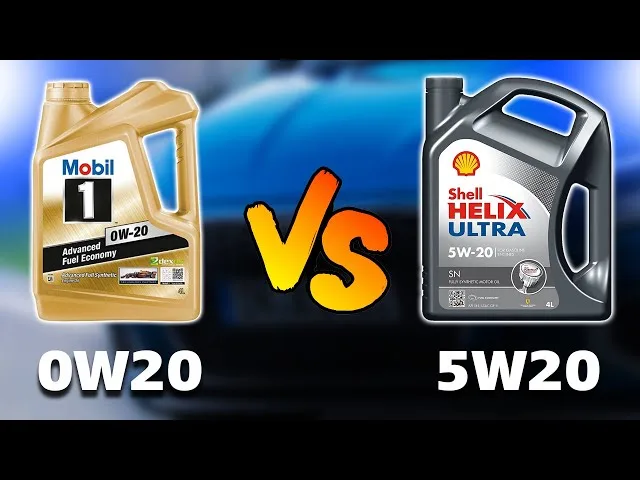
- ✦ 0W-20 vs 5W-20
Both oils have similar hot-temperature thickness, but 0W-20 flows better in colder conditions.
- ✦ 0W-20 vs 5W-30
5W-30 is thicker at operating temperature and may be recommended for engines designed for heavier protection.
Can You Replace 5W-20 With 0W-20?
Some vehicles allow both grades, but you should always check the owner’s manual first. Oil requirements are based on engine testing, not personal preference.
- ✦ Check Manufacturer Guidelines
Use the oil grade listed by the vehicle manufacturer for the best protection.
Is 0W-20 Good for Your Engine?
The answer depends on your vehicle. If your manufacturer recommends 0W-20, then this oil is designed to provide the right balance of flow and protection.
Using a different oil grade without checking can change how oil moves through the engine. This may affect performance, especially in engines with precise lubrication requirements.
- ✦ Good Choice For
Many newer passenger cars, hybrids, and fuel-efficient engines that specify 0W-20.
- ✦ Avoid Guessing
Do not switch oil grades only because one oil appears thicker or thinner.
