When drivers ask, What Is a Catalytic Converter and What Does It Do, they usually want to understand one important part of their vehicle’s exhaust system. This small device plays a major role in reducing pollution and helping modern cars meet emission rules in the United States.
From my experience studying automotive systems, I have seen many drivers ignore the catalytic converter until a check engine light appears. Understanding how it works can help you spot problems early, avoid expensive repairs, and keep your vehicle running properly.

What Is a Catalytic Converter?
A catalytic converter is a metal container in your vehicle’s exhaust system. It sits between the engine and the tailpipe. Its main job is to clean harmful gases before they enter the air.
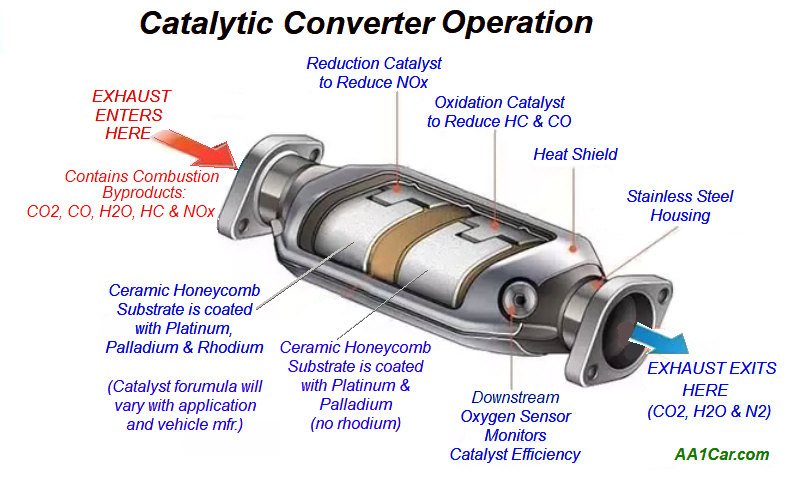
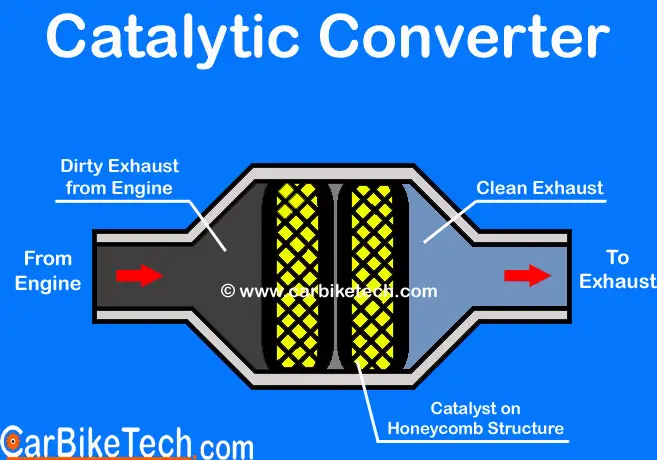
The device uses a chemical process called catalysis. Inside the converter, a coated honeycomb structure helps gases pass over special metals that create chemical reactions.
- ✦ Main purpose
The catalytic converter lowers harmful emissions created during fuel combustion.
- ✦ Common location
Most vehicles place the catalytic converter close to the engine so it reaches operating temperature quickly.
- ✦ Vehicles that use them
Most gasoline and diesel vehicles use catalytic converters as part of their emissions systems.
Why Was the Catalytic Converter Created?
Cars produce gases that can harm air quality. In the past, vehicle exhaust created higher levels of pollutants in many cities. Catalytic converters became an important technology for reducing these emissions.
In the United States, emission standards pushed manufacturers to develop cleaner exhaust systems. Today, catalytic converters are a standard part of most modern vehicles.
What Does a Catalytic Converter Do?
The answer to What Is a Catalytic Converter and What Does It Do comes down to one key function: it transforms harmful exhaust gases into less harmful substances. It does not remove all emissions, but it greatly reduces dangerous pollutants.
The catalytic converter works after combustion. Exhaust gases leave the engine and pass through the converter, where chemical reactions change their composition before they exit the tailpipe.
- ✦ Converts carbon monoxide
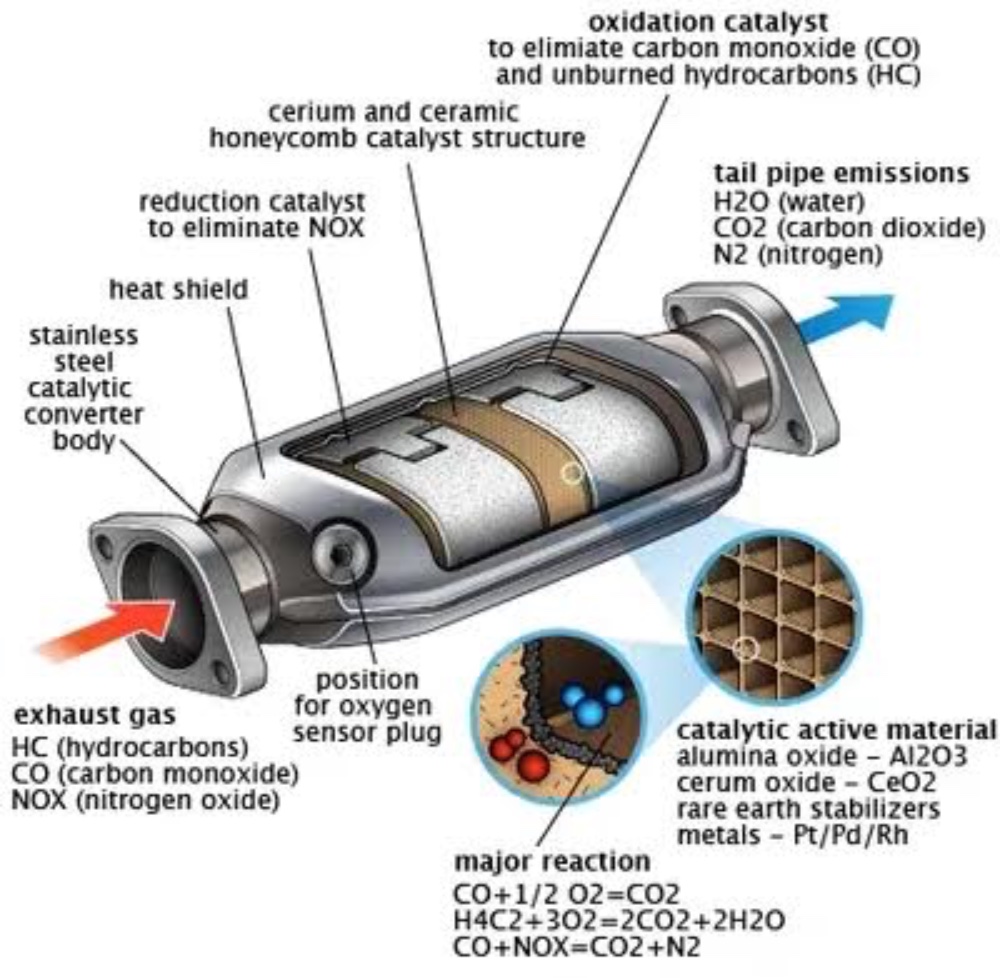
It changes carbon monoxide into carbon dioxide, which is less harmful to humans.
- ✦ Reduces hydrocarbons
It breaks down unburned fuel particles that contribute to pollution.
- ✦ Controls nitrogen oxides
It helps reduce nitrogen oxide gases that contribute to smog.
How the Chemical Process Works
Inside the catalytic converter, exhaust gases contact catalyst metals. These metals help chemical reactions happen faster without being consumed during the process.
The three-way catalytic converter used in many gasoline cars handles three major pollutants at the same time: carbon monoxide, hydrocarbons, and nitrogen oxides.
How Does a Catalytic Converter Work Inside Your Car?
A catalytic converter works by using a ceramic honeycomb coated with precious metals. This design creates a large surface area while keeping airflow efficient.
When hot exhaust gases move through the converter, the catalyst materials help change harmful chemicals into safer gases. The process requires high heat, which is why converters usually sit close to the engine.
- ✦ Ceramic honeycomb
The honeycomb shape allows gases to contact more catalyst material.
- ✦ Catalyst metals
Platinum, palladium, and rhodium help create the chemical reactions needed for emission control.
- ✦ Heat requirement
The converter must reach a certain temperature before it works effectively.
Three-Way Catalytic Converters
Most gasoline vehicles use three-way catalytic converters. They perform three chemical jobs in one unit by controlling three major pollutants.
Engine computers adjust fuel and air levels to help the converter work correctly. Problems with sensors or engine performance can reduce converter efficiency.
Where Is the Catalytic Converter Located?
The catalytic converter is usually located underneath the vehicle between the exhaust manifold and the muffler. Its exact position depends on the vehicle design.
Many modern cars place converters close to the engine because heat helps them start working faster after a cold start.

- ✦ Near the engine
This location helps the converter reach operating temperature quickly.
- ✦ Under the vehicle
Some vehicles have additional converters farther along the exhaust system.
Signs of a Bad or Failing Catalytic Converter
A damaged catalytic converter can affect engine performance and increase emissions. Many problems start slowly, so drivers may notice small changes before a major failure occurs.
If you understand What Is a Catalytic Converter and What Does It Do, you can better recognize when this important exhaust component needs attention.

- ✦ Check engine light
A failed converter can trigger warning codes related to emissions efficiency.
- ✦ Reduced engine power
A clogged converter can restrict exhaust flow and make the engine feel weak.
- ✦ Poor fuel economy
Exhaust restrictions may force the engine to work harder.
- ✦ Strange smells
A failing converter may create a sulfur-like smell from the exhaust.
Common Causes of Catalytic Converter Failure
Catalytic converters often fail because of problems elsewhere in the vehicle. Misfires, oil burning, and fuel system issues can damage the converter over time.
Replacing only the converter without fixing the original cause may lead to another failure.
How to Protect Your Catalytic Converter
A catalytic converter can last many years when the engine and exhaust system receive proper care. Preventive maintenance is usually less expensive than replacing a damaged converter.
Drivers should focus on keeping the engine healthy because many converter failures begin with untreated engine problems.
- ✦ Fix engine misfires quickly
Unburned fuel can overheat and damage the converter.
- ✦ Maintain the fuel system
Proper fuel delivery helps reduce harmful exhaust conditions.
- ✦ Use recommended maintenance schedules
Regular inspections help identify problems before they become expensive.