
A hybrid powertrain combines an internal combustion engine with electric motors and a battery system.
When drivers ask what is a hybrid powertrain, they usually want to understand how a vehicle can use both gasoline and electricity to move. A hybrid powertrain is a system that blends traditional engine technology with electric drive components to improve efficiency, reduce fuel consumption, and provide smoother performance.
From my experience studying automotive systems, the biggest change with hybrid technology is not just the addition of a battery. The real innovation comes from how the vehicle manages power between the engine, electric motor, and energy storage system. Modern hybrids can recover energy during braking and use it when it helps the vehicle most.
In the United States, hybrid vehicles have become a practical choice for drivers who want better fuel economy without changing completely to an electric vehicle. They fit easily into daily routines because most hybrids do not require charging and can operate using gasoline when needed.

What Is a Hybrid Powertrain and How Does It Work?
A hybrid powertrain is a vehicle system that uses two sources of power: a gasoline engine and an electric motor. The vehicle control system decides when to use each power source based on speed, battery charge, and driving conditions.
Unlike a traditional gasoline vehicle, a hybrid can turn off the engine during stops, use electric power at low speeds, and recover energy while braking. This helps reduce wasted fuel during everyday driving.
The main goal of a hybrid powertrain is to make the vehicle more efficient while maintaining the convenience of a gasoline-powered car.
- ✦ Gasoline Engine
The engine provides power for longer drives, higher speeds, and situations where more energy is needed.
- ✦ Electric Motor
The electric motor assists the engine, provides additional torque, and can move the vehicle in certain situations.
- ✦ Battery Pack
The battery stores electrical energy collected from regenerative braking and engine charging systems.
- ✦ Power Control Unit
The control system manages when electricity, gasoline, or both should power the vehicle.
The Role of Regenerative Braking
Regenerative braking is one of the key features that makes a hybrid powertrain different from a standard vehicle. Instead of losing braking energy as heat, the system converts some of that energy into electricity.
This stored energy can later help power the electric motor, improving efficiency during city driving.
- ✦ Energy Recovery
The electric motor works as a generator during braking and sends energy back to the battery.
Main Components of a Hybrid Powertrain System
A hybrid powertrain contains several connected parts that work together as one system. Each component has a specific role in producing efficient vehicle movement.
Understanding these parts helps explain why hybrid vehicles can achieve better fuel economy than many conventional vehicles.

- ✦ Internal Combustion Engine
The gasoline engine works with the electric system to provide reliable power for different driving conditions.
- ✦ Electric Generator
The generator produces electricity and helps recharge the hybrid battery system.
- ✦ High Voltage Battery
The battery stores electrical energy used by the electric motor.
Why Hybrid Components Work Better Together
The strength of a hybrid powertrain comes from cooperation between components. The engine handles tasks where gasoline power is effective, while the electric motor helps during situations where electric power saves fuel.
This teamwork allows hybrid vehicles to avoid some energy losses found in traditional vehicles.
Different Types of Hybrid Powertrains
Not all hybrid vehicles use the same design. Automakers create different hybrid powertrain systems depending on performance goals, cost, and driving needs.
The most common types include full hybrids, plug-in hybrids, mild hybrids, series hybrids, and parallel hybrids.

- ✦ Full Hybrid (HEV)
A full hybrid can drive using gasoline power, electric power, or a combination of both without external charging.
- ✦ Plug-In Hybrid (PHEV)
A plug-in hybrid has a larger battery that can be charged from an external power source.
- ✦ Mild Hybrid
A mild hybrid uses a smaller electric motor mainly to support the engine and improve efficiency.
Series Hybrid vs Parallel Hybrid
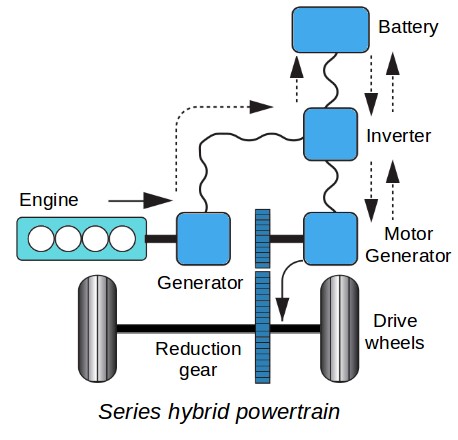
A series hybrid uses the gasoline engine mainly to generate electricity, while the electric motor drives the wheels. A parallel hybrid allows both the engine and electric motor to directly provide power to the wheels.
Many modern vehicles use a combination design called a series-parallel hybrid because it offers flexibility in different driving conditions.
Benefits of a Hybrid Powertrain
A hybrid powertrain offers several advantages for drivers who want improved efficiency without depending only on electric charging. These benefits explain why hybrid vehicles remain popular in many markets.
For many U.S. drivers, the biggest advantage is lower fuel use during daily commuting, especially in stop-and-go traffic.

- ✦ Better Fuel Economy
Hybrid vehicles use electric assistance to reduce gasoline consumption.
- ✦ Lower Emissions
Using less fuel can reduce the amount of exhaust emissions produced by the vehicle.
- ✦ Smooth Driving Experience
Electric motors provide instant torque, which can make acceleration feel quicker and smoother.
- ✦ No Charging Requirement for Many Models
Traditional hybrids recharge themselves through braking and engine operation.
Limitations of Hybrid Powertrain Technology
Although hybrid powertrains provide many benefits, they also have some limitations. Buyers should understand these factors before choosing a hybrid vehicle.
Hybrid systems include more complex components than traditional vehicles, which can affect repair costs and maintenance needs.
- ✦ Higher Purchase Cost
Hybrid vehicles often cost more upfront because they include advanced battery and electric systems.
- ✦ Battery Replacement Concerns
Hybrid batteries are designed for long service life but may eventually require replacement.
- ✦ Less Suitable for Some Driving Styles
Drivers who mainly travel long highway distances may see smaller efficiency gains compared with city drivers.
Hybrid Powertrain vs Electric Vehicle Powertrain
A hybrid powertrain and a fully electric vehicle powertrain both use electric motors, but they work differently. A hybrid still depends on gasoline, while an electric vehicle uses only battery power.
For drivers who want electric assistance without changing charging habits, a hybrid can offer a balanced solution.

- ✦ Hybrid Vehicle
Uses gasoline and electricity together for flexible operation.
- ✦ Electric Vehicle
Uses only electricity stored in a large battery pack.
