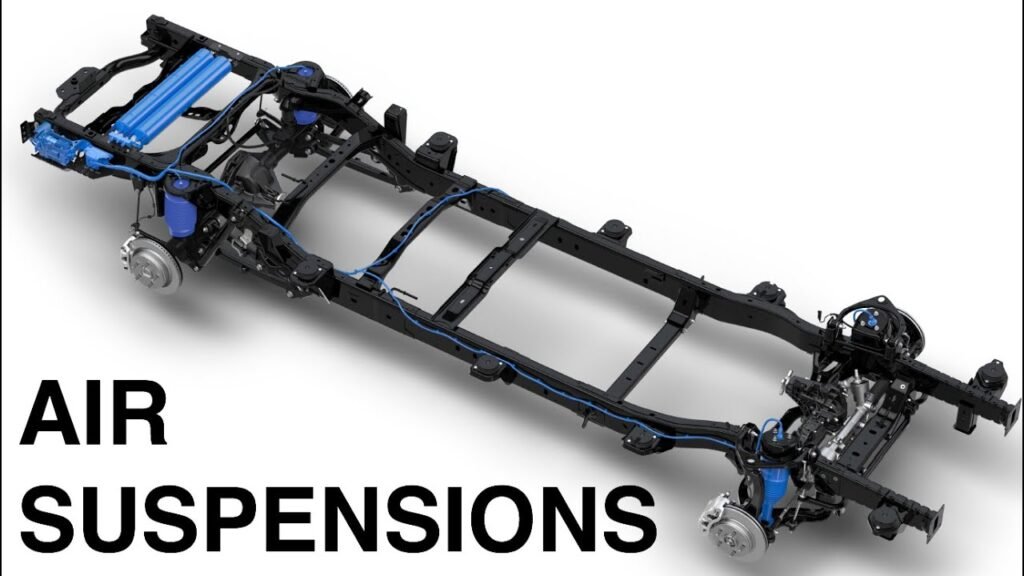
If you have ever wondered what is air suspension in a car, it is a modern suspension technology designed to improve comfort, handling, and ride height control. Instead of using regular coil springs, an air suspension system uses compressed air inside flexible rubber air springs. These components can change pressure to match driving conditions.
In the U.S., air suspension is common in luxury vehicles, SUVs, performance cars, and some trucks. From my experience studying automotive systems, the biggest advantage drivers notice is the smoother ride quality. However, understanding the system before buying or repairing a vehicle is important because air suspension has unique maintenance needs.

What Is Air Suspension in a Car and How Does It Work?
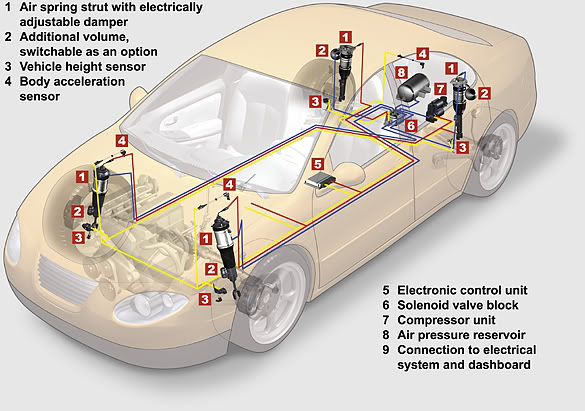
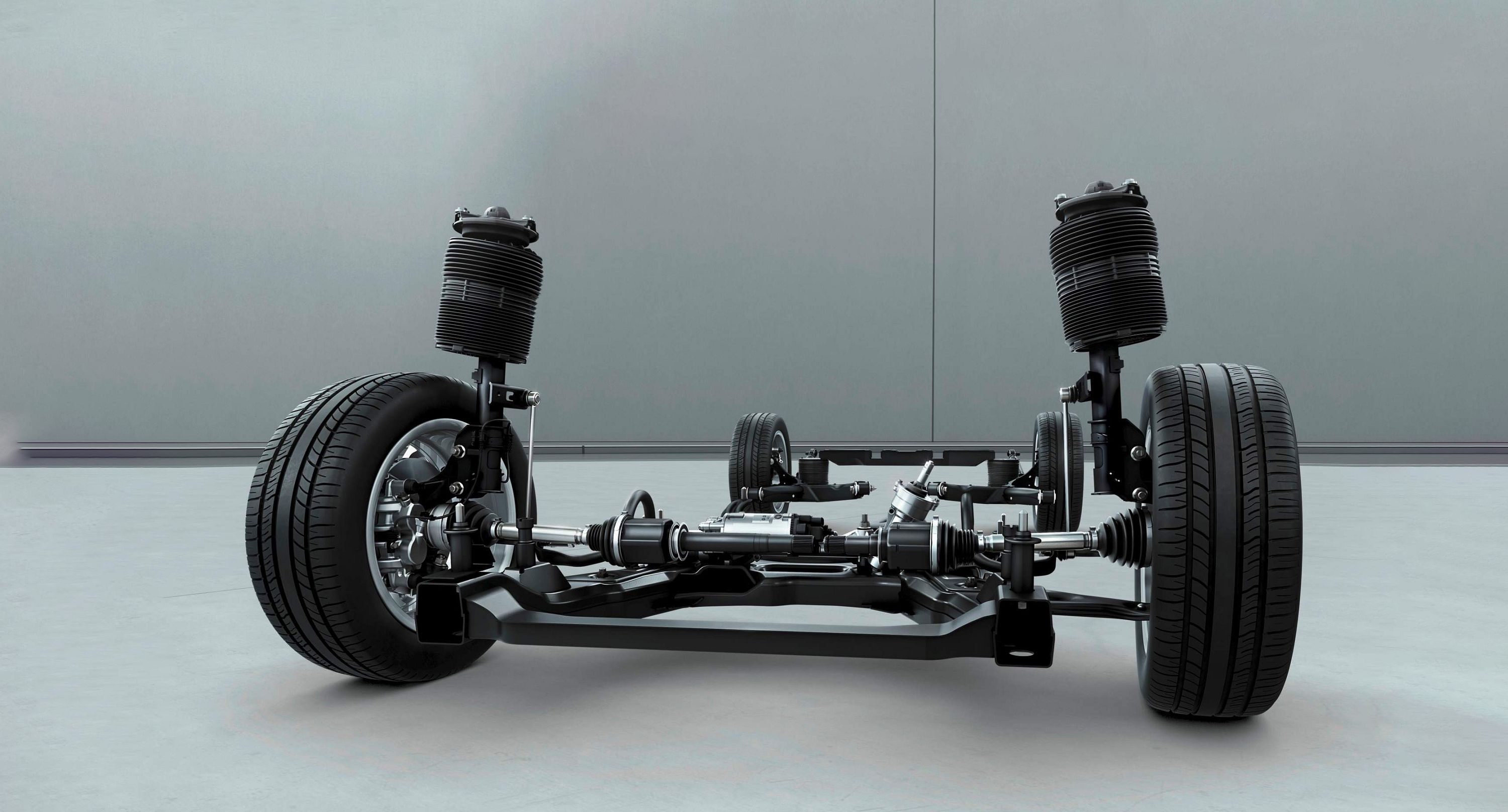
What is air suspension in a car? It is a suspension setup that uses compressed air to replace traditional metal springs. The system uses air bags, an air compressor, valves, sensors, and an electronic control unit to manage the vehicle’s ride height.
When the car detects changes in road conditions or weight, the control system adjusts the amount of air inside each air spring. This helps maintain a balanced ride and keeps the vehicle at the correct height.

- ✦ Air Springs
Flexible rubber air bags filled with compressed air support the vehicle’s weight and replace traditional coil springs.
- ✦ Air Compressor
The compressor creates compressed air and sends it through the system when adjustments are needed.
- ✦ Electronic Controls
Sensors and control modules monitor height, load, and road conditions to adjust suspension settings.
The Basic Process of Air Suspension Adjustment
When a vehicle carries extra passengers or cargo, sensors detect changes in height. The system then adds or removes air from the air bags to keep the vehicle level.
Many newer vehicles also allow drivers to choose comfort, sport, or off-road modes. Each mode changes how the suspension reacts to create a different driving experience.
- ✦ Automatic Height Control
The vehicle can raise or lower itself based on speed, road conditions, or driver settings.
Main Components of an Air Suspension System
Understanding the parts helps explain what is air suspension in a car and why it works differently from a normal suspension system. Each component has a specific role in maintaining comfort and control.
Unlike simple mechanical suspension systems, air suspension depends on both physical parts and electronic systems working together. A failure in one component can affect the entire ride quality.
- ✦ Air Bags
Air bags act like adjustable springs and absorb road impacts while supporting the vehicle body.
- ✦ Height Sensors
Sensors measure the distance between the vehicle body and wheels to maintain proper ride height.
- ✦ Control Module
The computer controls when air enters or leaves the suspension system.
Why These Components Matter
A traditional suspension system mainly relies on fixed springs and shocks. Air suspension adds flexibility by allowing the vehicle to change its setup depending on driving needs.
- ✦ Better Adaptability
The system can adjust for different road surfaces and driving situations.
Benefits of Air Suspension in Modern Vehicles
The main reason manufacturers use air suspension is to improve driving comfort and vehicle performance. Many luxury brands use this technology because it creates a smoother and quieter ride.
For American drivers who spend long hours on highways, air suspension can reduce road vibration and provide a more comfortable driving experience.
- ✦ Improved Ride Comfort
Air suspension absorbs bumps and road imperfections better than many traditional spring systems.
- ✦ Adjustable Ride Height
Drivers can raise the vehicle for rough roads or lower it for better highway performance.
- ✦ Better Load Management
The system keeps vehicles level when carrying passengers, luggage, or heavy equipment.
Common Air Suspension Problems and Warning Signs
While air suspension provides many advantages, it can develop problems over time. The system has more parts than a traditional suspension, which means there are more possible failure points.
Knowing the warning signs can help prevent expensive repairs. A vehicle that sits lower on one side or feels unusually rough may have an air suspension issue.

- ✦ Air Leaks
Cracks or damage in air bags and air lines can cause the vehicle to lose pressure.
- ✦ Compressor Failure
A worn compressor may struggle to maintain air pressure or stop working completely.
- ✦ Uneven Vehicle Height
A corner of the vehicle sitting lower than others can indicate a suspension fault.
Signs Your Air Suspension Needs Inspection
Common signs include warning lights, unusual noises, slow height adjustments, and a rougher ride than normal. Regular inspections can help identify small issues before they become major repairs.
- ✦ Dashboard Warning Light
Many vehicles alert drivers when the air suspension control system detects a problem.
Air Suspension vs Traditional Suspension Systems
The difference between air suspension and traditional suspension comes down to flexibility. Coil springs have a fixed design, while air suspension can change based on driving conditions.
Traditional systems are often simpler and cheaper to repair. Air suspension provides more control and comfort but requires more advanced parts and technology.
- ✦ Air Suspension Advantage
Provides adjustable comfort, better load control, and automatic ride height changes.
- ✦ Traditional Suspension Advantage
Usually costs less to maintain because it uses fewer electronic and mechanical components.
Is Air Suspension Worth It for Your Vehicle?
Whether air suspension is worth it depends on your driving needs, budget, and expectations. Drivers who value comfort, towing ability, or adjustable height may find it very useful.
For daily commuters focused mainly on low maintenance costs, a traditional suspension may be a better fit. The best choice depends on how you use your vehicle.
- ✦ Good Choice For
Luxury vehicles, SUVs, towing vehicles, and drivers who want maximum comfort.
- ✦ Less Ideal For
Drivers who prioritize simple repairs and lower ownership costs.