
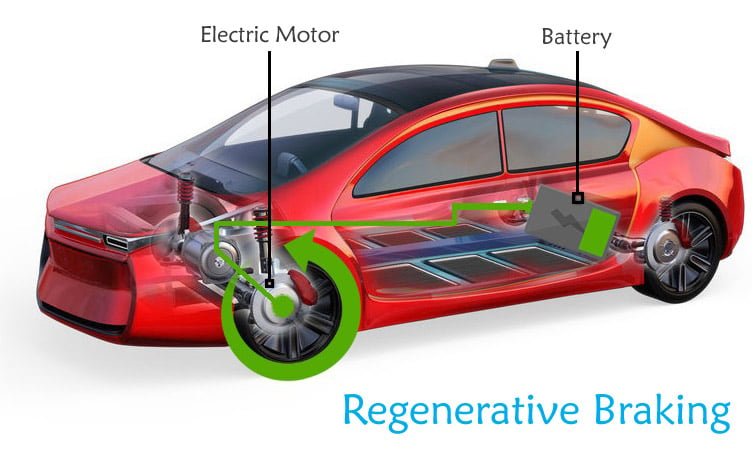
If you drive an electric vehicle in the United States, you may notice that the car slows down when you lift your foot from the accelerator. This smooth slowing effect is not only about comfort. It is a smart energy recovery system called regenerative braking.
What Is Regenerative Braking in Electric Vehicles is one of the most common questions from new EV owners. In simple terms, this technology captures energy that would normally disappear as heat during braking and stores it in the battery for later use. From testing EV technology and studying modern vehicle systems, I have found that regenerative braking is one of the key features that makes electric cars more efficient than traditional gasoline vehicles.
 display: block; margin: 0 auto; border-radius: 12px; box-shadow: 0 8px 25px rgba(0, 0, 0, 0.12);”>
What Is Regenerative Braking in Electric Vehicles?
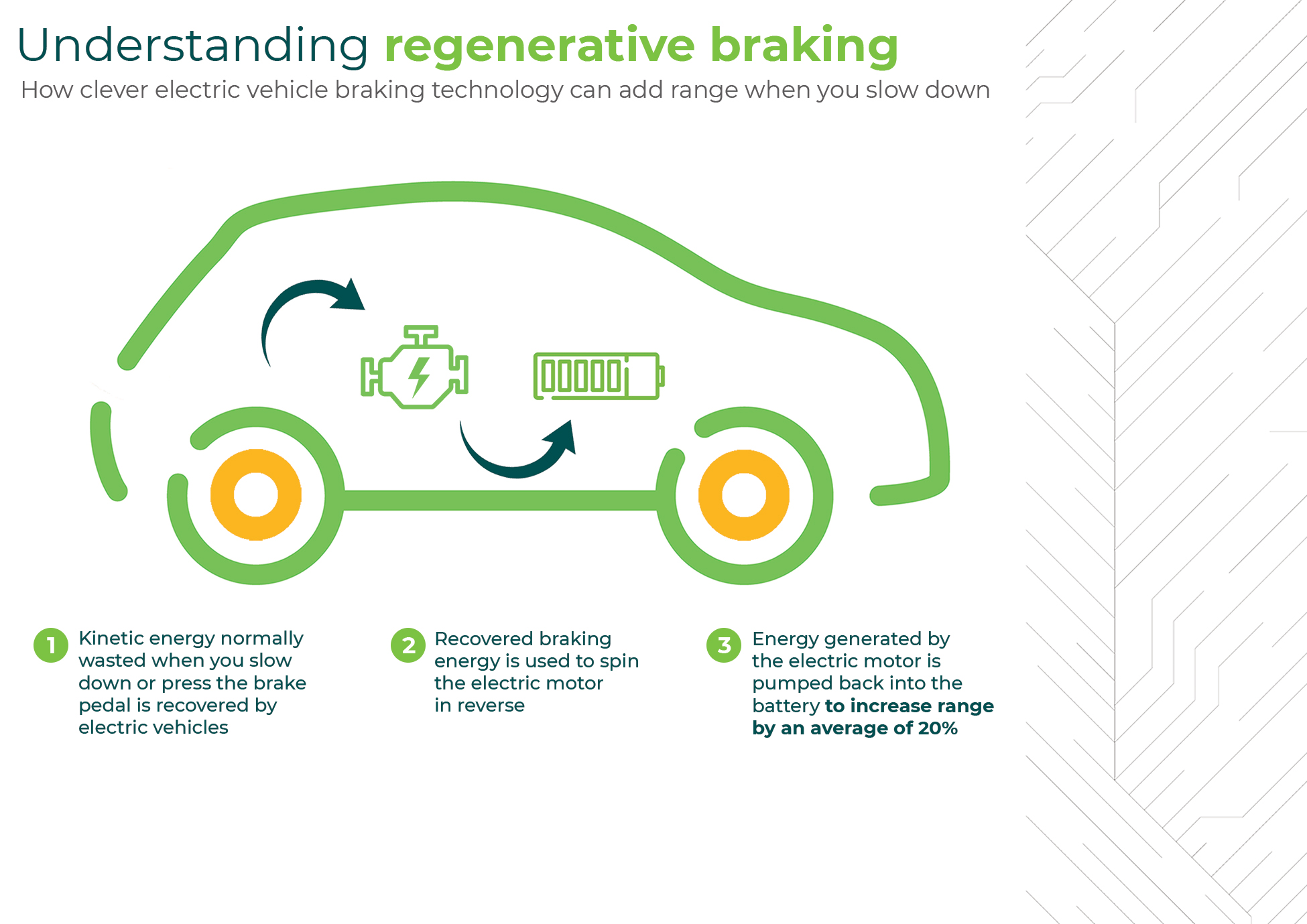
What Is Regenerative Braking in Electric Vehicles can be explained as a system that turns the electric motor into a generator during braking. Instead of wasting motion energy as heat through brake pads, the vehicle converts part of that energy into electrical power.
In a traditional gasoline car, braking creates friction between brake pads and discs. This friction slows the vehicle but wastes energy as heat. In an electric vehicle, regenerative braking uses the natural ability of the electric motor to reverse its operation and recover energy.
- ✦ Energy recovery
The system captures some of the vehicle’s movement energy and sends it back to the battery.
- ✦ Motor operation change
The electric motor works like a generator when the vehicle slows down.
- ✦ Reduced energy waste
Less energy is lost compared with traditional friction-only braking systems.
How Does Regenerative Braking Work?
Regenerative braking works through a simple but advanced process. When a driver releases the accelerator or presses the brake pedal, the EV control system reduces power to the motor and changes the motor’s role.
The moving wheels continue turning the motor, which creates electrical energy. The recovered electricity passes through power electronics and returns to the high-voltage battery pack.
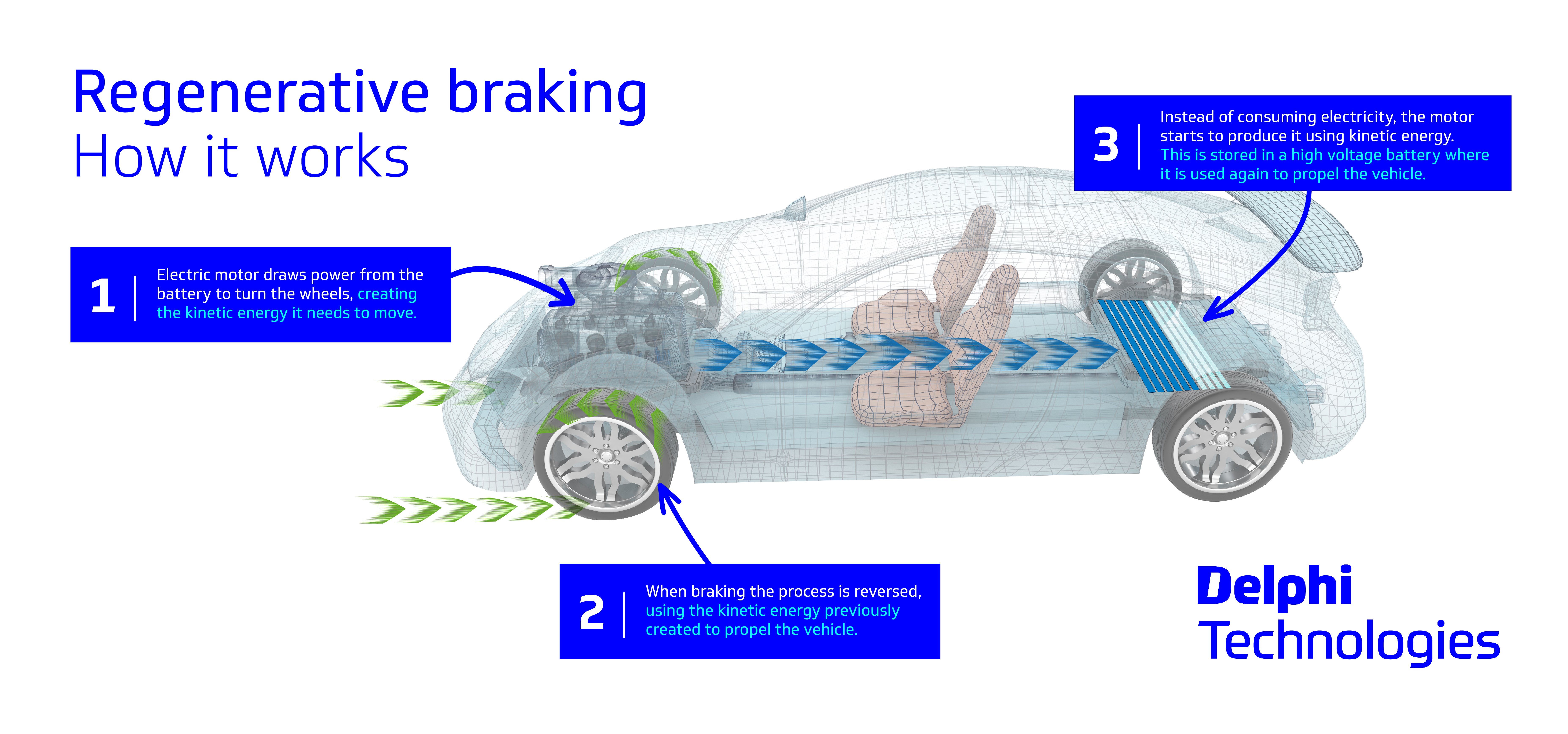
- ✦ Step 1: Vehicle slows down
The driver reduces speed by lifting the accelerator or applying the brake.
- ✦ Step 2: Motor becomes a generator
The electric motor uses the wheel movement to create electricity.
- ✦ Step 3: Battery stores energy
The recovered electricity is stored for future driving.
The Role of the Electric Motor
The electric motor is the heart of regenerative braking. During acceleration, it uses battery power to move the vehicle. During braking, it performs the opposite task by producing electricity from movement.
- ✦ Motor as generator
The motor changes mechanical energy into electrical energy during deceleration.
Why Do Electric Vehicles Use Regenerative Braking?
Electric vehicles use regenerative braking because it improves energy efficiency. Every time a vehicle slows down, there is an opportunity to recover some energy instead of losing it.
This feature is especially useful in city driving. Frequent stops at traffic lights and intersections create many chances for energy recovery.

- ✦ Improves driving efficiency
Recovered energy can help reduce battery usage during future trips.
- ✦ Extends brake life
Less dependence on physical brakes means brake components may wear more slowly.
- ✦ Supports EV range
Recovered power can slightly increase the distance an EV can travel.
Types of Regenerative Braking Systems in EVs
Different electric vehicles use different regenerative braking settings. Manufacturers design these systems based on driving style, battery technology, and customer preferences.
Some EVs allow drivers to adjust regeneration strength. Others automatically manage the system based on driving conditions.

- ✦ One-pedal driving
Strong regeneration allows drivers to slow down mainly by lifting the accelerator.
- ✦ Low regeneration mode
The vehicle slows gently and feels closer to a traditional driving style.
- ✦ Automatic regeneration
The vehicle adjusts braking recovery based on speed and road conditions.
Benefits of Regenerative Braking in Electric Vehicles
The biggest advantage of regenerative braking is improved energy use. EVs are designed to use electricity efficiently, and recovering braking energy supports that goal.
For everyday drivers in the US, this technology can be helpful during city commutes, traffic conditions, and downhill driving situations.

- ✦ Better battery efficiency
The battery receives additional energy that would otherwise be lost.
- ✦ Lower maintenance needs
Reduced brake usage can decrease wear on brake pads and rotors.
- ✦ Smoother driving experience
Many drivers enjoy the controlled slowing feeling created by regenerative braking.
Limitations of Regenerative Braking
Although regenerative braking is highly useful, it cannot recover all braking energy. Some energy is always lost due to system limits, battery conditions, and driving situations.
Understanding these limits helps drivers use EV technology more effectively.

- ✦ Battery limits
A full or very cold battery may accept less recovered energy.
- ✦ High-speed braking
Regeneration may be less effective during sudden emergency stops.
- ✦ Driving adjustment
New EV drivers may need time to become comfortable with one-pedal driving.
Regenerative Braking and Traditional Brakes
Regenerative braking does not completely replace normal brakes. EVs still use friction brakes for strong stops, safety situations, and when extra stopping power is needed.
- ✦ Combined braking system
Modern EVs blend regenerative and traditional braking for safe operation.
How Regenerative Braking Affects EV Driving Range
Many drivers ask whether regenerative braking can dramatically increase EV range. The answer depends on driving habits, road conditions, and vehicle design.
The biggest gains usually happen in stop-and-go traffic or areas with frequent elevation changes. Highway driving provides fewer opportunities because vehicles brake less often.
- ✦ City driving advantage
Frequent slowing creates more chances to recover energy.
- ✦ Mountain driving benefit
Downhill sections can return energy to the battery.
