
What Is Vehicle to Grid Charging is a common question as more Americans switch to electric vehicles. Unlike normal EV charging, where electricity only flows from the grid to the car, V2G allows two-way power movement. The vehicle can charge when energy is available and return power when the grid needs support.
From an EV energy perspective, this technology changes how we view car batteries. An electric vehicle is no longer only a way to travel. It can also become a mobile energy storage unit that helps manage power demand, especially as renewable energy sources like solar and wind become more common.

What Is Vehicle to Grid Charging and How Does It Work?
Vehicle to Grid Charging, also called V2G, is a bidirectional charging system that allows electricity to move between an electric vehicle battery and the power grid. A normal EV charger sends power only into the battery. A V2G charger can also send stored energy back out.
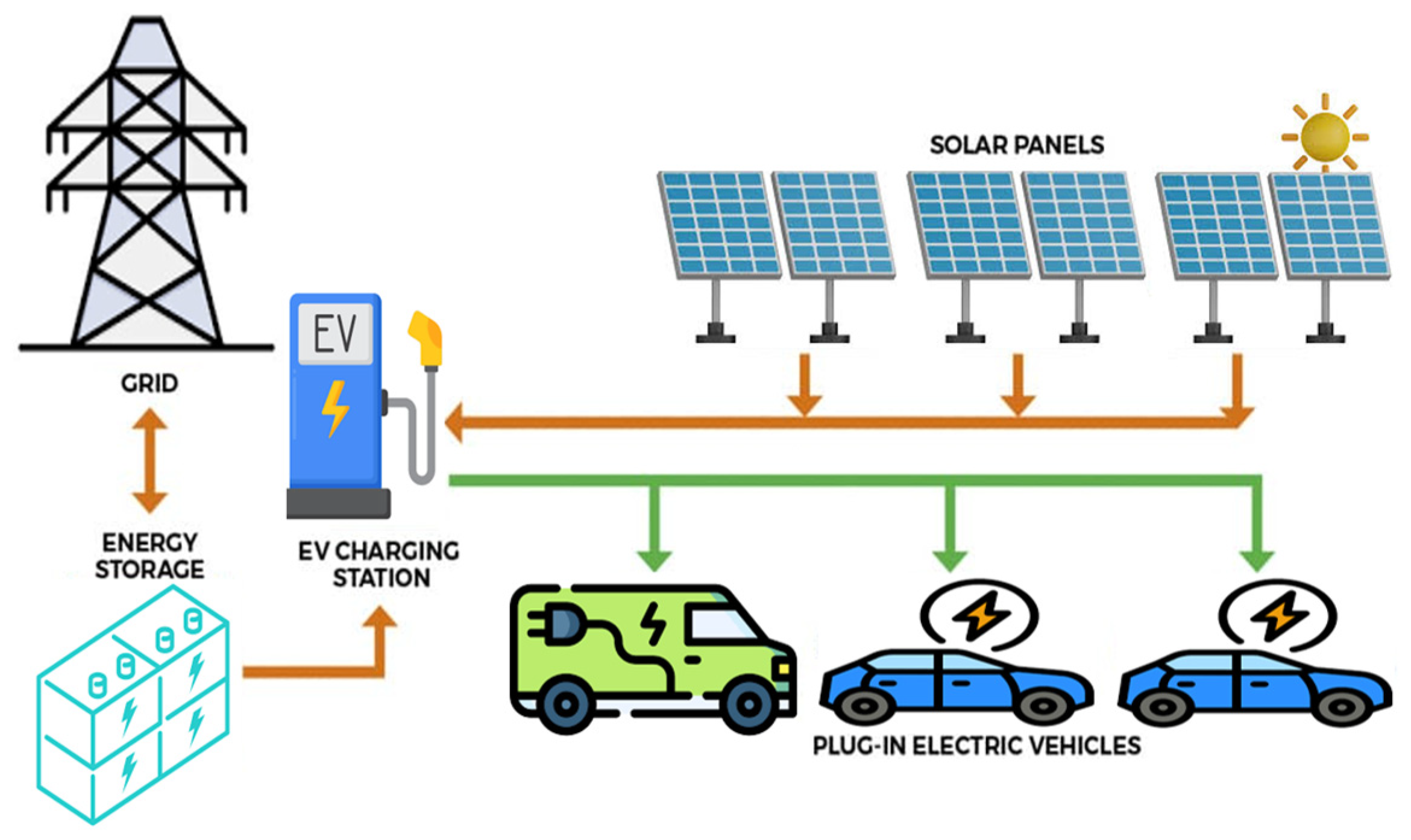
The process uses special hardware and software to control energy flow. When electricity demand is low, the EV can charge. When demand rises, the system can send energy from the vehicle battery back to the grid or another connected system.

- ✦ EV Battery Storage
The electric vehicle battery stores energy that can later be shared with the grid when needed.
- ✦ Bidirectional Charger
A V2G-compatible charger manages two-way electricity flow between the vehicle and the electrical system.
- ✦ Smart Energy Control
Software decides when charging or energy export should happen based on grid needs and user settings.
The Difference Between Normal EV Charging and V2G Charging
Traditional EV charging works in one direction. Electricity moves from the utility grid to the vehicle battery. Vehicle to Grid Charging adds a second direction, allowing stored energy to return when useful.
This two-way operation helps create a smarter energy network where EVs can work together with renewable energy systems and utility programs.
- ✦ One-Way Charging
Standard chargers only supply electricity to recharge the vehicle.
- ✦ Two-Way Charging
V2G systems allow both charging and energy discharge from the EV battery.
Why Vehicle to Grid Charging Matters for the Future Energy System
Electric grids face new challenges as electricity demand grows and renewable energy becomes more popular. Solar and wind power do not always produce energy at the same time people need it. Vehicle to Grid Charging can help balance these changes.
Millions of EVs connected to a smart grid could act like a large network of batteries. Instead of building only more stationary storage systems, utilities may use connected vehicles as another flexible energy resource.

- ✦ Grid Stability
EV batteries can help manage sudden changes in electricity demand and supply.
- ✦ Renewable Energy Support
Stored EV energy can help use more solar and wind power during periods of low production.
- ✦ Energy Flexibility
Utilities can better manage peak electricity usage with connected EV batteries.
How V2G Supports Renewable Energy
Renewable energy sources often create energy when conditions are right, not always when people need power. Vehicle to Grid Charging can store extra electricity and return it during higher demand periods.
For example, an EV may charge using daytime solar energy and provide support during an evening peak when many homes use more electricity.
- ✦ Solar Energy Storage
EV batteries can store excess solar power for later use.
Benefits of Vehicle to Grid Charging for EV Owners
Vehicle to Grid Charging can provide benefits for both drivers and energy providers. For EV owners, the biggest advantage is that their vehicle battery can become a more valuable energy resource.
In some utility programs, drivers may receive financial rewards for allowing their EV to support grid operations. The exact benefits depend on local electricity markets and available programs.

- ✦ Potential Energy Savings
EV owners may reduce costs by charging during lower-rate periods and participating in energy programs.
- ✦ Backup Power Support
Compatible EV systems may provide electricity during outages when connected equipment is available.
- ✦ Better Use of Renewable Energy
Drivers can help store clean energy and reduce pressure on the grid.
Vehicle to Grid Charging in the United States
In the United States, interest in V2G is growing as utilities explore smarter ways to manage electricity demand. Different states and energy providers are testing programs that connect EV batteries with grid services.
However, availability varies. EV owners need a compatible vehicle, approved charger, and a utility program that supports bidirectional charging.
- ✦ Vehicle Compatibility
Not every electric vehicle supports energy export through V2G technology.
Challenges and Limitations of Vehicle to Grid Charging
Although Vehicle to Grid Charging has strong potential, several challenges must be solved before it becomes common everywhere. Technology costs, battery concerns, and infrastructure limitations affect adoption.
One major concern is battery wear. Since V2G uses the EV battery for additional energy cycles, manufacturers continue studying how frequent energy discharge affects long-term battery health.
- ✦ Limited Vehicle Support
Only certain EV models currently offer full bidirectional charging capability.
- ✦ Higher Equipment Costs
V2G chargers and installation can cost more than standard EV charging equipment.
- ✦ Complex Utility Rules
Energy regulations and utility programs differ across regions.
Does V2G Reduce EV Battery Life?
Battery impact depends on many factors, including charging speed, battery chemistry, temperature control, and how often energy is exported. Smart V2G systems can limit unnecessary battery stress.
Many researchers are studying ways to balance grid benefits with battery protection. Future systems may use advanced software to manage battery health automatically.
Vehicle to Grid Charging vs Other Bidirectional Charging Technologies
Vehicle to Grid Charging is one type of bidirectional EV technology. Other systems focus on sending power to homes, buildings, or specific devices instead of directly supporting the public grid.
Understanding these differences helps consumers choose the right energy solution for their needs.

- ✦ V2G
Sends electricity from an EV battery back to the wider electrical grid.
- ✦ Vehicle to Home
Uses an EV battery to power a home during outages or high-cost periods.
- ✦ Vehicle to Load
Provides electricity to smaller devices and equipment through the vehicle.
Choosing the Right Bidirectional Charging Option
Homeowners may prefer vehicle-to-home systems if their main goal is backup power. Utility-focused users may benefit more from Vehicle to Grid Charging programs.
The best option depends on the vehicle model, energy goals, and available infrastructure.
