
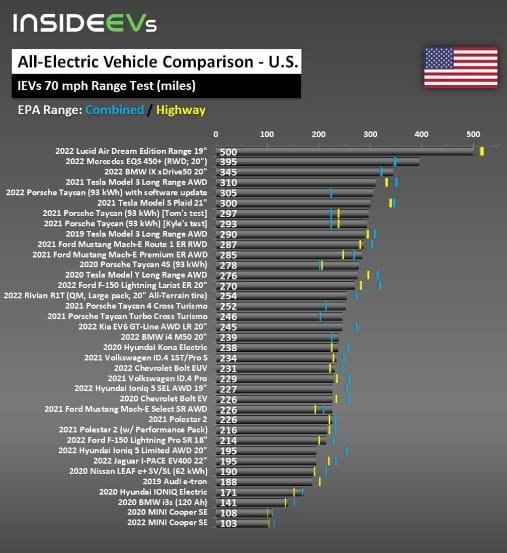
Many new EV owners notice a surprising change during long highway trips. An electric vehicle that shows an impressive estimated range in city driving may travel fewer miles on a fast interstate route. Understanding Why EV Range Changes at Highway Speeds helps drivers plan trips better and use battery power more efficiently.
From my experience studying vehicle efficiency trends, highway driving reveals the biggest difference between laboratory estimates and real-world performance. Electric cars are highly efficient, but speed, weather, road conditions, and driving habits can strongly change how much energy the battery uses.

How Highway Speed Affects EV Energy Use
The main reason Why EV Range Changes at Highway Speeds is the increase in energy needed to push through the air. At low speeds, rolling resistance and vehicle systems use much of the battery power. At highway speeds, aerodynamic drag becomes the biggest energy challenge.
Air resistance does not increase in a simple way. When speed rises, the force needed to move through air increases rapidly. This means driving at 75 mph can use much more energy than driving at 55 mph, even though the speed difference seems small.
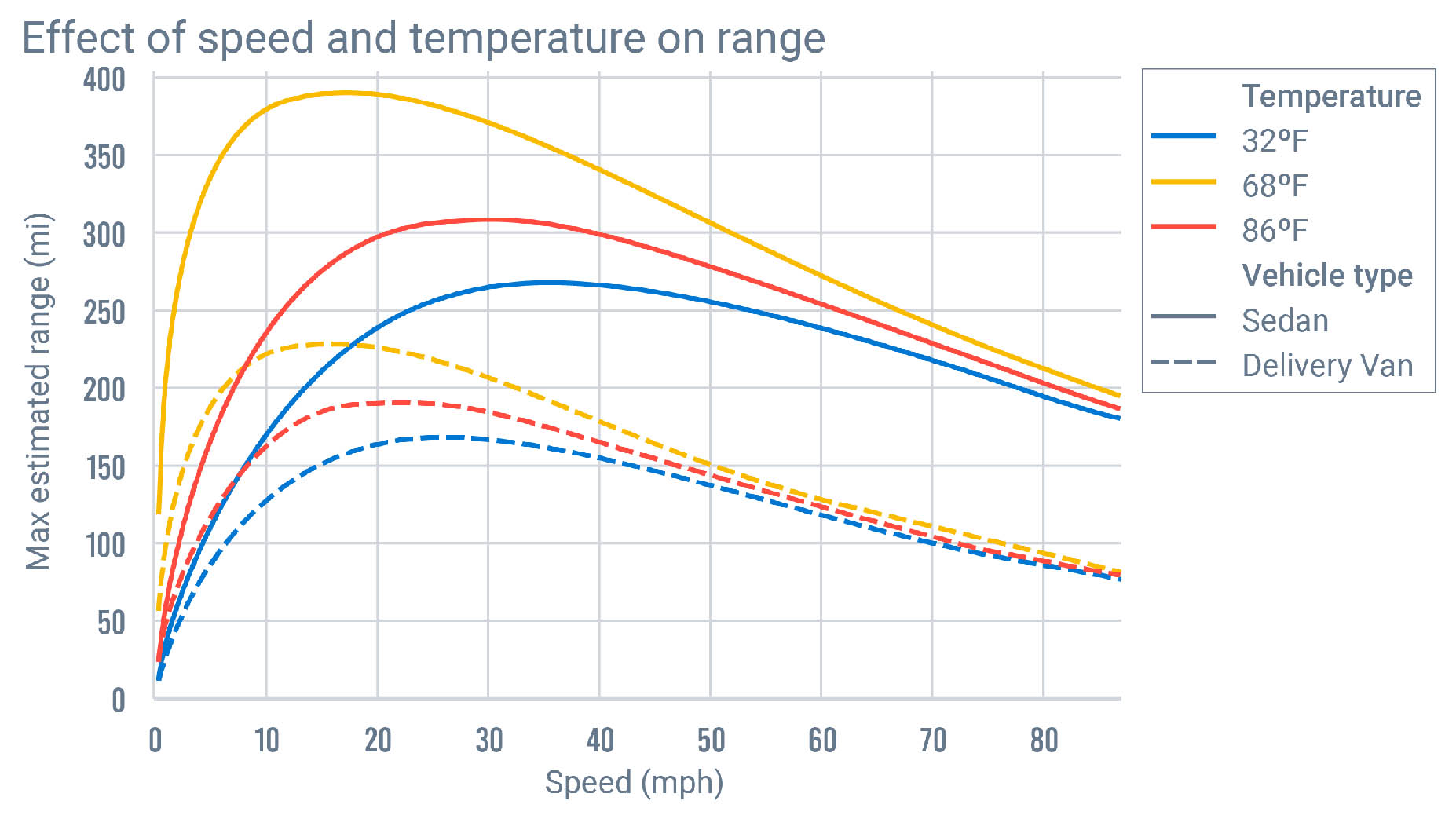
- ✦ Aerodynamic drag
Faster speeds create more air pressure against the vehicle, forcing the electric motor to work harder.
- ✦ Higher motor demand
The electric motor must deliver more power to maintain speed, which increases battery consumption.
Why Air Resistance Matters More on Highways
EVs are designed with smooth shapes to reduce drag, but no vehicle can remove air resistance completely. On highways, even small design differences can affect energy use over hundreds of miles.
This is why many EV manufacturers focus heavily on aerodynamic body designs, wheel covers, and efficient tires.
- ✦ Vehicle shape
A more aerodynamic EV can maintain highway speed using less battery energy.
Why EV Range Changes at Highway Speeds More Than City Driving
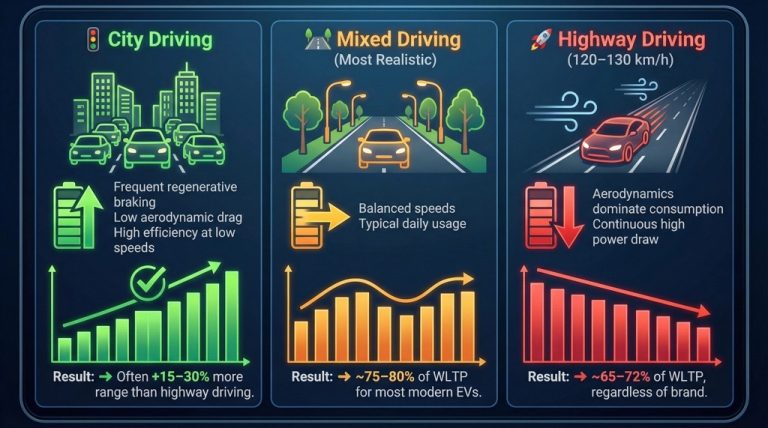
City driving often allows EVs to recover some energy through regenerative braking. Every time the driver slows down, the system can send some energy back into the battery.
Highway driving is different because the vehicle usually maintains a steady speed. There are fewer braking events, so there are fewer opportunities to recover energy.

- ✦ Less regenerative braking
Long highway stretches provide fewer chances for the EV to recover energy.
- ✦ Constant power demand
Maintaining high speeds requires continuous energy from the battery.
The Difference Between EPA Range and Highway Reality
EPA range estimates are useful for comparing vehicles, but real-world highway conditions can produce different results. Wind, traffic, temperature, and speed choices can change actual driving distance.
Drivers who understand Why EV Range Changes at Highway Speeds can make better charging plans during road trips.
- ✦ Real-world conditions
Actual highway range depends on many factors beyond the official estimate.
Battery Temperature and Weather Effects on Highway Range
Temperature has a major impact on electric vehicle efficiency. Cold weather can slow battery reactions and increase the energy needed for heating the cabin.
Hot weather can also reduce range because cooling systems may need extra power. Highway trips often expose these effects because they involve longer periods of continuous driving.
- ✦ Cold weather
Low temperatures can reduce available battery efficiency and increase heating needs.
- ✦ Hot weather
Air conditioning and battery cooling systems may consume additional energy.
How Drivers Can Reduce Weather-Related Range Loss
Preconditioning the battery and cabin while the vehicle is plugged in can reduce energy use during the trip. This allows the battery to spend more energy on driving instead of temperature control.
Planning trips around weather conditions can make highway EV travel more predictable.
- ✦ Precondition before departure
Warm or cool the vehicle while connected to a charger when possible.
Other Factors That Change EV Highway Range
Speed is one of the biggest reasons Why EV Range Changes at Highway Speeds, but it is not the only factor. Tires, vehicle weight, road surface, and battery condition also influence efficiency.
Small changes in driving conditions can create noticeable differences during long trips. Smart EV drivers learn which factors they can control.

- ✦ Tire pressure
Underinflated tires increase rolling resistance and require more battery energy.
- ✦ Extra weight
Heavy cargo adds more work for the electric motor.
- ✦ Wind conditions
Strong headwinds increase the energy needed to maintain highway speed.
Driving Habits That Improve Highway Efficiency
Smooth acceleration and steady speeds usually provide better efficiency than frequent speed changes. Using navigation tools and planning charging stops also reduces stress during longer trips.
Many EV drivers find that slightly reducing highway speed creates a noticeable improvement in range without adding much travel time.
- ✦ Maintain moderate speeds
Lower speeds usually reduce aerodynamic losses and improve efficiency.
How to Improve EV Range During Highway Trips
Drivers cannot remove all highway energy losses, but they can take simple steps to improve efficiency. Small adjustments can add useful miles before the next charging stop.
Understanding Why EV Range Changes at Highway Speeds allows drivers to make smarter decisions instead of being surprised by range changes.

- ✦ Reduce unnecessary speed
Driving slightly slower can lower energy use during long highway trips.
- ✦ Use eco settings
Efficiency modes can adjust vehicle responses to save energy.
- ✦ Plan charging stops
Route planning tools help avoid unexpected battery shortages.
Preparing an EV for Long-Distance Travel
Before a highway trip, check tire pressure, charge level, weather forecasts, and available charging stations. These simple steps make EV travel smoother.
A prepared driver can usually predict range changes more accurately and avoid unnecessary charging delays.
- ✦ Trip preparation
Good planning improves confidence and reduces range anxiety.
