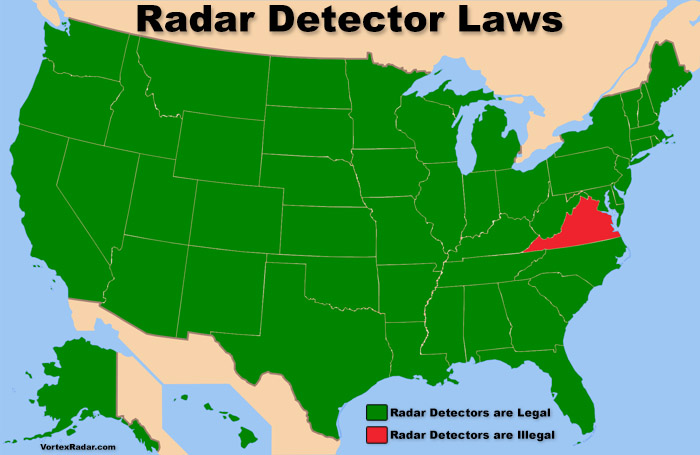
Most states allow radar detectors for private cars; Virginia and D.C. ban them, and jammers are illegal.
I have spent years testing and advising drivers on radar detector laws in the united states. I know how state and federal rules mix, what devices are risky, and how to stay legal while using detection tech. Read on for a clear, practical guide that explains the rules, pitfalls, and real-world tips so you can use radar detectors safely and legally.
How radar detector laws work across the U.S.
Radar detector laws in the united states are a patchwork of federal rules and state-level restrictions. For private passenger vehicles, most states allow radar detectors. There are notable exceptions and extra rules for commercial vehicles and certain anti-interference devices.
Key points to remember
- Private cars: Generally legal in most states.
- Commercial vehicles: Federal rules ban radar detectors in large commercial vehicles over a weight threshold.
- Jammers: Devices that jam police radar or lidar are illegal nationwide.
- Mounting rules: Some states restrict windshield-mounted devices under window-obstruction laws.
I’ll unpack each of these so you understand how radar detector laws in the united states affect you on the road.

Federal laws affecting radar detectors
Federal law shapes two main areas related to radar detector use. First, commercial vehicle rules prohibit radar detectors in many work trucks. Second, signal jamming devices are illegal under federal communications rules.
What federal law means
- Commercial vehicle limit: Federal regulations prohibit radar detectors in commercial motor vehicles that meet a defined gross vehicle weight rating or are used in interstate commerce. This is meant to promote safety in heavy vehicles.
- Jammers and interference: Devices that intentionally block or jam police radar or police laser (lidar) signals violate federal communications law and can lead to fines and equipment seizure.
- Enforcement: Federal penalties can be paired with state fines, so consequences can stack.
These federal limits are short and firm. They form the backbone of radar detector laws in the united states and affect anyone driving for work or considering active countermeasures.
State-by-state restrictions and notable exceptions
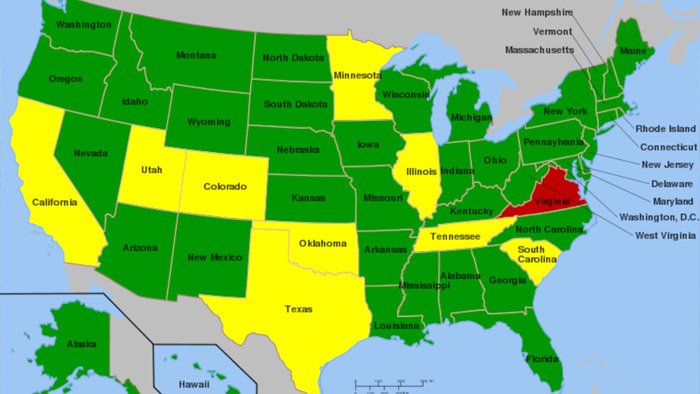
Most states permit radar detectors in private cars, but exceptions and related laws matter. Two jurisdictions are commonly cited as bans, and many states add rules that affect how detectors are mounted or used.
Common state-level rules
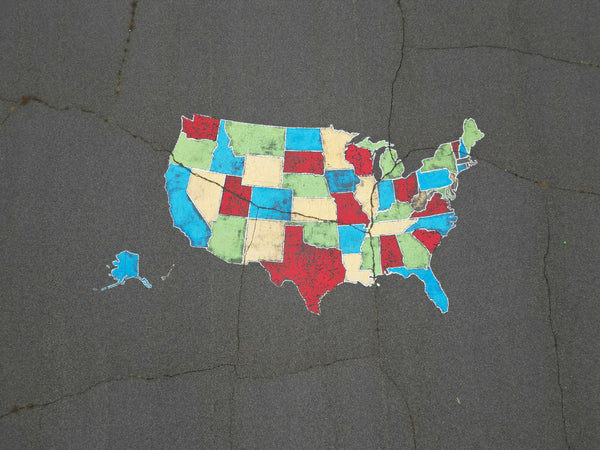
- Absolute bans: Virginia and the District of Columbia prohibit radar detectors in private passenger vehicles. Carrying one can lead to fines and confiscation.
- Windshield and obstruction laws: Several states restrict objects that block the driver’s view. A radar detector mounted high on the windshield may trigger a ticket under these laws.
- Laser jammers and blockers: Some states ban devices that interfere with police laser guns. The legality varies, so check local rules before buying.
- Local enforcement variation: Even where detectors are legal, police tactics and enforcement emphasis differ by region.
Practical takeaways on state rules
- Before traveling across state lines, check local rules.
- Use low-profile mounts and consider hard-wiring to keep cords tidy and reduce obstruction issues.
- Never buy or use a jammer — the legal risk is high.
These nuances are central to understanding radar detector laws in the united states. Knowing the specifics can save you fines and headaches.

Practical tips for legal and safe use
You can use radar detectors within the law if you follow simple steps. My hands-on testing and field use taught me what works and what to avoid.
Safety and compliance checklist
- Know the law: Check state and federal rules before you drive.
- Use approved devices: Buy a reputable detector and avoid any device marketed to jam police signals.
- Mount smartly: Place the detector low on the dash if possible. Avoid blocking the windshield to comply with obstruction laws.
- Power discreetly: Hard-wiring can be neater and reduce the risk of a citation related to dangling cords.
- Update firmware: Keep your detector’s maps and signal filters current to reduce false alerts.
- Respect enforcement: Treat detectors as an aid, not a license to speed.
Personal note: I once tested a high-end detector that gave great alerts, but its windshield mount drew a warning in a city with strict obstruction laws. I switched to a dash mount and avoided a ticket. That small change made my setup both legal and less stressful.
Technical and enforcement considerations
Understanding how police detect speed helps you use detectors wisely. Technology and enforcement tactics change, so stay informed.
How detectors work versus enforcement tools
- Radar vs lidar: Police use radio-wave radar and light-based lidar. Radar detectors pick up radio signals; lidar is a focused laser pulse and is harder to detect.
- Camera and pacing enforcement: Speed cameras and pace car enforcement don’t emit detectable radar, so detectors won’t help.
- False alerts: Modern detectors include GPS and filtering to cut false alerts. Learn to interpret signals to avoid overreacting.
- Legal risk of countermeasures: Active countermeasures, including jammers and some laser devices, can trigger serious penalties.
Final technical tip: Use detectors as part of a defensive driving strategy. They can give you early warning in many cases, but they are not a substitute for obeying speed limits and paying attention to road conditions.
Frequently Asked Questions of radar detector laws in the united states
Are radar detectors legal in every U.S. state?
Most U.S. states allow radar detectors in private passenger vehicles, but Virginia and the District of Columbia ban them. Restrictions also exist for commercial vehicles and device mounts.
Can commercial drivers use radar detectors?
Federal rules prohibit radar detectors in many commercial motor vehicles over defined weight limits and in vehicles used in interstate commerce. Commercial drivers should assume detectors are not allowed unless regulations say otherwise.
Are radar jammers legal?
No. Devices that jam radar or lidar signals are illegal under federal law and can lead to fines, seizure, and criminal penalties. Avoid these at all costs.
Do radar detectors work against lidar?
Standard radar detectors are less effective against lidar because lidar uses a narrow laser beam. Some drivers use laser-specific defenses, but legality and reliability vary widely.
Will a dashboard mount avoid obstruction tickets?
A low dash mount often reduces obstruction risk but does not guarantee immunity. Check local windshield obstruction laws and keep mounts low and cords tidy.
Can the police confiscate my radar detector?
Yes. In jurisdictions where detectors are illegal, police can confiscate the device and may issue a citation. This is more likely in places with clear bans.
Do updates matter for radar detectors?
Yes. Firmware and database updates reduce false alerts and add new filters for digital signals. Regular updates improve performance and legal safety.
Conclusion
Knowing radar detector laws in the united states helps you use detection tech without legal trouble. Most states allow detectors for private cars, but federal rules, state bans, and anti-jammer laws create clear limits. Use reputable devices, mount them properly, and avoid active countermeasures. My experience shows a small setup change and a quick legal check can prevent fines and stress.
Take action: check the laws for your state, update your detector, and drive with awareness. If this guide helped, share your story or ask a question below — I’d love to hear about your experiences with radar detectors.