
Car braking systems convert pedal force into hydraulic pressure and friction to stop a vehicle.
I’ve spent years studying and explaining automotive systems, and I’ll take you through exactly how car braking system works — from basic physics and core parts to advanced features like ABS and regenerative braking. This guide mixes clear explanations, real-world troubleshooting tips from hands-on experience, and practical maintenance advice so you can understand braking performance, diagnose common issues, and make smarter safety decisions.
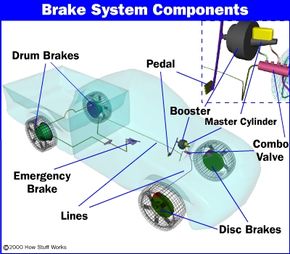
Main components and basic definitions
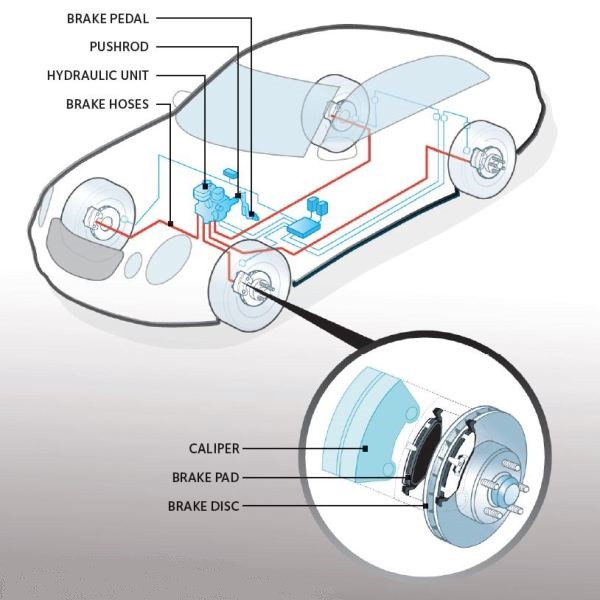
A car braking system is a collection of parts that work together to slow and stop a vehicle. Knowing the parts helps you understand how car braking system works in practice.
Key components
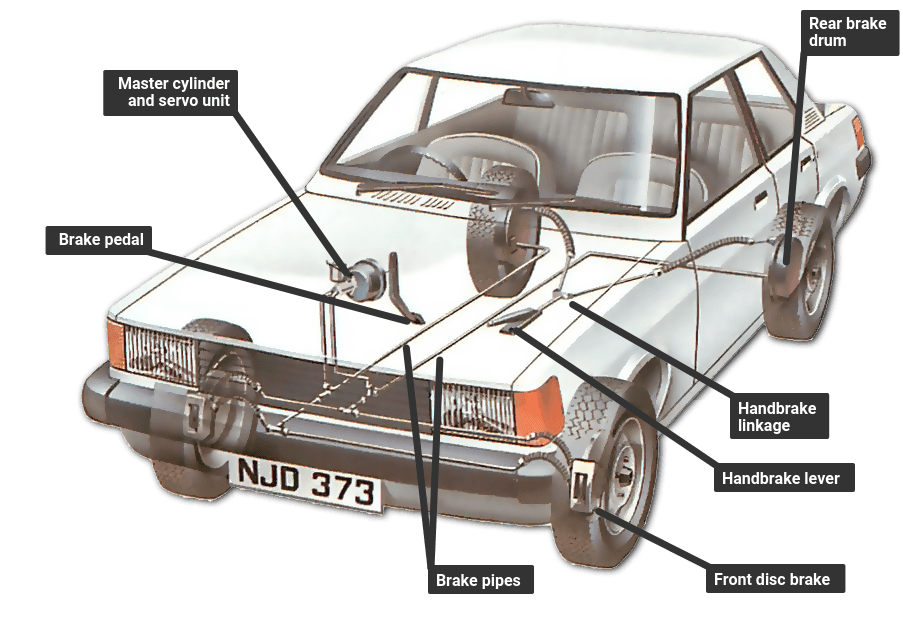
- Master cylinder: Creates hydraulic pressure when you press the brake pedal.
- Brake lines and hoses: Carry brake fluid to wheel components.
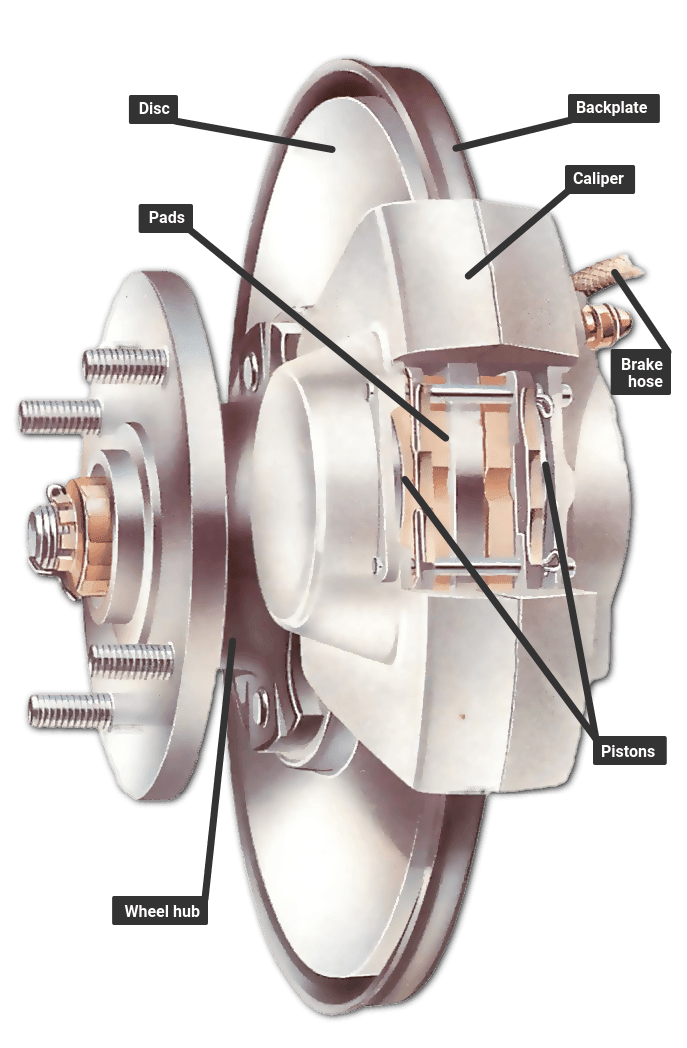
- Calipers: Squeeze brake pads onto rotors in disc brakes.
- Brake pads and shoes: Create friction against rotors or drums.
- Rotors and drums: Surfaces that absorb friction and slow wheel rotation.
- Brake booster: Amplifies pedal force, usually vacuum-assisted.
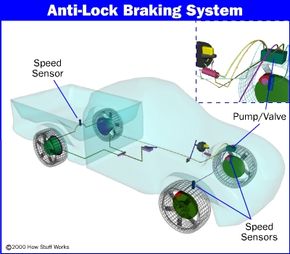
- ABS module and wheel sensors: Modulate braking to prevent wheel lock.
- Parking brake: Mechanical system that holds the car when parked.
- Brake fluid: Transfers force; must meet DOT specs.
Simple definitions
- Hydraulic braking: Uses fluid to transfer force from pedal to brakes.
- Friction braking: Converts kinetic energy into heat via pad/rotor contact.
- Regenerative braking: Recovers kinetic energy in hybrids and EVs.
How car braking system works: step-by-step
Understanding the sequence clarifies how car braking system works every time you press the pedal.
- Driver input
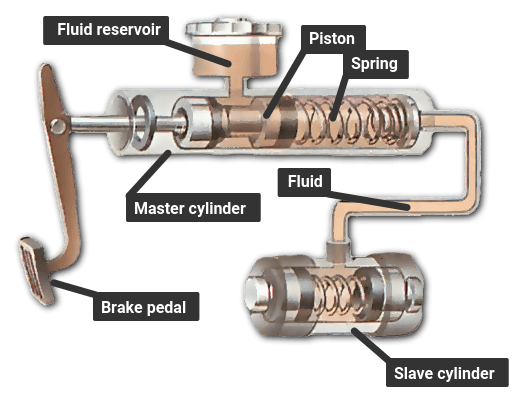
- Pressing the pedal pushes a rod into the master cylinder.
- Hydraulic pressure generation
- The master cylinder forces brake fluid through the lines.
- Pascal’s principle makes the pressure equal throughout the lines.
- Force multiplication and application
- Brake fluid pushes pistons in calipers or wheel cylinders.
- Pistons press pads or shoes against rotors or drums.
- Friction converts motion to heat
- Pad-to-rotor contact creates friction.
- This friction reduces wheel speed and stops the vehicle.
- ABS and stability control intervention (when needed)
- Wheel speed sensors detect impending lockup.
- ABS pulses pressure via the module to keep tires rolling.
- Release and reset
- Releasing the pedal reduces pressure.
- Brake components retract slightly, allowing wheels to turn freely.
How car braking system works relies on simple laws of physics and robust sealing to keep pressure stable. If any part leaks or wears, performance drops quickly.
Types of braking systems and modern technologies
Cars use several braking designs. Knowing them helps explain how car braking system works across vehicle types.
Common systems
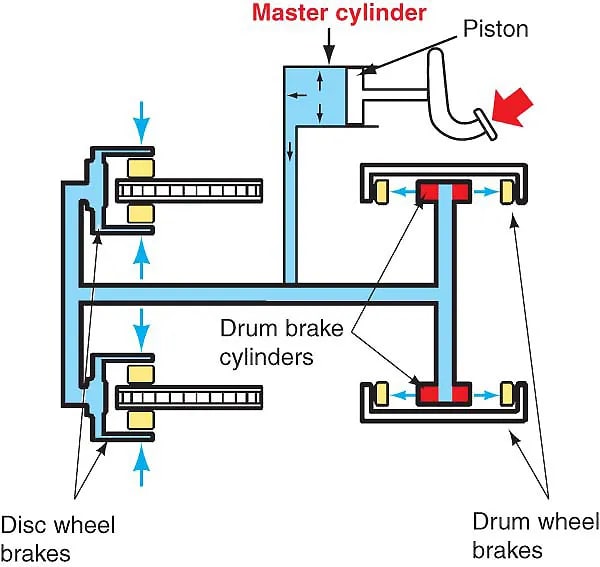
- Disc brakes: Most modern cars use discs. They cool faster and stop better.
- Drum brakes: Found on some rear wheels and older cars. They are simple and cost-effective.
- Regenerative braking: Used in hybrids and EVs to recover energy and reduce wear on friction brakes.
- Electronic parking brakes: Motor-driven locks that replace a hand lever.
Advanced technologies
- Anti-lock Braking System (ABS): Prevents wheel lock and maintains steering control.
- Electronic Brakeforce Distribution (EBD): Balances braking force between front and rear.
- Brake Assist: Detects panic braking and increases pressure for a quicker stop.
- Brake-by-wire: Uses electronic signals and actuators instead of pure hydraulics in some designs.
How car braking system works differs with each technology, but the goal is always control and safety.
Materials, wear, and performance factors
Friction materials and component health determine braking feel and stopping distance.
Friction materials
- Organic pads: Quiet and easy on rotors but wear faster.
- Semi-metallic: Good heat handling and durability.
- Ceramic: Quiet, long-lasting, and clean, often pricier.
Wear indicators and signs
- Squeal or grinding sounds suggest worn pads or rotors.
- Spongy pedal feel may indicate air in the lines or fluid issues.
- Pulling to one side often shows uneven pad wear or caliper problems.
- Decreased braking performance can be due to glazed pads, thin rotors, or old fluid.
How car braking system works is affected by maintenance intervals, driving style, and component quality. Heat management matters most during repeated heavy braking.
Maintenance tips and troubleshooting from experience
I’ve diagnosed hundreds of braking issues. These are practical tips you can apply.
Routine checks
- Inspect pads and rotors every 10,000 miles or during oil changes.
- Replace brake fluid every 2 years or per manufacturer recommendation.
- Check for leaks at bleed screws, calipers, and hoses.
Simple fixes and checks
- Bleed brakes to remove air and restore firm pedal feel.
- Replace pads before they drop below the minimum thickness.
- Resurface or replace rotors if they are warped or scored.
Common mistakes to avoid
- Mixing DOT fluid types. Always use the correct DOT rating.
- Ignoring soft pedal symptoms. That often leads to failure.
- Overheating brakes by riding them on downgrades. Use engine braking.
Personal anecdote
- Once I diagnosed a car that pulled right during braking. It turned out to be a seized caliper piston and uneven pad wear. Replacing the caliper and cleaning the slide pins fixed it, and the owner regained predictable braking.
How car braking system works in real life depends on attention to small signs and timely repairs.
Safety considerations and upgrades
Understanding safety helps you choose the right upgrades and practices.
Safety basics
- Always use tires with proper tread and pressure. Good tires improve braking dramatically.
- Keep brake components within spec and fluid fresh.
- Learn to brake without locking wheels if ABS fails—pump the brakes gently on older cars.
Performance upgrades
- Upsize rotors and use performance pads for track use.
- Use braided stainless steel brake lines for firmer pedal feel.
- Upgrade to multi-piston calipers for more even pad pressure.
Limitations and trade-offs
- Performance pads can wear rotors faster and produce more dust.
- Larger brakes add unsprung weight, which affects handling.
- Regenerative braking reduces wear on friction brakes but requires different maintenance awareness.
How car braking system works will change if you modify the vehicle. Balance performance gains with longevity and safety.

Quick PAA-style questions (common short answers)
Q: Can you mix different brake pad materials?
A: Mixing materials on the same axle is not recommended. It can cause uneven wear and inconsistent braking feel.
Q: How often should brake fluid be changed?
A: Change brake fluid every 1–2 years, or per your vehicle manual, to avoid moisture buildup and reduced boiling point.
Q: What causes a soft brake pedal?
A: A soft pedal usually means air in the lines, old fluid, or a master cylinder issue.
Frequently Asked Questions of how car braking system works
What does the master cylinder do?
The master cylinder converts pedal force into hydraulic pressure and sends it to the brakes. It is essential for consistent braking force.
How does ABS improve stopping?
ABS senses wheel speed and rapidly modulates brake pressure to prevent lockup. It helps maintain steering control during hard braking.
Why do my brakes make noise?
Noise can come from worn pads, glazed pads, or loose components. Metallic grinding usually means pads are worn to the backing plate.
How long do brake pads last?
Pad life varies but typically ranges from 25,000 to 70,000 miles depending on material and driving habits. Hard, frequent stops shorten lifespan.
Can brake fluid affect performance?
Yes. Old or contaminated fluid absorbs moisture, lowers boiling point, and can cause vapor lock and reduced braking power.
Should I replace rotors with pads?
If rotors are below minimum thickness, warped, or heavily scored, replace them. New pads on bad rotors can lead to noise and poor stopping.
Is regenerative braking enough to stop an EV?
No. Regenerative braking helps slow the vehicle and recover energy but friction brakes are still required for full stopping power and emergency braking.
Conclusion
A solid grasp of how car braking system works gives you control over safety and maintenance decisions. Keep components inspected, use correct fluids, and address odd noises or pedal changes quickly. Adopt modest upgrades only after weighing trade-offs, and practice safe driving to reduce brake wear. If you found this helpful, try these next steps: check your brake fluid, inspect pads visually, or subscribe for more car-care guides — and leave a comment with your braking questions.