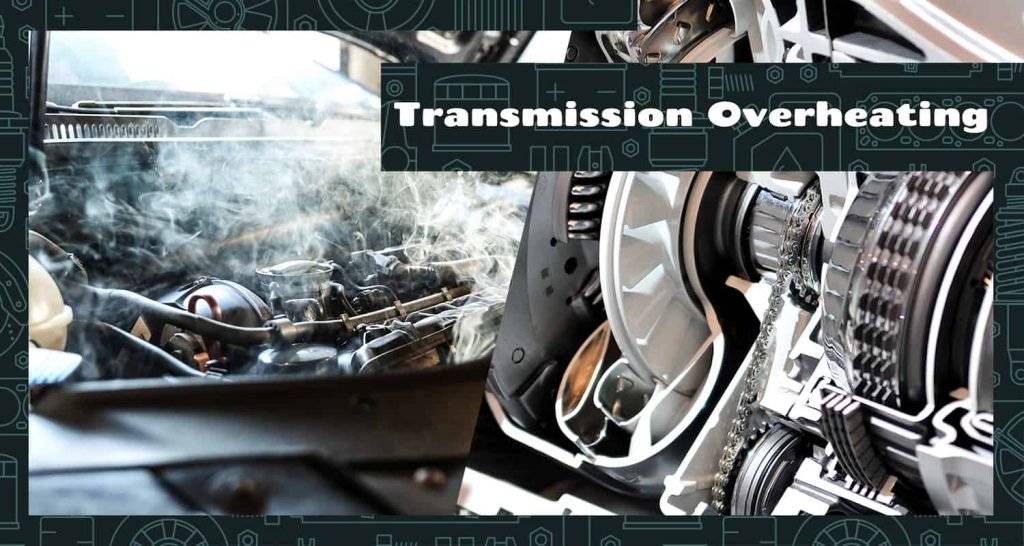
Understanding what causes transmission fluid to overheat can help prevent expensive repairs. In the United States, many drivers put extra stress on their vehicles through long highway trips, summer heat, towing, and daily stop-and-go traffic. These conditions can push an automatic transmission beyond its normal temperature range.
From my experience studying vehicle maintenance problems, I have found that overheating rarely happens from one single issue. It usually comes from a combination of poor fluid condition, neglected service, or a cooling problem that slowly gets worse. Knowing the early warning signs can help you fix small problems before they become major transmission failures.
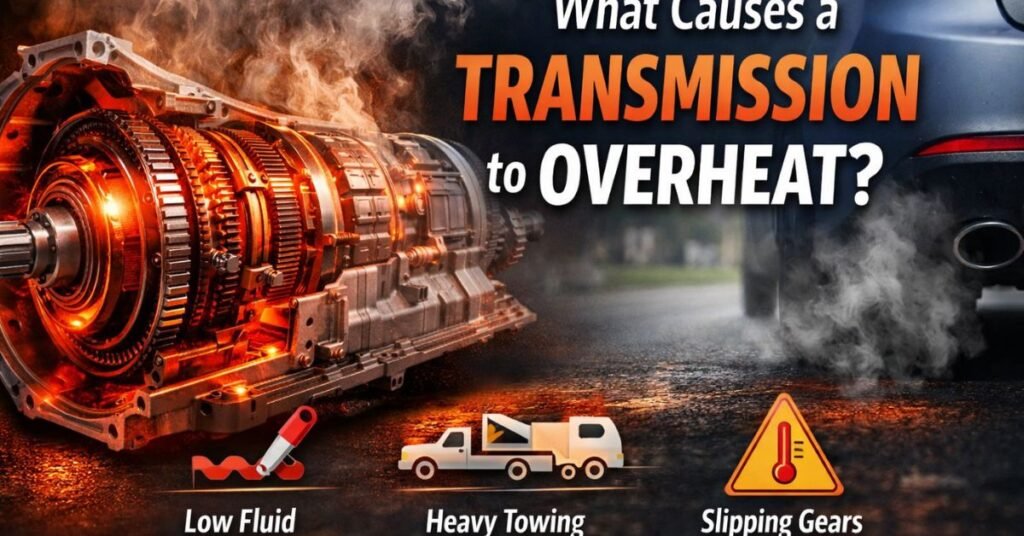
How Transmission Fluid Works and Why Heat Control Matters
Transmission fluid does more than lubricate moving parts. It also helps transfer hydraulic pressure, clean internal components, and carry heat away from gears, clutches, and other parts.
A healthy automatic transmission depends on stable fluid temperature. When transmission fluid becomes too hot, it can lose its protective properties and create more friction inside the transmission.
- ✦ Lubrication
Transmission fluid reduces friction between moving parts and helps prevent excessive wear.
- ✦ Cooling Support
The fluid carries heat away from internal components and moves it toward the transmission cooler.
- ✦ Hydraulic Operation
Automatic transmissions use fluid pressure to control gear changes and clutch operation.
Low Transmission Fluid Is One of the Most Common Causes of Overheating
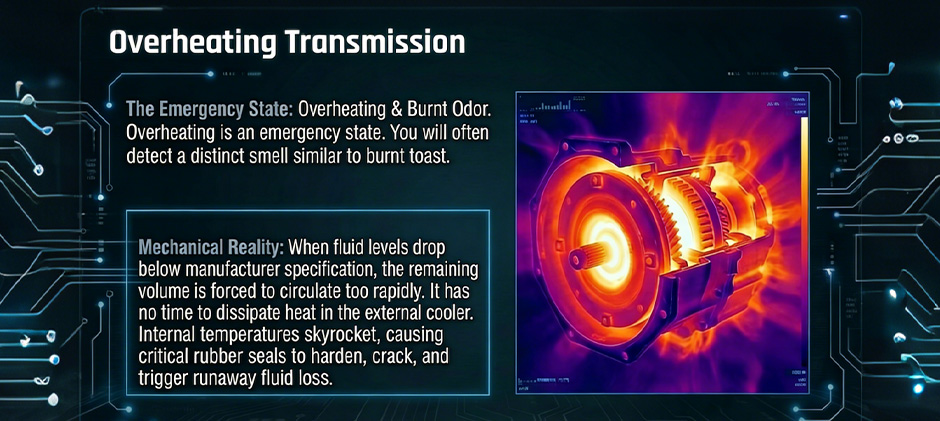
Low transmission fluid is a major reason why transmission fluid overheats. When the fluid level drops, there is less liquid available to absorb and remove heat.
Low fluid levels often happen because of leaks from seals, transmission lines, gaskets, or damaged components. Many drivers notice symptoms only after the transmission begins shifting poorly or making unusual noises.
- ✦ Fluid Leaks
Leaking transmission fluid reduces the amount of cooling and lubrication available inside the system.
- ✦ Poor Heat Transfer
Less fluid means less ability to move heat away from transmission parts.
Signs of Low Transmission Fluid
Drivers may notice delayed shifting, slipping gears, burning smells, or unusual noises when fluid levels are low. Checking fluid levels based on the vehicle manufacturer’s instructions can help catch this problem early.
- ✦ Common Warning
A burning smell or rough gear change may indicate the transmission is struggling from low fluid.
Old or Contaminated Transmission Fluid Can Create Excess Heat
Transmission fluid slowly breaks down as it experiences heat cycles. Over time, old fluid becomes less effective at reducing friction and controlling temperature.
Contaminated fluid may contain dirt, metal particles, or clutch material. These contaminants can increase wear and create additional heat inside the transmission.
- ✦ Fluid Breakdown
High temperatures can damage fluid additives that protect transmission parts.
- ✦ Internal Friction
Poor-quality fluid increases friction between components and raises operating temperatures.
Why Burnt Transmission Fluid Is a Warning Sign
Healthy transmission fluid usually has a clean appearance and a mild smell. Dark fluid with a burnt odor often suggests excessive heat exposure and possible internal damage.
- ✦ Burnt Smell
A burnt odor can indicate that the fluid has been exposed to extreme temperatures.
Heavy Towing and Extreme Driving Conditions Increase Transmission Heat
Many American drivers use trucks and SUVs for towing trailers, boats, and heavy equipment. These activities place extra pressure on automatic transmissions.
When a transmission works harder, it creates more heat. If the cooling system cannot remove that heat quickly, the transmission fluid temperature can rise beyond safe levels.
- ✦ Towing Heavy Loads
Extra weight requires more transmission effort and increases heat production.
- ✦ Hot Weather Driving
High outside temperatures make it harder for the transmission cooler to remove heat.
- ✦ Stop-and-Go Traffic
Frequent acceleration and braking create additional transmission stress.
Transmission Cooler Problems Can Cause Fluid Temperature to Rise
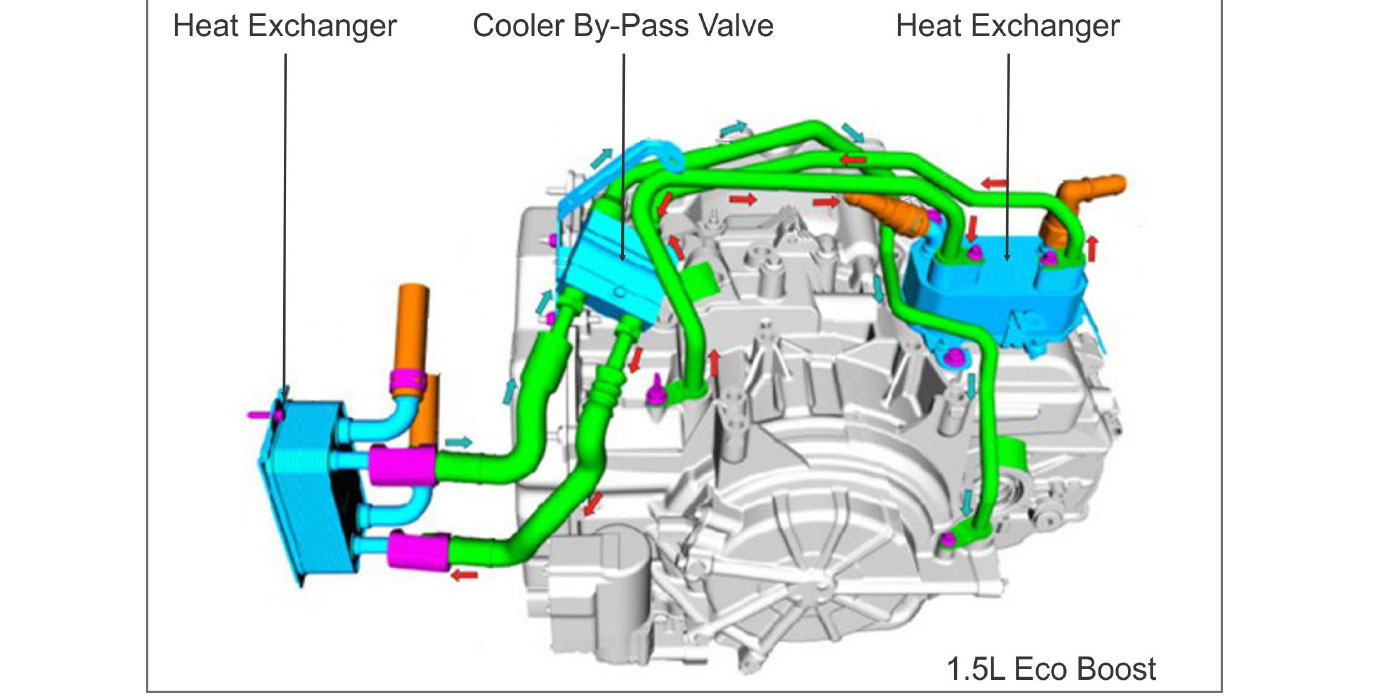
The transmission cooler plays an important role in controlling heat. It removes heat from the fluid before sending it back through the transmission.
A damaged cooler, blocked cooler lines, or poor airflow can prevent proper cooling. This is another important answer when asking what causes transmission fluid to overheat.

- ✦ Blocked Cooler Lines
Restricted fluid flow prevents heat from leaving the transmission system.
- ✦ Damaged Cooler
A failing cooler cannot reduce fluid temperature effectively.
How Cooling System Failures Affect Transmission Life
Even a strong transmission can fail early if it constantly operates at excessive temperatures. Cooling system inspections are important for vehicles used in demanding conditions.
- ✦ Preventive Check
Inspecting cooler lines and related parts helps prevent heat-related damage.
Mechanical Problems Inside the Transmission Can Generate Excess Heat
Sometimes transmission fluid overheats because internal parts are already wearing out. Damaged clutches, failing solenoids, or worn bearings can increase friction and heat.
When internal components slip instead of operating smoothly, the transmission must work harder. This creates a cycle where more heat causes more damage.
- ✦ Worn Clutches
Slipping clutches create friction and increase transmission temperature.
- ✦ Faulty Solenoids
Transmission control problems can cause incorrect shifting and extra heat.
Common Symptoms of Overheated Transmission Fluid
Recognizing symptoms early can prevent major transmission repairs. When transmission fluid overheats, drivers often notice changes in vehicle behavior.
The signs can vary by vehicle model, but several symptoms appear frequently across automatic transmissions.
- ✦ Burning Smell
Overheated fluid may produce a strong burnt odor from damaged fluid additives.
- ✦ Delayed Shifting
The vehicle may hesitate before changing gears.
- ✦ Transmission Slipping
The engine may increase speed without normal vehicle acceleration.
- ✦ Warning Light
Some vehicles display a transmission temperature or check engine warning.