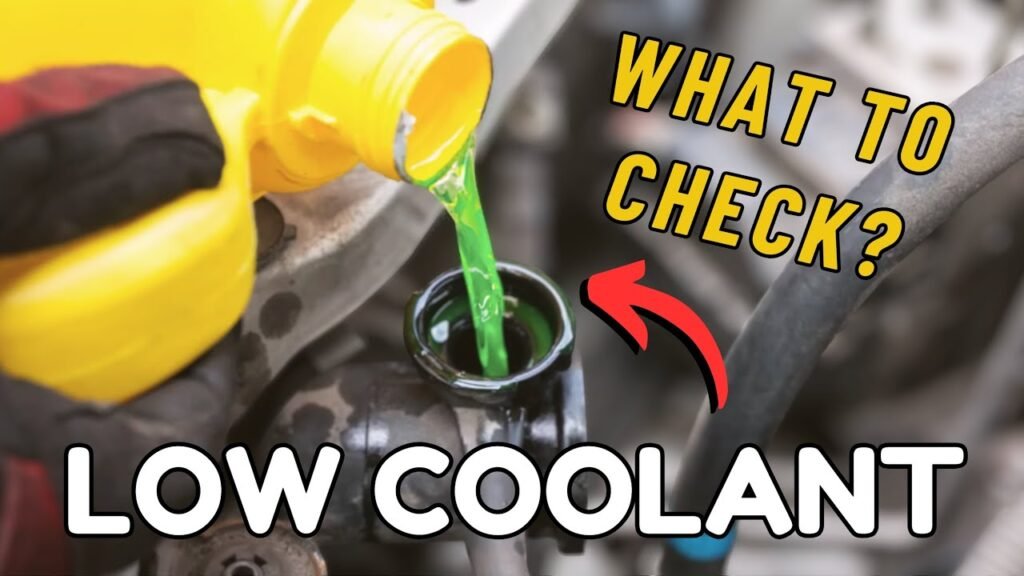
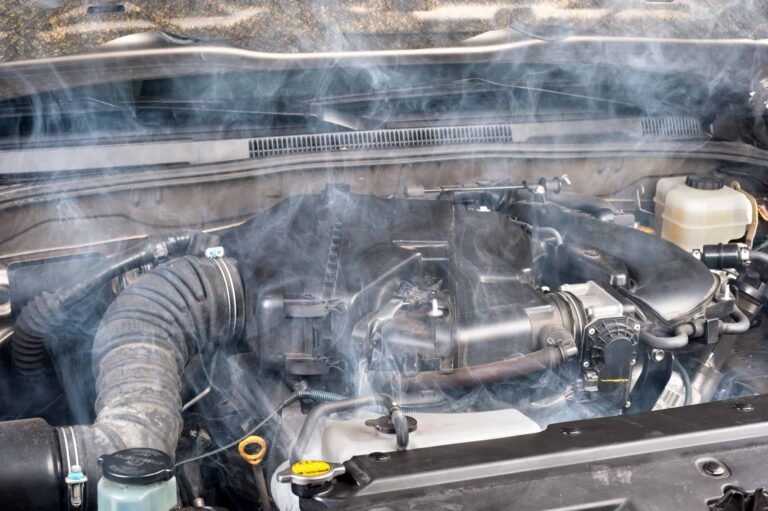
The most common reasons a car loses coolant include damaged hoses, leaking radiators, faulty radiator caps, failing water pumps, cracked coolant reservoirs, leaking heater cores, and internal engine leaks. A falling coolant level should never be ignored because low coolant can cause engine overheating and serious damage.
For drivers across the United States, coolant loss can become a serious problem during daily commutes, long highway trips, and hot summer drives. You might notice a low coolant warning on your dashboard, a sweet smell near the engine, or a small puddle under your parked car. Sometimes, the coolant level keeps falling even though there is no visible leak.
Your vehicle uses a closed cooling system to move heat away from the engine. Coolant flows through the engine, radiator, hoses, and other parts to control temperature. When this system loses fluid, it cannot remove heat as well as it should. The cause may be a simple loose hose connection or a hidden problem inside the engine. A careful inspection and the right pressure tests can help locate the source before it leads to expensive repairs. Never open a hot radiator or coolant reservoir because pressurized fluid and steam can cause severe burns. Toyota service guidance also warns against opening the cooling system while hot. 【turn948221view1】
Source: mechanictimes.com
What Does Coolant Loss Mean?
Coolant loss means the amount of fluid inside your vehicle’s cooling system is falling. The fluid may escape through an external leak, leave through a faulty pressure cap, or enter another part of the engine. In some cases, a recent coolant refill may also reveal an air pocket that was trapped in the system.
Most modern vehicles use a sealed cooling system. This system allows coolant to expand as it heats up and contract as it cools down. A recovery tank or expansion tank helps manage this change. The level should remain within the marks set by the vehicle maker when checked under the correct conditions.
A coolant level that moves slightly between hot and cold readings does not always mean there is a leak. The liquid expands when hot and takes up more space. For a useful comparison, park on level ground and check the reservoir after the engine has cooled completely. Use the same conditions each time.
If the level keeps falling from one cold check to the next, the system needs attention. Adding more antifreeze may restore the level for a short time, but it does not fix the reason the fluid is disappearing.
Source: storage.googleapis.com
Normal expansion
Coolant expands as the engine warms up. The reservoir level may rise and fall with temperature.
Actual coolant loss
The cold level drops over repeated checks, or the vehicle needs regular top-ups to stay within the marked range.
Possible service-related change
After a coolant refill, trapped air may leave the system and cause the reservoir level to settle. The vehicle may need a model-specific bleeding procedure.
Common External Causes of Coolant Loss
External leaks are among the first things to investigate when your coolant level keeps dropping. Coolant can escape from almost any connection or component that carries the fluid. Some leaks are easy to see, while others appear only when the engine is hot and the cooling system is under pressure.
The most useful first step is to inspect the hoses, radiator, water pump, reservoir, and coolant connections. Look for wet areas, colored deposits, dried residue, or signs of fluid running down nearby parts. Coolant color varies by formulation, so color alone cannot identify the exact fluid or product.
Source: dryerenthusiast.com
Damaged radiator hoses
Rubber hoses carry coolant between the engine, radiator, and other cooling components. Heat, age, vibration, and pressure can cause cracks, soft spots, bulges, or splits. Loose clamps can also allow fluid to escape around the connections.
Leaking radiator
A radiator may develop leaks through corroded tubes, damaged seams, cracked plastic end tanks, or loose connections. Road debris can also damage the radiator at the front of the vehicle.
Failing water pump
The water pump circulates coolant through the engine. Its shaft seal or mounting gasket may wear out and allow fluid to escape. Some pumps have a weep hole that releases coolant when the internal seal begins to fail.
Cracked thermostat housing
The thermostat housing connects cooling system passages and holds the thermostat in place. A damaged plastic housing, worn gasket, or failed O-ring can cause coolant to seep around the engine.
Damaged coolant reservoir
Plastic expansion tanks can develop small cracks because of age, heat, and pressure. A damaged reservoir seam or connection can slowly release coolant.
Loose drain plug or connection
A radiator drain plug, hose fitting, coolant pipe, or service connection may leak after maintenance or become loose over time.
1. Worn or Damaged Hoses and Clamps
Hoses are exposed to heat and pressure every time the engine runs. Over time, the rubber may become hard, brittle, swollen, or soft. A damaged hose can release coolant while driving, especially when pressure rises inside the system.
Check around hose ends, clamps, and connection points for dried coolant marks. A small leak may leave a crusty deposit instead of a clear puddle. Do not squeeze or remove a hot hose. If a hose looks swollen, cracked, or damaged, have it inspected and replaced as needed.
Common warning signs
Wet hose surfaces, dried residue near clamps, a sweet smell, or visible fluid under the engine.
Practical repair
Replace the damaged hose or clamp with the correct part and refill and bleed the system according to the vehicle service instructions.
2. Radiator Leaks and Corrosion
The radiator releases heat from the coolant before the fluid returns to the engine. Its thin tubes and seams are exposed to temperature changes, vibration, road debris, and corrosion. A small crack may leak only when the system becomes hot and pressurized.
Inspect the radiator edges, plastic tanks, seams, and hose connections. A leak may leave wet marks or dried deposits around the damaged area. A pressure test can help confirm whether the radiator is losing pressure.
Common warning signs
Coolant marks near the radiator, a sweet smell from the front of the vehicle, repeated low coolant warnings, or steam near the radiator.
Practical repair
A technician should confirm the leak and decide whether the radiator can be repaired or needs replacement.
3. Water Pump Seal Failure
A water pump has moving parts and seals that can wear down over time. When the shaft seal begins to fail, coolant may escape through the pump’s drain opening or around its mounting surface. The leak may become more noticeable when the engine runs.
Look for coolant residue near the pump area, unusual bearing noise, or signs of leakage around the pulley. Some water pumps are difficult to reach because they sit behind engine covers or are driven by the timing belt. A professional inspection may be needed.
Common warning signs
Coolant traces near the pump, unusual noise, repeated coolant loss, or engine overheating.
Practical repair
Replace the failed pump and any related seals or parts required by the vehicle manufacturer.
4. Thermostat Housing and Coolant Pipe Leaks
Many vehicles use plastic thermostat housings, coolant outlets, and connecting pipes. Repeated heating and cooling can weaken these parts. Their seals can also harden and stop keeping a tight fit.
Coolant may collect around the housing or run down the engine, making the actual leak point hard to identify. A pressure test can help reveal a small leak that is not obvious during a normal visual check.
Common warning signs
Dried coolant around the thermostat housing, wet engine surfaces, or a coolant smell after driving.
Practical repair
Replace cracked housings, damaged pipes, and worn seals with parts that match the vehicle.
Why Is My Car Losing Coolant Without a Visible Leak?
A car can lose coolant without leaving a puddle because the leak may be small, hidden, or located inside the engine. Coolant can also land on a hot surface and evaporate before it reaches the ground. This makes hidden coolant loss harder to diagnose than a large external leak.
Do not assume the engine is healthy just because the temperature gauge stays normal. A small leak may not cause immediate overheating. The coolant level can keep falling while the engine still appears to operate normally.
Start by checking the engine bay after the vehicle has cooled. Look around the radiator, water pump, hoses, thermostat housing, and reservoir. If the vehicle has an underbody cover, coolant may collect on it instead of dripping onto the ground.
Source: fridayparts.com
Small leaks on hot engine parts
Coolant may escape from a weak connection and land on a hot engine surface. It can evaporate before forming a puddle.
Leaks hidden behind covers
Engine shields and underbody panels can catch leaking fluid. A technician may need to remove these covers to inspect the area.
Faulty pressure cap
A weak cap may release coolant or vapor before the cooling system reaches its intended pressure.
Heater core leakage
Coolant can leak inside the dashboard area. The fluid may collect under the carpet or escape as vapor through the heating system.
Internal engine leakage
A failed gasket, cracked cylinder head, or damaged engine component may allow coolant to enter the engine or combustion chambers.
How to Recognize a Hidden Coolant Leak
A sweet smell around the engine after a drive can point to coolant escaping onto a hot surface. You may also see dried deposits near hose joints or around the radiator. These signs can remain after the liquid has evaporated.
Another clue is a coolant level that falls after every few trips without a visible puddle. Keep a simple record of the cold reservoir level. If the level continues to drop, arrange a cooling system pressure test.
Check the parking area
Look for wet spots or dried marks under the vehicle after it has been parked.
Check the engine bay
Inspect visible connections and nearby surfaces for dried residue. Keep hands away from moving parts and hot components.
Check inside the cabin
Look for damp carpet, unusual window fog, and a sweet smell from the vents.
Internal Coolant Leaks and Head Gasket Problems
An internal coolant leak happens when fluid escapes into an area where it should not be. It may enter the engine oil, combustion chamber, or another internal passage. These problems are often more serious than an ordinary hose or radiator leak.
A blown head gasket is one possible cause. The head gasket seals the joint between the engine block and cylinder head. If it fails, coolant may enter a cylinder or mix with engine oil. The exact result depends on where the gasket has failed.
A cracked cylinder head or engine block can cause similar symptoms. Some vehicles may also lose coolant through a failed oil cooler, intake manifold gasket, or exhaust gas recirculation cooler. The last example is relevant to certain engines, especially some diesel designs.
Internal coolant loss does not always produce every warning sign. A head gasket can leak coolant into a cylinder without mixing it with the engine oil. A normal-looking oil dipstick therefore does not rule out an internal leak.
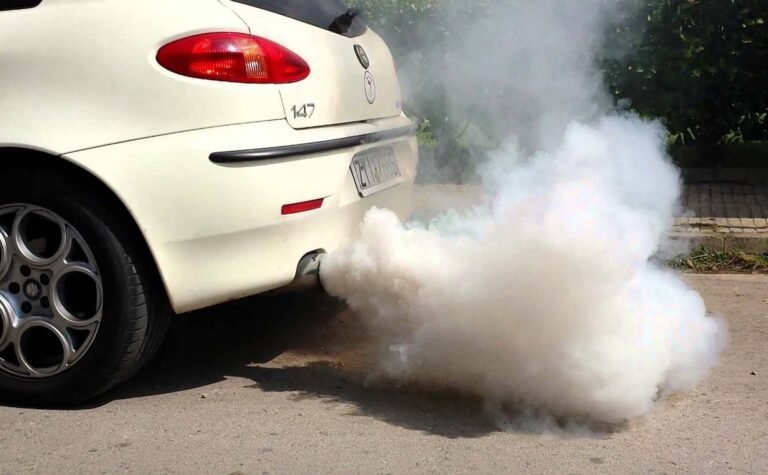
Persistent white exhaust vapor
Thick white exhaust after the engine has fully warmed up may indicate coolant entering a combustion chamber. Normal water vapor during a cold start is not enough to confirm this problem.
Milky engine oil
Coolant mixed with oil can create a pale, creamy appearance. This is a serious warning sign, although moisture from short trips can also cause some condensation under the oil cap.
Bubbles in the coolant reservoir
Repeated bubbles or abnormal pressure may indicate combustion gases entering the cooling system. Other faults can also cause bubbling, so testing is needed.
Unexplained overheating
An internal leak can reduce coolant levels and affect the cooling system’s ability to control engine temperature.
Rough engine start
Coolant entering a cylinder overnight may cause a rough start or misfire when the engine is first started.
How Mechanics Confirm an Internal Coolant Leak
A technician may begin with a cooling system pressure test and inspect for external leaks. If the system loses pressure without a visible external leak, further tests can help locate the problem.
A combustion gas test checks for exhaust gases in the coolant. A cylinder leak-down test can help identify leakage between a cylinder and the cooling system. Depending on the engine, a mechanic may also inspect spark plugs, use a borescope, or test the oil cooler and other internal components.
These tests matter because a failed head gasket is not the only possible cause of internal coolant loss. Replacing a head gasket without confirming the fault can lead to unnecessary repair costs.
Pressure test
Checks whether the cooling system can hold the pressure specified by the vehicle manufacturer.
Combustion gas test
Checks whether exhaust gases are entering the cooling system.
Leak-down test
Helps identify air escaping from a cylinder into another area, including the cooling system.
Can Coolant Evaporate, or Is Some Coolant Loss Normal?
Coolant should not normally disappear from a properly sealed cooling system. Unlike an open container of water, the cooling system is designed to keep its fluid inside while managing changes in temperature and pressure.
However, coolant may escape as vapor if the system overheats or the pressure cap releases fluid through the overflow path. A damaged cap can also allow coolant to escape before the system reaches its intended operating pressure.
Some drivers notice a lower reservoir level after a coolant flush or repair. This can happen when trapped air leaves the system during its first heat cycles. The correct procedure depends on the vehicle. Some models require special bleeding steps, while others use an automatic recovery process.
Overfilling the reservoir can also cause excess fluid to escape as the coolant expands. This is why the cold fill marks matter. Do not fill above the maximum mark to compensate for a suspected leak.
Source: automadesimply.com
Small level change after service
The level may settle after trapped air leaves the system. Monitor it when cold and follow the correct bleeding procedure.
Repeated loss during normal use
This is not something to treat as normal evaporation. Inspect the system for a leak or another fault.
Coolant escaping through an overflow
Overheating, overfilling, or a faulty pressure cap may allow coolant to leave through the overflow system.
Different hot and cold readings
Coolant expands as it heats. Compare levels only when the engine is completely cold and the vehicle is on level ground.
Does Hot Weather Cause Coolant Loss?
Hot weather increases the demand on your vehicle’s cooling system, especially during slow traffic, long climbs, and extended drives. However, high outdoor temperatures should not cause a healthy sealed system to keep losing coolant.
If the level falls during hot weather, inspect the radiator, cooling fan, hoses, pressure cap, and water pump. The system may be struggling with a fault that becomes more noticeable under heavy heat and pressure.
Watch the temperature gauge
A rising gauge can indicate overheating and should not be ignored.
Inspect for pressure-related leaks
Small cracks and weak seals may leak more when the engine reaches operating temperature.
How to Diagnose Coolant Loss Step by Step
The best way to diagnose coolant loss is to start with simple visual checks and move toward controlled tests. This approach helps avoid replacing good parts based on guesswork. It also makes it easier to explain the problem to a repair shop.
You do not need to remove engine parts to begin a basic inspection. However, never open the cooling system while it is hot. If the engine has overheated, allow it to cool fully before checking the coolant level. If steam is present or coolant is actively escaping, keep away from the discharge area.
Source: takeuroil.com
Step 1: Park safely and let the engine cool
Park on level ground, turn off the engine, and wait until the engine and cooling system are completely cool. Never remove a hot pressure cap.
Step 2: Check the coolant reservoir
Read the level against the cold minimum and maximum marks. If it is below the minimum mark, check for signs of a leak and use the correct coolant only when it is safe to top up.
Step 3: Record the level
Take a photo or note the cold level. Repeat the check under similar conditions after normal use. A repeated drop is stronger evidence of coolant loss than one isolated reading.
Step 4: Inspect visible components
Look around the radiator, hoses, clamps, reservoir, thermostat housing, and water pump for wet areas or dried deposits. Do not reach near belts, fans, or hot engine parts.
Step 5: Check for cabin symptoms
Look for damp carpet, a sweet smell, or unusual fog on the windshield. These signs can point toward a heater core leak.
Step 6: Arrange a pressure test
If the source is not visible, ask a qualified technician to pressure-test the cooling system and the pressure cap using the vehicle manufacturer’s specifications.
Step 7: Request internal leak testing if needed
If there is no external leak but coolant continues to disappear, further testing may include a combustion gas test, leak-down test, or inspection of internal cooling components.
What Does a Cooling System Pressure Test Show?
A cooling system pressure test uses a special hand-operated tester to apply controlled pressure to the system. A technician watches the gauge to see whether the system holds pressure. If the pressure drops, the technician looks for fluid escaping from a hose, radiator, pump, housing, or another component.
The test pressure must match the vehicle’s service instructions. Applying too much pressure can damage parts that are already weak. A pressure test can also fail to reveal a very small or temperature-dependent leak, so further inspection may still be necessary.
The radiator cap should be tested separately when needed. A cap that cannot hold its rated pressure may release coolant too early. Manufacturer-specific service procedures use pressure testing to check the hoses, radiator, water pump, and internal components when external leaks are not found. 【turn948221view1】【turn948221view4】
Stable pressure
The system holds the test pressure. This reduces the likelihood of a leak under those test conditions but does not rule out every intermittent fault.
Slow pressure drop
A small leak or seepage may be present. More inspection may be required.
Rapid pressure drop
A larger leak may be present. The technician should find and repair the cause before returning the vehicle to service.
When Should You Use UV Coolant Dye?
A technician may use a fluorescent dye made for cooling systems when a leak is difficult to locate. The dye circulates with the coolant and can leave a visible trace under a suitable ultraviolet inspection light.
This method can help identify small leaks around seals, hose connections, radiators, and other components. The dye must be compatible with the coolant and vehicle. It should not replace a proper pressure test or internal leak diagnosis.
Useful for
Small leaks that leave little visible residue during a normal inspection.
Important limit
UV dye helps locate escaping coolant but does not identify every possible internal engine fault.
When Should You Stop Driving Because of Coolant Loss?
You should stop driving if the engine temperature enters the danger zone, a temperature warning appears, steam comes from under the hood, or coolant is escaping rapidly. Continuing to drive with an overheating engine can damage the head gasket, cylinder head, or other engine parts.
Find a safe place to pull over, switch off the engine, and keep away from escaping steam or hot coolant. Do not remove the radiator cap or pressure cap while the system is hot. Wait for the engine to cool completely before checking anything.
If the coolant reservoir is empty, the engine has overheated, or you see a major leak, towing is safer than attempting to drive to a repair shop. Adding coolant does not make a vehicle safe to drive when the cooling system cannot hold fluid.
A vehicle that loses a small amount of coolant without overheating still needs prompt attention. The absence of a temperature warning does not prove that the system is free from damage.
Stop immediately
The temperature gauge reaches the red zone, a high-temperature warning appears, or steam comes from the engine compartment.
Arrange a tow
Coolant is pouring out, the reservoir is empty, the engine overheats again after cooling, or the engine makes unusual mechanical noises.
Seek prompt inspection
The coolant level keeps falling, the heater suddenly blows cold air, or a sweet smell appears after driving.
Protect children and pets
Keep coolant away from children and animals. Clean spills safely and dispose of used coolant according to local rules. Many antifreeze products are poisonous.
How to Prevent Future Coolant Loss
Regular cooling system maintenance can reduce the chance of sudden coolant loss. It cannot prevent every part from failing, but it helps you find worn hoses, damaged seals, and corrosion before they cause a major problem.
Follow the maintenance schedule in your owner’s manual. Coolant replacement intervals vary by vehicle, engine, and coolant type. Do not assume that every vehicle uses the same service interval or antifreeze formula.
Use the coolant specified by the manufacturer. Different formulations may have different additive packages, and color is not a reliable way to identify compatibility. Mixing unsuitable coolants can reduce corrosion protection or create other cooling system problems.
After any cooling system repair, make sure the system is filled and bled correctly. Trapped air can affect circulation, heating performance, and temperature readings. Some modern vehicles require a special filling tool or electronic bleeding procedure.
Inspect hoses and clamps
Check for cracks, swelling, loose connections, and dried coolant deposits during routine maintenance.
Maintain the radiator
Keep the radiator area clear of debris and have corrosion, damage, or repeated overheating checked.
Use the correct coolant
Check the owner’s manual or manufacturer service information before buying or mixing coolant.
Check the reservoir when cold
Watch for repeated changes in the cold coolant level instead of relying on hot readings.
Repair small leaks early
A minor leak can become a larger problem as heat and pressure increase during normal driving.
Follow service intervals
Replace coolant and inspect related components according to the vehicle’s maintenance schedule.
Why You Should Avoid Random Coolant Additives
Some products claim to seal radiator or head gasket leaks. However, a chemical sealant is not a reliable repair for every cooling system fault. It may not solve a damaged hose, broken reservoir, failed water pump, or serious internal engine leak.
Some sealing products may also create unwanted deposits or restrict small cooling passages. Before using any additive, check the vehicle manufacturer’s instructions and the product’s compatibility. For a serious leak, proper diagnosis and repair are the better approach.
Do not use additives as a diagnosis
A temporary change in coolant loss does not prove that the original problem has been repaired.
Check compatibility
Use only products approved for the vehicle and its cooling system.
Frequently Asked Questions
Q
Why Does My Car Keep Losing Coolant but Not Overheating?
Your car may have a small external leak, a weak radiator cap, a leaking heater core, or an internal coolant leak. The leak may be too small to affect engine temperature immediately. Coolant can also evaporate after landing on hot engine parts.
Check the reservoir when the engine is cold and record the level. If it keeps falling, arrange a cooling system pressure test. Do not wait for the engine to overheat before investigating the problem.
Q
Can a Bad Radiator Cap Cause Coolant Loss?
Yes. The radiator or coolant pressure cap helps control pressure inside the cooling system. If its seal, spring, or pressure valve fails, coolant may escape through the overflow path or the system may not maintain the correct pressure.
A faulty cap can cause repeated coolant loss without an obvious radiator leak. A technician can test the cap against the pressure rating specified for your vehicle.
Q
How Much Coolant Loss Is Normal?
A properly sealed cooling system should not need regular coolant top-ups. The reservoir level can change as the engine heats and cools, but the cold level should remain within the manufacturer’s marked range.
A one-time change after a cooling system repair may happen as trapped air leaves the system. Repeated drops during normal use should be treated as a possible leak or another cooling system fault.
Q
Can a Blown Head Gasket Cause Coolant Loss Without a Leak?
Yes. A failed head gasket can allow coolant to enter a combustion chamber or mix with engine oil. In some cases, coolant burns inside the engine and leaves no visible puddle under the vehicle.
Possible warning signs include persistent white exhaust after warm-up, rough starting, unexplained overheating, bubbling in the reservoir, and milky engine oil. However, none of these signs alone confirms a failed head gasket. A combustion gas test or other professional diagnostic test is needed.
Q
Can I Drive My Car If It Is Losing Coolant?
It depends on how much coolant is being lost and whether the engine is overheating. If the temperature warning appears, steam is present, the reservoir is empty, or coolant is escaping rapidly, stop driving and arrange a tow.
Even if the temperature gauge looks normal, repeated coolant loss needs prompt inspection. Do not rely on repeated top-ups as a long-term solution.
Q
Why Does My Coolant Level Drop After a Coolant Flush?
Air can remain trapped in the cooling system after a refill. As the engine runs and the air moves out, the reservoir level may settle. This can happen after maintenance, especially when the vehicle requires a specific bleeding procedure.
Check the level only when the engine is completely cold and follow the correct filling instructions. If the level continues to drop, look for a leak rather than assuming that all coolant loss is caused by trapped air.
Q
Can a Heater Core Cause Coolant Loss?
Yes. The heater core is a small heat exchanger inside the vehicle’s heating system. If it develops a leak, coolant can enter the cabin instead of dripping under the engine.
Common signs include a sweet smell from the vents, damp carpet, unusual windshield fog, and a greasy film on the inside of the glass. A technician can inspect the heater core and its connections to confirm the source.
✦ Wrapping Up
Conclusion
Coolant loss can come from several parts of your vehicle. Common causes include damaged hoses, leaking radiators, worn water pump seals, faulty pressure caps, cracked reservoirs, and leaking thermostat housings. More serious problems include heater core leaks, blown head gaskets, cracked cylinder heads, and other internal engine faults.
The most useful first step is to check the coolant level when the engine is completely cold. Look for visible leaks, dried deposits, unusual smells, and changes inside the cabin. If you cannot find the source, a cooling system pressure test can help narrow down the problem. Internal leak tests may be needed when the system loses coolant without an external leak.
Never ignore a falling coolant level or continue driving an overheating vehicle. A small leak can become a major repair if the engine runs without enough coolant. Early diagnosis, the correct coolant, and regular maintenance can help protect your engine and reduce future repair costs.
💡 Key Takeaway
Let the engine cool completely, check and record the reservoir level, inspect visible hoses and connections, and arrange a professional pressure test if the level keeps falling. Stop driving if the engine overheats, steam appears, or coolant escapes rapidly.
About john Adword
John Adword has tested and reviewed car seat covers and interior accessories for 5 years, evaluating fit, material performance, and long-term wear across a range of vehicles and climates. His testing approach follows the same methodology used across car Reviewer Plus's product reviews — hands-on installation, real-world use, and comparison against manufacturer claims — with an ongoing focus on tracking new seat cover materials and cooling technology as they come to market.