
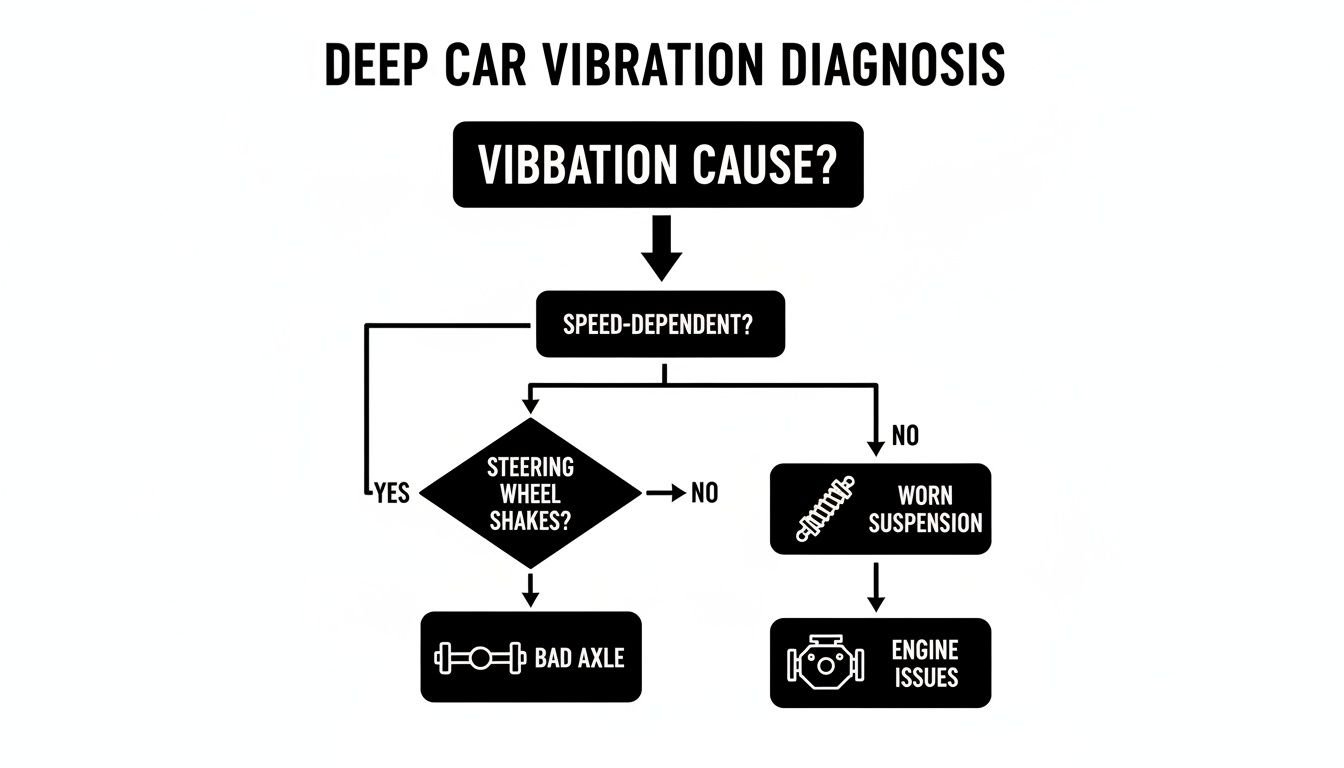
Many U.S. drivers notice a shaking steering wheel during highway trips, braking, or daily driving. This issue can feel minor at first, but it often points to a problem that affects comfort, tire life, and vehicle control.
From years of reviewing vehicle problems, one pattern is clear: the location and timing of the vibration tell you a lot. A shake that appears only at certain speeds usually has a different cause than a vibration that happens when braking or turning.
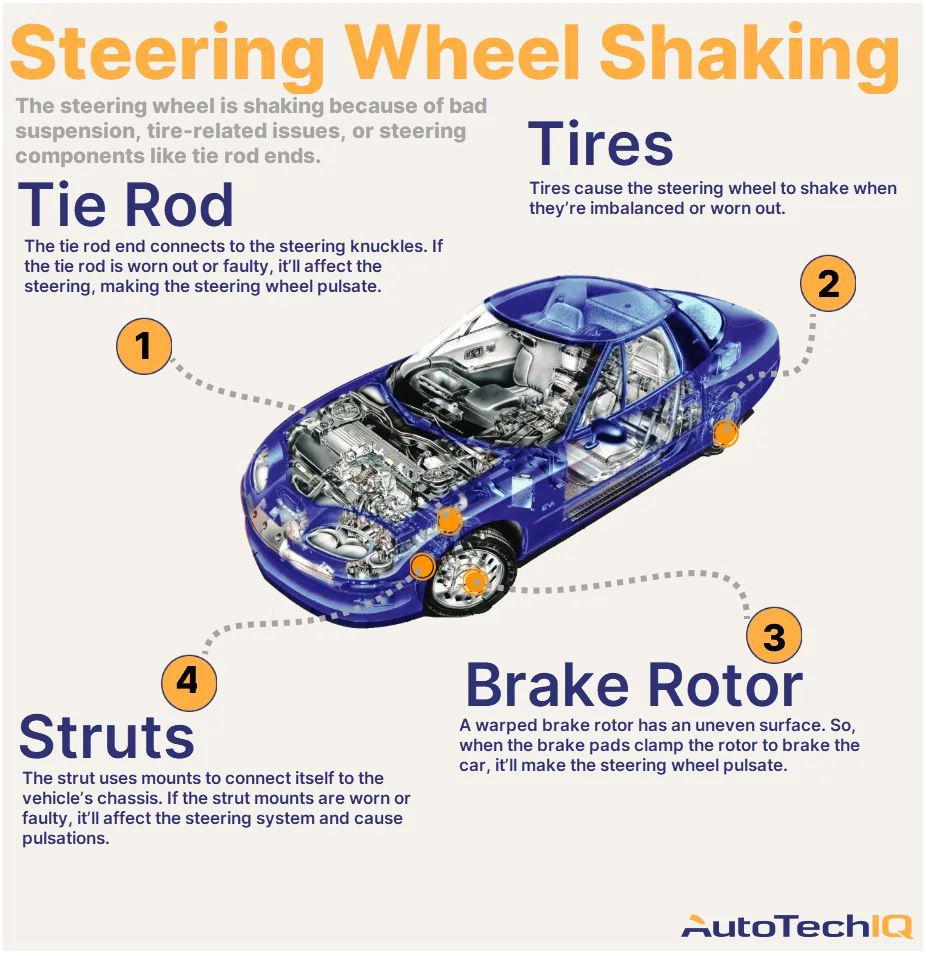
Common Causes of Steering Wheel Vibration
Understanding what causes steering wheel vibration starts with checking the parts that connect your hands to the road. Tires, wheels, brakes, suspension, and steering components all work together.
When one part becomes damaged, worn, or uneven, the vibration can travel through the steering system and reach the steering wheel.

- ✦ Unbalanced Tires
A tire with uneven weight distribution can create shaking, especially at highway speeds. Wheel balancing helps restore smooth rotation.
- ✦ Wheel Alignment Problems
Incorrect alignment angles can cause uneven tire wear, pulling, and steering wheel shaking.
- ✦ Worn Suspension Parts
Loose ball joints, tie rods, bushings, or struts can allow unwanted movement that creates vibration.
Why Tire Problems Often Cause Steering Shakes
Tires are the first place many mechanics check because they directly contact the road. Flat spots, uneven tread wear, low pressure, or internal tire damage can all create vibration.
- ✦ Tire Pressure
Incorrect tire pressure can change handling and increase vibration.
Steering Wheel Vibration at Different Speeds
The speed when vibration appears provides useful clues. Many drivers report shaking between 50 and 70 mph, which is a common range for wheel balance problems.
If the vibration changes with speed, the cause is often related to rotating parts such as tires, wheels, or axles.

- ✦ Low-Speed Vibration
Low-speed shaking may come from damaged tires, bent wheels, or steering system problems.
- ✦ High-Speed Vibration
Highway-speed vibration is often linked to tire imbalance, wheel issues, or alignment concerns.
Why Highway Driving Makes Problems More Noticeable
At higher speeds, small imperfections become stronger forces. A minor wheel imbalance that feels harmless around town can become a clear steering wheel shake on highways.
Brake Problems That Cause Steering Wheel Vibration
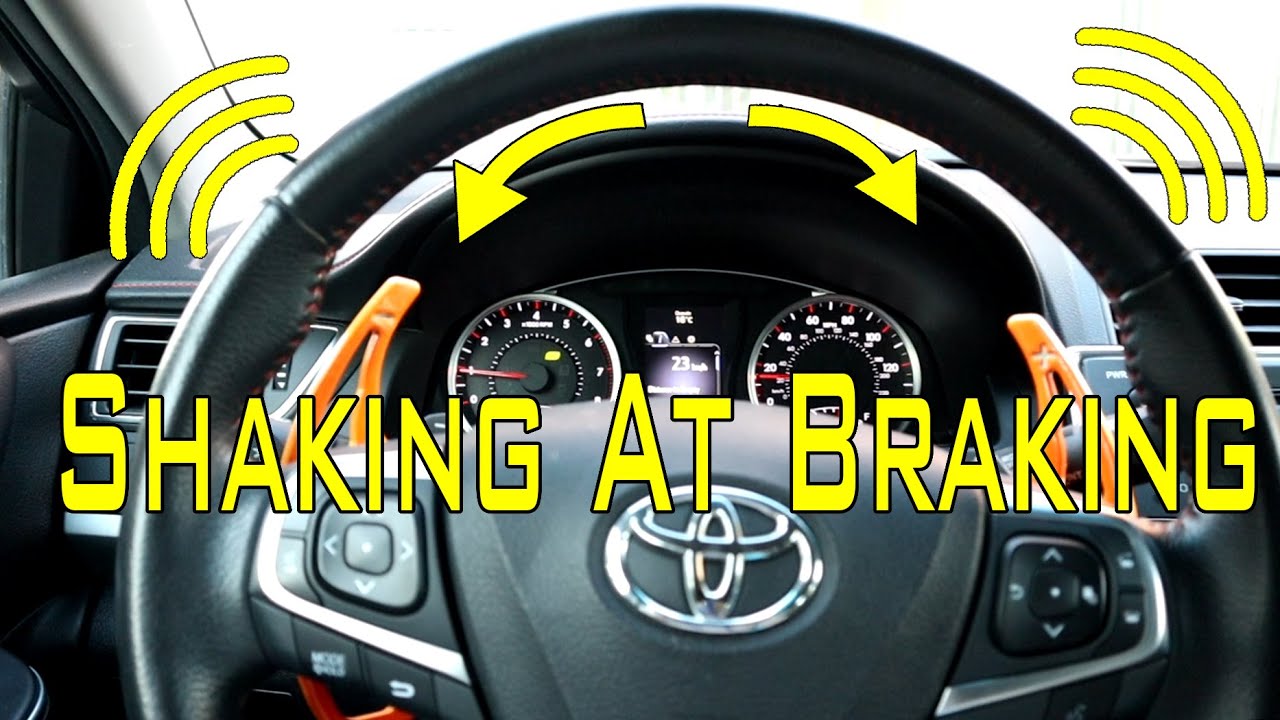
If the steering wheel vibrates mainly when you press the brake pedal, the braking system may be the source. Brake-related vibration is different from normal driving vibration.
A common cause is uneven brake rotor thickness. When brake pads press against an uneven rotor, the force can travel through the steering system.
- ✦ Warped Brake Rotors
Uneven rotor surfaces can create pulsation and steering wheel movement during braking.
- ✦ Brake Pad Issues
Uneven pad wear or poor contact can create inconsistent braking force.
How to Identify Brake Vibration
Brake vibration usually appears when slowing down. If the steering wheel stays smooth while cruising but shakes during braking, inspect the brake system first.
Suspension and Steering Components That Create Vibration
The suspension system keeps your tires connected to the road. When parts wear out, they can create movement that you feel through the steering wheel.
Older vehicles and vehicles driven on rough roads may experience these issues more often because suspension parts face constant stress.

- ✦ Loose Tie Rod Ends
Worn tie rods can create steering looseness and vibration.
- ✦ Damaged Struts
Weak struts can reduce wheel control and contribute to shaking.
- ✦ Worn Control Arm Bushings
Damaged bushings allow extra movement that affects steering stability.
How Mechanics Diagnose Steering Wheel Vibration
A proper diagnosis starts with observing when the vibration happens. Mechanics usually ask if it occurs while accelerating, braking, turning, or maintaining a certain speed.
A complete inspection may include checking tires, wheel balance, alignment, suspension parts, and steering components.

- ✦ Road Test
A technician drives the vehicle to reproduce the vibration and identify patterns.
- ✦ Visual Inspection
The vehicle is checked for tire damage, loose parts, and uneven wear.
- ✦ Wheel Balance Test
A balancing machine checks whether wheel weight is evenly distributed.
Ways to Fix Steering Wheel Vibration
The correct repair depends on the source of the vibration. Fixing the wrong component can waste money and leave the safety issue unresolved.
Regular maintenance helps prevent many vibration problems before they become noticeable.
- ✦ Balance and Rotate Tires
Routine tire service can correct uneven wear and improve ride quality.
- ✦ Perform Wheel Alignment
Alignment adjustments restore proper tire angles and steering control.
- ✦ Replace Worn Parts
Damaged suspension or steering parts should be replaced to restore stability.
