Understanding what is ground effect on a car helps explain why some vehicles feel more stable at high speeds. Instead of relying only on large wings, engineers use the space under the car to manage airflow and push the vehicle closer to the road.
From my experience studying vehicle aerodynamics, ground effect is one of the most interesting examples of simple physics improving performance. The same basic idea used in racing can also influence modern sports cars, electric vehicles, and advanced road car designs.

What Is Ground Effect on a Car and How Does It Work?
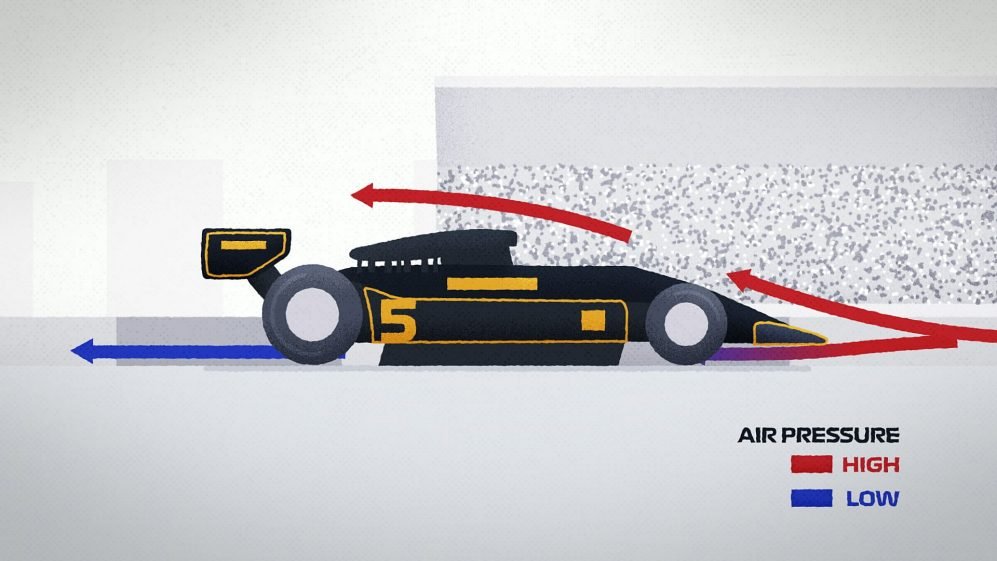
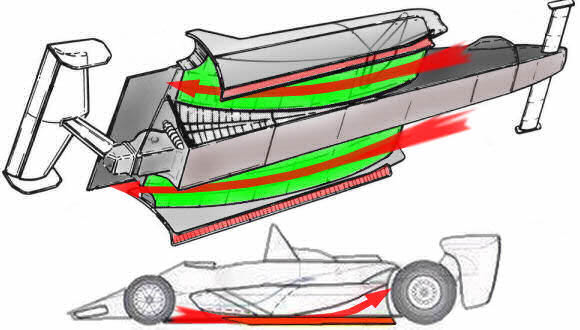
What is ground effect on a car? It is an aerodynamic method that creates downforce by controlling air moving beneath the vehicle. When air passes through a carefully designed underbody area, it can create lower pressure under the car compared with the air above it.
This pressure difference pulls the vehicle downward. The extra force increases tire contact with the road, which can improve cornering ability, braking stability, and high-speed control.

- ✦ Low-pressure area
A shaped underbody speeds up airflow beneath the car and reduces air pressure.
- ✦ More tire grip
Additional downward force helps tires maintain better contact with the road surface.
- ✦ Improved stability
Better airflow control can reduce vehicle movement during fast driving.
The Role of Air Pressure Under a Vehicle
Air pressure plays a key role in ground effect. When engineers reduce pressure beneath the car, the higher pressure above the vehicle creates a downward force.
The effect works best when airflow remains smooth. Sudden changes in ride height, damaged panels, or poor design can disturb the airflow and reduce performance.
How Ground Effect Creates Downforce Compared With Wings
Many people think downforce only comes from spoilers and wings, but ground effect works differently. A rear wing pushes air upward, which creates an opposite force that pushes the car downward.
Ground effect creates downforce below the vehicle. This approach can produce strong aerodynamic grip while creating less drag than very large external wings.
- ✦ Lower aerodynamic drag
Underbody solutions can create downforce without adding large external aerodynamic parts.
- ✦ Better efficiency
Efficient airflow management can improve performance without excessive resistance.
Ground Effect Versus Traditional Aerodynamic Parts
Front splitters, rear wings, and diffusers all influence airflow around a car. Ground effect focuses mainly on the air underneath the vehicle.
Modern performance cars often combine multiple aerodynamic systems to create balanced handling.
The History of Ground Effect in Racing
Ground effect became famous in motorsport because racing teams discovered that underbody airflow could create major performance gains. Formula 1 teams in particular explored this technology during the late 1970s.
The Lotus 79 became one of the most recognized examples of a ground effect race car. Its design showed how carefully managed airflow could transform vehicle performance.

- ✦ Formula 1 innovation
Race teams developed advanced underbody designs to increase cornering speed.
- ✦ Road car influence
Lessons from racing helped shape modern performance vehicle aerodynamics.
Benefits of Ground Effect on a Car
The main benefit of ground effect on a car is increased aerodynamic grip. More grip allows a vehicle to maintain speed through corners and remain more stable during aggressive driving.
For everyday drivers in the United States, the benefits are usually most noticeable in performance vehicles rather than normal commuting cars. However, many modern cars use basic aerodynamic principles to improve efficiency and stability.

- ✦ Improved cornering
Extra downforce helps reduce tire slip during fast turns.
- ✦ Better high-speed confidence
A stable vehicle feels more controlled at highway speeds and track speeds.
- ✦ Enhanced braking
Additional tire load can support stronger braking performance.
Why Performance Drivers Value Ground Effect
Track drivers often value predictable handling more than raw engine power. Ground effect helps create a vehicle that responds consistently when cornering at high speeds.
A well-designed aerodynamic system allows drivers to use more of the available tire grip.
Limitations and Problems With Ground Effect Design
Although ground effect offers many benefits, it requires careful engineering. If the airflow under the car becomes unstable, the vehicle may lose some aerodynamic performance.
Road cars also face practical challenges. Speed bumps, uneven roads, and debris can damage low aerodynamic parts used to manage airflow.
- ✦ Ride height sensitivity
Small changes in vehicle height can affect how air moves under the car.
- ✦ Road clearance issues
Very low vehicles may struggle with rough roads and steep entrances.
- ✦ Complex engineering
Creating stable airflow requires detailed testing and design.
How Modern Cars Use Ground Effect Technology
Modern performance cars use many ground effect principles through flat floors, diffusers, air tunnels, and active aerodynamic systems. Engineers use computer simulations and wind tunnel testing to improve airflow.
Electric vehicles also benefit from aerodynamic improvements because reducing drag helps improve efficiency and driving range.

- ✦ Flat underbody panels
Smooth panels help reduce turbulence beneath the vehicle.
- ✦ Rear diffusers
Diffusers help expand airflow and support aerodynamic balance.
Ground Effect in Everyday Road Cars
Most daily drivers do not create extreme ground effect like race cars. However, many vehicles use small aerodynamic features to improve stability and efficiency.
These features show how racing technology can influence consumer vehicle design.