When people ask What Is Tempered Automotive Glass, they usually want to know why their car windows do not act like normal glass. The answer is a special manufacturing process that makes the glass stronger and safer during everyday driving and accidents.
From my experience studying automotive materials, many drivers only think about their windshield when they consider vehicle glass safety. However, side windows and rear windows play a major role in protecting passengers, and tempered automotive glass is a key part of that protection system.
What Is Tempered Automotive Glass?
What Is Tempered Automotive Glass is a question about a specially treated type of safety glass used in many vehicle windows. Manufacturers heat regular glass to a very high temperature and then cool it quickly. This process changes the internal structure of the glass.
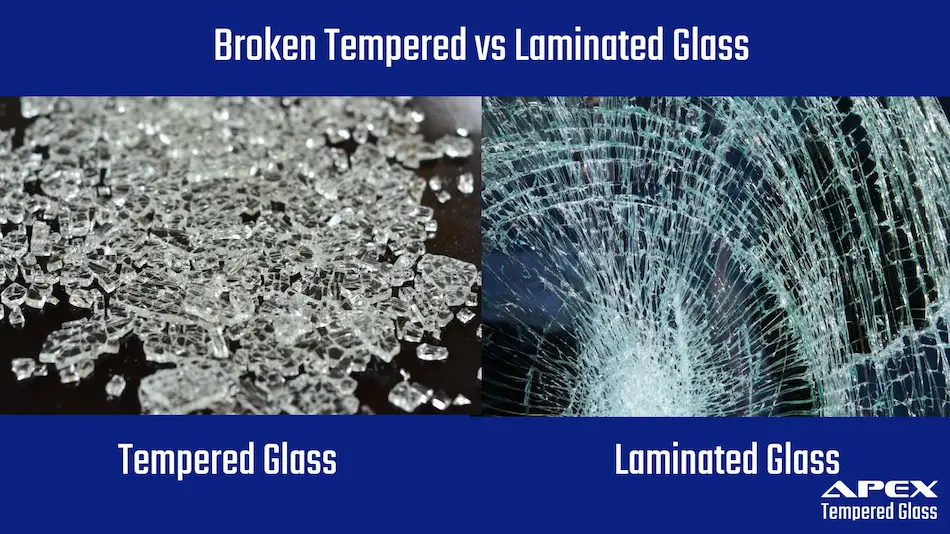
The result is glass that is several times stronger than standard untreated glass. When tempered automotive glass breaks, it usually falls into many small, rounded pieces instead of large sharp fragments. This reduces the chance of serious cuts during a collision.
- ✦ Safety Design
Tempered glass is designed to reduce injury risks by breaking into smaller pieces during impact.
- ✦ Common Uses
Vehicle side windows, quarter glass, and many rear windows often use tempered automotive glass.
Why Automakers Use Tempered Glass
Automakers choose tempered glass because it balances strength, safety, weight, and cost. It works well for areas where windows need to provide visibility while protecting passengers from common impacts.
- ✦ Passenger Protection
The small glass pieces created after breakage are less likely to cause deep cuts.
How Tempered Automotive Glass Is Made
The manufacturing process explains why tempered automotive glass performs differently from normal glass. The process starts with standard flat glass that is cut and shaped to match a vehicle window design.
After shaping, the glass enters a tempering furnace. It is heated evenly and then cooled quickly with controlled air. This rapid cooling creates compression on the surface and tension inside the glass.

- ✦ Heating Stage
Glass is heated until it reaches a temperature where its structure can be changed.
- ✦ Rapid Cooling Stage
Fast cooling creates strength by forming internal stress within the glass.
The Science Behind Glass Strength
The outer surface of tempered glass becomes compressed, which helps it resist normal impacts. If the glass receives enough force, the stored energy releases and causes the entire piece to break into small chunks.
- ✦ Controlled Break Pattern
The break pattern helps prevent dangerous sharp edges.
Where Tempered Automotive Glass Is Used in Vehicles
Many modern vehicles use tempered automotive glass in areas where quick breakage can improve emergency safety. The most common locations are side windows and rear windows.
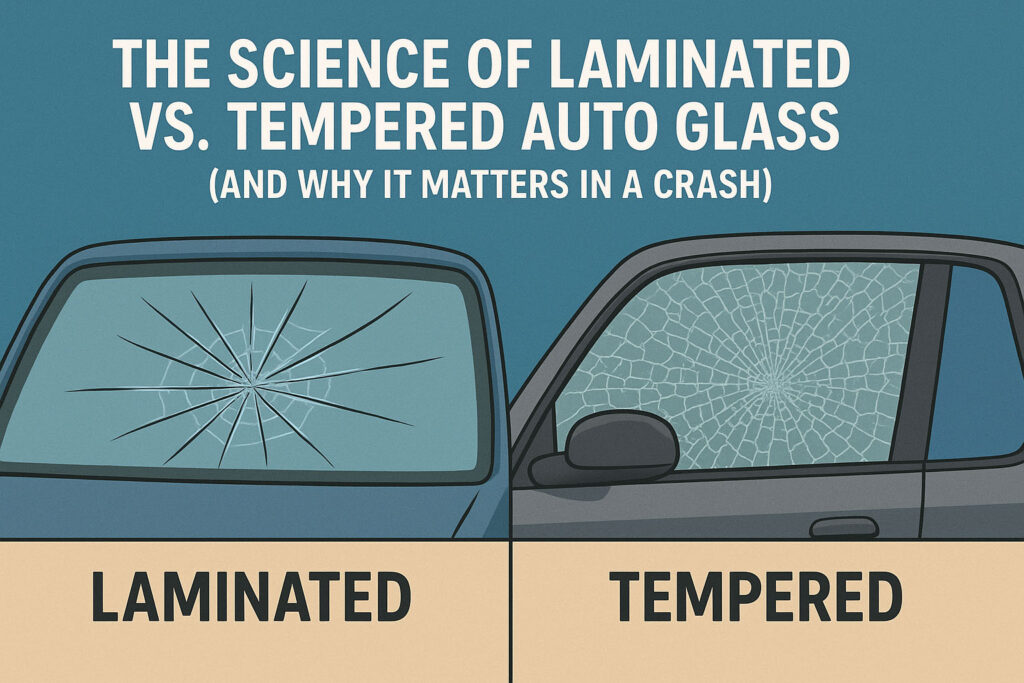
Windshields usually use laminated glass because they need to stay together after impact. Tempered glass serves a different purpose by allowing easier breakage when needed.

- ✦ Side Windows
Driver and passenger door windows commonly use tempered glass for safety and durability.
- ✦ Rear Windows
Many rear vehicle windows use tempered glass because of its strength and safety properties.
Why Windshields Are Different
A windshield must provide protection from flying objects and help maintain vehicle structure during crashes. Laminated glass uses a plastic layer between two glass sheets to keep the windshield together after damage.
- ✦ Laminated Construction
The plastic layer helps hold cracked glass in place.
Benefits of Tempered Automotive Glass
Tempered automotive glass provides several benefits for vehicle owners. It offers better impact resistance than regular glass and improves safety during accidents.
For everyday drivers in the United States, this means better protection during common situations such as side impacts, road debris hits, and emergency window breakage.

- ✦ Improved Safety
The small break pattern lowers the chance of injuries from sharp glass pieces.
- ✦ Better Strength
Tempered glass handles normal driving stress better than untreated glass.
- ✦ Heat Resistance
The treatment process helps glass handle temperature changes more effectively.
Daily Driving Advantages
Drivers experience the benefits of tempered glass every day without noticing it. The glass helps maintain clear visibility while supporting overall vehicle safety.
- ✦ Long-Term Reliability
Properly installed tempered glass can last for many years under normal conditions.
Limitations of Tempered Automotive Glass
Although tempered automotive glass offers many safety benefits, it also has limitations. Once it breaks, it cannot usually be repaired because the entire panel loses its structure.
A small chip that might be repairable in laminated glass often requires complete replacement in tempered glass windows.

- ✦ Cannot Be Repaired Easily
Broken tempered glass normally needs full replacement.
- ✦ Less Protection After Breakage
Unlike laminated glass, tempered glass does not stay attached after major damage.
Tempered Glass vs Laminated Glass
Tempered and laminated glass serve different roles in vehicle safety. Tempered glass focuses on safe breakage, while laminated glass focuses on staying together after impact.
- ✦ Tempered Glass
Best suited for side and rear windows where controlled breakage is useful.
- ✦ Laminated Glass
Best suited for windshields where glass retention is important.
How to Identify Tempered Automotive Glass
Vehicle glass usually includes markings that identify the glass type and safety standards. Drivers can check the small label printed near the edge of the window.
These markings may include manufacturer information, certification symbols, and terms that show the glass meets automotive safety requirements.

- ✦ Check Window Markings
Look for printed information near the bottom corner of the glass panel.
- ✦ Review Vehicle Information
Owner manuals or manufacturer records can confirm original glass specifications.