Understanding How Automatic Headlights Work helps drivers see why this feature has become common in modern vehicles across the United States. These systems remove the need to manually control headlights every time lighting conditions change.
From my experience studying automotive technology, the biggest advantage of automatic headlights is convenience combined with safety. Many drivers forget to turn lights on during rain, tunnels, or dusk, but automatic systems can respond within seconds.
What Are Automatic Headlights?
Automatic headlights are a vehicle lighting feature that turns headlights on and off without direct driver input. The system uses sensors and electronic controls to measure outside light levels.
When the system detects low light, such as nighttime, a tunnel, or heavy weather, it sends a signal to activate the headlights. During bright daylight, it can turn them off when conditions allow.
- ✦ Light detection
A sensor measures the amount of light around the vehicle and reports changes to the control module.
- ✦ Automatic response
The vehicle computer decides when headlights should activate based on programmed settings.
Why Manufacturers Add Automatic Headlights
Car makers add automatic headlights because they improve convenience and reduce mistakes. Drivers can focus more on the road instead of remembering small tasks.
- ✦ Driver convenience
The system removes the need to manually switch lights during changing conditions.
How Automatic Headlights Work Step by Step
The process behind How Automatic Headlights Work starts with a small sensor usually placed near the windshield or dashboard area. This sensor detects changes in outside brightness.
The sensor sends information to the body control module, which acts like the vehicle’s decision maker. If the light level falls below a set point, the module activates the headlights.

- ✦ Step 1: Light measurement
A photosensor checks the brightness outside the vehicle.
- ✦ Step 2: Signal processing
The control module analyzes the sensor data and compares it with programmed settings.
- ✦ Step 3: Headlight activation
The system sends power to the headlights when conditions require additional lighting.
The Role of the Light Sensor
The light sensor is the key part of an automatic headlight system. It often uses a photodiode or similar device that changes electrical signals based on incoming light.
- ✦ Fast detection
Sensors can quickly detect changes caused by sunset, shade, tunnels, or storms.
Types of Automatic Headlight Systems
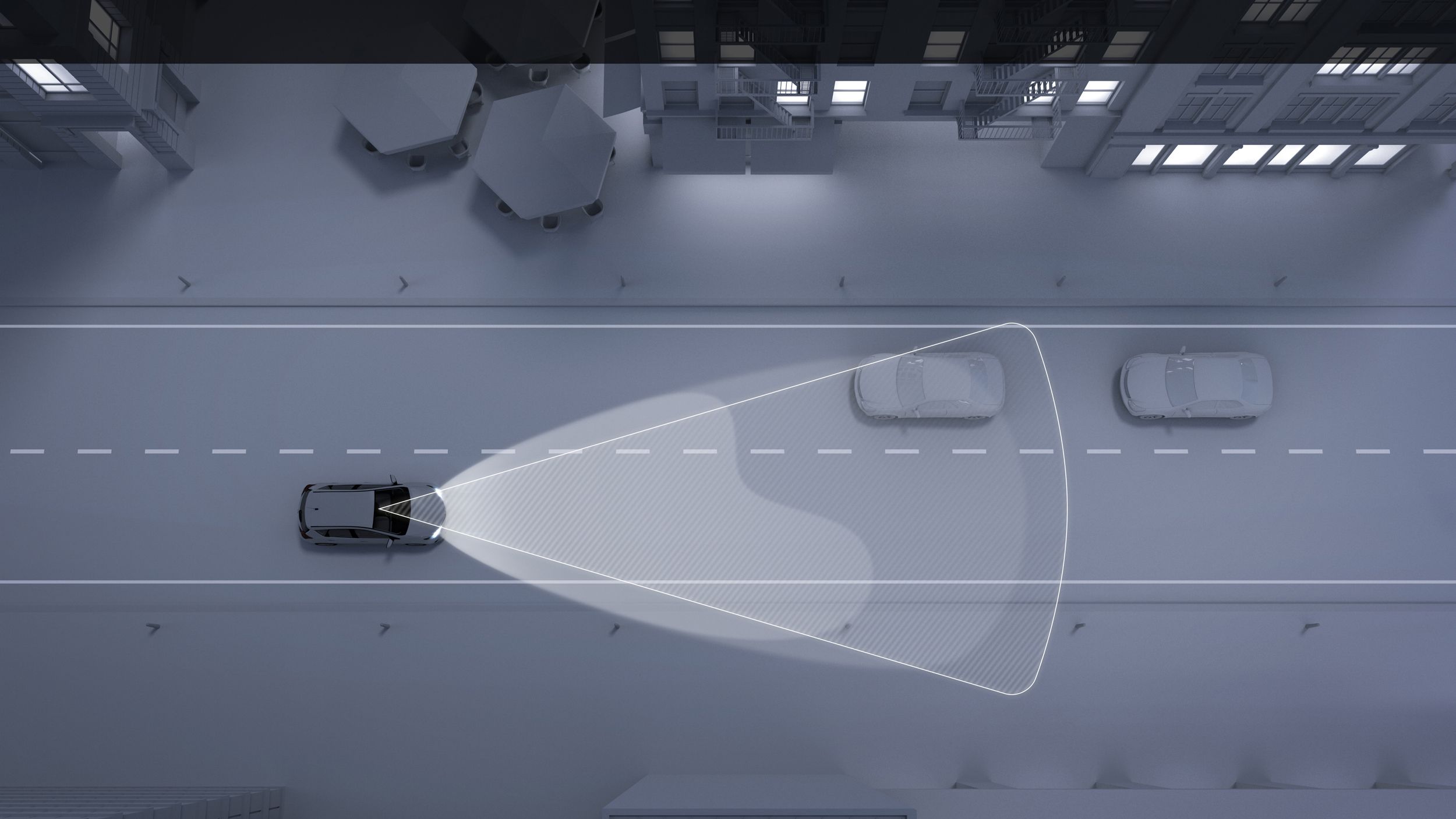
Not all automatic headlights work in the same way. Basic systems only turn lights on and off, while advanced systems can adjust lighting direction and brightness.
Modern vehicles in the US may include automatic high beams and adaptive headlights that use cameras and sensors to improve visibility.

- ✦ Automatic on and off headlights
These systems control basic headlight activation based on outside light conditions.
- ✦ Automatic high beams
These systems detect other vehicles and switch between high and low beams when needed.
- ✦ Adaptive headlights
These systems adjust beam direction to help drivers see around curves.
How Automatic High Beams Work
Automatic high beams use cameras and software to detect headlights from approaching vehicles and taillights from vehicles ahead. The system lowers the beam to avoid distracting other drivers.
- ✦ Camera monitoring
A front-facing camera watches road conditions and nearby vehicles.
Benefits of Automatic Headlights for Drivers
Automatic headlights provide several practical benefits for daily driving. They are especially useful for commuters who drive during early mornings, evenings, or changing weather.
In the United States, where drivers often travel through different road environments, automatic lighting helps maintain better visibility without extra effort.

- ✦ Improved safety
The system helps prevent driving with headlights off in low-light situations.
- ✦ Better convenience
Drivers do not need to remember manual headlight controls.
- ✦ Reduced distraction
Automatic operation allows drivers to focus more attention on the road.
Real World Driving Example
A driver leaving a bright parking area and entering a dark garage may not notice the sudden lighting change. Automatic headlights can respond quickly and maintain visibility.
Common Problems With Automatic Headlights
Although automatic headlights are reliable, they can experience problems caused by dirty sensors, electrical faults, or incorrect settings. Understanding these issues helps drivers solve simple problems faster.
A common mistake is assuming the system replaces all driver responsibility. Drivers should still check that lights work properly before driving.

- ✦ Dirty sensor
Dust or windshield buildup can reduce sensor accuracy.
- ✦ Sensor failure
A damaged light sensor may prevent automatic operation.
- ✦ Incorrect settings
Some vehicles allow drivers to disable or adjust automatic lighting features.
How to Maintain Automatic Headlights
Regular cleaning, proper bulb replacement, and checking vehicle settings can keep automatic headlights working correctly.
- ✦ Clean sensor areas
Keep windshield and sensor locations free from dirt and obstruction.
Automatic Headlights vs Manual Headlights
Manual headlights require the driver to decide when to turn lights on and off. Automatic headlights use sensors to make this decision based on road conditions.
Both systems can provide safe lighting, but automatic headlights reduce the chance of human error during busy driving situations.
- ✦ Manual headlights
The driver controls every lighting change using a switch.
- ✦ Automatic headlights
The vehicle controls lighting changes using sensors and software.