What Is Engine Knock Detection is a common question among drivers who want to understand how modern engines protect themselves. In simple terms, it is a system that listens for unusual vibrations caused by uncontrolled combustion inside the engine cylinder. When the system detects a problem, it helps the vehicle computer make quick adjustments.
From my experience studying automotive systems, I have found that many drivers first learn about engine knock when they hear a pinging sound during acceleration. Modern vehicles in the United States rely on knock detection technology because engines must balance power, fuel economy, emissions, and long-term reliability.

What Is Engine Knock Detection and Why Does It Matter?
What Is Engine Knock Detection refers to the process of identifying abnormal combustion events before they can harm engine parts. A normal engine burns the air and fuel mixture in a controlled way. Engine knock happens when parts of that mixture ignite at the wrong time.
This early ignition creates pressure waves inside the combustion chamber. These waves can create a metallic tapping sound and may increase stress on pistons, bearings, and cylinder walls. Knock detection helps the engine respond before the problem becomes severe.
- ✦ Protects engine parts
The system reduces the risk of damage caused by repeated uncontrolled combustion.
- ✦ Maintains performance
The engine can keep efficient ignition timing while avoiding unsafe conditions.
- ✦ Improves fuel control
The vehicle computer can adjust settings based on real driving conditions.
The Basic Idea Behind Engine Knock
Engine knock is also called detonation or pinging. It happens when fuel burns unevenly after the spark plug starts the normal combustion process.
The knock detection system works like a safety monitor. It does not stop every combustion event, but it helps the engine avoid harmful levels of pressure and vibration.
How Does a Knock Sensor Work?
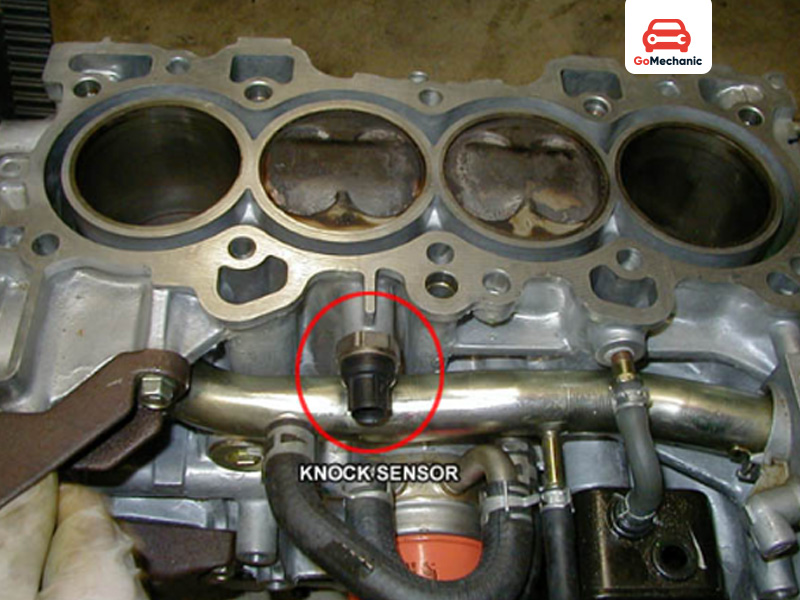
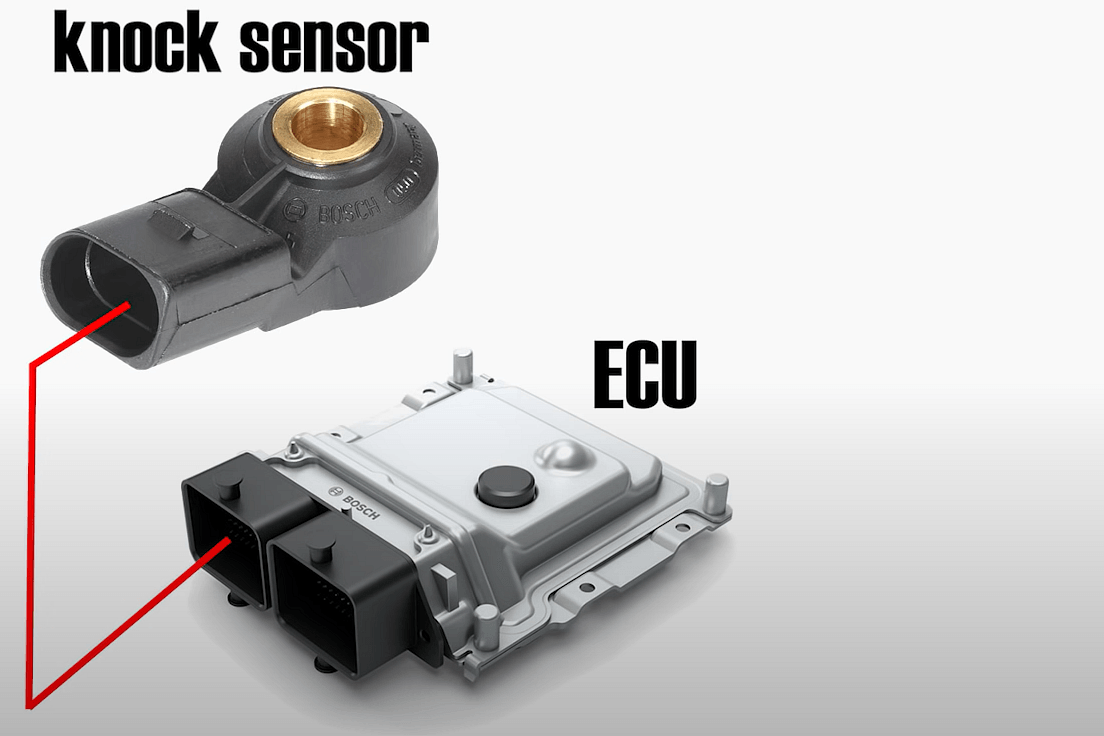
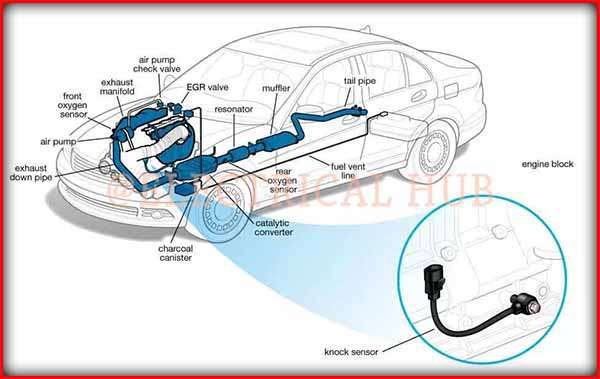
A knock sensor is the main part of an engine knock detection system. It is usually mounted on the engine block because this location allows it to sense vibrations caused by combustion problems.
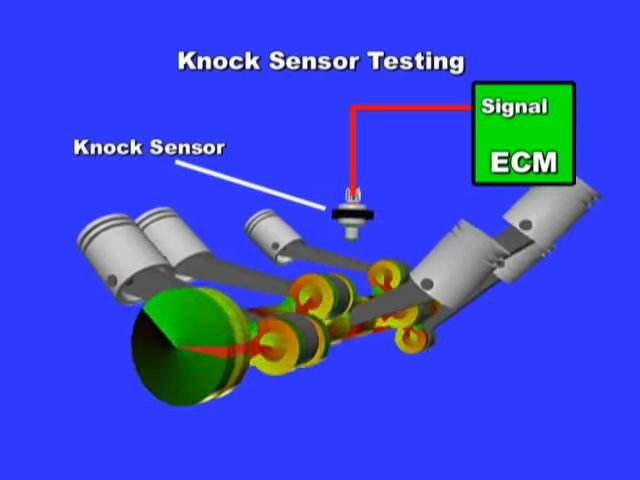
Most knock sensors use a piezoelectric material. When vibrations reach the sensor, the material creates an electrical signal. The engine control unit reads this signal and decides whether timing changes are needed.
- ✦ Detects vibration patterns
The sensor separates normal engine movement from harmful knock vibrations.
- ✦ Sends signals to ECU
The sensor communicates information to the engine computer for adjustment.
- ✦ Supports timing changes
The ECU can delay ignition timing when knock is detected.
The Role of the Engine Control Unit
The engine control unit acts as the brain of the system. It collects data from sensors and manages fuel injection and ignition timing.
When the ECU detects knock signals, it can reduce ignition advance. After conditions improve, it may slowly restore timing for better power and efficiency.
What Causes Engine Knock?
Engine knock can happen for several reasons. The most common causes involve fuel quality, engine temperature, ignition settings, or mechanical problems.
Understanding these causes helps drivers know when a warning sign needs attention. A small issue can become expensive if ignored for a long time.

- ✦ Low octane fuel
Fuel with an incorrect octane rating may ignite too early under pressure.
- ✦ High engine temperature
Excess heat can increase the chance of uncontrolled combustion.
- ✦ Incorrect ignition timing
Poor timing settings can create pressure before the ideal moment.
- ✦ Carbon buildup
Deposits inside the combustion chamber can change compression conditions.
Why American Drivers Should Pay Attention
Many U.S. drivers spend hours on highways, tow trailers, or drive in hot summer conditions. These situations can increase engine load and make knock protection important.
A healthy knock detection system gives drivers extra protection during demanding conditions.
Signs of Engine Knock or Knock Sensor Problems
Drivers may notice several signs when engine knock occurs or when the detection system fails. These symptoms can vary depending on the vehicle and the severity of the issue.
A proper diagnosis is important because similar symptoms can come from different engine problems.
- ✦ Pinging sound
A light metallic tapping sound during acceleration may indicate knock.
- ✦ Reduced power
The ECU may reduce performance to protect the engine.
- ✦ Check engine light
A faulty knock sensor can trigger warning codes.
- ✦ Poor fuel economy
Incorrect timing adjustments may affect efficiency.
How Mechanics Diagnose Engine Knock Detection Issues
Professional technicians use several methods to diagnose knock-related problems. They usually begin by scanning the vehicle computer for trouble codes.
A scan tool alone does not always reveal the complete problem. Mechanics may also inspect wiring, sensor connections, fuel quality, and engine operation.
- ✦ OBD scan testing
Technicians check stored codes related to knock sensor operation.
- ✦ Visual inspection
The sensor, wiring, and connectors are checked for damage.
- ✦ Live data review
Engine data helps confirm how the system reacts while driving.
Why Replacing a Sensor Is Not Always the Answer
Some drivers replace the knock sensor immediately after seeing a warning code. However, the real cause may be wiring problems, fuel issues, or another engine condition.
A complete diagnosis saves money and prevents unnecessary repairs.
Benefits and Limitations of Engine Knock Detection
Engine knock detection provides major benefits for modern vehicles. It allows manufacturers to build engines that deliver strong performance while meeting reliability and emissions goals.
However, the system is not a replacement for maintenance. It can reduce damage risk, but it cannot fix poor fuel, worn parts, or neglected service.
- ✦ Benefit: Better engine protection
The system reacts quickly when unsafe combustion begins.
- ✦ Benefit: Improved efficiency
The engine can operate closer to ideal timing conditions.
- ✦ Limitation: Sensor failure
A damaged sensor may send incorrect information.
- ✦ Limitation: Cannot solve mechanical damage
Existing engine problems still require repairs.
The Future of Knock Detection Technology
Modern engines continue to use smarter sensors and computer controls. As manufacturers develop turbocharged and efficient engines, accurate combustion monitoring becomes even more important.
Future systems may combine more sensor data to improve engine control in real time.