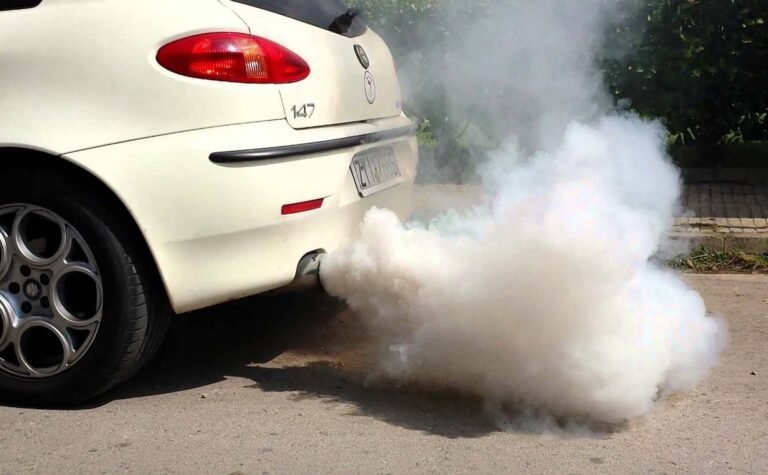
Understanding what causes a catalytic converter to fail helps drivers avoid expensive exhaust repairs. The catalytic converter is a key part of a vehicle’s emissions system. It changes harmful gases from the engine into safer gases before they leave the exhaust pipe.
From my experience reviewing vehicle repair cases, many failed catalytic converters are not the original problem. The converter often becomes the victim of another issue, such as a misfiring engine, leaking injector, or poor fuel mixture. Finding the real cause can prevent repeated failures.
For drivers in the United States, where daily commuting and long road trips are common, a healthy catalytic converter supports both vehicle performance and emissions compliance. Knowing the warning signs can help you act before a small issue becomes a major repair.

How a Catalytic Converter Works and Why It Can Fail
A catalytic converter sits between the engine and the exhaust pipe. Inside it are precious metals that help create chemical reactions. These reactions reduce harmful emissions like carbon monoxide, hydrocarbons, and nitrogen oxides.
The converter is built to handle high temperatures, but it has limits. When the engine sends abnormal gases or excess fuel into the exhaust, the converter can overheat or become damaged.
Learning what causes a catalytic converter to fail starts with understanding that the part depends on the entire engine system working correctly.
- ✦ Normal exhaust cleaning process
The catalytic converter changes harmful exhaust gases into less harmful compounds before they exit the vehicle.
- ✦ Sensitive internal structure
The ceramic honeycomb inside can crack, melt, or become blocked when exposed to extreme conditions.
Why Catalytic Converters Are Important
A working catalytic converter helps vehicles meet emissions rules and keeps exhaust gases cleaner. A damaged converter can increase pollution and may cause a vehicle to fail an emissions test.
The converter does not create power, but a blocked unit can reduce engine performance because exhaust cannot flow freely.
Engine Misfires Are One of the Biggest Causes of Catalytic Converter Failure
Engine misfires are among the most common answers to the question, what causes a catalytic converter to fail. A misfire sends unburned fuel into the exhaust system instead of burning it inside the engine.
That extra fuel burns inside the catalytic converter. The heat can become extreme and damage the internal ceramic material.
Ignoring a flashing check engine light can make the damage worse because it often points to a serious misfire condition.

- ✦ Bad spark plugs
Worn spark plugs can prevent complete combustion and send excess fuel toward the catalytic converter.
- ✦ Faulty ignition coils
Weak ignition coils can create repeated misfires that increase exhaust temperatures.
- ✦ Fuel system problems
Leaking fuel injectors or incorrect fuel delivery can damage the converter over time.
Overheating Can Melt the Catalytic Converter Interior
Heat is necessary for a catalytic converter to work, but too much heat causes failure. A converter may operate normally at high temperatures, but extreme heat can melt its internal passages.
Many cases of catalytic converter failure happen after long periods of overheating caused by engine issues. The converter may look normal from the outside while the inside is damaged.
Overheating is a major reason why replacing the converter without fixing the original engine problem often leads to another failure.

- ✦ Rich fuel mixture
Too much fuel compared with air creates extra burning inside the exhaust system.
- ✦ Cooling system failures
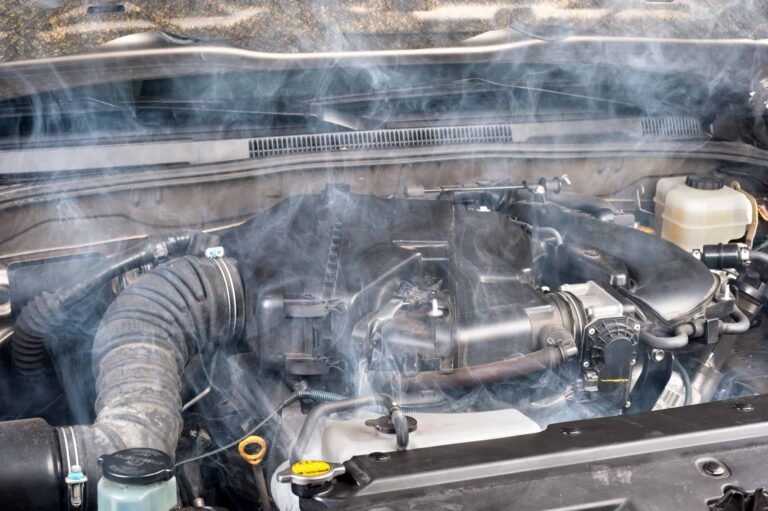
Engine overheating can increase stress throughout the vehicle, including the exhaust system.
Signs of a Heat-Damaged Converter
A heat-damaged converter may cause weak acceleration, reduced fuel economy, and unusual exhaust smells. In severe cases, the vehicle may enter reduced power mode.
A mechanic can confirm internal damage through temperature tests, backpressure tests, or diagnostic scans.
Contamination and Chemical Damage Can Destroy the Catalyst Material
Another important answer to what causes a catalytic converter to fail is contamination. The precious metals inside the converter need clean exhaust gases to work properly.
Certain substances can coat the catalyst surface and stop chemical reactions. Once this happens, the converter may lose efficiency even if the outer shell looks fine.
Using the correct fluids and repairing leaks quickly can reduce contamination risks.

- ✦ Engine oil entering the exhaust
Burning oil can create deposits that cover the catalytic material.
- ✦ Coolant leaks
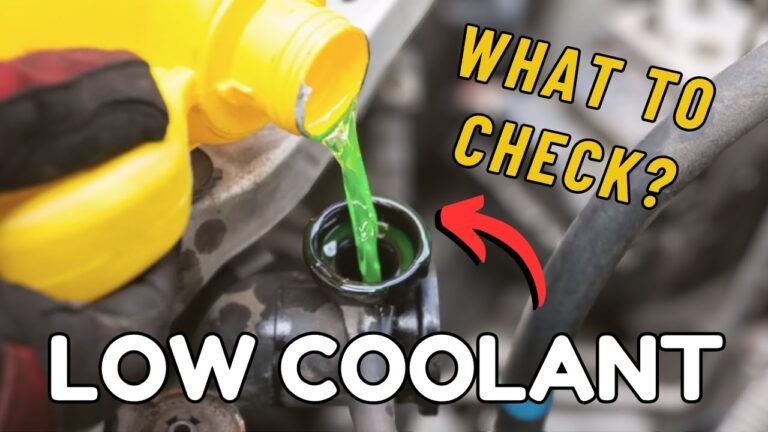
Coolant entering the combustion chamber can create harmful deposits inside the converter.
- ✦ Wrong fuel additives
Some chemicals may damage converter performance when used incorrectly.
Physical Damage and Road Conditions Can Cause Catalytic Converter Problems
Catalytic converters are mounted under vehicles, which makes them vulnerable to road damage. A strong impact from debris, speed bumps, or rough roads can crack the housing or internal structure.
In some areas of the United States, vehicle owners also face catalytic converter theft because the metals inside have resale value.
Physical damage is different from internal failure because the converter may stop working even when the engine runs correctly.

- ✦ Broken exhaust housing
Cracks can allow exhaust leaks and reduce converter effectiveness.
- ✦ Stolen converter
A missing converter requires replacement before the exhaust system works correctly.
Common Symptoms of a Failing Catalytic Converter
Knowing the symptoms of catalytic converter failure helps drivers find problems early. A failing converter often affects engine performance before it completely stops working.
The symptoms can also appear with other vehicle problems, so proper diagnosis is important before replacing expensive parts.
- ✦ Check engine light
A failed converter can trigger efficiency-related diagnostic trouble codes.
- ✦ Slow acceleration
A blocked converter can restrict exhaust flow and reduce engine power.
- ✦ Poor fuel economy
Exhaust problems can force the engine to work harder.
- ✦ Rotten egg smell
Sulfur smells may appear when the converter cannot process exhaust gases correctly.
How to Prevent Catalytic Converter Failure
Preventing failure is easier and cheaper than replacing a catalytic converter. The best approach is maintaining the systems that affect exhaust performance.
Regular maintenance helps catch small engine problems before they create expensive converter damage.
- ✦ Fix check engine lights quickly
Early diagnosis can prevent fuel and ignition problems from damaging the converter.
- ✦ Maintain the ignition system
Replacing worn spark plugs and faulty coils helps prevent misfires.
- ✦ Use correct fluids
Proper oil and coolant maintenance reduces contamination risks.