For many EV owners in the United States, Level 2 charging is the practical middle ground between slow home charging and expensive fast charging stations. It gives drivers enough power to recharge during normal daily routines, such as overnight parking or while working from home.
When people ask, What Is Level 2 EV Charging, they usually want to know if it can replace gas station visits. In real-world use, a properly installed Level 2 charger can make EV ownership much easier by keeping the battery ready for daily driving.
From reviewing EV charging setups, the biggest lesson is that the right charger depends on driving habits, home electrical capacity, and vehicle needs. A larger charger is not always better if the home system cannot support it.

What Is Level 2 EV Charging and How Does It Work?
Level 2 EV charging is a charging system that uses a 240-volt electrical supply to deliver power to an electric vehicle. It is commonly used in homes, workplaces, apartments, and public charging locations across the United States.
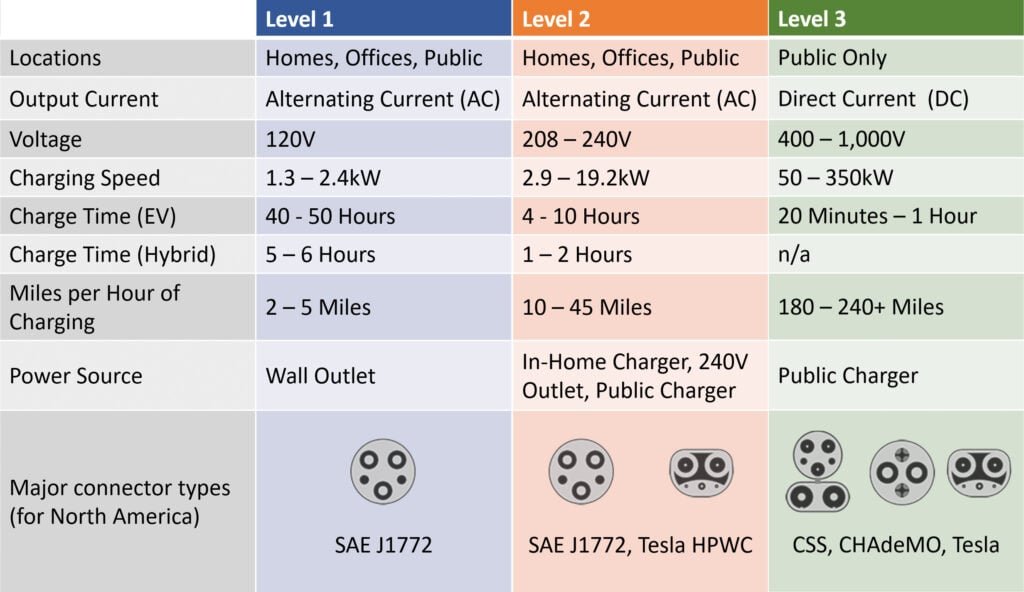
Unlike Level 1 charging, which uses a normal 120-volt household outlet, Level 2 charging sends electricity to the vehicle battery at a much higher rate. The charger converts and manages power delivery so the battery receives energy safely.
A Level 2 charger does not directly charge the battery with household AC power. Instead, the vehicle’s onboard charger changes AC electricity into DC power that the battery can store.
- ✦ Power Source
Level 2 chargers usually connect to a 240-volt circuit similar to the type used for electric dryers or ovens.
- ✦ Charging Connection
Most Level 2 chargers in the U.S. use a J1772 connector, while Tesla vehicles use their own connector system or adapters.
- ✦ Smart Features
Many modern chargers include mobile apps, scheduling, energy tracking, and remote controls.
How Fast Is Level 2 EV Charging?
Charging speed is one of the main reasons drivers choose Level 2 EV charging. While exact speeds vary, many Level 2 chargers can add significantly more driving range per hour compared with a basic wall outlet.
The charging rate depends on three main factors: charger output, vehicle charging limits, and battery size. A powerful charger will not increase speed if the vehicle cannot accept that much power.
For daily commuters, Level 2 charging often provides enough energy during overnight parking to handle regular driving needs the next day.

- ✦ Vehicle Capacity
Each EV has a maximum charging rate, so the car controls how much power it accepts.
- ✦ Charger Output
Higher output Level 2 chargers can provide more energy when supported by the vehicle and electrical system.
- ✦ Battery Size
Large battery packs require more time to reach a full charge than smaller batteries.
Level 2 Charging Compared With Other Charging Levels
Level 1 charging is the slowest option because it uses a standard household outlet. DC fast charging is much quicker but is mainly designed for public charging stops during longer trips.
Level 2 charging sits between these options. It provides a strong balance of speed, cost, and convenience for most personal EV owners.
- ✦ Level 1
Uses 120 volts and works best for drivers with short daily trips.
- ✦ Level 2
Uses 240 volts and is ideal for home and workplace charging.
- ✦ DC Fast Charging
Uses high-power charging equipment for quick public charging sessions.
What Are the Benefits of Level 2 EV Charging at Home?
Home charging is one of the biggest advantages of owning an EV. A Level 2 charger allows drivers to start each day with a charged battery without making extra stops.
For many American households, the garage becomes the main charging location. Drivers can plug in after work, sleep overnight, and begin the next morning with more range.
A home Level 2 charger can also improve convenience for families with multiple electric vehicles because charging schedules can be managed around daily routines.
- ✦ Daily Convenience
Drivers can charge at home instead of visiting public charging stations frequently.
- ✦ Better Routine
Charging can happen during low-use hours, such as overnight.
- ✦ Future Readiness
A home charging setup can support future EV ownership as more vehicles become electric.
What Is Needed to Install a Level 2 EV Charger?
Installing a Level 2 EV charger usually requires more planning than plugging in a standard device. The home electrical system must have enough capacity to support the additional load.
Many homeowners install a dedicated circuit from the electrical panel to the charging location. A licensed electrician can check panel capacity, wiring requirements, and local electrical codes.
The installation location also matters. A garage, driveway, or outdoor parking area may need weather protection and proper cable placement.

- ✦ Electrical Panel Check
The home’s electrical panel must have enough available capacity for the charger.
- ✦ Dedicated Circuit
A separate circuit helps provide safe and reliable charging.
- ✦ Professional Installation
Qualified electricians help ensure the charger meets safety standards.
Can Every Home Support Level 2 Charging?
Not every home can immediately support a Level 2 charger. Older homes or properties with limited electrical capacity may need upgrades before installation.
A professional inspection can identify whether the current electrical system can handle the added demand.
- ✦ Older Electrical Systems
Some older properties may require panel improvements.
How Much Does Level 2 EV Charging Cost?
The cost of Level 2 EV charging includes both the charger price and installation expenses. The final amount depends on charger features, electrical work, and installation complexity.
Basic chargers may cost less, while smart chargers with Wi-Fi, scheduling, and energy monitoring usually cost more. Installation costs can increase if the electrical panel is far from the parking area.
Some homeowners may qualify for utility programs, rebates, or incentives that help reduce installation expenses.
- ✦ Equipment Cost
The charger itself varies based on power output and smart features.
- ✦ Installation Cost
Electrical upgrades and wiring distance affect total installation expenses.
- ✦ Available Incentives
Local programs may provide financial support for EV charging equipment.
Is Level 2 EV Charging Safe for Everyday Use?
Level 2 EV charging is designed for regular use when installed correctly. Modern chargers include safety features that monitor electricity flow and protect the vehicle during charging.
Like any electrical equipment, proper installation matters. Using certified equipment and following manufacturer instructions helps reduce risks.
Many EV owners use Level 2 chargers every night for years because they are built for repeated charging cycles.
- ✦ Built-In Protection
Chargers monitor power delivery and stop charging when problems occur.
- ✦ Weather Protection
Outdoor chargers should be rated for outdoor conditions.