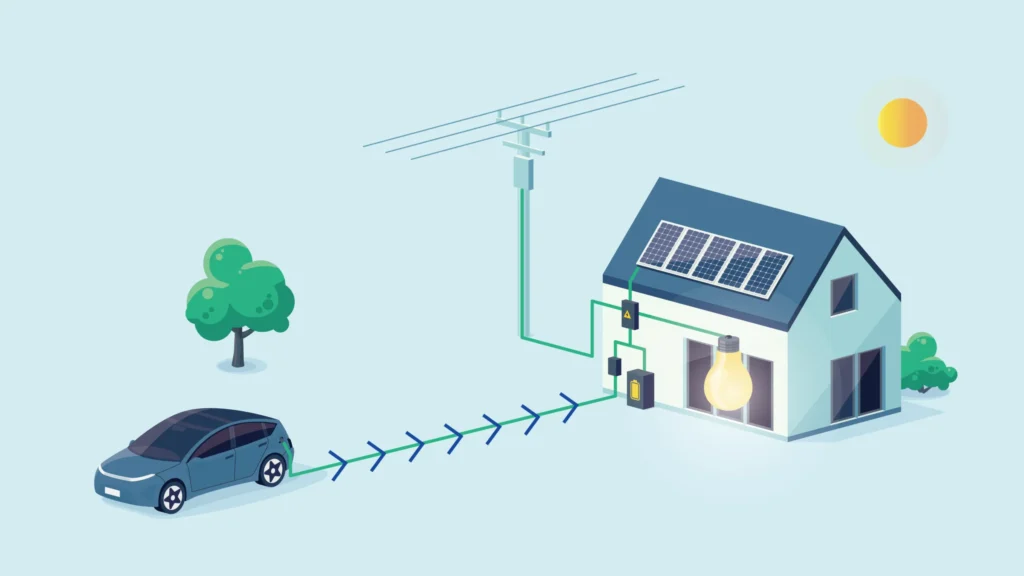
What Is Vehicle to Home Charging is a common question as more Americans adopt electric vehicles. Unlike regular EV charging, V2H allows energy to move in two directions. Your vehicle can receive electricity and also send electricity back to your home.
From a practical homeowner view, this changes an EV from only a transportation tool into a mobile energy storage system. During a power outage or high electricity demand period, a compatible EV can support important home devices when paired with the right equipment.
How Vehicle to Home Charging Works
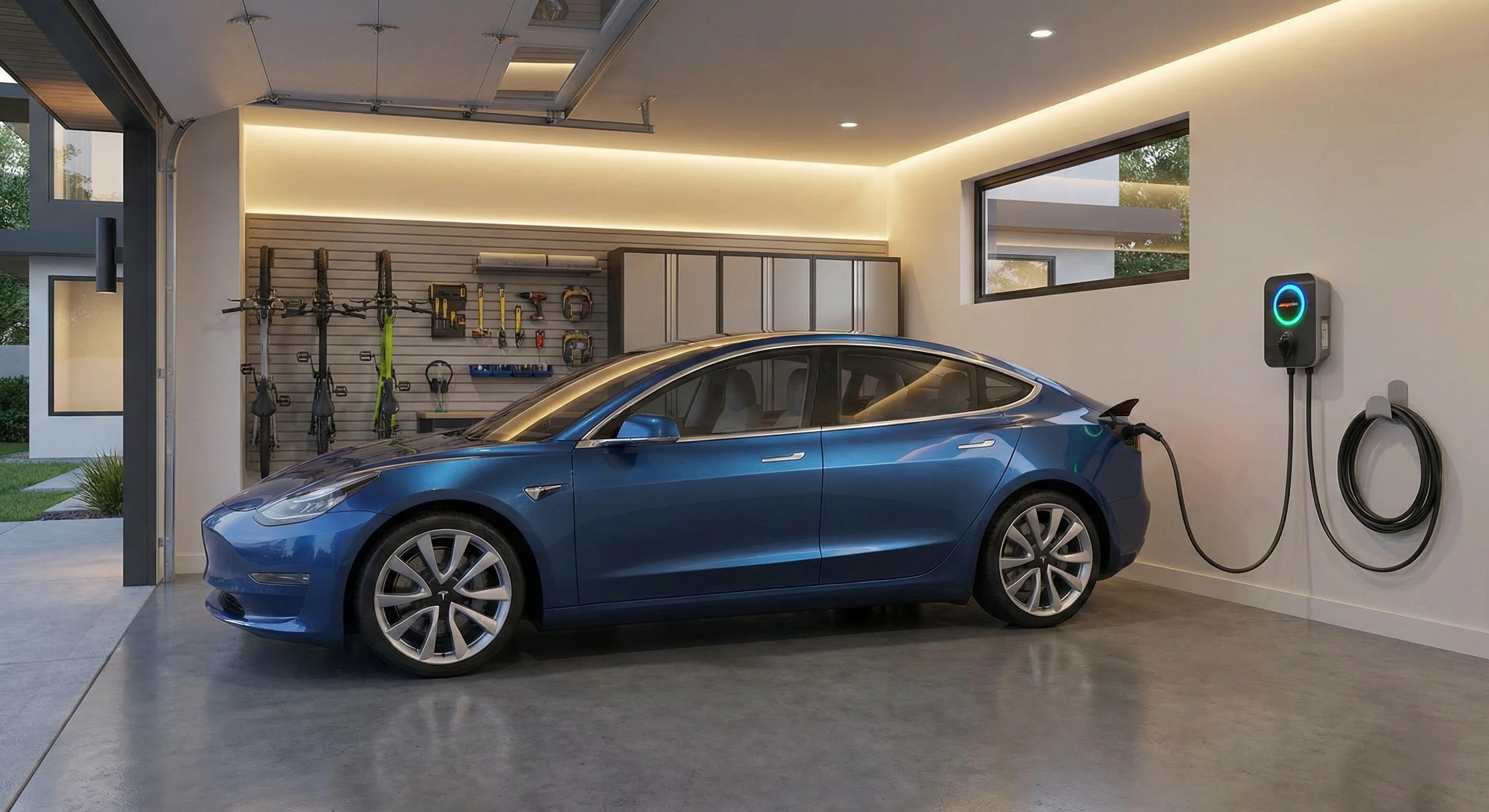
Vehicle to Home charging uses a bidirectional charging system. A normal charger only moves electricity from the grid to the vehicle battery. A V2H charger can reverse that process and send stored energy from the EV back into the house.
The system usually includes a compatible electric vehicle, a bidirectional charger, home energy controls, and a connection to the home’s electrical panel. These parts work together to safely manage power flow.

- ✦ Bidirectional charger
This charger controls electricity moving into and out of the EV battery.
- ✦ Energy management system
This system decides when to store power and when to supply energy to the home.
The Difference Between Regular Charging and V2H
Regular home charging fills an EV battery for driving. Vehicle to Home charging adds another function by allowing the battery to support household energy needs.
- ✦ Regular EV charging
Electricity moves in one direction from the grid to the vehicle.
- ✦ V2H charging
Electricity can move between the vehicle and the home.
Benefits of Vehicle to Home Charging for Homeowners
The main reason people explore What Is Vehicle to Home Charging is the chance to use their EV battery in more useful ways. A large EV battery can store much more energy than many small home backup batteries.
For US homeowners, this can be helpful during storms, grid problems, or periods when electricity prices rise. The value depends on local energy rules, equipment costs, and vehicle compatibility.
- ✦ Backup power
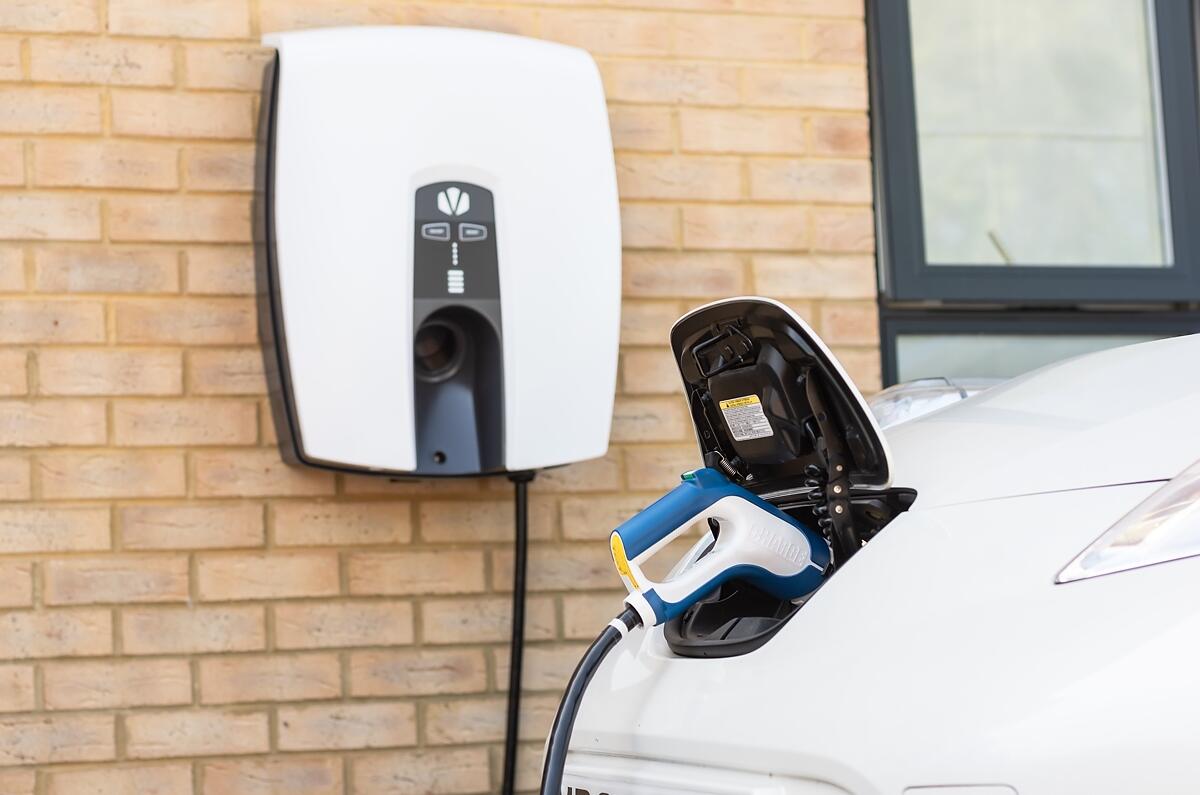
A V2H system can provide electricity for selected home circuits during outages.
- ✦ Energy savings
Some systems can charge during lower-cost periods and supply energy when prices are higher.
- ✦ Better use of renewable energy
EV owners with solar panels can store extra solar energy inside the vehicle battery.
Using an EV During Power Outages
Many homeowners think about V2H after experiencing storms or blackouts. Instead of relying only on a gasoline generator, a compatible EV can become part of a home backup plan.
What Equipment Do You Need for Vehicle to Home Charging
Understanding What Is Vehicle to Home Charging also means understanding the hardware involved. A standard Level 2 EV charger cannot usually send electricity back to a home because it is designed for one-way charging.
A complete V2H setup needs special equipment that meets electrical safety standards and works with the vehicle manufacturer requirements.

- ✦ Compatible EV
The electric vehicle must support bidirectional power transfer.
- ✦ V2H charger
A special charger manages two-way electricity movement.
- ✦ Professional installation
A qualified electrician connects the system safely to the home electrical panel.
Which Electric Vehicles Support Vehicle to Home Charging
Not every EV supports Vehicle to Home charging. The feature depends on the battery system, software, charging hardware, and manufacturer design.
As technology improves, more automakers are adding bidirectional charging features. Buyers should check official vehicle specifications before purchasing a V2H setup.
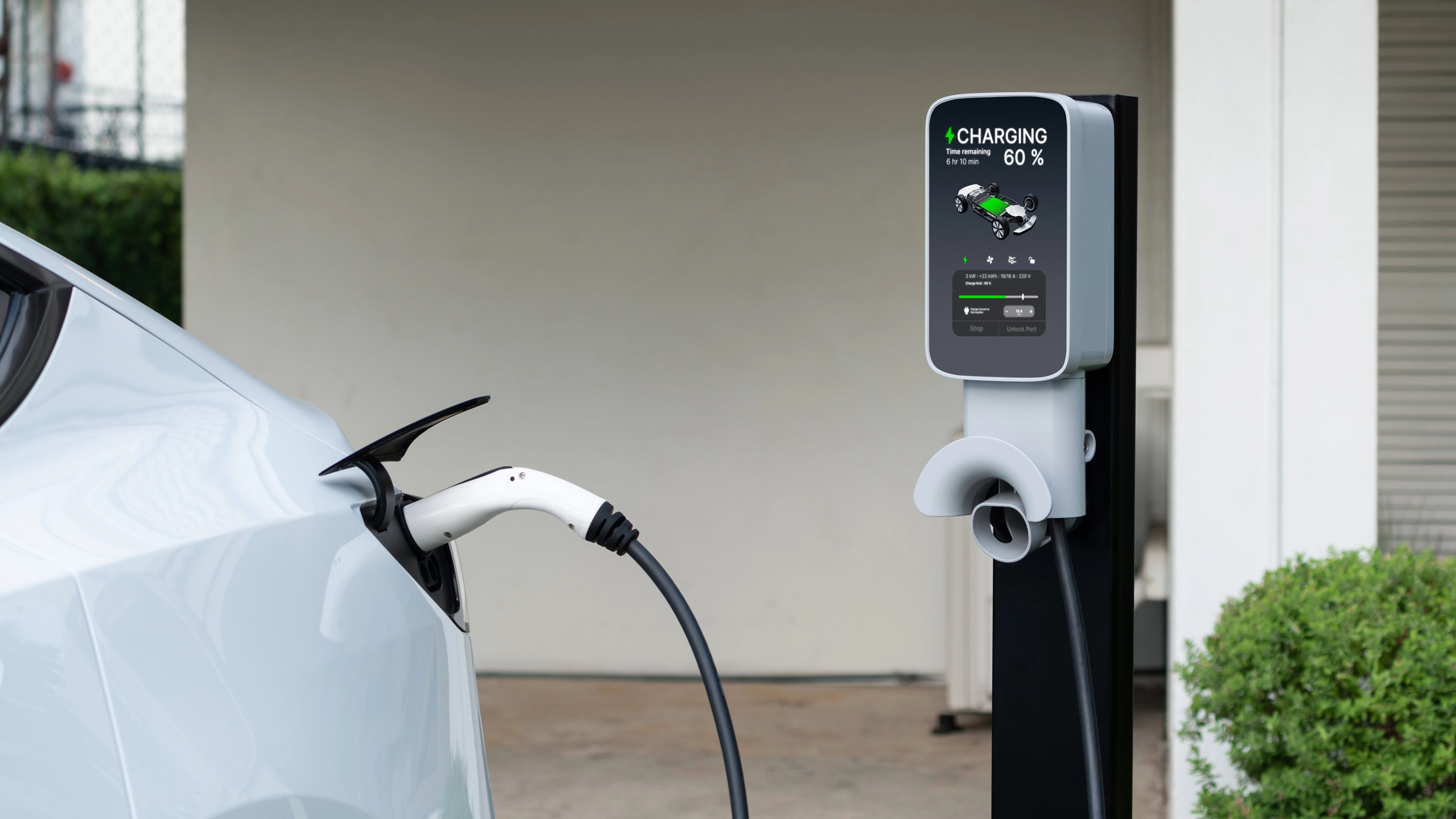
- ✦ Check vehicle compatibility
Look for official support for bidirectional charging or V2H features.
- ✦ Check charger compatibility
The vehicle and charger must work together as one complete system.
Limitations and Challenges of Vehicle to Home Charging
Although V2H has strong potential, it is not a perfect solution for every household. Installation costs, limited vehicle options, and local energy rules can affect whether the system makes sense.
Battery use is another consideration. Using an EV battery for home power adds extra charging cycles, although modern EV batteries are designed for long-term use.
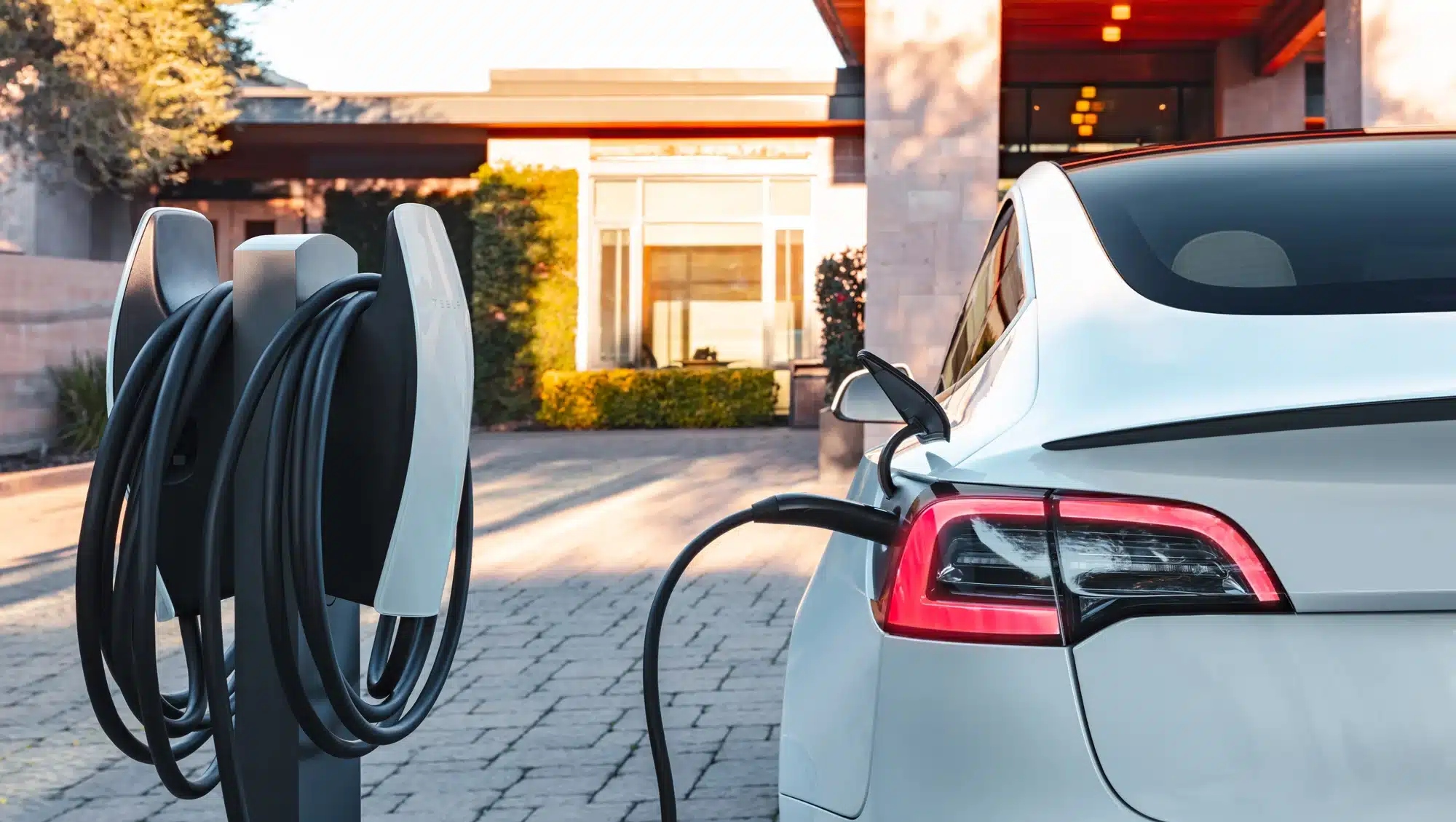
- ✦ Higher upfront cost
Bidirectional chargers and installation can cost more than traditional EV chargers.
- ✦ Limited availability
Only certain vehicles and chargers currently support V2H.
- ✦ Installation requirements
Homes may need electrical upgrades before adding the system.
Vehicle to Home Charging vs Home Battery Storage
Many homeowners compare V2H systems with dedicated home batteries. Both store energy, but they work in different ways.
A home battery stays at the property, while an EV battery can move with the vehicle. The best option depends on driving habits, energy goals, and budget.
- ✦ Vehicle to Home
Uses an electric vehicle battery that also serves transportation needs.
- ✦ Home battery
Provides stationary energy storage designed only for household use.