If you have searched for What Is a Heads Up Display in a Car, you are likely curious about one of the most noticeable upgrades in modern vehicle interiors. A head-up display, often called HUD, helps drivers see key details without taking their eyes away from the road.
From my experience studying automotive technology trends, HUD systems have changed from luxury features into practical tools found in many newer vehicles. They help drivers check speed, navigation, and alerts in a more natural way during daily driving in the United States.
Unlike a traditional dashboard screen, a car HUD places information closer to your normal line of sight. This simple idea can make driving feel easier, especially during highway trips, busy city traffic, and unfamiliar routes.
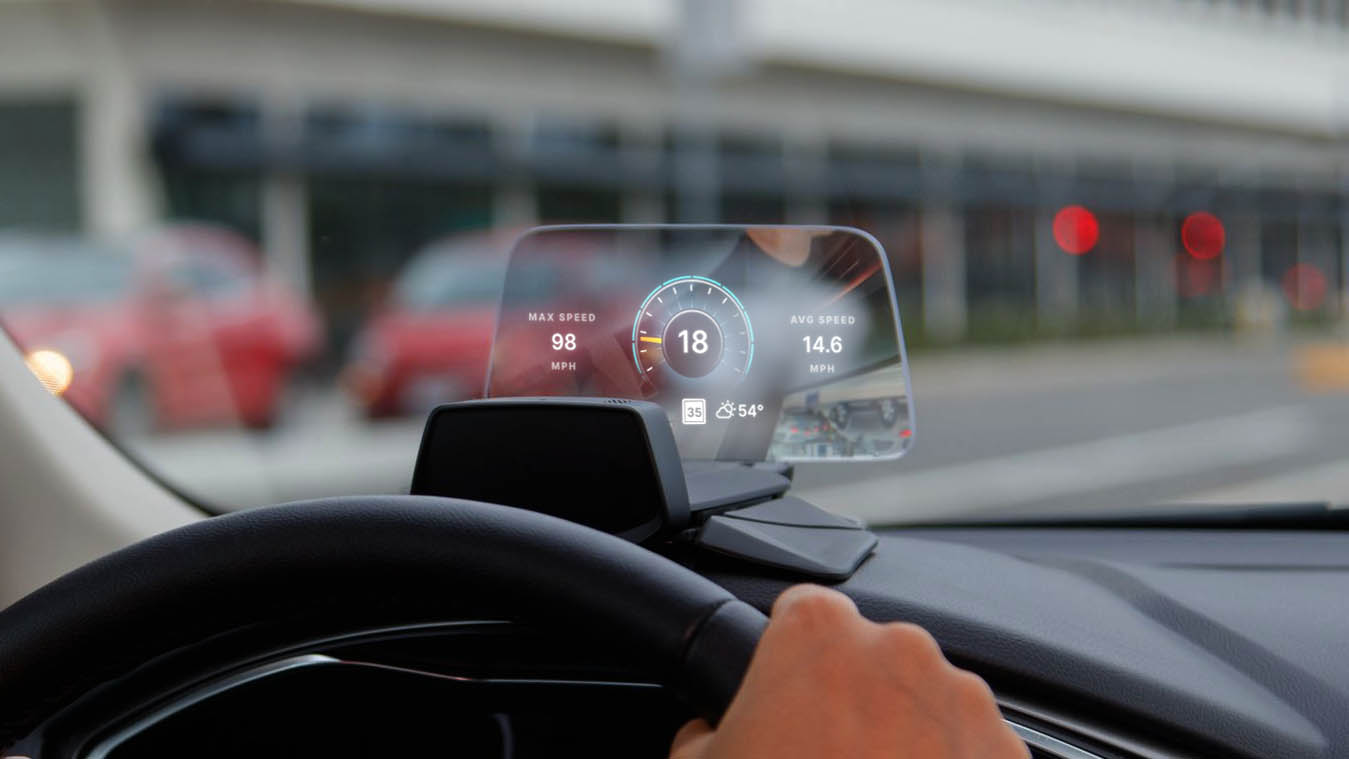
What Is a Heads Up Display in a Car and How Does It Work?
A heads up display in a car is a system that places useful information in front of the driver. Instead of looking down at the instrument cluster, the driver can see details near the windshield area.
The system uses a projector, display unit, and reflective surface to create the image. Some vehicles project information directly onto the windshield, while others use a small transparent screen that rises from the dashboard.
The main goal of a car HUD is simple: keep important information visible while helping the driver maintain focus on the road.
- ✦ Projector unit
The projector creates digital images and sends them toward the display area.
- ✦ Reflection system
A special surface reflects the image so the driver can see it clearly.
- ✦ Vehicle data connection
The HUD receives information from vehicle systems, GPS, and driver assistance features.
Why Is It Called a Heads Up Display?
The name comes from aviation. Pilots use similar systems to view important flight details while keeping their heads up and eyes forward. Car manufacturers adopted the idea to improve driver awareness.
- ✦ Eyes forward design
The driver spends less time looking away from the road.
What Information Can a Car Heads Up Display Show?
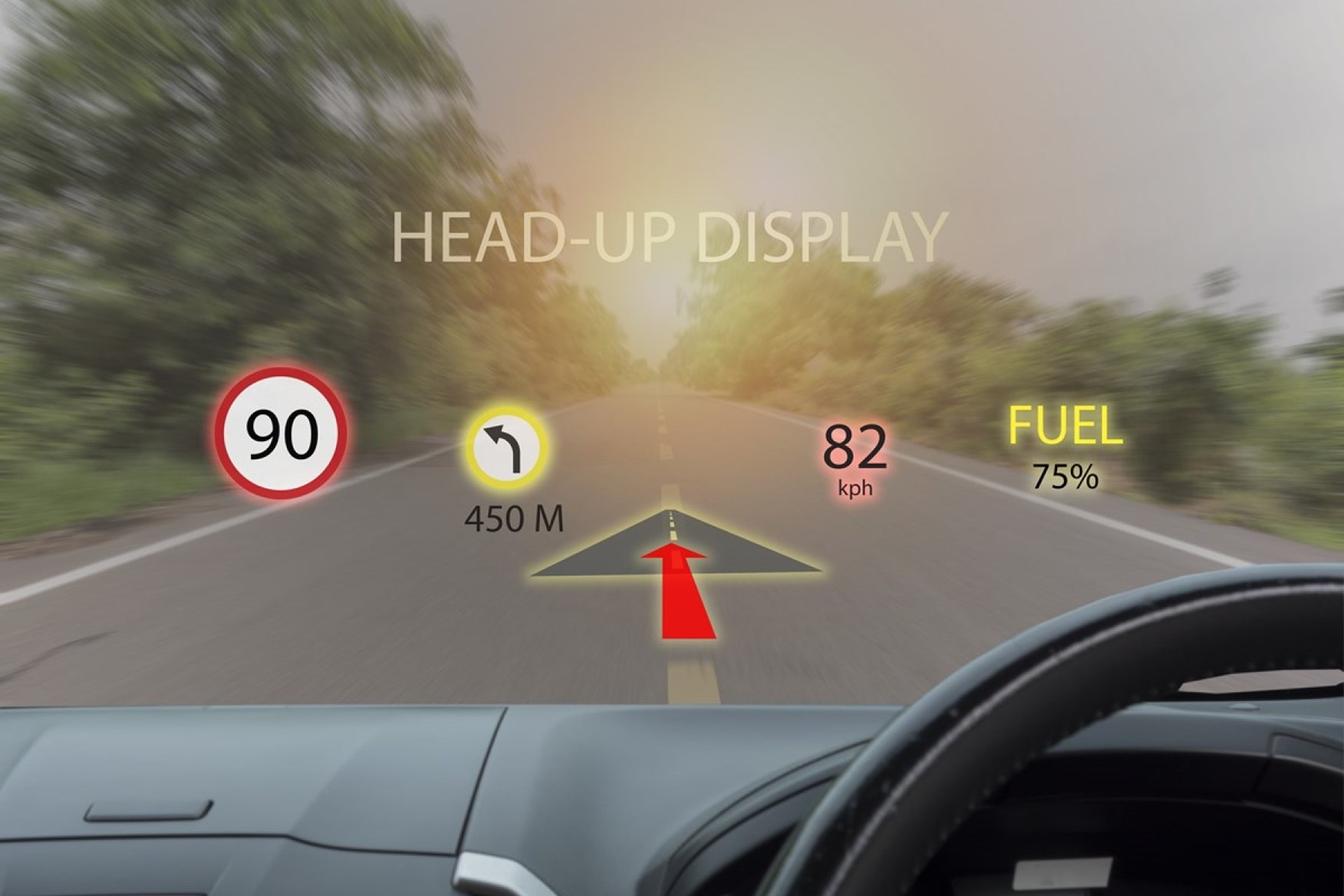
Modern HUD systems can display much more than vehicle speed. Depending on the car model, drivers may see navigation instructions, traffic signs, warning messages, and driving assistance alerts.
The information shown depends on the vehicle brand and technology package. Premium vehicles often offer more advanced graphics, while basic systems focus on essential driving details.

- ✦ Current speed
The HUD can show your driving speed directly in your view.
- ✦ Navigation directions
Turn-by-turn directions can appear near the road ahead.
- ✦ Safety warnings
Some systems display collision alerts, lane warnings, and driver assistance notifications.
- ✦ Traffic information
Certain advanced systems can show road signs and traffic updates.
Common HUD Features in Modern Vehicles
Many newer cars combine HUD technology with adaptive cruise control, lane assistance, and navigation systems. This creates a connected driving experience where important details appear exactly when needed.
- ✦ Augmented reality navigation
Advanced HUDs can place arrows and directions over the real road view.
Types of Heads Up Display Systems Used in Cars
When learning What Is a Heads Up Display in a Car, it helps to understand that not every HUD system works the same way. Manufacturers use different display methods based on cost, design, and technology level.
Some systems are built into the vehicle from the factory, while others can be added later through aftermarket products.

- ✦ Windshield projection HUD
This type projects images directly onto the windshield for a larger viewing area.
- ✦ Combiner HUD
This system uses a small transparent panel that displays information above the dashboard.
- ✦ Aftermarket HUD
Portable units can add basic HUD features to cars that do not include factory systems.
Factory Installed vs Aftermarket HUD
Factory-installed HUD systems usually offer better integration because they connect directly with the vehicle computer. Aftermarket options can be cheaper but may have fewer features and less accurate information.
- ✦ Factory advantage
Better design, cleaner installation, and deeper vehicle integration.
- ✦ Aftermarket advantage
Lower cost and easier installation for older vehicles.
Benefits of Having a Heads Up Display in Your Car
A heads up display in a car offers several practical benefits for everyday drivers. The biggest advantage is reducing the need to look down at the dashboard while driving.
For many American drivers who spend long hours commuting, small improvements in attention and comfort can make a noticeable difference.

- ✦ Improved driver focus
Drivers can view important details while keeping their eyes closer to the road.
- ✦ Better navigation experience
Directions appear in a convenient location without requiring frequent screen checks.
- ✦ Cleaner driving experience
The driver receives useful information without searching through multiple screens.
Does a HUD Improve Safety?
A HUD can support safer driving habits by reducing visual movement between the road and dashboard. However, it does not replace careful driving, attention, or responsible decision-making.
- ✦ Driver support tool
HUD technology assists drivers but does not control the vehicle.
Limitations and Problems With Car HUD Systems
Although a car HUD can be useful, it is not perfect. Some drivers may find the display distracting, especially if the information is too bright or poorly positioned.
The quality of the experience depends on the vehicle design, screen clarity, lighting conditions, and personal preference.

- ✦ Higher vehicle cost
HUD systems are often included in premium packages that increase the price of a vehicle.
- ✦ Visibility issues
Bright sunlight or incorrect settings may make the display harder to see.
- ✦ Learning curve
Some drivers need time to adjust to seeing digital information in their view.
Can a HUD Become Distracting?
A poorly designed display with too much information can distract the driver. The best systems show only useful details and avoid unnecessary visual clutter.
- ✦ Simple information is better
A clean display helps drivers focus on important alerts.
Can You Add a Heads Up Display to an Older Car?
Drivers who do not have a factory HUD may wonder if they can add one later. The answer is yes. Many aftermarket HUD devices are available for older vehicles.
Most aftermarket systems connect through a vehicle diagnostic port or smartphone connection. They can display basic details like speed and navigation information.
- ✦ Plug-in HUD devices
These units connect quickly and require little installation work.
- ✦ Smartphone-based HUD apps
Some solutions use phone screens and reflective surfaces to create a simple display.
Is an Aftermarket HUD Worth Buying?
An aftermarket HUD can be useful for drivers who want basic information without replacing their vehicle. However, it usually cannot match the quality and integration of a factory-installed system.
- ✦ Good choice for older cars
It adds modern features at a lower cost.