What Is Automotive Over the Air Software Updating is a common question as cars become more like computers on wheels. In the past, drivers needed a service center visit for software fixes. Today, many modern vehicles can receive updates through the internet while parked at home.
From my experience studying automotive technology trends, OTA updates have changed how manufacturers support vehicles after purchase. A car can now gain better performance, improved safety features, and new digital services without replacing physical parts.
For U.S. drivers, this technology saves time because many updates can happen without scheduling a dealership appointment. Electric vehicles, luxury cars, and connected vehicles use OTA systems more often because they depend heavily on software.
What Is Automotive Over the Air Software Updating?
What Is Automotive Over the Air Software Updating refers to a system that allows vehicle manufacturers to send software updates through wireless connections. The update travels through the internet and installs directly into a vehicle’s electronic systems.
Instead of visiting a repair shop, owners can download improvements through Wi-Fi or cellular networks. The process works much like updating a smartphone app, but it requires stronger safety checks because vehicles control important functions.
Modern cars contain many electronic control units that manage areas such as infotainment, battery systems, driver assistance, and vehicle performance. OTA technology helps manufacturers maintain these systems throughout the vehicle’s life.
- ✦ Wireless Delivery
Software packages are delivered through internet connections instead of physical devices or dealership tools.
- ✦ Remote Improvements
Manufacturers can fix bugs and improve features after customers already own the vehicle.
- ✦ Vehicle Connectivity
Connected vehicle systems allow cars to communicate with manufacturer servers securely.
How OTA Updates Differ From Traditional Vehicle Service
Traditional updates often required technicians to connect special equipment to the vehicle. OTA updates reduce this need by allowing approved software changes to happen remotely.
However, hardware repairs still require physical service. OTA technology mainly improves software-based systems and cannot replace mechanical maintenance.
- ✦ Traditional Method
Drivers visit service centers for software checks and installations.
- ✦ OTA Method
Drivers receive secure software updates remotely through connected systems.
How Automotive OTA Software Updates Work
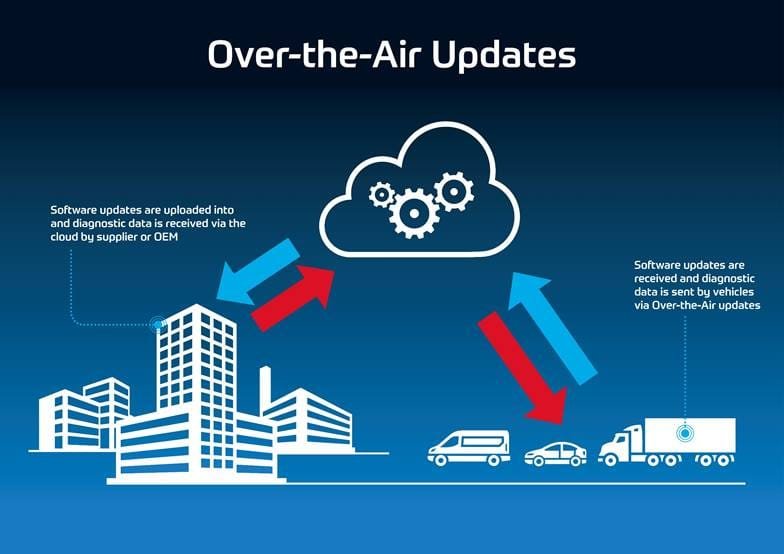
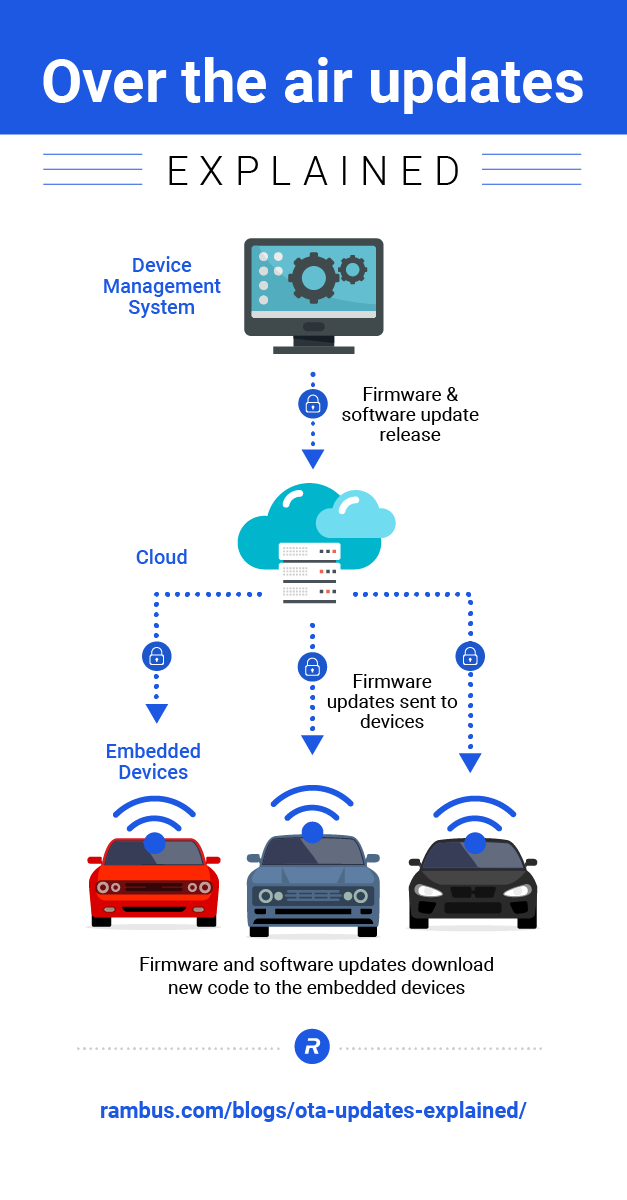
Automotive OTA software updating follows a structured process. First, the manufacturer creates and tests new software. Then, the update is uploaded to secure servers where compatible vehicles can access it.
The vehicle checks whether the update is suitable for its model and software version. Security systems verify the update before installation to prevent unauthorized changes.
After approval, the vehicle downloads the software and installs it. Many vehicles allow owners to choose when the update happens so it does not interrupt driving.

- ✦ Software Development
Engineers create updates to improve vehicle functions or solve software issues.
- ✦ Secure Download
The vehicle receives encrypted software from approved manufacturer servers.
- ✦ Installation Process
The system installs the update after checking compatibility and security.
Main Types of Automotive OTA Updates
Vehicle manufacturers use different OTA update types depending on the system being improved. Some updates focus on entertainment features, while others affect deeper vehicle controls.
- ✦ Firmware Updates
These updates improve the basic software that controls vehicle hardware.
- ✦ Infotainment Updates
These updates improve screens, apps, navigation, and user interfaces.
- ✦ Safety Updates
These updates can improve driver assistance and security features.
Benefits of Automotive Over the Air Software Updating
What Is Automotive Over the Air Software Updating important for modern vehicles because it creates a faster way to improve cars after purchase. Manufacturers can continue supporting vehicles without requiring frequent service visits.
OTA technology also helps car companies respond quickly when software problems appear. A security patch or performance improvement can reach thousands of vehicles faster than traditional repair methods.

- ✦ Convenience for Drivers
Owners can receive updates without spending time at a dealership.
- ✦ Better Vehicle Experience
Software improvements can enhance features and usability over time.
- ✦ Faster Problem Fixes
Manufacturers can address software issues more efficiently.
- ✦ Longer Vehicle Value
Regular software improvements may help vehicles stay updated for more years.
Why Electric Vehicles Use OTA Updates Frequently
Electric vehicles depend heavily on software for battery management, charging systems, and energy efficiency. OTA updates allow manufacturers to improve these systems without changing physical components.
This approach has helped create the idea of software-defined vehicles, where software plays a major role in the ownership experience.
- ✦ Battery Improvements
Updates can adjust battery management software for better operation.
Security and Safety Challenges of Vehicle OTA Updates
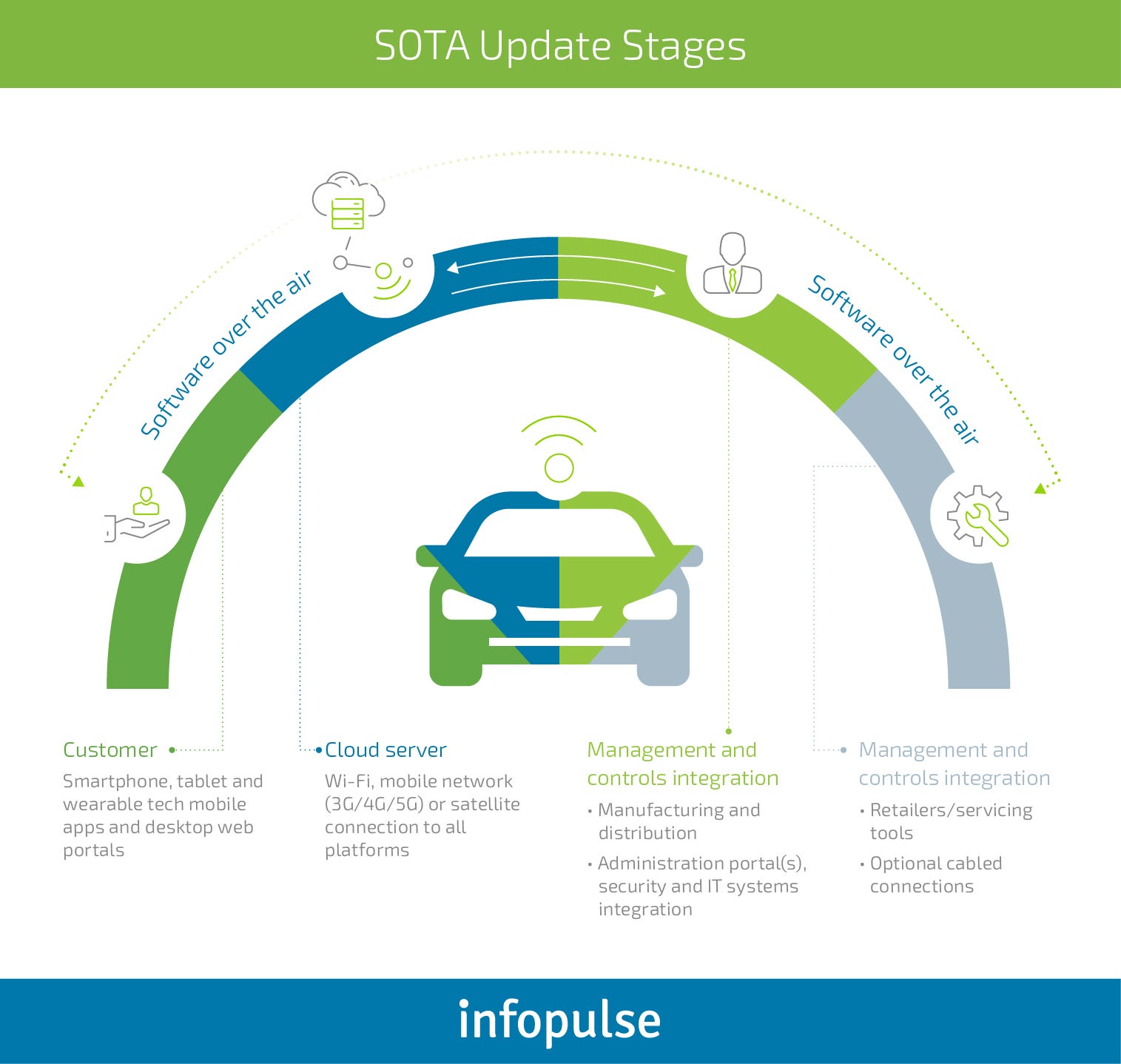
While OTA technology offers many benefits, vehicle security is a major concern. A connected vehicle must protect itself from unauthorized access and harmful software.
Automotive companies use encryption, authentication systems, and secure update methods to reduce risks. Safety checks are required before software changes affect vehicle operation.
Understanding What Is Automotive Over the Air Software Updating also means understanding the responsibility of protecting digital vehicle systems.
- ✦ Cybersecurity Protection
Manufacturers use security systems to prevent unauthorized software changes.
- ✦ Update Verification
Vehicles confirm that software comes from trusted sources before installation.
- ✦ Safe Installation
Systems are designed to avoid failures during the update process.
Common OTA Update Risks
Poorly designed update systems may create problems such as failed installations or compatibility issues. Automotive companies must test updates carefully before releasing them.
- ✦ Failed Updates
Interrupted downloads or installation problems can affect software operation.
- ✦ Security Threats
Weak protection could allow unauthorized access attempts.
Examples of Automotive OTA Software Updating in Modern Cars
Many vehicle manufacturers now use OTA systems to improve customer experiences. Updates may add new features, improve existing systems, or fix technical issues.
For example, some electric vehicle makers use OTA updates to improve driving range estimates, charging performance, and driver assistance features.

- ✦ Infotainment Improvements
Updates can add apps, improve navigation, and enhance digital displays.
- ✦ Driver Assistance Changes
Software updates can refine camera and sensor-based features.
- ✦ Performance Adjustments
Updates can improve software settings that affect vehicle behavior.
The Future of Connected Vehicle Software
Future vehicles will likely depend even more on software services. Cars may receive frequent improvements throughout their ownership period, similar to smartphones and computers.
This shift means vehicle ownership will become more focused on digital experiences, connectivity, and continuous improvement.
- ✦ Software Defined Vehicles
Vehicles will rely more on software to control features and services.