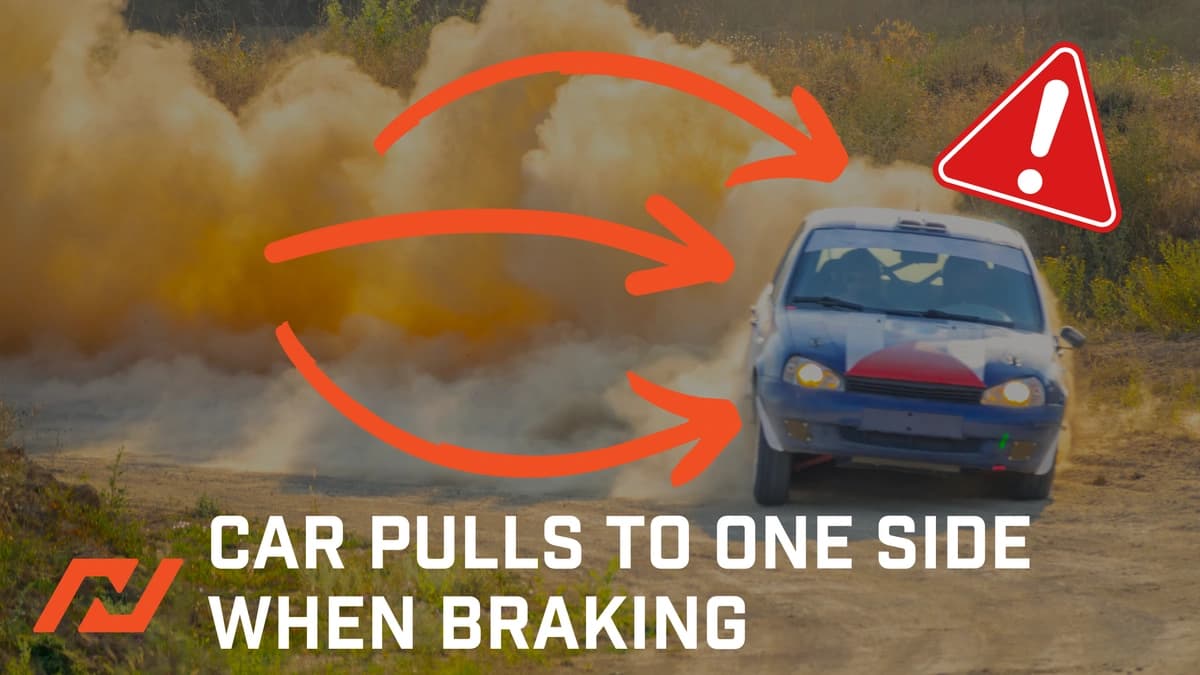
If you notice your vehicle drifting left or right when you press the brake pedal, you should not ignore it. What Causes a Car to Pull to One Side While Braking is usually linked to uneven braking force, tire problems, or worn parts that affect how your vehicle stops.
From my experience reviewing common brake complaints, many drivers first notice this issue during highway stops or emergency braking. A small pull may feel harmless, but it can become dangerous because the car may not stop in a straight line when you need control the most.
In the United States, daily driving often includes highways, traffic stops, and long-distance trips. Understanding what causes a car to pull to one side while braking helps drivers identify problems early and avoid costly repairs.
How Braking Should Work and Why Pulling Happens
When you press the brake pedal, brake components on all wheels should create balanced stopping power. Each wheel must slow down at a similar rate so the vehicle stays stable.
If one side creates more braking force than the other, the vehicle moves toward that side. This uneven force is the main reason behind what causes a car to pull to one side while braking.
The problem can come from the brake system, tires, wheel alignment, or suspension. Finding the exact cause requires checking several parts instead of replacing random components.
- ✦ Uneven brake force
One brake may grip harder than the opposite side, causing the vehicle to move during braking.
- ✦ Loss of vehicle balance
Poor tire condition or suspension wear can change how weight moves during a stop.
Why Brake Balance Matters
A balanced brake system keeps the car predictable. When brake pressure is not equal, the driver must fight the steering wheel to keep the vehicle straight.
A Stuck Brake Caliper Is One of the Most Common Causes
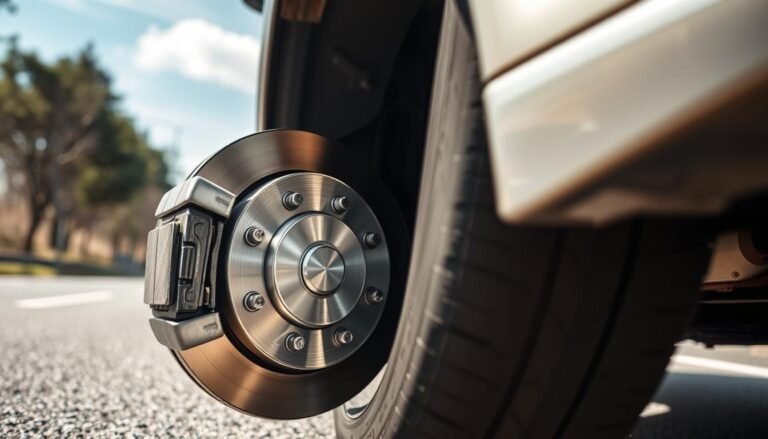
A stuck brake caliper is a frequent answer to the question: What Causes a Car to Pull to One Side While Braking? The caliper pushes brake pads against the rotor. If it sticks, one wheel may brake too much or stay partially engaged.
A sticking caliper can happen because of rust, damaged seals, dirty brake fluid, or worn parts. Drivers may notice the car pulling, uneven brake pad wear, or a hot wheel after driving.
A mechanic usually checks caliper movement, brake pad condition, and rotor temperature to confirm the problem.
- ✦ Signs of a bad brake caliper
Common signs include pulling during braking, burning smells, uneven pad wear, and increased fuel use.
- ✦ Possible repair
The repair may involve cleaning, rebuilding, or replacing the damaged caliper.
Uneven Brake Pads or Damaged Rotors Can Change Stopping Power
Brake pads and rotors must wear evenly to provide smooth braking. If one brake pad wears faster than the other, the vehicle may pull when you slow down.
A damaged rotor can also create uneven contact between the pad and rotor surface. Drivers may feel vibration, steering shake, or a pulling sensation during braking.
Regular brake inspections help identify these problems before they affect driving safety.

- ✦ Uneven brake pad wear
Different pad thickness on each side can create different braking force.
- ✦ Warped brake rotor
A rotor with an uneven surface may cause vibration and unstable braking.
Tire Problems Can Make a Car Pull During Braking
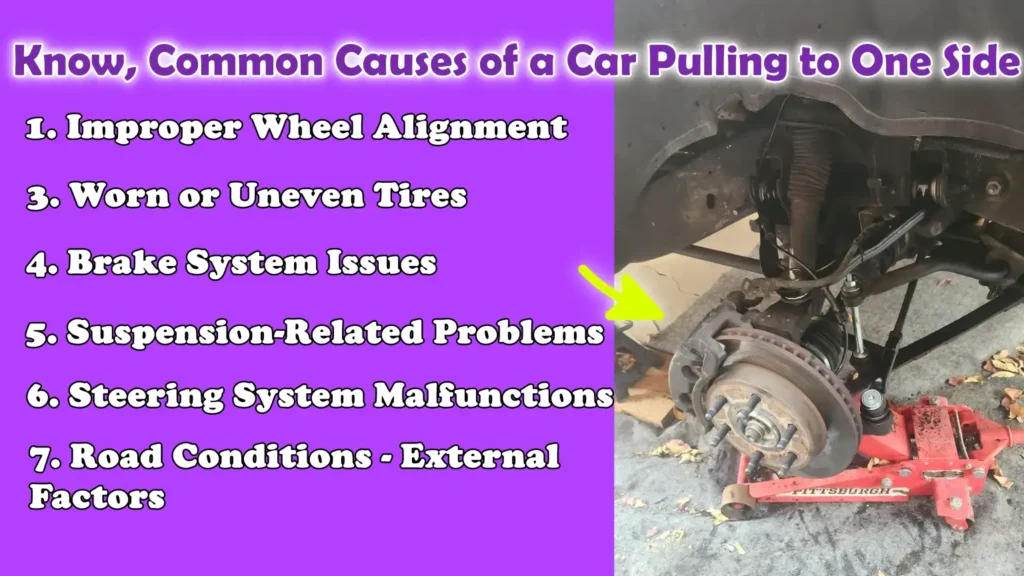
Tires are the only parts connecting your vehicle to the road. Uneven tire pressure, different tire sizes, or worn tread can affect braking balance.
Low pressure on one side changes how the tire touches the road. This can create a pull that becomes stronger when braking.
When investigating what causes a car to pull to one side while braking, tire checks should always come before expensive repairs because they are simple and often overlooked.
- ✦ Incorrect tire pressure
A tire with lower pressure may create uneven traction and steering response.
- ✦ Uneven tire wear
Worn tires can reduce grip and make braking less stable.
Wheel Alignment Issues Can Cause Braking Pull
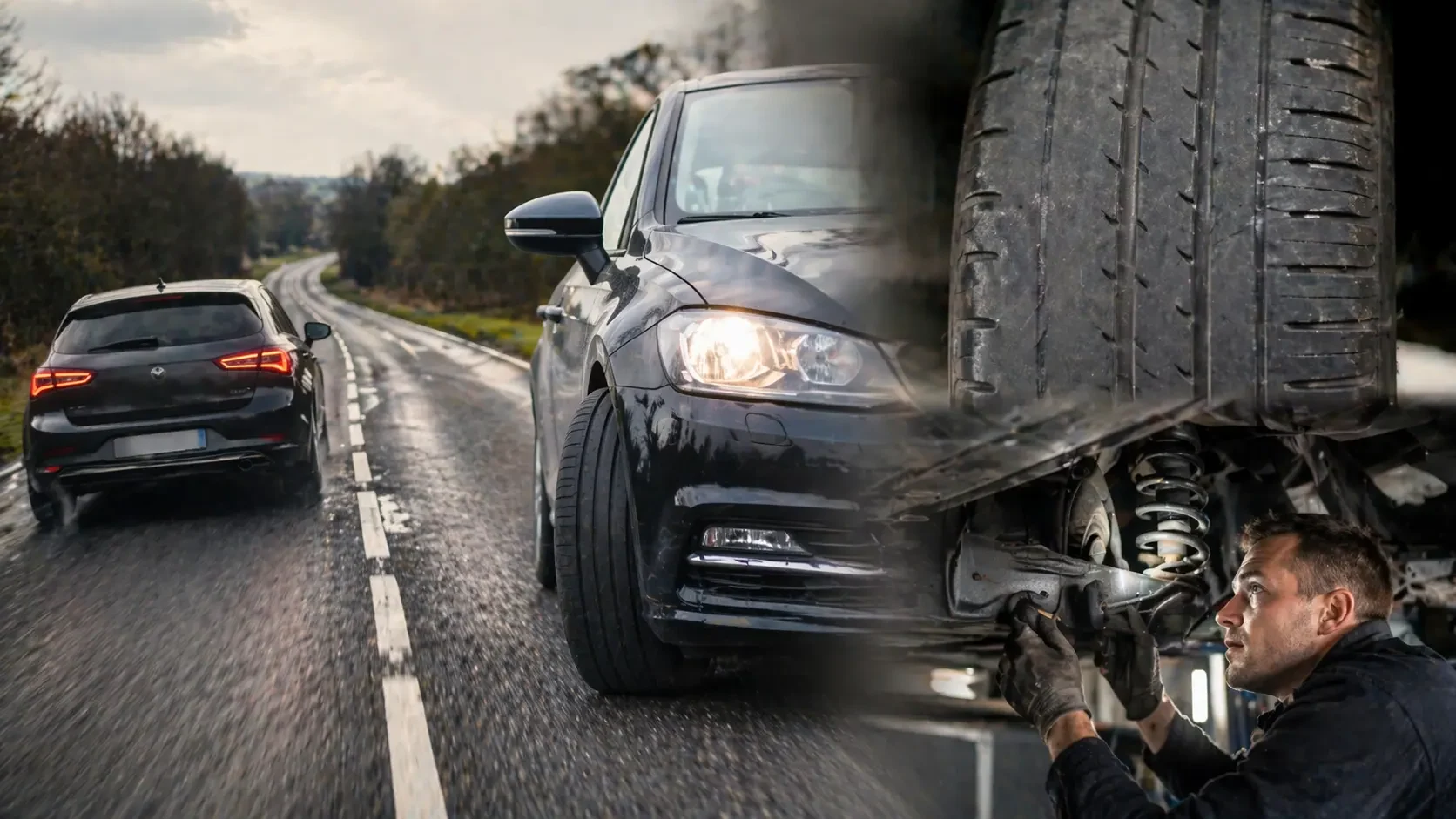
Wheel alignment controls the direction your tires point and how they contact the road. If alignment angles are incorrect, the car may drift even before braking.
Braking increases the effect because weight moves toward the front wheels. A small alignment problem can become more noticeable when stopping.
Common alignment issues include incorrect toe settings, uneven camber, and damaged steering parts.
- ✦ Signs of poor alignment
A crooked steering wheel, uneven tire wear, and vehicle drifting are common warning signs.
- ✦ Alignment solution
A professional wheel alignment can restore proper tire direction and improve stability.
Suspension and Steering Problems May Be the Hidden Cause
Worn suspension parts can change how your vehicle handles braking forces. Components like ball joints, control arm bushings, and tie rods help keep wheels in the correct position.
When these parts become loose or damaged, the wheel can move during braking. This movement can create pulling, vibration, or unstable steering.
A complete inspection is important because suspension problems can look similar to brake problems.
- ✦ Worn bushings
Damaged rubber components allow extra movement that affects vehicle control.
- ✦ Loose steering parts
Steering wear can reduce accuracy and make braking less predictable.