Many drivers first notice grinding brakes when they slow down at a stop sign, pull into a parking lot, or drive through city traffic. In the United States, where many people depend on their vehicles every day for work and travel, brake problems should never be ignored.
When asking what causes grinding brakes, the most common answer is severe brake pad wear. However, other issues such as damaged rotors, stuck calipers, road debris, and worn brake hardware can also create a harsh grinding sound. From years of vehicle maintenance experience, one lesson stands out: early brake inspection often prevents bigger repair bills.

Why Do Brakes Make a Grinding Sound?
Brakes create friction to slow your vehicle. Brake pads press against rotors, creating the force needed to stop the wheels. When brake parts wear out or become damaged, the smooth contact surface can turn into rough metal contact that creates a grinding noise.
The sound may appear only when braking, or it may continue while driving. The location and timing of the noise can help a mechanic find the cause. A loud metal grinding sound usually means the brake system needs attention soon.
- ✦ Metal-to-metal contact
This happens when brake pads wear down completely and the backing plate touches the rotor.
- ✦ Damaged friction surfaces
Rotors with deep grooves or heavy rust can create rough braking and grinding sounds.
- ✦ Foreign material
Small rocks, dirt, or debris trapped near brake components can produce unwanted noise.
Worn Brake Pads Are the Most Common Cause of Grinding Brakes
One of the main answers to what causes grinding brakes is worn brake pads. Brake pads are designed with friction material that slowly disappears during normal driving. Once this material is gone, the metal backing plate can scrape against the rotor.
Drivers often notice warning signs before severe grinding begins. A vehicle may produce squealing sounds, require more stopping distance, or feel different when the brake pedal is pressed.

- ✦ Low brake pad material
Thin brake pads cannot protect the rotor from direct contact with metal components.
- ✦ Uneven brake pad wear
Uneven wear can happen because of alignment issues, caliper problems, or poor installation.
How Long Can You Drive With Grinding Brakes?
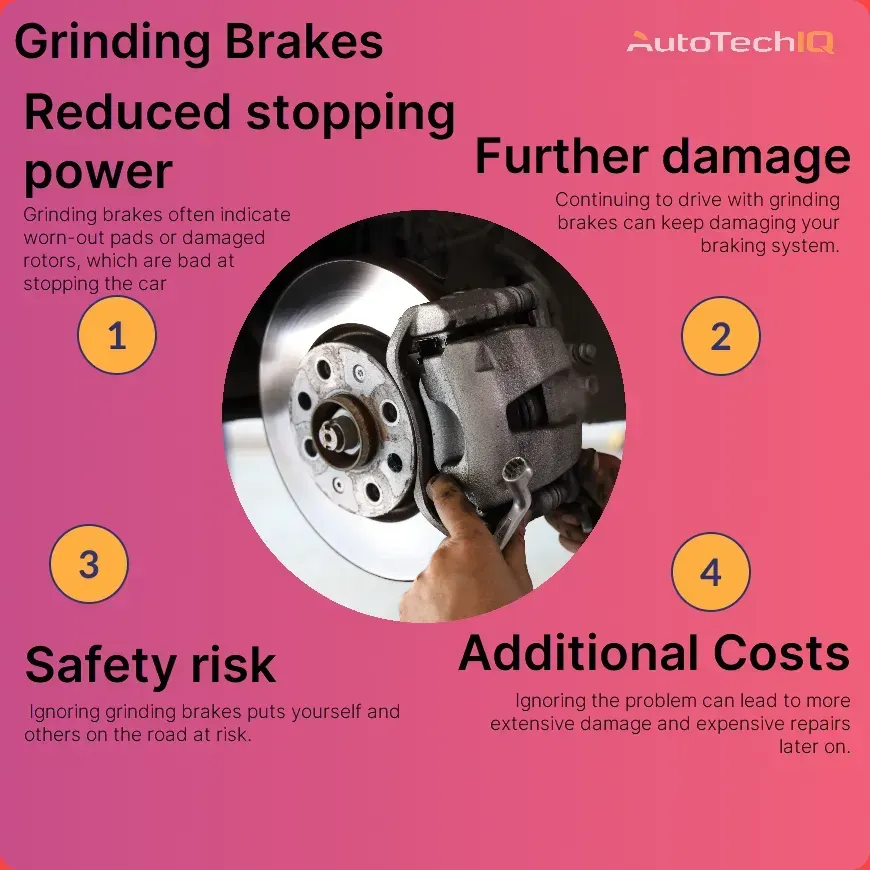
Driving with grinding brakes is risky because the damage usually gets worse over time. A short trip to a repair shop may be possible, but continued driving can destroy rotors and increase repair costs.
- ✦ Safety concern
Damaged brakes may reduce stopping ability and increase stopping distance.
Damaged Brake Rotors Can Cause Grinding Noise
Brake rotors provide the surface where brake pads create friction. When rotors become deeply scored, warped, or damaged from worn pads, they can produce grinding or scraping sounds.
A damaged rotor may also cause vibration through the steering wheel or brake pedal. In many cases, replacing brake pads without checking the rotors can leave the original problem unresolved.
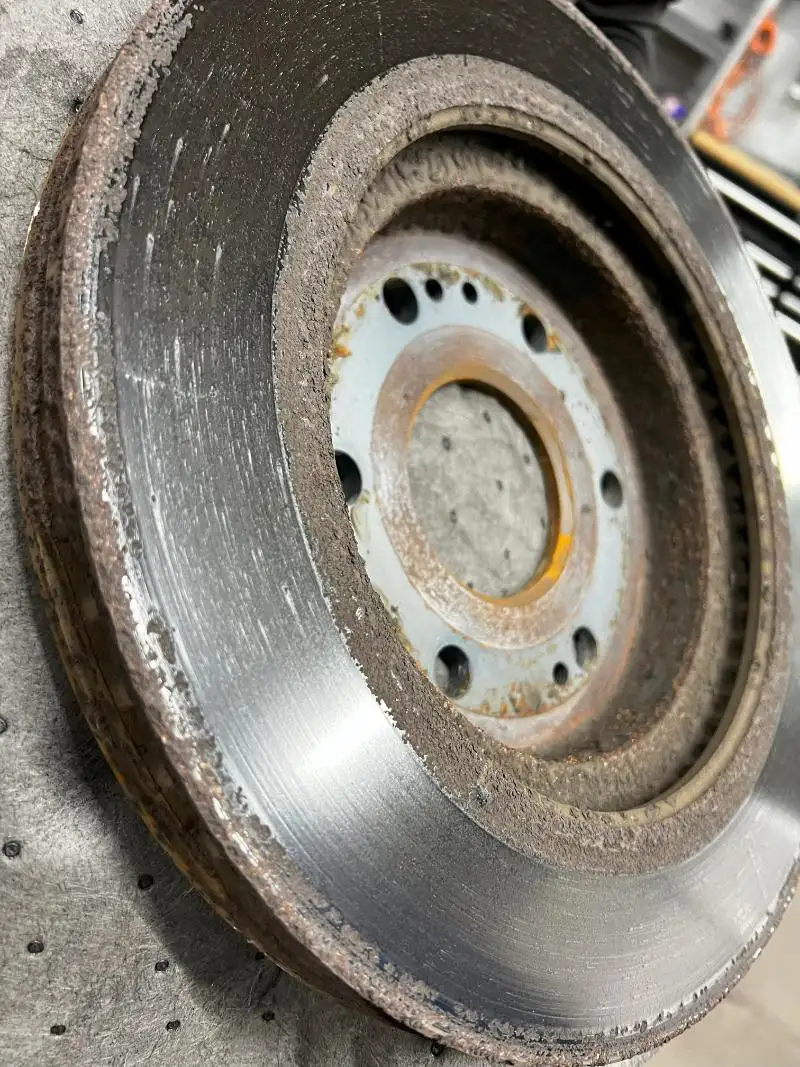
- ✦ Deep rotor grooves
Grooves create an uneven surface that affects brake contact.
- ✦ Rust buildup
Heavy rust can reduce smooth braking and create rough sounds.
Other Reasons Behind Grinding Brakes
Although worn pads are the most common reason, several other mechanical problems can answer the question of what causes grinding brakes. A complete brake inspection checks every moving and contact point.
Some problems may look similar but require different repairs. For example, a stuck caliper can create constant friction, while trapped debris may create temporary grinding.
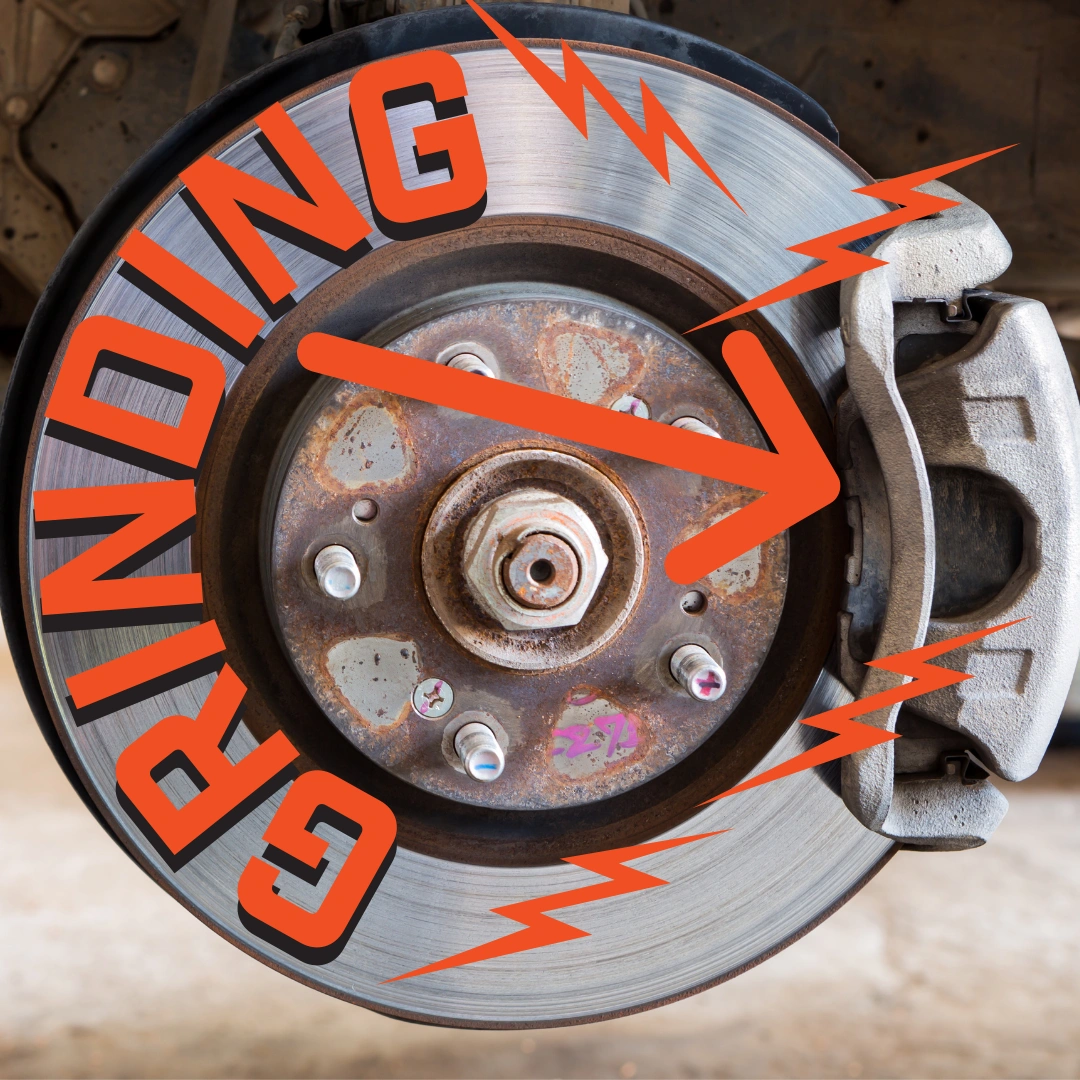
- ✦ Stuck brake caliper
A caliper that does not release properly can keep pressure on the rotor and create excessive wear.
- ✦ Brake hardware failure
Broken clips, shims, or springs can allow parts to move incorrectly and create noise.
- ✦ Foreign objects
Small stones or road debris can become trapped between brake parts.
Can Grinding Brakes Happen Without Bad Brake Pads?
Yes. Brake pads may still have material left while other components create grinding sounds. Rotors, calipers, backing plates, and debris can all produce similar symptoms.
Signs That Your Brakes Need Immediate Attention
Grinding brakes are often a clear warning that your vehicle needs service. Paying attention to early symptoms can help prevent more serious brake damage.
A driver should not wait until the vehicle has trouble stopping. Brake repairs are usually less expensive when problems are found early.

- ✦ Loud grinding noise
A harsh metal sound usually means brake parts are making harmful contact.
- ✦ Longer stopping distance
Reduced braking performance may indicate worn or damaged components.
- ✦ Brake vibration
Pulsation through the pedal may point to rotor problems.
How Mechanics Diagnose Grinding Brake Problems
A professional inspection begins with checking brake pad thickness, rotor condition, caliper movement, and brake hardware. Mechanics also look for uneven wear patterns because they often reveal the true cause of the problem.
Modern repair shops may use digital inspection reports and photos to show customers exactly what needs attention. This helps vehicle owners make informed repair decisions.

- ✦ Visual inspection
Technicians examine brake parts for wear, damage, and contamination.
- ✦ Brake measurement
Rotors and pads are measured to compare against manufacturer limits.