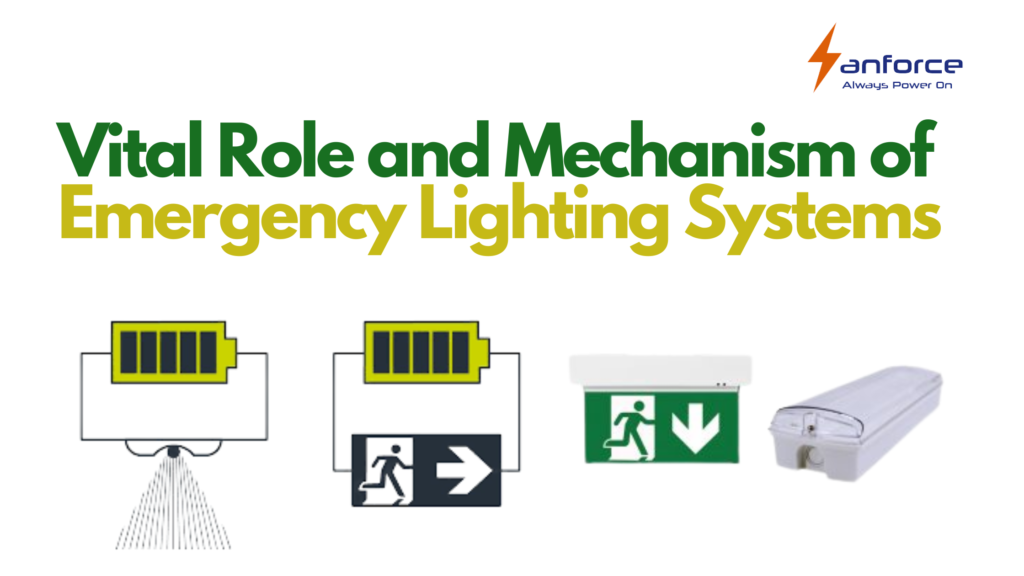
Understanding How Automatic Emergency Lighting Systems Work helps homeowners, building managers, and electrical professionals choose safer lighting solutions. In the United States, these systems are common in offices, apartment buildings, schools, hospitals, and commercial spaces where safe evacuation matters.
From my experience studying electrical safety systems, the most important part of emergency lighting is not only the light itself. The real value comes from the automatic detection system that notices a power problem and quickly provides a reliable backup source.

What Are Automatic Emergency Lighting Systems?
Automatic emergency lighting systems are backup lighting devices designed to operate when the main electrical supply stops working. They are built to provide enough light for people to move safely through a building during outages, fires, or other emergencies.
The system stays connected to normal power during daily use. It charges internal batteries and monitors electricity flow. When it detects a failure, it automatically changes from normal power to battery power.
- ✦ Main purpose
The main purpose is to keep important areas visible during unexpected power loss.
- ✦ Common locations
They are often installed in exits, hallways, stairways, warehouses, hospitals, and public buildings.
How Automatic Emergency Lighting Systems Work Step by Step
How Automatic Emergency Lighting Systems Work starts with continuous monitoring of the electrical supply. A control circuit checks whether the building receives normal voltage from the main power source.
When the voltage drops below a safe level or disappears completely, the control unit activates the emergency mode. The battery then supplies energy to the LED lamps or emergency fixtures.

- ✦ Power monitoring
Sensors check the incoming electrical supply and identify power interruptions.
- ✦ Automatic switching
A transfer circuit quickly moves the light source from main electricity to battery power.
- ✦ Backup operation
Rechargeable batteries provide energy until normal power returns or the battery runs low.
The Role of Sensors and Control Circuits
Sensors act like the system’s eyes. They constantly check electrical conditions and send signals to the control board when a problem appears.
The control circuit decides when emergency lighting should activate. Modern systems use electronic components that allow fast and accurate switching.
- ✦ Voltage detection
The circuit identifies when normal voltage is missing.
Key Components Inside an Automatic Emergency Lighting System
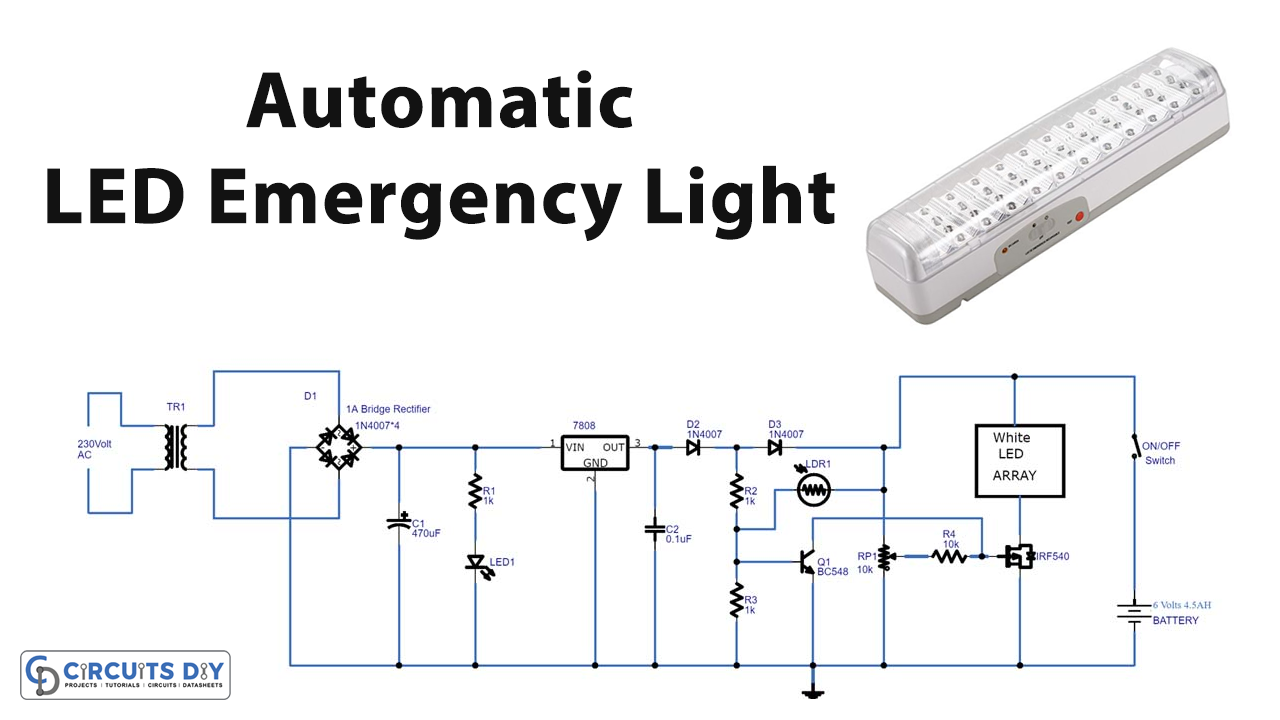
A complete emergency lighting system contains several parts that work together. Each component has a specific job, from storing energy to producing light.
Learning these parts makes it easier to understand How Automatic Emergency Lighting Systems Work and why maintenance is important.
- ✦ Rechargeable battery
The battery stores energy while normal power is available and supplies electricity during an outage.
- ✦ LED light source
LEDs are widely used because they consume less energy and provide long service life.
- ✦ Charging circuit
The charging unit keeps the battery ready for future emergencies.
- ✦ Control module
The control module manages switching, charging, and system testing.
Why LEDs Are Common in Emergency Lighting
LED technology has become popular because it creates bright light with low energy use. This allows smaller batteries to provide longer backup times.
LED emergency lights also produce less heat and usually require less maintenance than older lighting technologies.
How Battery Backup Works During a Power Failure
The battery is the heart of an automatic emergency lighting system. During normal conditions, the charging circuit keeps the battery full without powering the emergency lamp.
When electricity fails, the system disconnects from the main supply and uses stored battery energy. Many commercial systems are designed to provide emergency illumination for a limited backup period based on safety requirements.

- ✦ Charging stage
The battery receives a small charging current while normal electricity is available.
- ✦ Emergency stage
The battery sends power directly to emergency lamps after a failure.
Types of Automatic Emergency Lighting Systems
Different buildings use different emergency lighting designs. The best option depends on building size, safety needs, and local electrical requirements.
The basic idea behind How Automatic Emergency Lighting Systems Work remains the same: detect failure, switch power source, and provide light.

- ✦ Maintained emergency lights
These lights stay on during normal operation and continue working during power failure.
- ✦ Non-maintained emergency lights
These lights remain off until the main power supply fails.
- ✦ Central battery systems
A shared battery system supplies power to multiple emergency lights across a building.
Benefits of Automatic Emergency Lighting Systems
Automatic emergency lighting provides safety during situations where normal lighting cannot be trusted. It reduces confusion and helps people find exits during dark conditions.
For businesses and property owners in the U.S., reliable emergency lighting also supports safety planning and building compliance.
- ✦ Improved safety
Emergency lights help people move safely during unexpected outages.
- ✦ Automatic operation
The system works without someone needing to switch it on manually.
- ✦ Energy efficiency
Modern LED systems use less power and reduce operating costs.
Testing and Maintaining Emergency Lighting Systems
Even the best emergency lighting system can fail if it is ignored. Regular testing checks battery health, lamp performance, and automatic switching functions.
Building owners should follow manufacturer instructions and local safety rules to keep systems ready for real emergencies.
- ✦ Battery inspection
Check batteries for aging, damage, or reduced backup performance.
- ✦ Light testing
Run regular tests to confirm the emergency lamps activate correctly.
- ✦ Professional checks
Qualified technicians can inspect complex commercial systems.