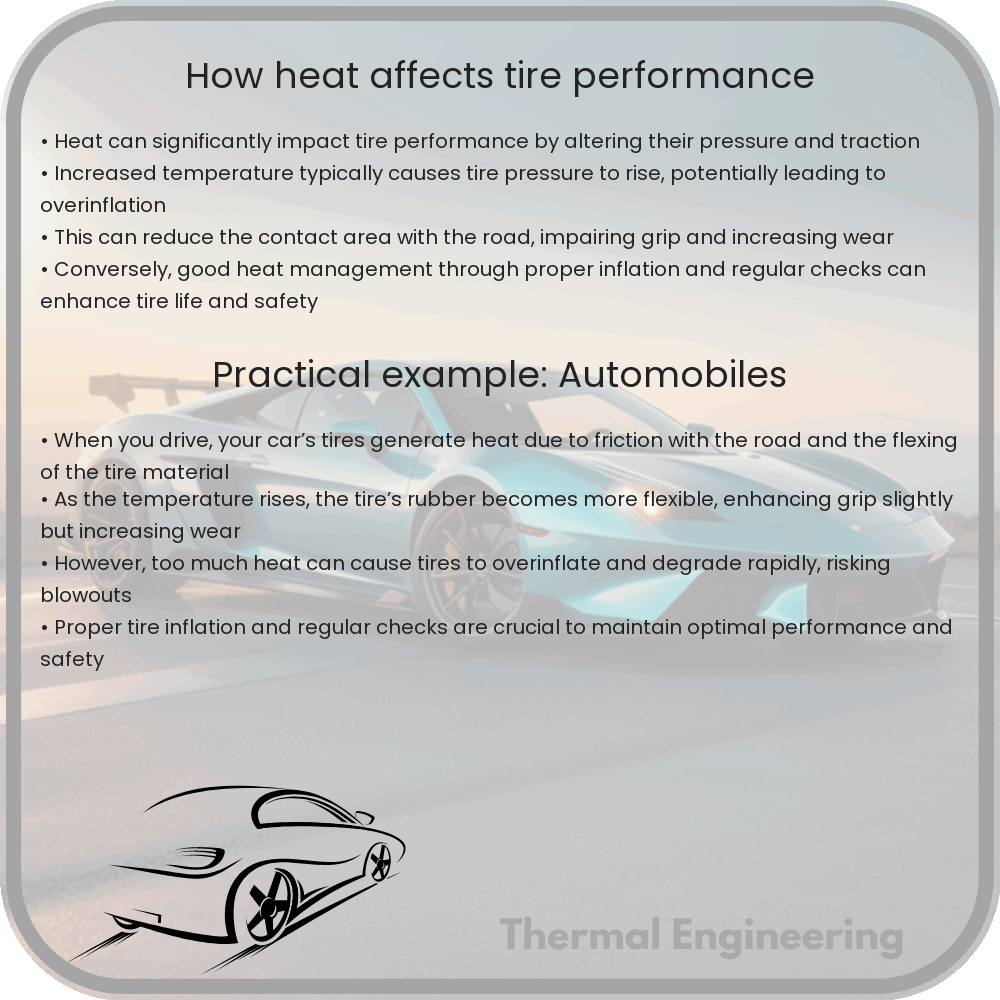
How Tire Heat Buildup Affects Performance is an important topic for every driver in the United States. From daily highway trips to long summer road journeys, tires constantly create and release heat. When heat stays within a safe range, tires work correctly. When temperatures rise too much, performance can drop quickly.
As a tire specialist, I have seen many drivers focus only on tread depth while ignoring temperature. A tire may look fine outside but still suffer from internal heat stress. Understanding heat buildup helps drivers improve safety, extend tire life, and avoid unexpected failures.
What Causes Tire Heat Buildup?
Tires create heat every time they flex against the road. The rubber bends, the internal layers move, and friction produces energy that becomes heat. Normal heat is expected, but too much heat can damage tire materials.
How Tire Heat Buildup Affects Performance depends on several factors. Driving speed, tire pressure, vehicle weight, weather, and road surfaces all change how much heat a tire produces.
- ✦ Low tire pressure
Underinflated tires flex more than normal, creating extra friction and heat inside the sidewall.
- ✦ High speeds
Long highway drives at high speeds increase tire movement and raise operating temperatures.
- ✦ Heavy loads
Extra vehicle weight places more stress on tires and increases internal heat.
Why Tire Flex Creates Heat
Every tire bends slightly as it contacts the road. This movement is called tire flex. More flex means more energy loss and more heat generation.
How Tire Heat Buildup Affects Grip and Handling
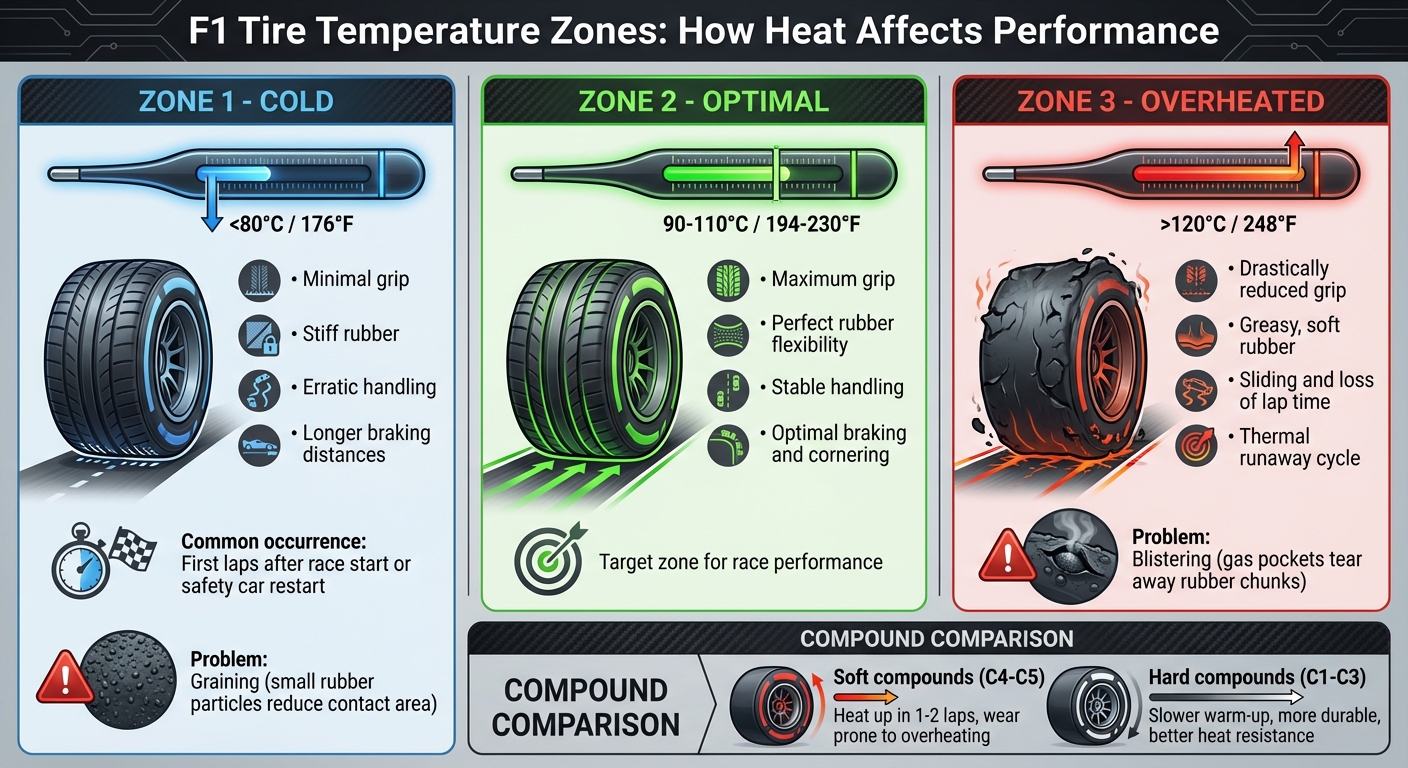
Heat changes the way rubber behaves. Tires need the right temperature range to provide strong traction. Too little heat can reduce grip, while too much heat can make rubber lose stability.
How Tire Heat Buildup Affects Performance is especially clear during cornering, braking, and emergency maneuvers. Overheated tires may feel less predictable and may not respond as quickly to steering input.
- ✦ Reduced traction
Excessive heat can weaken the tire surface and reduce road contact quality.
- ✦ Longer braking distance
A tire with poor temperature control may not provide maximum braking grip.
The Relationship Between Tire Temperature and Tire Pressure
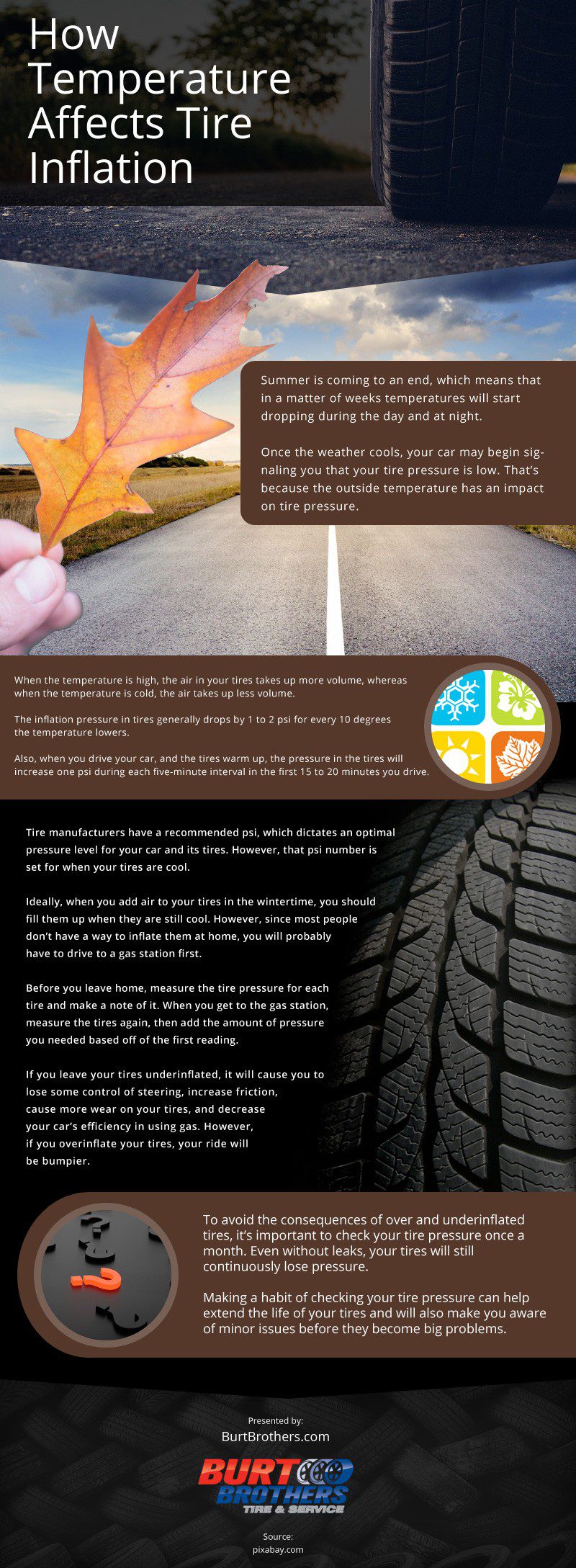
Tire temperature and pressure are closely connected. As tires heat up during driving, the air inside expands and increases pressure. This is normal, but excessive pressure changes can affect handling.
How Tire Heat Buildup Affects Performance includes pressure changes because an overheated tire may move outside its ideal operating range. Checking tire pressure when tires are cold gives the most accurate reading.
- ✦ Cold pressure checks
Measure pressure before driving or after the vehicle has been parked for several hours.
- ✦ Seasonal changes
Hot summers and cold winters in the US can create noticeable pressure differences.
Why Correct Inflation Matters
Correct inflation helps tires maintain their shape, control heat, and provide even wear across the tread.
How Excessive Heat Damages Tire Structure
Tires contain rubber compounds, steel belts, and other internal materials designed to handle stress. Too much heat can weaken these components over time.
How Tire Heat Buildup Affects Performance becomes more serious when repeated overheating creates internal damage that cannot always be seen from outside.

- ✦ Rubber breakdown
High temperatures can speed up aging and reduce rubber strength.
- ✦ Internal separation risk
Heat stress can weaken the connection between tire layers.
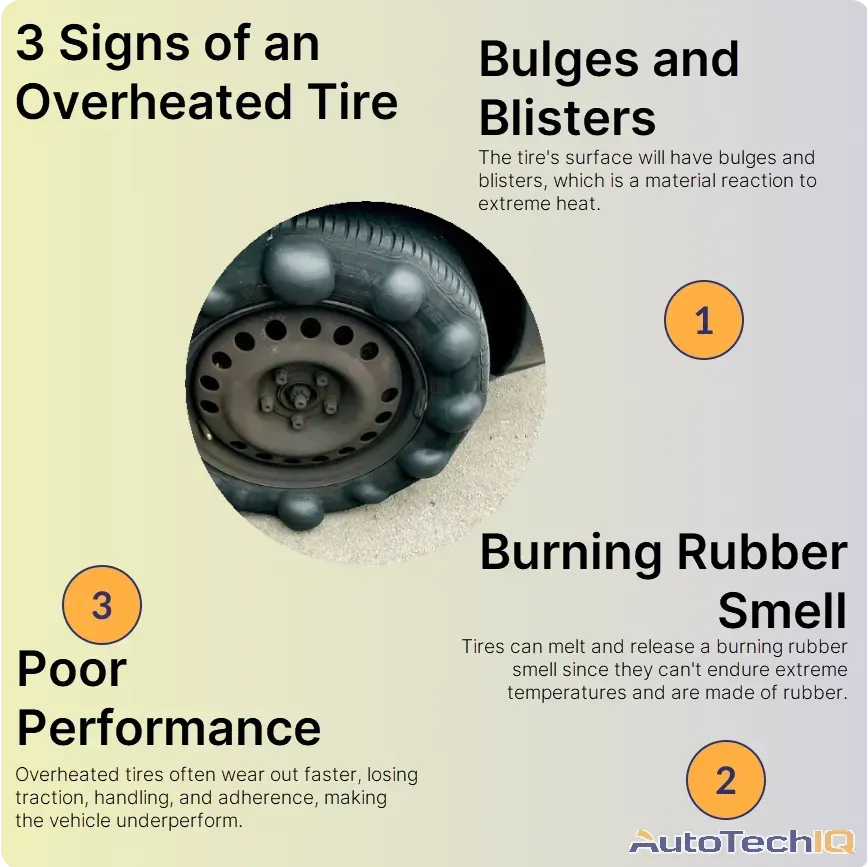
Signs Your Tires May Be Overheating
Drivers should watch for warning signs that suggest excessive tire temperatures. Catching these signs early can prevent safety problems.
How Tire Heat Buildup Affects Performance is easier to understand when drivers know what changes to look for during normal driving.

- ✦ Unusual tire smell
A strong rubber smell after driving may indicate excessive heat.
- ✦ Uneven wear
Heat problems can contribute to faster or uneven tread wear.
- ✦ Soft handling feel
Overheated tires may feel less stable during turns.
How Drivers Can Prevent Tire Heat Problems
Preventing excessive heat starts with simple maintenance habits. Most drivers can reduce heat stress by keeping tires properly inflated and avoiding unnecessary overload.
How Tire Heat Buildup Affects Performance shows why small maintenance actions can create major safety improvements over time.

- ✦ Check tire pressure monthly
Regular pressure checks help tires operate within their designed range.
- ✦ Inspect tires regularly
Look for cracks, bulges, damage, and unusual wear patterns.
- ✦ Avoid overloading vehicles
Follow manufacturer load limits to reduce tire stress.