Many drivers notice tire problems only after hearing road noise or feeling vibration through the steering wheel. However, tire feathering often begins quietly and can reduce tire performance long before a tire looks damaged. Understanding what causes tire feathering helps drivers catch problems early and avoid unnecessary tire replacement.
In my experience reviewing common tire wear patterns, feathering is one of the clearest signs that a vehicle is not making proper contact with the road. A quick hand check across the tread can reveal sharp edges that point toward a deeper alignment or suspension issue.
For U.S. drivers who commute daily, take road trips, or drive through changing weather conditions, keeping tires in good shape is important for safety and comfort. This guide explains what causes tire feathering, how to identify it, and what steps can fix and prevent it.
What Is Tire Feathering?
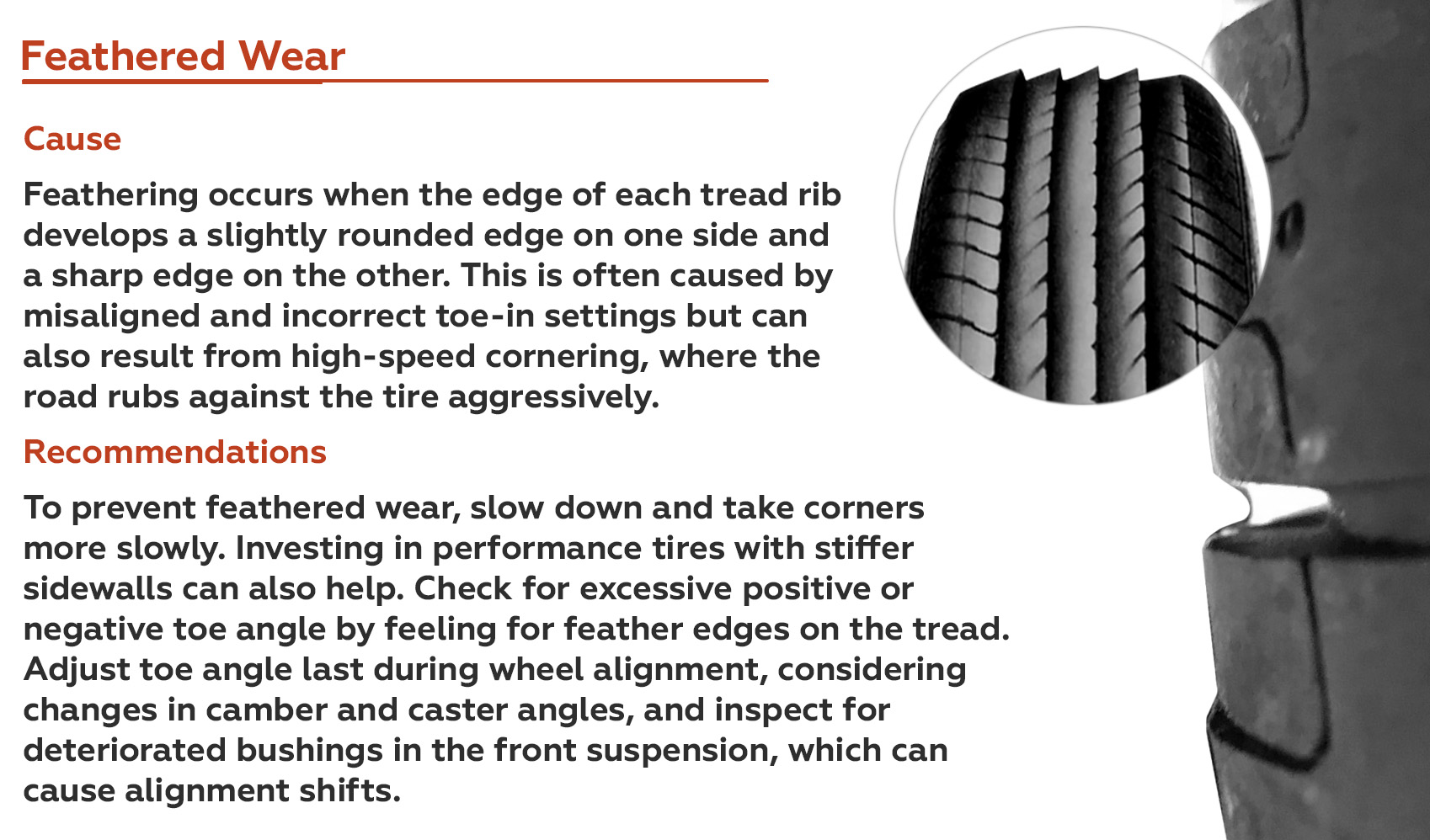
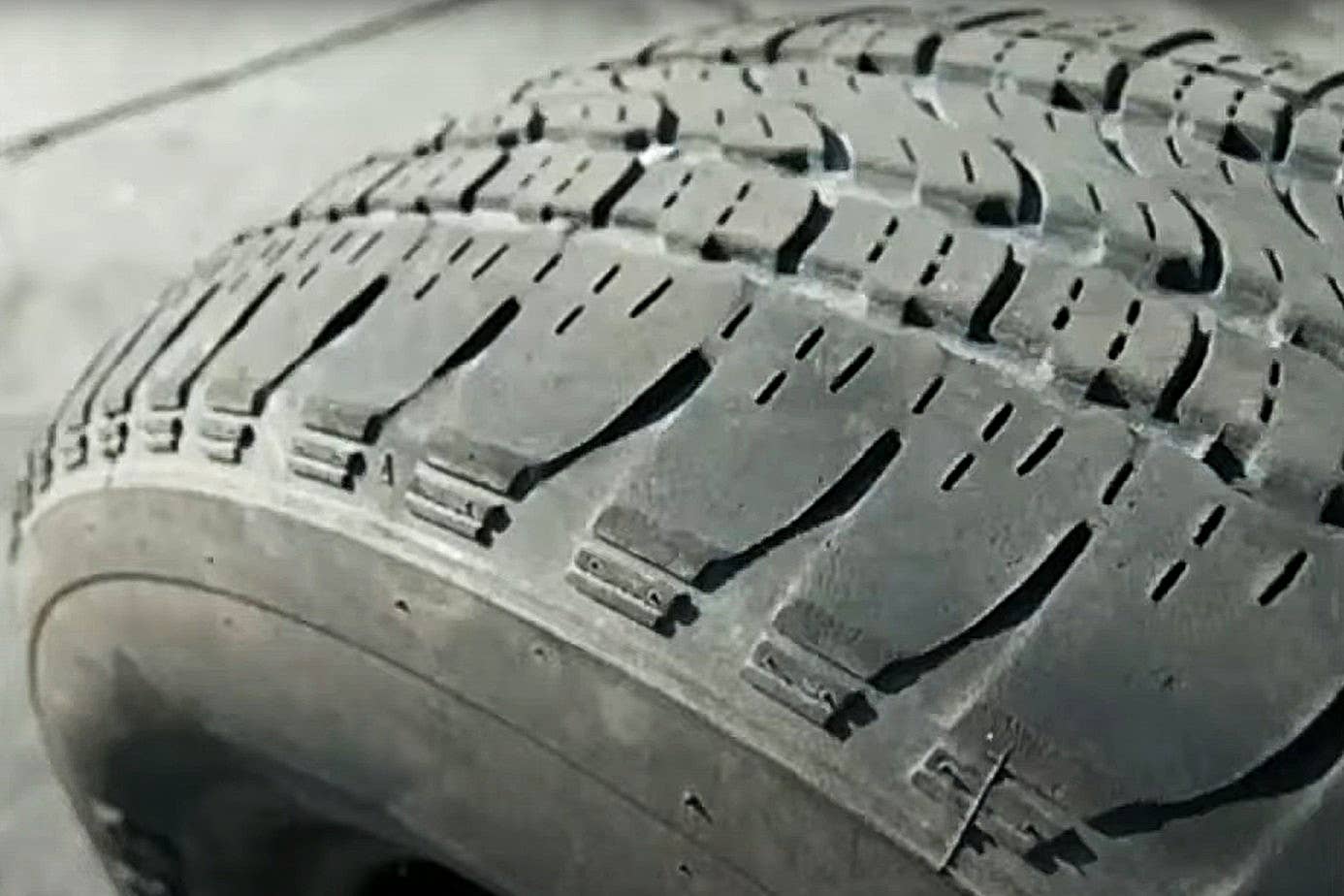
Tire feathering is a type of uneven tire wear where the tread blocks develop a smooth edge on one side and a sharp edge on the other. When you run your hand across the tire, the surface may feel like the teeth of a saw.
This wear pattern happens because the tire is not moving straight across the road surface. Instead, parts of the tread drag slightly as the vehicle moves forward. Over time, this repeated friction creates the feathered appearance.
Understanding what causes tire feathering starts with knowing that tires depend on correct alignment, balanced suspension movement, and proper inflation to wear evenly.
- ✦ Uneven tread edges
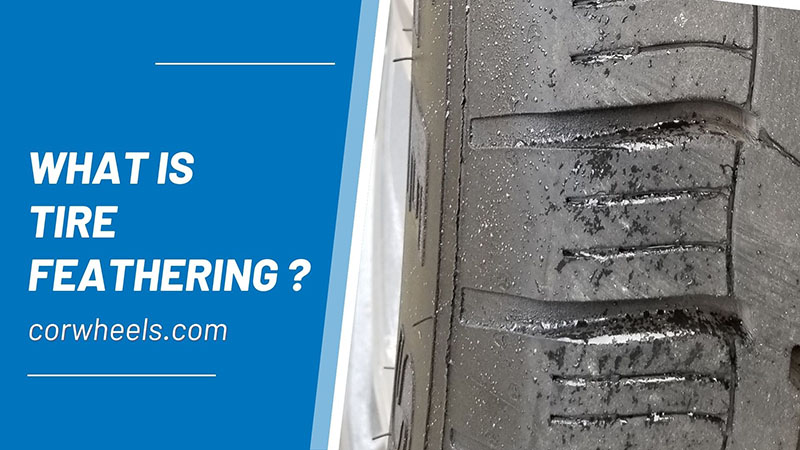
The tread blocks wear at different heights, creating a rough or sharp pattern across the tire surface.
- ✦ Road contact problem
The tire may scrub against the road instead of rolling smoothly due to incorrect vehicle setup.
How Feathering Feels During Inspection
A simple inspection can reveal feathering. Move your hand across the tire tread from one direction to the other. A smooth feeling in one direction and a rough feeling in the opposite direction often indicates feathering.
- ✦ Sharp tread feeling
Raised edges on tread blocks may feel pointed when touched.
Incorrect Wheel Alignment Is a Major Cause of Tire Feathering
One of the biggest answers to what causes tire feathering is poor wheel alignment. Alignment controls the angle at which tires meet the road, including toe, camber, and caster settings.
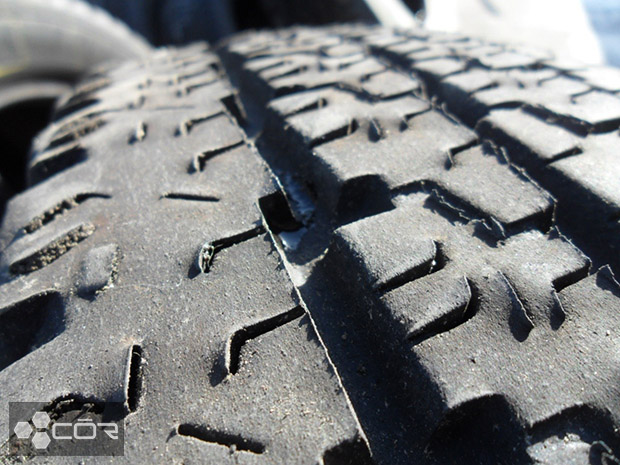
The toe angle has the strongest connection to feathering. If the front wheels point slightly inward or outward when they should point straight, the tires scrub across the pavement with every rotation.
Drivers may notice the vehicle pulling to one side, uneven steering response, or faster tire wear when alignment is incorrect.
- ✦ Toe misalignment
Incorrect toe settings make tires push against the road sideways and create feathered tread edges.
- ✦ Camber problems
Wrong camber angles place extra pressure on one side of the tire.
Worn Suspension Components Can Create Tire Feathering
Suspension parts help keep tires stable and connected to the road. When these parts wear out, the wheel can move in ways that create uneven tire pressure and irregular wear.
Common worn parts include ball joints, tie rods, control arm bushings, and shocks. These components can allow small movements that become serious tire wear problems over thousands of miles.
Many drivers replace tires without fixing worn suspension parts. This often causes new tires to develop the same feathering problem again.
- ✦ Loose steering parts
Worn tie rods or ball joints can change wheel angles while driving.
- ✦ Weak shocks
Poor shock performance can reduce tire stability and increase uneven wear.
Why Suspension Checks Matter
A professional inspection should include checking suspension movement before performing an alignment. Correcting alignment without fixing damaged parts may only provide a temporary solution.
- ✦ Complete repair approach
Fixing the root problem helps new tires wear evenly for a longer time.
Improper Tire Pressure Can Increase Uneven Tire Wear
Incorrect tire pressure is another factor connected to what causes tire feathering. While pressure problems often create other wear patterns, they can make existing feathering worse by changing how the tire contacts the road.
Underinflated tires flex more and may wear faster on the outer edges. Overinflated tires reduce the contact area and can increase stress on the center tread area.
Checking tire pressure once a month and before long trips is a simple habit that supports better tire performance.

- ✦ Low tire pressure
Creates extra flex and can increase irregular tread wear.
- ✦ High tire pressure
Changes the tire contact patch and may affect handling.
How Driving Habits and Road Conditions Affect Tire Feathering
Driving style can influence how quickly tire wear develops. Hard cornering, sudden braking, and aggressive acceleration place more stress on tires and suspension systems.
U.S. drivers also face different road conditions, from potholes in cities to rough highways in rural areas. Strong impacts can knock wheels out of alignment and contribute to feathering.
While driving habits alone may not always cause feathering, they can speed up wear when alignment or suspension issues already exist.

- ✦ Pothole impacts
Strong hits can change wheel alignment and damage suspension components.
- ✦ Aggressive driving
Hard turns and braking can increase stress on tires.
How To Fix Tire Feathering and Prevent Future Problems
Fixing tire feathering requires finding the reason behind the uneven wear. Replacing tires without correcting the cause may lead to the same problem with new tires.
A professional technician can inspect alignment angles, suspension parts, tire pressure, and overall tire condition. The right repair depends on what caused the feathering.
Regular maintenance is the best way to prevent feathering. Small checks can help drivers avoid expensive repairs and improve vehicle safety.

- ✦ Get a wheel alignment
Correct alignment restores proper tire contact with the road.
- ✦ Inspect suspension parts
Replace worn components before installing new tires.
- ✦ Rotate tires regularly
Tire rotation helps distribute normal wear more evenly.