Understanding What Is Wheel Load Rating helps drivers make safer choices when buying new wheels or modifying a vehicle. Every wheel has a weight limit set by the manufacturer. This limit tells you how much load the wheel can support without risking damage or failure.
From my experience reviewing vehicle fitment and wheel specifications, many drivers focus only on wheel size, style, and finish. However, load rating is one of the most important safety details. A good-looking wheel that cannot handle your vehicle’s weight may create serious problems on the road.

What Is Wheel Load Rating and Why Does It Matter?
Wheel load rating refers to the maximum amount of weight one wheel can support safely. manufacturers test wheels under specific conditions to determine this number. The rating includes the weight of the vehicle, passengers, cargo, and additional loads.
Knowing What Is Wheel Load Rating is important because wheels carry the entire weight of your vehicle. If a wheel is overloaded, it may bend, crack, or fail while driving. This risk becomes higher when carrying heavy cargo or towing.
- ✦ Safety protection
The correct wheel load rating helps prevent structural damage and supports safer driving.
- ✦ Better performance
A properly rated wheel helps maintain handling, braking, and ride quality.
- ✦ Vehicle compatibility
The rating ensures the wheel matches the original engineering requirements of your vehicle.
How Wheel Load Rating Is Measured
Wheel load rating is usually measured in pounds in the United States. For example, a wheel rated at 1,800 pounds can safely support up to 1,800 pounds of weight. A vehicle with four wheels would have a total theoretical capacity of 7,200 pounds, although other vehicle limits must also be considered.
Engineers test wheels for strength, impact resistance, and durability. The final rating depends on wheel design, material, construction method, and intended vehicle use.

- ✦ Pounds per wheel
The rating indicates how much weight each individual wheel can support.
- ✦ Manufacturer testing
Wheel brands use controlled tests to confirm safe operating limits.
Wheel Load Rating vs Tire Load Rating
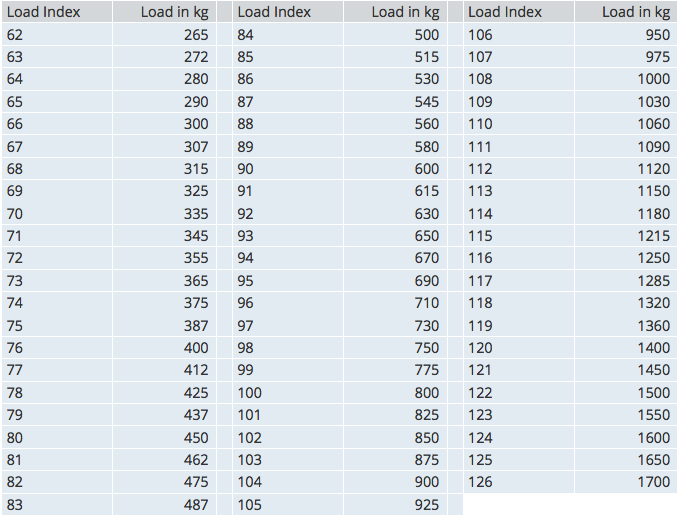
Wheel load rating and tire load rating are related but different. The wheel rating applies to the rim structure, while tire load rating applies to the tire’s ability to carry weight. Both ratings must meet vehicle requirements.
A high-capacity tire does not increase a wheel’s load limit. The wheel remains the limiting factor if its rating is lower.
- ✦ Wheel rating
Measures the maximum weight the wheel itself can support.
- ✦ Tire rating
Measures the maximum weight the tire can carry at proper inflation.
How to Find Your Wheel Load Rating
Finding your wheel load rating requires checking the wheel markings, manufacturer information, or product documentation. Many aftermarket wheels include specifications stamped on the back of the wheel or inside the spokes.
Vehicle owners should also check the owner’s manual or door label for recommended wheel and tire specifications. This information helps avoid choosing wheels that are too weak for the vehicle.

- ✦ Check wheel markings
Look for numbers or codes showing wheel size, offset, and load information.
- ✦ Review vehicle specifications
Use manufacturer recommendations as the minimum safety requirement.
- ✦ Ask a wheel professional
A qualified installer can confirm proper fitment and load capacity.
Factors That Affect Wheel Load Rating Requirements
Different vehicles need different wheel load ratings. A small sedan usually requires less capacity than a full-size pickup truck or heavy SUV. Vehicle weight, driving conditions, and usage all affect the required rating.
American drivers often use vehicles for different purposes, such as highway travel, hauling equipment, towing trailers, or off-road driving. These activities can increase the demand placed on wheels.

- ✦ Vehicle weight
Heavier vehicles require wheels with higher load capacities.
- ✦ Cargo and passengers
Extra weight increases the load placed on each wheel.
- ✦ Driving conditions
Off-road use, towing, and rough roads may require stronger wheel designs.
Why Trucks and SUVs Need Higher Ratings
Trucks and SUVs often carry more weight than passenger cars. They may also tow trailers or transport heavy equipment. Because of this, they commonly require wheels with higher load ratings.
Choosing wheels designed for lighter vehicles can reduce safety margins and may damage the wheel during demanding use.
- ✦ Towing demands
Trailer weight adds extra stress to wheels and tires.
What Happens If You Use Wheels With a Lower Load Rating?
Using wheels with a lower load rating than recommended can create safety risks. The wheel may experience excessive stress, especially during hard braking, sharp turns, or heavy loading.
Damage may not appear immediately. A wheel can develop small cracks or bends over time before a serious failure occurs.
- ✦ Wheel damage
Overloading can cause bends, cracks, or structural weakness.
- ✦ Reduced control
Incorrect wheel capacity may affect handling and stability.
- ✦ Safety concerns
A failed wheel can create dangerous driving situations.
Can You Choose Wheels With a Higher Load Rating?
Yes, drivers can often choose wheels with a higher load rating than the original equipment rating. A stronger wheel can provide additional capacity, but it must still match other specifications such as bolt pattern, offset, and diameter.
A higher load rating does not automatically improve every aspect of driving. The wheel must still be correctly fitted and paired with suitable tires.

- ✦ More capacity
Higher-rated wheels can provide extra strength for heavy-duty use.
- ✦ Correct fitment matters
Load rating alone does not guarantee compatibility.