Many U.S. drivers upgrade their wheels for better style, performance, or off-road capability. However, wheel fitment is about more than bolt patterns and appearance. The way a wheel centers on the vehicle plays a major role in ride quality and safety.
What Is a Hub Centric Wheel is a common question among car owners installing aftermarket wheels. From my experience researching wheel setups, proper center fitment is one of the details people often overlook. A wheel that fits correctly can help prevent unwanted vibration and create a smoother driving experience.

What Is a Hub Centric Wheel and How Does It Work?
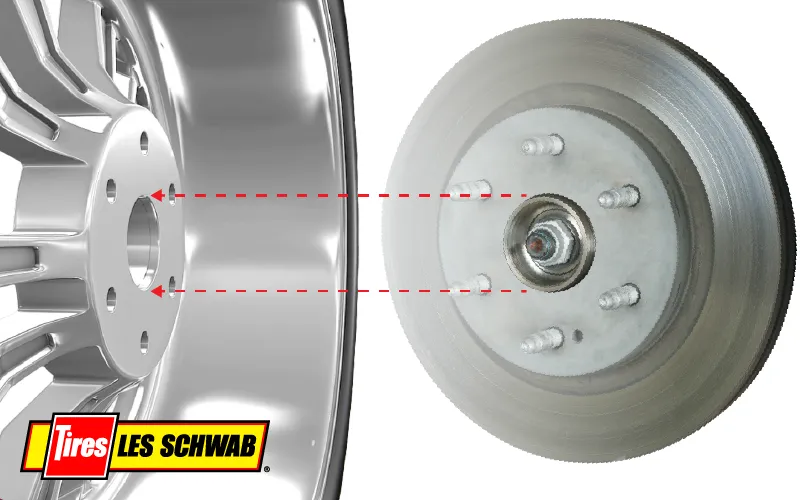
A hub centric wheel is designed so the center hole of the wheel fits directly over the vehicle hub. The hub becomes the main point that centers the wheel before the lug nuts are tightened.
Every vehicle has a hub diameter, also called the center bore size. A hub centric wheel matches this measurement closely, which helps keep the wheel perfectly centered during installation.
Unlike some wheel designs that depend mostly on lug nuts for alignment, a hub centric setup allows the vehicle hub to carry the centering load. This design is common on many factory wheels and high-quality aftermarket wheels.
- ✦ Vehicle hub fit
The wheel center bore matches the vehicle hub diameter to create a precise connection.
- ✦ Better wheel alignment
The hub helps position the wheel evenly before the lug nuts secure it.
- ✦ Reduced movement
A close fit can reduce small movements that may lead to steering vibration.
Understanding the Center Bore
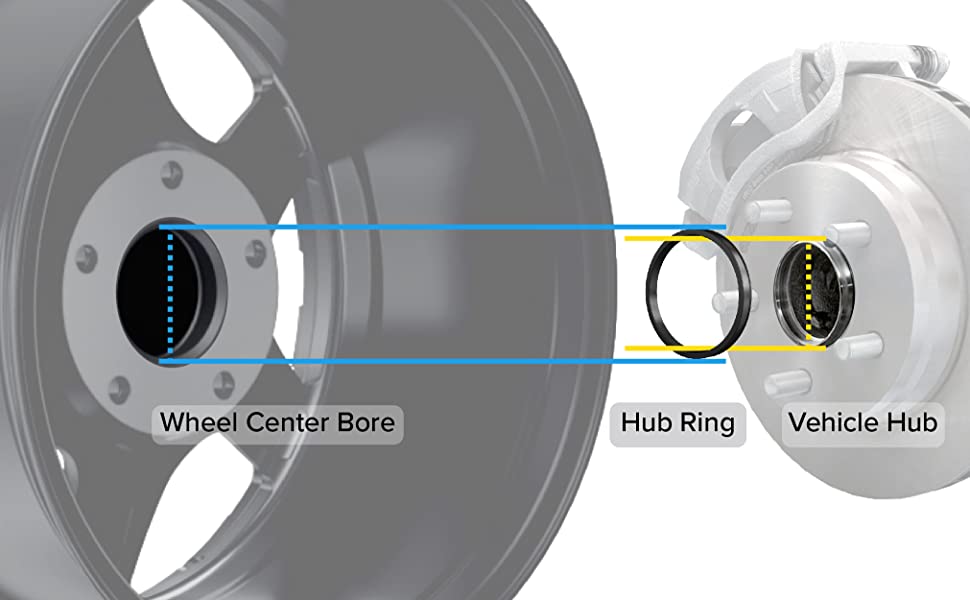
The center bore is the circular opening in the middle of a wheel. It must match the vehicle hub size for a true hub centric connection.
If an aftermarket wheel has a larger center bore, hub centric rings can fill the extra space and create a proper fit.
- ✦ Center bore measurement
It is measured in millimeters and must match the vehicle hub specification.
Why Are Hub Centric Wheels Important?
Understanding What Is a Hub Centric Wheel helps drivers make better decisions when buying aftermarket wheels. A proper fit can improve comfort and reduce common wheel-related problems.
When a wheel does not center correctly, the vehicle may develop vibrations, especially at highway speeds. These vibrations can make driving uncomfortable and may create extra stress on wheel components.
Hub centric wheels are especially useful for drivers who install larger aftermarket wheels, performance wheels, or custom setups.

- ✦ Improved ride comfort
A centered wheel can help provide a smoother driving experience with fewer vibrations.
- ✦ Better fitment
The wheel sits correctly on the vehicle hub instead of depending only on lug alignment.
- ✦ Professional installation results
Many wheel installers prefer hub centric designs because they make alignment easier.
Hub Centric Wheels vs Lug Centric Wheels
The main difference between hub centric and lug centric wheels is how the wheel gets centered on the vehicle. Hub centric wheels use the vehicle hub, while lug centric wheels rely on the shape and position of the lug holes.
Both systems can work when installed correctly. However, many aftermarket applications use hub centric rings to improve the fit between wheels and vehicles.
Knowing the difference helps drivers understand why some wheel setups feel smooth while others may develop vibration problems.

- ✦ Hub centric design
The vehicle hub centers the wheel through a matching center bore.
- ✦ Lug centric design
The wheel centers through the lug holes and lug nuts.
- ✦ Aftermarket applications
Many aftermarket wheels use rings to convert a larger bore into a hub centric fit.
Which System Do Factory Vehicles Use?
Many modern passenger vehicles use hub centric wheel designs from the factory. Manufacturers use this approach because it provides consistent wheel positioning during assembly.
Aftermarket wheels may have universal center bores, so hub rings are often needed for specific vehicle models.
- ✦ Factory fit
Original equipment wheels are usually designed specifically for one vehicle platform.
What Are Hub Centric Rings and Why Are They Used?
Hub centric rings are small adapters that sit between an aftermarket wheel and the vehicle hub. They reduce the gap between a larger wheel center bore and a smaller vehicle hub.
For example, a wheel may have a larger universal center opening designed to fit many vehicles. A hub ring allows that wheel to fit one specific vehicle correctly.
Quality hub rings are usually made from aluminum or durable plastic. The correct size matters because an incorrect ring will not provide proper centering.
- ✦ Aluminum hub rings
They provide strong durability and are often preferred for performance applications.
- ✦ Plastic hub rings
They are lightweight and commonly used for regular street driving.
- ✦ Correct sizing
The inner diameter must match the vehicle hub and the outer diameter must match the wheel bore.
Benefits of Installing Hub Centric Wheels
Choosing a hub centric wheel setup offers several practical benefits for everyday drivers and enthusiasts. The biggest advantage is accurate wheel positioning.
When the wheel sits properly on the hub, the lug nuts mainly hold the wheel in place instead of trying to center it. This can create a more stable connection.
Many drivers notice improved comfort after correcting poor wheel fitment issues caused by incorrect center bore sizes.

- ✦ Lower chance of vibration
Proper centering helps reduce imbalance caused by incorrect wheel positioning.
- ✦ Easier installation
The wheel naturally sits in the correct position during mounting.
- ✦ Long-term reliability
Correct fitment helps reduce unnecessary stress on wheel hardware.
How to Check If Your Wheels Are Hub Centric
Checking whether your wheels are hub centric starts with measuring the wheel center bore and vehicle hub diameter. These measurements should match closely.
You can check your vehicle specifications, wheel documentation, or ask a professional installer for accurate measurements.
If your wheel bore is larger than your vehicle hub, the wheel may need hub centric rings to create the correct fit.
- ✦ Measure the hub diameter
Use accurate measurements to find the size of the vehicle mounting hub.
- ✦ Measure the wheel bore
Check the inside diameter of the wheel center opening.
- ✦ Match both sizes
Use hub rings when the wheel bore is larger than the vehicle hub.