When choosing aftermarket wheels in the United States, many drivers focus on size, style, and finish. However, wheel fitment is about more than appearance. Understanding what is lug centric wheel fitment helps drivers avoid vibration issues, installation mistakes, and unsafe wheel setups.
In my experience reviewing wheel fitment systems, the biggest confusion comes from mixing up lug centric and hub centric designs. Both systems can hold a wheel safely, but they use different methods to keep the wheel centered. A correct match between the wheel design and vehicle hardware is the key factor.
What Is Lug Centric Wheel Fitment?
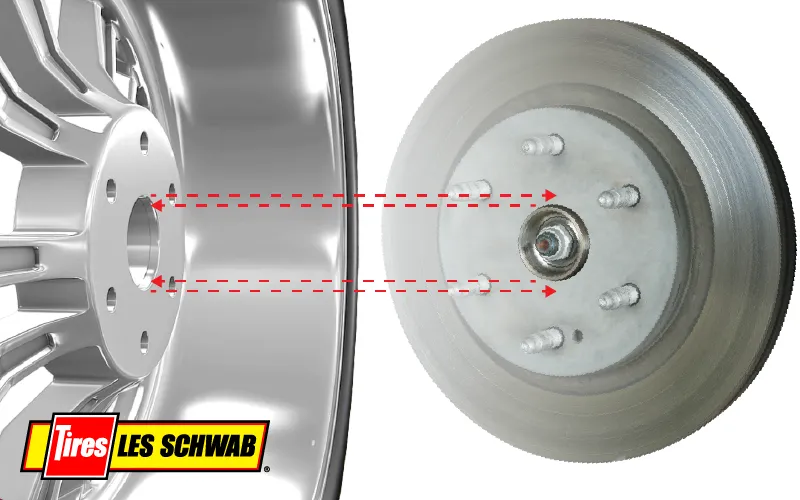
What is lug centric wheel fitment? It is a wheel mounting system where the wheel is centered by the lug holes, lug nuts, and wheel studs. The tapered or conical shape of the lug nuts helps pull the wheel into the correct center position during tightening.
Unlike hub centric wheels, lug centric wheels do not rely on the vehicle hub opening to locate the wheel. Instead, the wheel studs and lug seats create the center point. This design is common on many passenger vehicles, trucks, and aftermarket wheels in the U.S.
- ✦ Centering Method
The wheel is aligned by the interaction between lug nuts and lug holes.
- ✦ Main Components
The system depends on wheel studs, lug nuts, and properly designed lug seats.
- ✦ Common Usage
Many factory and aftermarket wheels use lug centric mounting designs.
How Lug Centric Wheels Center Themselves
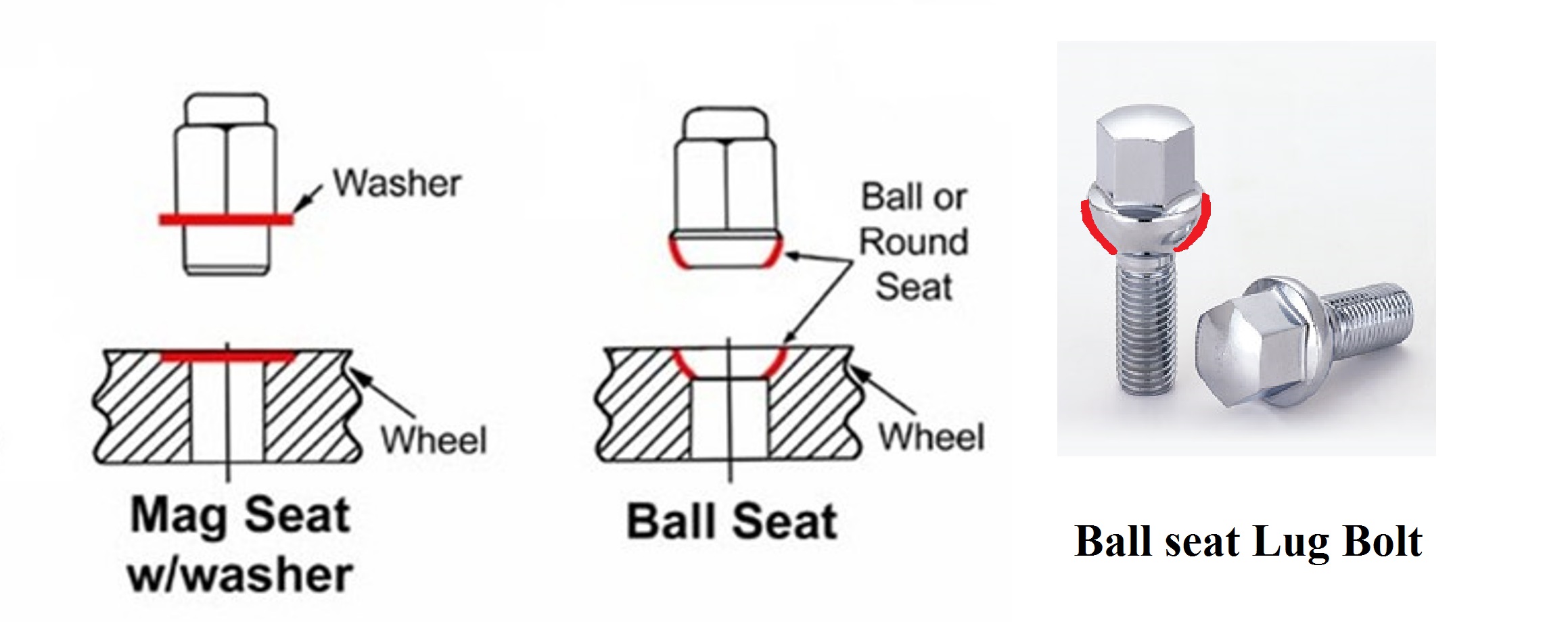
A lug centric wheel uses angled lug seats that match the shape of the lug nuts. As the nuts tighten, they push the wheel into the center position around the stud pattern.
The process requires even tightening. If one lug nut is tightened too quickly or unevenly, the wheel may not sit correctly against the mounting surface.
- ✦ Tapered Lug Seats
The angled seat design helps guide the wheel into place.
How Lug Centric Wheels Differ From Hub Centric Wheels
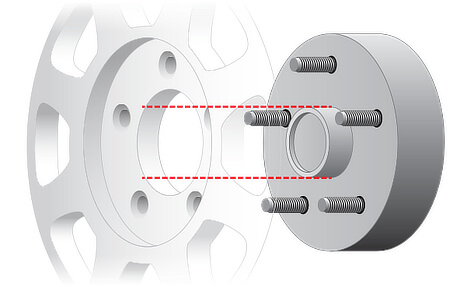
The main difference between lug centric and hub centric wheel fitment is how the wheel finds its center. Lug centric wheels use the lug system, while hub centric wheels use the vehicle hub and center bore.
Both systems can provide reliable performance when installed correctly. The right choice depends on the vehicle design, wheel specifications, and manufacturer recommendations.
- ✦ Lug Centric Design
Uses lug nuts and studs to center the wheel during installation.
- ✦ Hub Centric Design
Uses the hub opening to position the wheel before lug tightening.
- ✦ Driving Feel
A properly installed wheel from either system should provide smooth and stable driving.
Why Drivers Confuse These Two Systems
Many aftermarket wheel buyers assume every wheel must match the hub diameter exactly. That is true for hub centric wheels, but lug centric wheels depend on the lug hardware for alignment.
Understanding this difference makes wheel shopping easier and reduces the chance of buying incompatible parts.
Benefits of Lug Centric Wheel Fitment
Lug centric wheel fitment has several advantages when the correct wheel and hardware combination is used. It allows manufacturers to produce wheels that fit a wide range of vehicles with different hub sizes.
For many drivers, the biggest benefit is flexibility. Aftermarket wheels can be designed around common bolt patterns and lug systems without requiring a specific hub diameter.

- ✦ More Wheel Compatibility
One lug centric wheel design can often fit multiple vehicle applications with the correct specifications.
- ✦ Simple Design
The system uses fewer locating features because the lug system handles centering.
- ✦ Aftermarket Options
Drivers often find more wheel choices with lug centric mounting.
Possible Problems With Lug Centric Wheel Fitment
Although lug centric wheel fitment can work very well, installation accuracy matters. Poor installation can create wheel vibration, uneven pressure, or loose mounting problems.
Most issues happen when drivers use incorrect lug nuts, mismatched lug seats, or improper tightening methods. The wheel and lug hardware must always be designed to work together.
- ✦ Incorrect Lug Nuts
Wrong seat styles can prevent the wheel from centering correctly.
- ✦ Uneven Tightening
Uneven torque can affect how the wheel sits against the mounting surface.
- ✦ Poor Fitment Research
Checking bolt pattern, offset, and lug specifications before purchase helps prevent problems.
Can Lug Centric Wheels Cause Vibration?
A correctly installed lug centric wheel should not cause vibration. However, installation errors or incorrect components can create imbalance or centering problems.
If a vehicle shakes after installing new wheels, drivers should check wheel balance, lug torque, tire condition, and fitment specifications.
How To Install Lug Centric Wheels Correctly
Correct installation is one of the most important parts of lug centric wheel fitment. The wheel must sit flat against the vehicle mounting surface, and each lug nut must match the wheel seat design.
Professional tire shops usually follow a star tightening pattern and use a torque wrench to reach the manufacturer’s recommended setting. This helps the wheel center evenly.

- ✦ Clean Mounting Surfaces
Remove rust, dirt, and debris before installing the wheel.
- ✦ Use Correct Lug Nuts
Match the lug nut seat type with the wheel design.
- ✦ Apply Proper Torque
Follow the vehicle or wheel manufacturer’s torque specifications.
How To Check If Your Vehicle Uses Lug Centric Wheel Fitment
To find out if your vehicle uses lug centric wheel fitment, check the wheel specifications, owner’s manual information, or manufacturer details. The mounting design is usually listed with wheel fitment data.
You can also inspect how the wheel is centered. If the wheel relies on tapered lug seats rather than the hub opening, it follows a lug centric design.

- ✦ Check Wheel Specifications
Look for bolt pattern, lug seat type, and mounting details.
- ✦ Inspect Lug Design
Tapered lug seats often indicate a lug centric system.
- ✦ Ask A Professional
A tire or wheel specialist can confirm compatibility before installation.