Understanding How Wheel Studs and Lug Nuts Work helps drivers maintain safer vehicles. Every time you drive on U.S. roads, your wheels depend on these small metal parts to handle braking forces, cornering loads, and daily road impacts.
From my experience studying wheel systems, many wheel problems start with simple mistakes such as using the wrong lug nuts or tightening them incorrectly. A wheel attachment system looks simple, but each part must work together with precision.
What Are Wheel Studs and Lug Nuts?
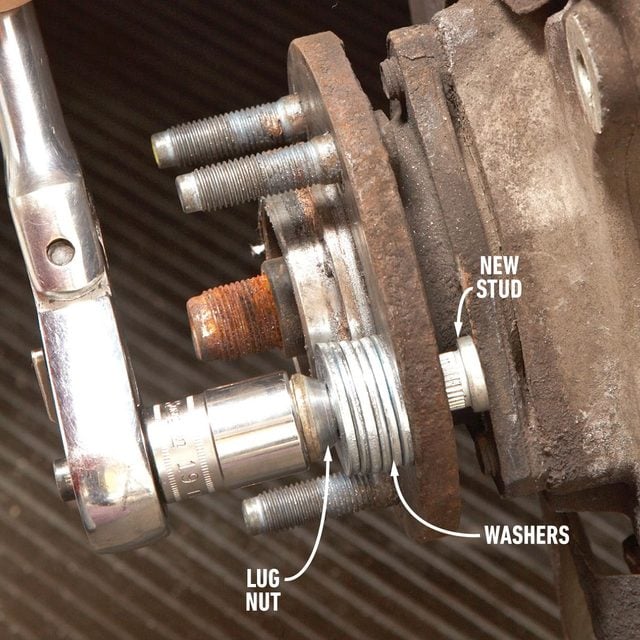
Wheel studs are threaded metal bolts pressed or mounted into a vehicle hub. They provide the connection point where lug nuts attach and tighten the wheel assembly.
Lug nuts are specially shaped fasteners that screw onto wheel studs. When tightened, they pull the wheel firmly against the hub mounting surface and create a strong clamp.

- ✦ Wheel studs
These fixed threaded posts support the wheel attachment system and receive the lug nuts.
- ✦ Lug nuts
These threaded fasteners hold the wheel tightly against the hub when installed with proper torque.
Why Both Parts Matter
Wheel studs and lug nuts share the load between the wheel and vehicle. A damaged stud or incorrect lug nut can reduce the strength of this connection.
Learning How Wheel Studs and Lug Nuts Work makes it easier to spot issues before they become major safety problems.
- ✦ Secure connection
The system keeps the wheel centered and attached during normal driving conditions.
How Wheel Studs and Lug Nuts Work Together
The basic process is based on clamping force. When a lug nut tightens onto a wheel stud, it pulls the wheel toward the hub and creates friction between the wheel and mounting surface.
This friction carries much of the driving force. The wheel stud itself does not simply hold the weight of the vehicle; the tight connection between parts allows the system to handle stress safely.

- ✦ Thread engagement
The lug nut must properly match the stud size and thread pattern for a secure fit.
- ✦ Clamping force
Proper tightening pressure keeps the wheel firmly attached while driving.
The Role of Torque
Torque is the twisting force used to tighten lug nuts. Vehicle manufacturers provide specific torque ratings because too little or too much force can cause damage.
Professional technicians use torque wrenches because guessing by hand can lead to uneven pressure across the wheel.
- ✦ Correct torque
Helps maintain wheel safety and prevents stud or lug nut damage.
Different Types of Wheel Studs and Lug Nuts
Wheel attachment systems vary between vehicles. Most passenger cars in the United States use wheel studs with lug nuts, while some vehicles use wheel bolts that thread directly into the hub.
Lug nuts also come in different shapes. The seat design must match the wheel because it controls how the nut contacts the wheel surface.

- ✦ Conical seat lug nuts
These use a tapered seat and are common on many aftermarket wheels.
- ✦ Ball seat lug nuts
These use a rounded seat design found on certain factory wheels.
- ✦ Mag seat lug nuts
These use a flat washer-style contact area for specific wheel designs.
Why Correct Lug Nut Fitment Matters
Using the wrong lug nut shape can prevent proper contact with the wheel. This may cause vibration, loosening, or damage over time.
When changing wheels, always confirm the thread size, seat type, and length requirements.
- ✦ Proper match
The lug nut design must match the wheel specifications.
Common Wheel Stud and Lug Nut Problems
Wheel studs and lug nuts are built for strength, but they can wear or fail. Frequent problems include damaged threads, stretched studs, missing lug nuts, and incorrect installation.
A loose wheel can create serious safety risks. Drivers should inspect their wheels after tire changes, repairs, or unusual vibration.

- ✦ Cross-threaded lug nuts
Incorrect installation can damage threads and prevent proper tightening.
- ✦ Over-tightened lug nuts
Excessive force can stretch studs and make future removal difficult.
- ✦ Broken wheel studs
Damaged studs may need replacement to restore safe wheel attachment.
Warning Signs to Watch For
Common warning signs include clicking sounds, wheel vibration, missing lug nuts, or visible damage around the wheel fasteners.
If you notice these signs, inspect the wheel system before continuing normal driving.
- ✦ Early inspection
Finding problems early can prevent larger repair costs.
How to Maintain Wheel Studs and Lug Nuts
Proper maintenance keeps wheel hardware working correctly. Drivers should check lug nut tightness after wheel removal and follow the vehicle manufacturer’s torque specifications.
A simple inspection routine can help identify rust, damaged threads, or worn parts before they affect safety.

- ✦ Use a torque wrench
This provides accurate tightening instead of relying on guesswork.
- ✦ Inspect threads
Clean and undamaged threads help create a secure connection.
- ✦ Replace damaged parts
Never ignore cracked, bent, or severely worn wheel hardware.
Professional Wheel Service Tips
Many technicians recommend checking lug nut torque after tire installation because wheel seating can change slightly after driving.
Following proper service steps improves the reliability of the wheel attachment system.
- ✦ Routine checks
Regular inspections support long-term wheel safety.