Understanding What Is a Tire Bead and How Does It Seal helps drivers recognize one of the most important parts of a modern tire. The bead may not be visible during normal driving, but it plays a major role in safety, handling, and air pressure control.
In my experience studying tire systems, many tire problems blamed on punctures actually come from bead sealing issues. A tire can look perfect from the outside while losing air because the bead cannot create a proper seal with the wheel.
What Is a Tire Bead and Why Is It Important
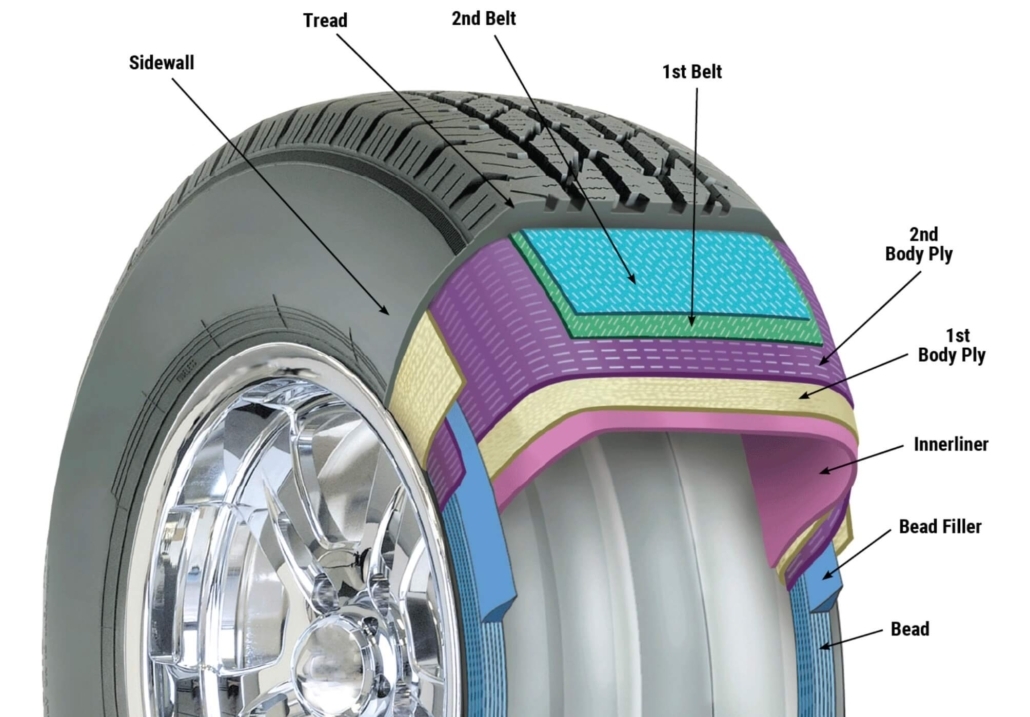
A tire bead is the reinforced part of the tire that sits against the wheel rim. It contains strong steel wires wrapped with rubber and other materials to provide strength.
The main purpose of the tire bead is to keep the tire attached to the wheel during acceleration, braking, and cornering. It also helps maintain the airtight connection needed in most modern tubeless tires.

- ✦ Bead wire
Steel wires inside the bead provide strength and help the tire grip the rim securely.
- ✦ Bead filler
Rubber material around the bead improves stiffness and supports the tire sidewall.
- ✦ Bead seat
The bead seat is the smooth area of the rim where the tire bead creates its seal.
Main Parts Around the Tire Bead
The bead works together with the sidewall, inner liner, and rim flange. Each part has a specific job, but the bead is the connection point between the tire and wheel.
How Does a Tire Bead Seal Against the Rim
To understand What Is a Tire Bead and How Does It Seal, it helps to look at the pressure inside a tire. Air pressure pushes the tire outward, forcing the bead tightly against the rim seat.
The rubber surface of the bead creates a close contact area that blocks air from escaping. The seal does not come from glue; it comes from precise fit, pressure, and clean contact surfaces.

- ✦ Air pressure force
Internal tire pressure pushes the bead into the rim and strengthens the seal.
- ✦ Rubber contact
The flexible rubber bead surface fills tiny gaps between the tire and wheel.
How Tire Beads Are Installed During Mounting
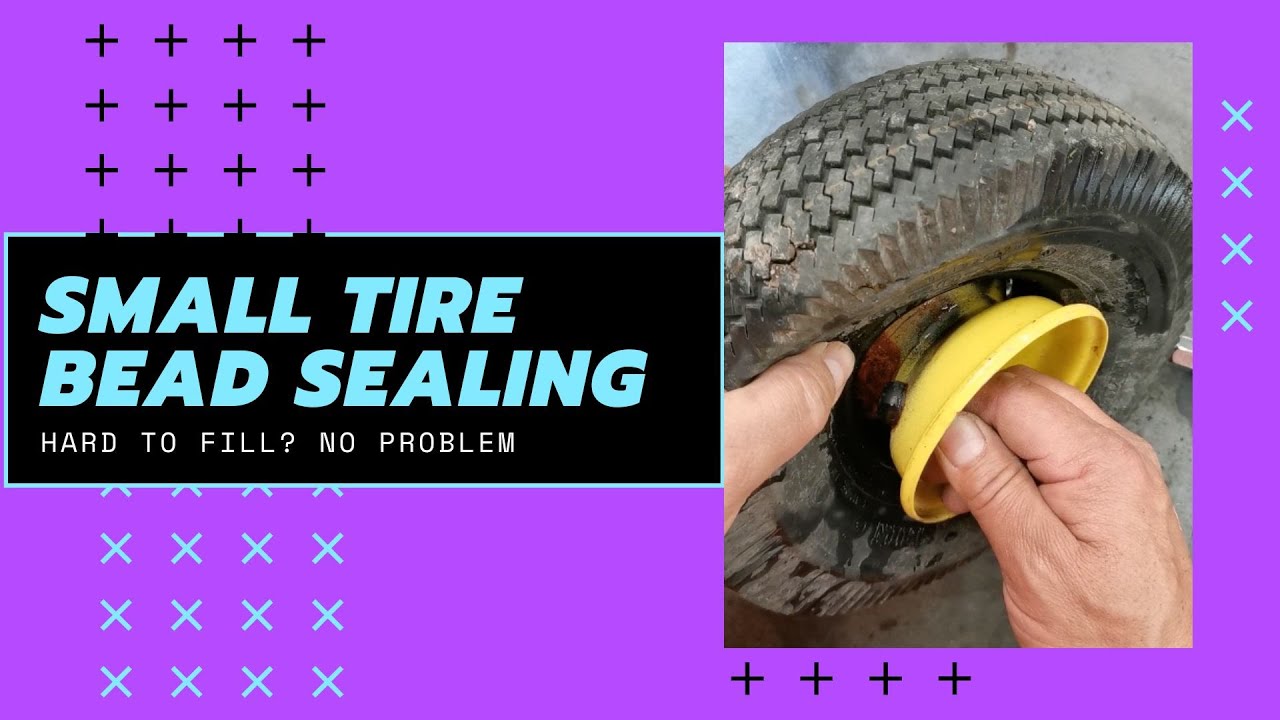
When a tire shop installs a tire, technicians use special tools and lubricants to move the bead over the rim without damaging it. Proper installation is critical because a damaged bead may leak air.
During inflation, the tire bead moves into its correct position on the rim. This process is often called setting the bead.
- ✦ Bead lubricant
Lubricant helps the bead slide into place and reduces installation stress.
- ✦ Correct inflation
Controlled inflation allows the bead to seat evenly around the wheel.
Why Clean Rim Surfaces Matter
Rust, dirt, old sealant, or corrosion on the rim can prevent the bead from making full contact. This can create slow leaks even when the tire has no puncture.
Common Tire Bead Problems and Warning Signs
Knowing What Is a Tire Bead and How Does It Seal also helps drivers identify problems early. A bead issue can slowly reduce tire pressure and affect vehicle performance.
Most bead problems happen because of installation mistakes, wheel damage, corrosion, or physical damage to the tire edge.

- ✦ Slow air loss
A damaged or dirty bead can allow air to escape gradually.
- ✦ Visible bead damage
Cuts, cracks, or deformation near the tire edge can affect sealing.
- ✦ Corroded wheel
Rust or oxidation on the rim can interrupt the bead seal.
How to Prevent Tire Bead Seal Problems
Regular tire care can prevent many bead-related issues. Drivers in the USA often experience seasonal temperature changes that affect tire pressure, making inspections important.
A good maintenance routine includes checking tire pressure, keeping wheels clean, and using professional tire mounting services.
- ✦ Check tire pressure
Correct pressure reduces stress on the tire bead and improves tire life.
- ✦ Inspect wheels
Look for corrosion, dents, or damage that could affect sealing.
- ✦ Use proper equipment
Professional tools reduce the risk of bead damage during installation.
Why Bead Sealers Are Sometimes Used
Bead sealers are special products used by technicians to help fix minor sealing problems. They should not replace proper repair when a tire or wheel has serious damage.
Tire Bead vs Tire Sidewall: Understanding the Difference
The tire bead and sidewall work together but serve different purposes. The bead connects the tire to the wheel, while the sidewall supports the tire shape and absorbs road impacts.
When learning What Is a Tire Bead and How Does It Seal, separating these two parts makes tire maintenance easier to understand.
- ✦ Tire bead role
Locks the tire onto the rim and maintains the air seal.
- ✦ Sidewall role
Provides flexibility, support, and impact resistance.