Many drivers in the United States rely on modern safety features to handle daily travel, long road trips, and highway driving. A run flat tire pressure monitoring system is one of these technologies. It helps drivers know when a tire loses air and allows them to react before a dangerous situation develops.
In my experience reviewing automotive safety systems, the biggest benefit of this technology is awareness. A run flat tire can continue moving for a limited distance after losing pressure, but the driver still needs accurate information. That is where the tire pressure monitoring system becomes important.
What Is a Run Flat Tire Pressure Monitoring System?
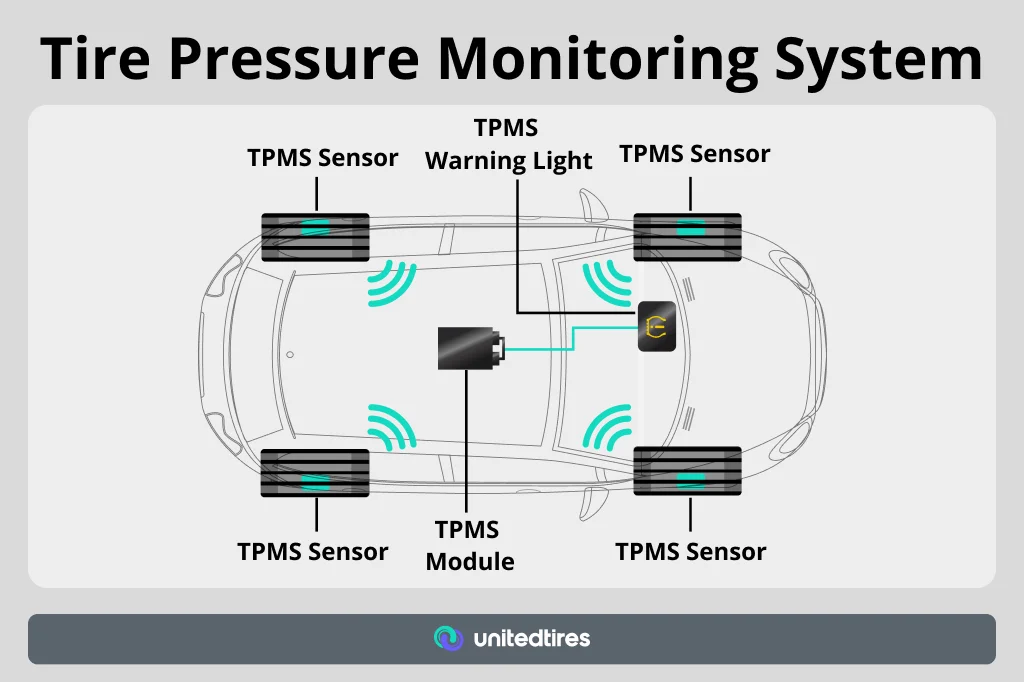
A run flat tire pressure monitoring system is a safety setup that combines run flat tire technology with a tire pressure monitoring system, often called TPMS. The system uses sensors placed inside or around the wheels to track tire pressure and alert the driver when pressure drops.
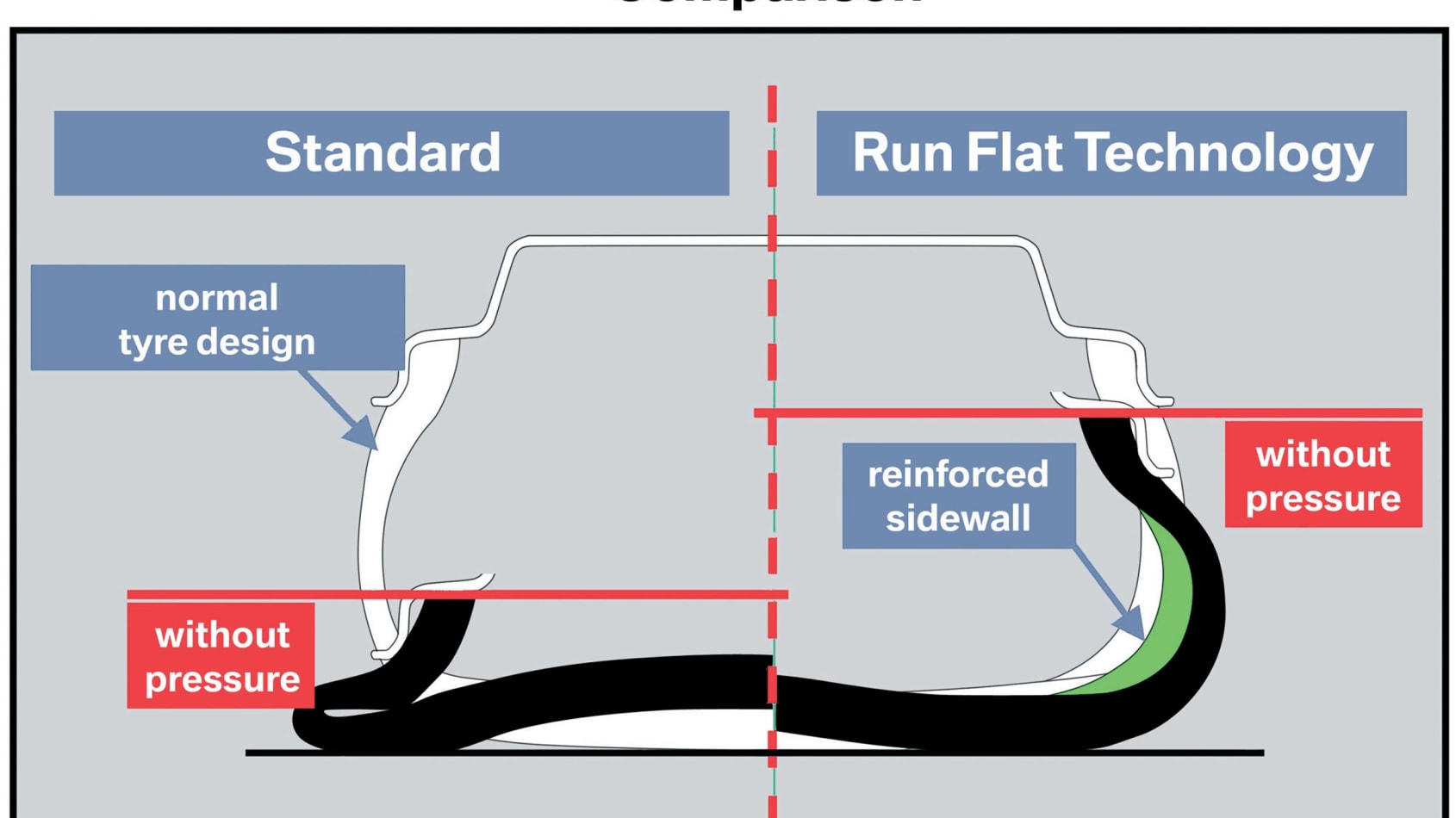
Unlike regular tires, run flat tires have reinforced sidewalls that support the vehicle even after a major air loss. However, the driver may not always notice the pressure problem immediately. The TPMS warning gives clear information so the driver can slow down and plan a safe tire inspection.
- ✦ Pressure monitoring
Sensors measure tire pressure levels and send information to the vehicle computer.
- ✦ Driver warning
The system displays alerts when pressure falls below a safe level.
- ✦ Run flat support
The tire design helps maintain vehicle control after air loss for a limited distance.
Why Run Flat Tires Need TPMS
Run flat tires can hide the feeling of a flat tire because their strong structure keeps the vehicle level. A driver may continue driving without realizing the tire has lost air. The run flat tire pressure monitoring system solves this problem by providing an early warning.
- ✦ Better awareness
Drivers receive alerts instead of depending only on steering feel or visual checks.
How Does a Run Flat Tire Pressure Monitoring System Work?
A run flat tire pressure monitoring system works through wheel sensors, electronic control units, and dashboard displays. The sensor checks air pressure and sometimes temperature inside each tire. When the pressure drops, the system sends a signal to the vehicle computer.
Most passenger vehicles use either direct TPMS or indirect TPMS technology. Direct systems use pressure sensors inside the tires, while indirect systems use wheel speed data from the anti-lock braking system to estimate pressure changes.

- ✦ Direct TPMS
Uses physical sensors inside each wheel to measure actual tire pressure.
- ✦ Indirect TPMS
Uses existing vehicle systems to detect changes caused by different wheel rotation speeds.
The Role of Tire Sensors
Tire sensors are the key parts of a run flat tire pressure monitoring system. They collect pressure data and transmit it wirelessly to the vehicle. Modern sensors are designed to work for years but may need battery replacement when they become weak.
- ✦ Sensor communication
Wireless signals allow the vehicle to monitor tire conditions while driving.
Main Components of a Run Flat Tire Pressure Monitoring System
A run flat tire pressure monitoring system has several parts that work together. Each component has a specific job, from measuring pressure to showing warnings on the dashboard.
Understanding these parts helps vehicle owners maintain the system and identify possible problems during regular service visits.
- ✦ TPMS sensors
Small electronic devices that measure tire pressure and temperature.
- ✦ Receiver module
Receives sensor data and transfers information to the vehicle computer.
- ✦ Dashboard warning light
Alerts the driver when the system detects unsafe pressure levels.
Run Flat Tire Construction
Run flat tires use reinforced sidewalls and stronger internal structures. These features help support the vehicle weight after air pressure loss, giving drivers time to reach a service location safely.
- ✦ Strong sidewalls
Reinforced rubber supports the vehicle when normal air pressure is lost.
Benefits of Using a Run Flat Tire Pressure Monitoring System
The main advantage of a run flat tire pressure monitoring system is improved safety. It helps drivers respond quickly when a tire loses pressure instead of discovering the issue after handling problems appear.
For American drivers who spend hours commuting or traveling on highways, early tire warnings can reduce stress and improve confidence behind the wheel.

- ✦ Improved safety
The system provides early warnings about tire problems before they become severe.
- ✦ Reduced roadside risk
Run flat tires can help drivers avoid immediate stops after certain punctures.
- ✦ Better maintenance
Pressure information helps drivers maintain correct tire inflation.
Fuel Efficiency and Tire Life
Correct tire pressure helps reduce unnecessary rolling resistance. A properly maintained run flat tire pressure monitoring system supports better tire performance and can help prevent uneven wear caused by low pressure.
- ✦ Proper inflation
Maintaining correct pressure supports longer tire life and smoother driving.
Limitations of a Run Flat Tire Pressure Monitoring System
Although a run flat tire pressure monitoring system improves safety, it does not prevent all tire problems. A run flat tire can still suffer from sidewall damage, tread damage, or complete failure in extreme cases.
Drivers should also remember that run flat tires have distance and speed limits after pressure loss. The system provides information, but proper inspection and repair are still required.

- ✦ Limited driving distance
Run flat tires are designed for temporary mobility, not permanent driving after damage.
- ✦ Higher replacement cost
Some run flat tires cost more than standard tires because of their advanced construction.
- ✦ Sensor maintenance
TPMS sensors may need service or replacement after years of use.
Why Regular Tire Checks Still Matter
Even with advanced technology, drivers should check tire condition regularly. A run flat tire pressure monitoring system is a helpful tool, but it works best when combined with routine inspections.
- ✦ Visual inspection
Look for cracks, damage, and unusual wear patterns.