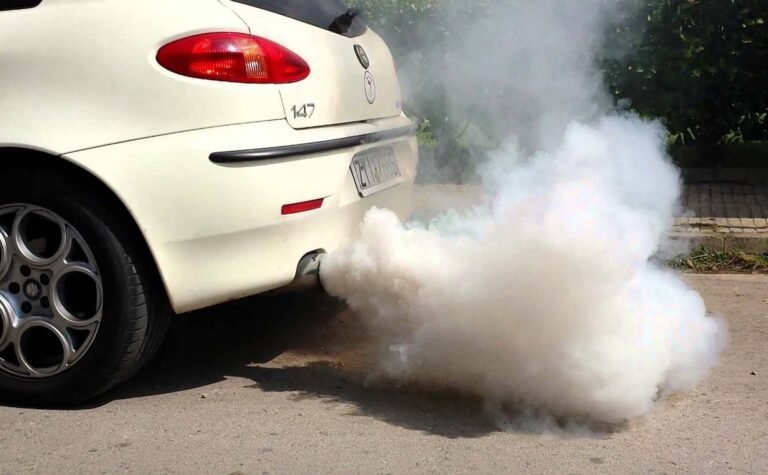
The most common muffler failure symptoms are unusually loud exhaust noise, deep rumbling, metallic rattling, visible rust holes, exhaust leaks, and unusual exhaust smells. A loose or damaged muffler may also cause vibrations under your car. Exhaust fumes entering the cabin require immediate attention because they can contain dangerous carbon monoxide.
Drivers across the United States depend on their cars for daily commutes, school runs, road trips, and long highway drives. Your muffler works under the vehicle, so it is easy to forget about it until something sounds wrong. Road salt in northern states, heavy rain in coastal areas, potholes, road debris, and daily heat cycles can all contribute to exhaust system wear.
A failing muffler often gives clear warning signs before it becomes severely damaged. You may hear a deeper engine sound, notice a metal rattle near the rear of your car, or spot rust around the exhaust pipe. These symptoms deserve attention because the muffler is part of the system that reduces engine noise and helps route exhaust away from the passenger area.
Not every exhaust noise means the muffler itself has failed. A broken hanger, loose heat shield, damaged exhaust pipe, or failing catalytic converter can produce similar sounds. The best approach is to identify the warning signs, understand what they may mean, and have the complete exhaust system checked when necessary. The CDC advises regular mechanic inspections because even a small exhaust leak can allow carbon monoxide to build up inside a vehicle. Source: https://www.cdc.gov/carbon-monoxide/about/
What Does a Muffler Do in Your Car?
A muffler is a metal component installed near the rear of most vehicle exhaust systems. Its main job is to reduce the loud sound produced by the engine during combustion. It uses internal chambers, tubes, and other sound-control structures to reduce exhaust noise before the gases leave the tailpipe.
The muffler works with other exhaust components. These include exhaust manifolds, pipes, catalytic converters, resonators, gaskets, and hangers. Each part has a different job, but they must work together to move exhaust gases away from the engine and passenger compartment.
A muffler does not perform the same emissions-cleaning job as a catalytic converter. The catalytic converter helps reduce harmful pollutants through chemical reactions. The muffler mainly controls sound. This difference matters when diagnosing a vehicle because a damaged catalytic converter can cause problems that a muffler replacement will not fix. Source: https://www.walkerexhaust.com/support/exhaust-101/signs-of-a-bad-muffler.html
Noise reduction
The muffler reduces the loud sound created by engine exhaust pulses.
Exhaust flow
Its internal design allows exhaust gases to pass through the system while controlling sound.
Passenger comfort
A properly working exhaust system helps prevent excessive noise and directs exhaust away from the vehicle.
System connection
The muffler connects with exhaust pipes and supporting hardware that must remain secure and leak-free.
Muffler Versus the Complete Exhaust System
The muffler is only one part of the exhaust system. A problem near the engine may sound similar to a damaged rear muffler. For example, a cracked exhaust manifold can create a loud ticking noise, while a leaking exhaust pipe can cause a deep rumble.
A mechanic should inspect the full exhaust system before recommending a replacement. This prevents spending money on a new muffler when the actual problem is somewhere else.
Muffler
Controls exhaust noise and may produce loud rumbling or internal rattling when damaged.
Resonator
Helps shape exhaust sound and can produce unwanted buzzing or rattling when damaged.
Catalytic converter
Reduces harmful exhaust pollutants. Internal damage or blockage may affect engine performance.
Exhaust pipe
Carries exhaust gases between components. Rust, cracks, and loose joints can cause leaks.
7 Common Muffler Failure Symptoms
A damaged muffler usually changes the sound or condition of the exhaust system. Some problems are easy to notice while driving. Others become clear only during a visual inspection.
The following signs can help you recognize a possible failure. One symptom alone does not always confirm that the muffler needs replacement.
1. Unusually loud exhaust noise
A sudden increase in exhaust volume is one of the strongest warning signs. You may hear a deep roar or growl from the rear of your vehicle. A rust hole, cracked seam, or damaged internal muffler section can allow exhaust sound to escape before it is properly reduced. The noise may become louder when you press the accelerator.
2. Metallic rattling under the car
A damaged muffler can make a metallic rattling or clanking sound. Internal baffles or tubes may become loose because of corrosion or repeated vibration. The noise may change with engine speed or appear when driving over bumps. However, loose heat shields and exhaust hangers can create similar sounds.
3. Exhaust smell around the vehicle
An unusual exhaust smell near the rear of the vehicle may indicate a leak. A damaged muffler seam or nearby pipe connection can allow gases to escape before reaching the tailpipe. Never assume that the smell is harmless because some exhaust gases contain carbon monoxide, which has no color or smell.
4. Exhaust fumes inside the cabin
Fumes entering the passenger area are a serious warning sign. A damaged exhaust component or poor exhaust routing may allow gases to enter through openings in the vehicle body or ventilation system. Carbon monoxide exposure can cause headaches, dizziness, weakness, nausea, and confusion. Stop driving, get everyone into fresh air, and seek emergency assistance if exposure or poisoning is suspected.
5. Visible rust, holes, or cracks
A muffler exposed to moisture, road salt, and dirt can develop corrosion. Look for deep rust, holes, split seams, or damaged connections. A hole can allow exhaust gases and noise to escape. Light surface rust alone does not prove that the muffler has failed, but deep corrosion deserves professional inspection.
6. Excessive vibration or a hanging muffler
A loose muffler may move more than normal while the engine runs. You might hear a clunk when starting the vehicle, accelerating, or driving over uneven roads. Broken rubber hangers, damaged brackets, or loose clamps can cause this problem. If the muffler hangs low or drags on the road, stop driving and arrange assistance.
7. Reduced engine performance
A restricted or damaged exhaust system may affect engine performance. You might notice slow acceleration, weak power, or unusual engine behavior. A severely restricted muffler can interfere with exhaust flow, but similar symptoms can come from a clogged catalytic converter, fuel system problem, or engine fault. Proper diagnosis is necessary before replacing parts.
Does a Bad Muffler Cause Poor Gas Mileage?
It can contribute to poor fuel economy when exhaust damage also creates a restriction or affects engine operation. However, a simple hole in the muffler does not automatically cause a noticeable drop in gas mileage.
A faulty oxygen sensor, clogged catalytic converter, low tire pressure, dirty air filter, or engine misfire may also increase fuel consumption. Check the full vehicle condition instead of assuming that the muffler is responsible.
Watch fuel consumption
Compare recent fuel use with your normal driving pattern.
Check engine warning
A check engine light needs proper diagnostic testing. A muffler alone is not a common direct cause of this warning.
What Causes a Muffler to Fail?
Mufflers operate in a harsh area under the vehicle. They face high temperatures, moisture, road debris, vibration, and corrosive materials. Over time, these conditions can weaken the metal body and internal parts.
Failure does not always happen at once. A small rust spot may grow into a hole, while a damaged hanger can place extra stress on the muffler and nearby exhaust pipes.
Rust and corrosion
Water, road salt, and dirt can attack the metal body. Vehicles driven through snowy areas may face extra corrosion from winter road treatments. Moisture can also form inside the exhaust system during normal heating and cooling.
Repeated temperature changes
The muffler heats up during driving and cools after the engine stops. Repeated expansion and contraction can place stress on seams, joints, and internal parts.
Road debris and impacts
Rocks, broken road material, potholes, and other objects can strike the muffler. A hard impact may dent the metal, crack a connection, or damage internal structures.
Broken exhaust hangers
Rubber hangers support the exhaust system and allow some movement. When they crack or break, the muffler may move excessively and place pressure on nearby connections.
Loose or poor-quality installation
Incorrect clamps, poor welds, and improper alignment can cause early exhaust problems. A muffler that touches the vehicle frame may also develop noise and wear.
Internal component damage
Baffles, tubes, and other internal structures can loosen or deteriorate. This may create rattling even when the outside of the muffler looks fairly normal.
Can Short Trips Damage a Muffler?
Frequent short trips may increase moisture buildup in an exhaust system. The muffler may not stay hot long enough to evaporate all the condensation inside it. Over time, trapped moisture can contribute to internal corrosion.
This does not mean every short drive damages a muffler. Driving conditions, vehicle design, climate, and maintenance all affect how quickly corrosion develops.
Reduce unnecessary cold starts
Combine nearby errands when practical instead of making several separate trips.
Inspect after winter
Check the undercarriage for corrosion, damaged hangers, and loose exhaust connections, especially in areas that use road salt.
How to Check for Muffler Problems Safely
You can perform a basic visual and listening check without removing any exhaust parts. The goal is to identify warning signs, not to confirm every internal fault yourself.
Always put safety first. Exhaust components can become extremely hot, and carbon monoxide can be dangerous. Never crawl underneath a vehicle supported only by a jack. Do not run the engine inside an attached garage or an enclosed space.
Step 1: Park in a safe location
Park on level ground outdoors. Apply the parking brake and switch off the engine. Keep children and pets away from the vehicle.
Step 2: Allow the exhaust system to cool
Wait until the muffler and exhaust pipes have cooled completely. These parts can remain hot long after the engine stops.
Step 3: Listen for unusual sounds
From a safe position outside the vehicle, note whether the exhaust became louder than usual. Listen for rattling, clanking, or a deep rumble. Do not place your face or hands near the tailpipe.
Step 4: Inspect visible areas
Use a flashlight to look at accessible parts of the muffler. Check for deep rust, visible holes, cracked seams, damaged pipes, and a muffler that appears to hang lower than normal.
Step 5: Look at the supporting hardware
Check visible rubber hangers, clamps, and brackets for obvious damage. A missing or broken hanger may explain a clunking sound without requiring a new muffler.
Step 6: Record other symptoms
Write down when the noise occurs, where it seems to come from, and whether you notice fumes, weak acceleration, or warning lights. This information can help the mechanic diagnose the problem.
When Should You Avoid a DIY Inspection?
Do not attempt to inspect the underside of a vehicle if you cannot support it with properly rated equipment and know how to use that equipment. A vehicle can fall and cause severe injury or death.
Do not touch the muffler to check for a leak. Do not block the tailpipe, crawl beneath a running vehicle, or use your hands to search for escaping hot exhaust gases. Leave pressure testing, smoke testing, welding, and internal inspection to a qualified technician.
Professional help
Arrange an exhaust inspection when you see a hole, deep corrosion, a loose muffler, or signs of an exhaust leak.
Emergency response
If anyone develops possible carbon monoxide symptoms, move into fresh air and contact emergency services. Do not return to the vehicle until it has been checked.
Muffler Failure or Another Exhaust Problem?
Several exhaust components can create similar symptoms. A loud engine, metallic rattle, or exhaust smell does not automatically prove that the muffler has failed.
The location of the noise and the conditions that trigger it can provide useful clues. However, a professional inspection is needed to confirm the damaged part.
Noise near the engine
A ticking or puffing sound near the engine may point to a leaking exhaust manifold, damaged gasket, or loose connection. A rear muffler problem is less likely when the sound clearly comes from the front.
Rattle near the rear
A rattle near the back of the car may come from loose muffler internals, a broken hanger, a damaged clamp, or an exhaust pipe touching the body.
Buzzing beneath the vehicle
A loose heat shield can vibrate against nearby metal. It may make noise only at certain engine speeds or while driving over rough roads.
Check engine light
A check engine light may indicate an emissions-related fault, oxygen sensor issue, catalytic converter problem, or engine malfunction. Read the diagnostic trouble codes before replacing an exhaust component.
Loss of engine power
A clogged catalytic converter or restricted exhaust pipe can reduce engine power. A mechanic should check exhaust flow and related engine systems.
Fumes entering the cabin
An exhaust leak can occur at several points, including the manifold, pipe connections, catalytic converter, or muffler. The full system must be checked.
Why Correct Diagnosis Matters
Replacing the muffler will not repair a leaking exhaust manifold or a blocked catalytic converter. Likewise, replacing a catalytic converter will not solve a loose exhaust hanger.
A good diagnosis identifies the source of the noise or leak before any parts are ordered. This can prevent repeat repairs and unnecessary expenses.
Identify the sound location
Determine whether the noise comes from the engine area, middle of the vehicle, or rear exhaust section.
Inspect connected parts
Check nearby pipes, joints, clamps, heat shields, hangers, and other exhaust components.
Can You Drive With a Bad Muffler?
Whether a vehicle can be driven with a damaged muffler depends on the type and severity of the problem. A noisy exhaust with no visible separation is different from an exhaust system leaking fumes into the passenger cabin.
Never treat an exhaust smell inside the vehicle as a minor inconvenience. Carbon monoxide is colorless and odorless, so the smell of exhaust cannot tell you whether a dangerous concentration is present. The CDC explains that even a small vehicle exhaust leak can allow carbon monoxide to build up inside the cabin. Source: https://www.cdc.gov/carbon-monoxide/about/
Stop driving if fumes enter the cabin
Pull over somewhere safe, turn off the engine, and get everyone into fresh air. Arrange professional assistance. If anyone has a headache, dizziness, nausea, weakness, chest pain, or confusion, seek emergency medical help.
Stop if the muffler is dragging
A muffler or exhaust pipe that hangs low can strike the road, break away, or damage nearby parts. Do not continue driving with an exhaust component dragging underneath the vehicle.
Arrange prompt inspection for excessive noise
A loud exhaust without cabin fumes or loose components still needs attention. Arrange a professional inspection rather than allowing the damage to worsen.
Tow the vehicle when necessary
Use roadside assistance or a tow truck if the exhaust system is detached, severely damaged, leaking fumes near the passenger area, or creating an immediate safety concern.
Can a Bad Muffler Cause Carbon Monoxide Poisoning?
A damaged muffler or another exhaust component can contribute to an exhaust leak. If exhaust gases enter the passenger cabin, occupants may be exposed to carbon monoxide and other harmful substances.
Carbon monoxide poisoning can cause headache, dizziness, weakness, nausea, vomiting, chest pain, and confusion. Severe exposure can cause unconsciousness or death. The absence of an exhaust smell does not prove that the cabin air is safe. Source: https://www.cdc.gov/carbon-monoxide/about/
If you suspect exposure, leave the vehicle and get fresh air immediately. Contact emergency services or seek medical assistance. Do not continue driving to a repair shop while occupants may be exposed.
Do not ignore symptoms
Headaches or dizziness that occur inside a vehicle may have several causes, but possible carbon monoxide exposure requires urgent attention.
Never idle in an attached garage
An open garage door does not make running a vehicle inside an attached garage safe.
How Mechanics Diagnose and Repair Muffler Failure
A mechanic should inspect the complete exhaust system before deciding whether to repair or replace the muffler. The correct solution depends on the location, size, and severity of the damage.
The inspection usually begins with the symptoms reported by the driver. The technician may then inspect the muffler body, seams, exhaust connections, mounting hardware, and nearby pipes.
Visual inspection
The technician looks for corrosion, holes, cracked seams, loose brackets, damaged hangers, and signs of exhaust leakage.
Noise diagnosis
The mechanic identifies whether the noise comes from internal muffler damage, loose hardware, a heat shield, or another exhaust component.
Leak testing
Suitable diagnostic methods can help locate escaping exhaust gases. A smoke test may be useful for finding leaks that are difficult to see.
Restriction testing
If the engine lacks power, the technician may test exhaust backpressure or use other diagnostic methods to check for a restricted exhaust system.
Related system checks
The mechanic may scan diagnostic trouble codes and inspect the catalytic converter, oxygen sensors, and engine operation when related symptoms are present.
When Is Muffler Repair Possible?
A minor problem with a clamp or supporting bracket may be repairable without replacing the entire muffler. A damaged hanger can often be replaced, while a loose exhaust connection may need proper adjustment or new hardware.
The muffler itself is a different matter. Deep corrosion, large holes, split seams, extensive internal damage, or a weakened metal body often make replacement the more reliable option. The correct decision depends on the vehicle, the part design, and applicable repair requirements.
Repair may work
An isolated mounting or connection problem may be repaired when the surrounding metal remains sound and the repair meets applicable requirements.
Replacement may be necessary
Severe corrosion, extensive leakage, internal deterioration, or structural damage may require a new muffler.
What Should You Ask Before Approving a Repair?
Ask the mechanic to identify the exact damaged component. Request an explanation of why the part needs repair or replacement, especially if the estimate includes several exhaust components.
Ask for a written estimate that separates parts and labor. The Federal Trade Commission recommends getting a written estimate that identifies the repair condition, needed parts, and expected labor charges. Source: https://consumer.ftc.gov/articles/0211-auto-repair-basics
Confirm the diagnosis
Ask whether the muffler itself is damaged or whether the problem comes from a pipe, hanger, heat shield, or catalytic converter.
Check replacement compatibility
Confirm that the replacement part fits your vehicle’s year, make, model, engine, and exhaust configuration.
Review the warranty
Ask what the parts and labor warranties cover and whether any exclusions apply.
How to Prevent Future Muffler Problems
You cannot prevent every muffler failure, but regular inspection and sensible vehicle care can help reduce avoidable damage. Pay extra attention to the exhaust system if you drive on rough roads, travel through snowy areas, or frequently make short trips.
The CDC recommends having a mechanic check the exhaust system of a car or truck every year because small leaks can create a carbon monoxide hazard. Follow your vehicle manufacturer’s maintenance guidance as well. Source: https://www.cdc.gov/carbon-monoxide/about/
Keep the undercarriage clean
Wash away accumulated dirt and road salt when practical. This is especially useful after winter driving in areas where roads are treated with salt.
Inspect exhaust hangers
Have broken rubber supports, loose clamps, and damaged brackets repaired before excessive movement damages nearby components.
Avoid road impacts
Drive carefully over potholes, steep driveways, and large road obstacles to reduce the risk of striking the muffler.
Address unusual noises early
A new rumble or rattle should be checked before corrosion or loose hardware creates additional damage.
Follow maintenance guidance
Use your owner’s manual and regular professional inspections to maintain the exhaust system.
Does Surface Rust Mean You Need a New Muffler?
No. Light surface rust does not automatically mean the muffler has failed. Some moisture and staining around muffler seams can also occur during normal operation.
For example, Ford’s 1996 owner maintenance guide states that moisture, staining, soot, and light surface rust around muffler seams do not by themselves establish a faulty muffler. This is vehicle-specific guidance, not a universal inspection rule. A technician should assess deep corrosion, holes, leakage, and structural damage. Source: https://www.fordservicecontent.com/Ford_Content/catalog/owner_guides/96bromg1e.pdf
Surface rust
A thin layer of rust without holes or leaks may not require immediate replacement.
Clear water from the tailpipe can be normal condensation. Its presence alone does not prove muffler failure.
Frequently Asked Questions
Q
What is the most common symptom of a bad muffler?
The most common symptom is unusually loud exhaust noise. A damaged muffler may produce a deep rumble, roar, or growling sound. A hole, cracked seam, or damaged internal structure can allow exhaust noise to escape without proper sound reduction.
Rattling and exhaust smells are other common warning signs. Have the complete exhaust system inspected to identify the actual source.
Q
How do I know if my muffler needs replacement?
A muffler may need replacement if it has large rust holes, deep corrosion, leaking seams, serious internal damage, or a weakened structure. Excessive exhaust noise can also indicate that it no longer controls sound properly.
A mechanic should confirm the damage before you purchase a replacement. A loose hanger or damaged exhaust clamp may need repair instead of a new muffler.
Q
Can a bad muffler affect engine performance?
Yes, a severely restricted or damaged exhaust component can affect engine performance. Possible signs include weak acceleration, reduced power, and unusual engine behavior.
However, these symptoms can also come from a clogged catalytic converter, fuel delivery problem, ignition fault, or another engine issue. A diagnostic inspection can identify the cause.
Q
How long can I drive with a bad muffler?
There is no safe mileage limit for driving with a damaged muffler. The risk depends on whether the exhaust system is leaking, loose, dragging, or allowing fumes into the cabin.
Never continue driving if you smell exhaust inside the vehicle or suspect carbon monoxide exposure. A loose or dragging exhaust component also requires immediate attention. Arrange professional assistance when safety is uncertain.
Q
Can a bad muffler cause a check engine light?
A damaged muffler alone does not normally trigger a check engine light because it is mainly a noise-control component. However, an exhaust leak or related problem may affect engine operation in some vehicles.
A check engine light may also indicate an oxygen sensor, catalytic converter, fuel system, or ignition problem. Read the diagnostic trouble codes before deciding which part needs repair.
Q
Is water coming out of my muffler a sign of failure?
Not necessarily. Water dripping from the tailpipe is often normal condensation. It forms when hot exhaust gases cool inside the exhaust system.
A small amount of moisture does not confirm a damaged muffler. However, deep rust, visible holes, leaking seams, or excessive corrosion should be checked by a mechanic.
Q
Is it safe to drive without a muffler?
Driving without a muffler can create excessive exhaust noise and may violate state or local vehicle laws. The exhaust system must also direct gases away from the passenger compartment.
A missing muffler can leave the exhaust system improperly configured. Have the vehicle repaired with a compatible component that meets applicable requirements.
✦ Wrapping Up
Conclusion
Muffler failure symptoms often begin with a change in exhaust sound. A deep rumble, metallic rattle, visible rust holes, unusual vibration, or exhaust smell can indicate a problem. These signs may point to the muffler itself or another part of the exhaust system.
Do not ignore fumes inside your car or a muffler that hangs close to the road. Exhaust leaks can create serious safety risks, including carbon monoxide exposure. Stop driving when these warning signs appear and arrange professional assistance.
A basic visual check can help you recognize damage, but it cannot confirm every exhaust fault. A qualified mechanic can inspect the complete system, locate leaks, test for restrictions, and recommend the correct repair. Early diagnosis can help prevent unnecessary part replacements and more extensive exhaust damage.
💡 Key Takeaway
If your car suddenly becomes louder, starts rattling underneath, or develops an unusual exhaust smell, arrange a complete exhaust inspection. If fumes enter the cabin, the muffler is dragging, or anyone experiences possible carbon monoxide symptoms, stop driving and seek immediate assistance.
About john Adword
John Adword has tested and reviewed car seat covers and interior accessories for 5 years, evaluating fit, material performance, and long-term wear across a range of vehicles and climates. His testing approach follows the same methodology used across car Reviewer Plus's product reviews — hands-on installation, real-world use, and comparison against manufacturer claims — with an ongoing focus on tracking new seat cover materials and cooling technology as they come to market.