A car heater usually stops working because of low coolant, a faulty thermostat, a clogged heater core, a broken blower motor, or a damaged blend door actuator. Start by checking the airflow, engine temperature, and coolant level with the engine completely cool. These checks can help you narrow down the problem before replacing parts.
Across the United States, a working car heater is more than a comfort feature during winter. Drivers in states such as Michigan, Minnesota, Wisconsin, New York, and Colorado depend on cabin heat to stay comfortable during cold commutes. A working heater also helps clear fog and frost from the windshield, which is vital for safe driving.
When the heater stops working, the first step is to understand what has failed. Does the fan blow air without making it warm? Does no air come through the vents? Does the heater work for a few minutes and then turn cold? Each symptom points toward a different part of the heating system.
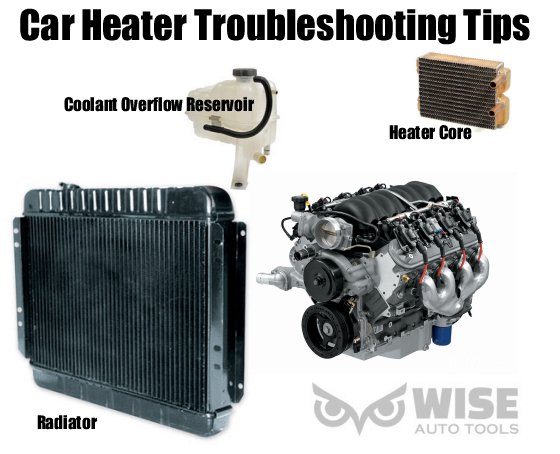
Most cars use hot engine coolant to warm the air inside the cabin. A small radiator called the heater core transfers heat from the coolant to the air. A blower motor pushes that air through the vents, while doors inside the HVAC housing control its temperature and direction. A fault in any of these parts can leave the cabin cold.
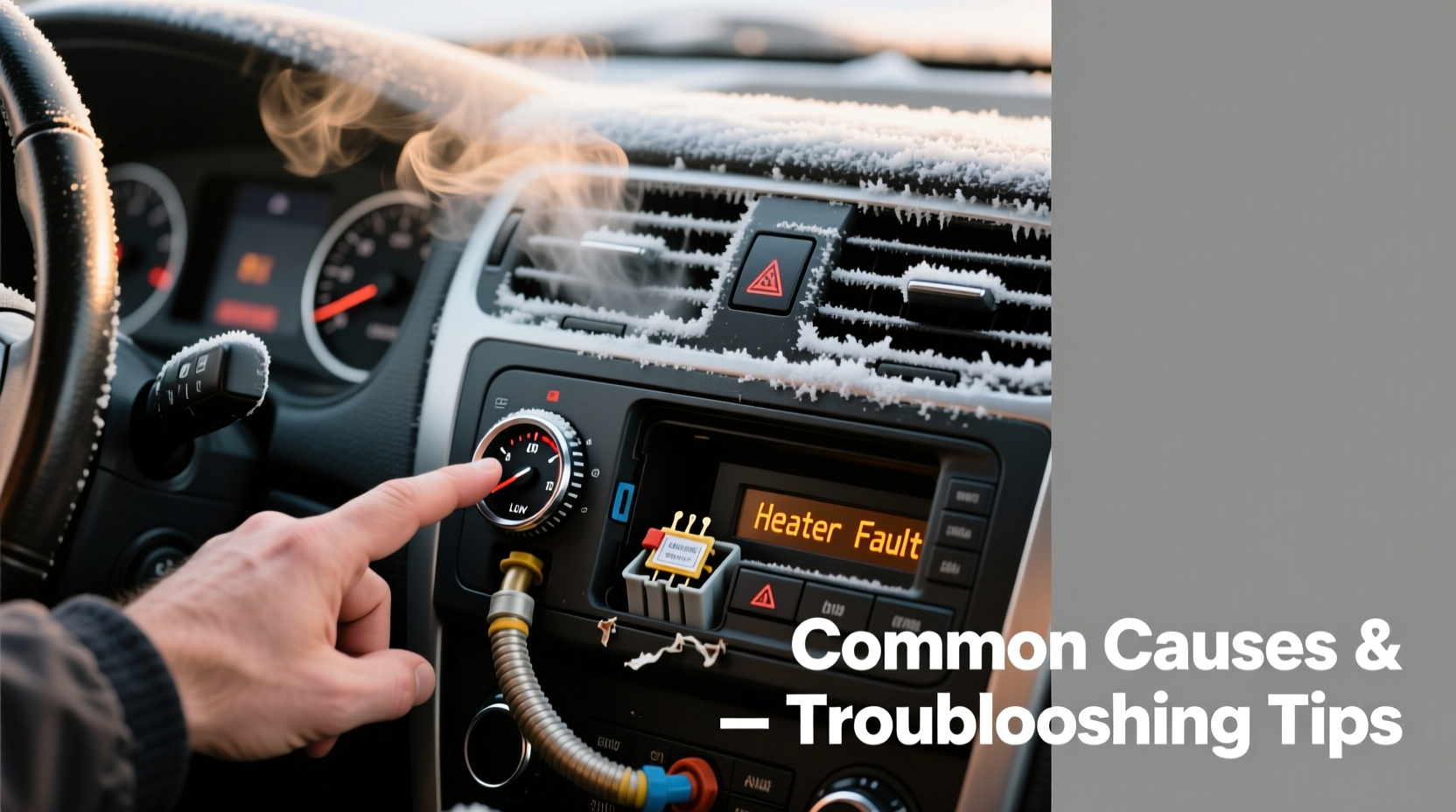
The good news is that some problems are easy to spot. A dirty cabin air filter, a low coolant level, or a blown fuse may explain the issue. Other faults, such as a leaking heater core or failed blend door actuator, need more detailed testing. This guide explains how to narrow down the cause and when to seek professional help.
Source: alibaba.com
Start With the Symptoms: No Air, Weak Air, or Cold Air
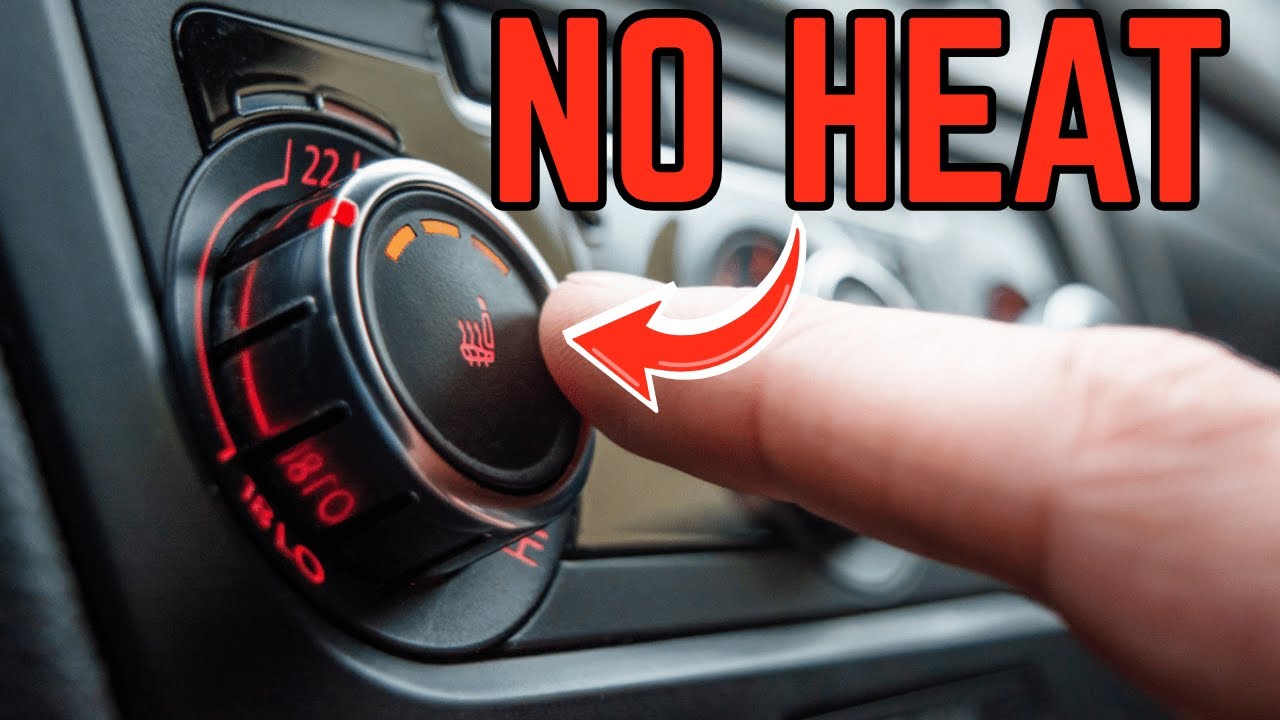
The quickest way to begin troubleshooting is to observe what happens when you turn on the heater. Different symptoms point to different parts of the system. You do not need to remove dashboard panels or touch hot engine parts to make these first checks.
Start the engine and let it warm up normally. Set the temperature to its highest setting and select a normal vent position. Test the fan at several speeds and pay attention to the temperature and strength of the air.
Source: youtube.com
No air comes from the vents
The blower motor may have failed. A blown fuse, damaged wiring, faulty relay, bad blower resistor, or climate control problem can also stop the fan.
Airflow is weak at every speed
A clogged cabin air filter, blocked air intake, damaged blower wheel, or worn blower motor may restrict airflow.
Air blows normally but stays cold
Check for low coolant, trapped air, a faulty thermostat, restricted heater core, coolant control valve problem, or blend door failure.
Heat works only sometimes
Low coolant, trapped air, poor coolant circulation, an electrical fault, or a sticking temperature door may cause changing cabin temperatures.
One side gets warm while the other stays cold
A dual-zone climate system may have a failed blend door actuator, temperature sensor, or control issue on one side.
Why the difference matters
A heater that blows no air has a different problem from one that blows cold air. The blower motor moves air, but it does not create heat. If the fan works well, the next step is to investigate coolant temperature and the parts that direct air through the heater core.
This simple distinction can prevent unnecessary repairs. For example, replacing a heater core will not fix a dead blower motor. Likewise, replacing a blower motor will not solve a coolant circulation problem.
Check all fan speeds
If only some speeds work, suspect the blower resistor or electronic fan control module.
Check different vent positions
If air comes from the wrong vents, a mode door or its actuator may be faulty.
How Does a Car Heating System Work?
A traditional gas-powered car uses heat from its engine to warm the cabin. During normal operation, the engine produces heat as fuel burns and internal parts move. The cooling system carries some of that heat away through circulating coolant.
Part of this coolant can flow through a small radiator inside the dashboard. This part is called the heater core. The blower motor pushes cabin air across the heater core, and the warmed air travels through ducts to the dashboard, floor, or windshield vents.
The temperature control system uses a blend door to control how much air passes through the heater core. In some vehicles, a coolant control valve also regulates the flow of hot coolant. Newer cars often use electronic actuators and sensors to manage these functions.
Source: storage.googleapis.com
Engine coolant
Coolant carries heat away from the engine and transfers some of that heat to the heater core.
Thermostat
The thermostat regulates coolant flow so the engine can reach and maintain its designed operating temperature.
Heater core
This small heat exchanger transfers warmth from engine coolant to the air entering the passenger cabin.
Blower motor
The electric fan moves air through the HVAC housing and into the cabin.
Blend door actuator
This motor moves an internal door to control the temperature of the air coming through the vents.
Do electric and hybrid cars use the same heating system?
Not always. Some hybrid vehicles use engine coolant for cabin heat, while others also have electric coolant pumps or additional heating systems. Battery-electric vehicles may use a heat pump or an electric resistance heater instead of relying on engine heat.
This difference matters during diagnosis. A traditional heater core test may not apply to an electric vehicle. Always check the vehicle’s service information before assuming that a coolant-related repair will restore cabin heat.
Gas-powered vehicles
Most use hot engine coolant and a heater core to warm cabin air.
Hybrid vehicles
Heating designs vary and may use engine heat, electric pumps, or additional electric heating.
Battery-electric vehicles
These commonly use an electric heater or heat pump, depending on the model.
Common Reasons Your Car Heater Is Not Working
Several faults can prevent a car from producing warm air. Some affect coolant flow, while others affect airflow or temperature control. The following causes are among the main issues a mechanic will consider during diagnosis.
Do not replace parts based on one symptom alone. A proper diagnosis should confirm whether the problem comes from the cooling system, the heater core, the blower circuit, or the HVAC controls.
Source: okayreview.com
Low coolant level
Not enough coolant may reach the heater core, leaving the cabin with little or no heat.
Faulty thermostat
A thermostat stuck open may keep the engine too cool to produce enough cabin heat.
Blocked heater core
Deposits or corrosion may restrict hot coolant flow through the heater core.
Failed blower motor
A damaged motor may stop or reduce airflow through the vents.
Blend door actuator failure
A stuck temperature door may prevent warm air from reaching the cabin.
1. Low coolant level or trapped air
Low coolant is one of the first things to investigate when the heater blows cold air. The heater core needs a steady flow of hot coolant to warm the cabin. If the coolant level drops too far, the core may not receive enough hot fluid.
A leak can develop in a radiator, coolant reservoir, hose, water pump, radiator cap, or another cooling system component. A damaged head gasket can also cause coolant loss. The exact cause depends on the vehicle and the signs around the engine.
Air can also become trapped in the cooling system. This may happen after a coolant repair, a coolant refill, or a leak. Air pockets can interrupt circulation and cause the heater to produce uneven or changing temperatures.
Common signs
Cold air from the vents, changing engine temperature, repeated coolant loss, visible leaks, or gurgling sounds behind the dashboard.
What to do
Check the coolant reservoir only when the engine is fully cool. If the level is low, use the coolant specified in the owner’s manual and investigate why the level dropped.
2. Thermostat stuck open
The thermostat helps the engine reach its normal operating temperature. When the engine is cold, the thermostat restricts coolant flow to the radiator. Once the engine warms up, it opens and allows more coolant to circulate.
If the thermostat gets stuck open, coolant may circulate through the radiator too early. The engine can take much longer to warm up, especially in cold weather. As a result, the heater may produce only slightly warm air.
You may also notice that the temperature gauge stays lower than its usual position or drops during highway driving. These signs suggest a possible thermostat problem, although a faulty temperature sensor can create similar readings.
Typical symptom
The engine takes unusually long to warm up, and the cabin heater struggles to produce hot air.
Possible repair
A technician can check engine temperature and thermostat operation before replacing the thermostat and restoring the correct coolant level.
3. Clogged or leaking heater core
The heater core works like a small radiator inside the dashboard. Its narrow passages allow hot coolant to transfer heat to the air entering the cabin. Over time, corrosion, old coolant, and debris may restrict these passages.
A partially blocked core may produce weak heat. One heater hose may become much cooler than the other because coolant cannot flow through the core properly. A fully blocked core may leave the vents blowing cold air even when the engine reaches normal temperature.
A leaking heater core creates a different set of problems. You may notice a sweet coolant smell inside the cabin, damp passenger-side carpeting, or a greasy film on the inside of the windshield. These signs deserve prompt attention because coolant vapor can irritate occupants and make the glass harder to keep clear.
Blocked core
May cause poor heat, uneven cabin temperatures, and a difference between the inlet and outlet hose temperatures.
Leaking core
May cause coolant odor, wet carpets, unusual window fog, and a gradual drop in coolant level.
Repair options
A confirmed restriction may sometimes be cleared by a suitable professional flush. A damaged or badly leaking core may need replacement.
4. Faulty blend door or actuator
The blend door controls the path of air inside the heating and air conditioning housing. When you select a warmer temperature, the door should direct air through or across the heater core, depending on the vehicle’s design.
An actuator is a small electric motor that moves the door. If its gears wear out, its electrical connection fails, or the door becomes stuck, the system may continue sending cold air through the vents.
A clicking or repeated tapping noise behind the dashboard can point toward an actuator with damaged internal gears. Another clue is a temperature control that changes on the display but has little effect on the actual air temperature.
In vehicles with dual-zone climate control, a failed actuator may affect only one side. The driver may receive warm air while the passenger gets cold air, or the opposite may happen.
Common signs
Clicking behind the dashboard, incorrect air temperature, or different temperatures between the driver and passenger vents.
Possible repair
The technician may test the actuator, inspect the door, check wiring, and perform a required calibration or initialization procedure.
5. Blower motor, fuse, or resistor failure
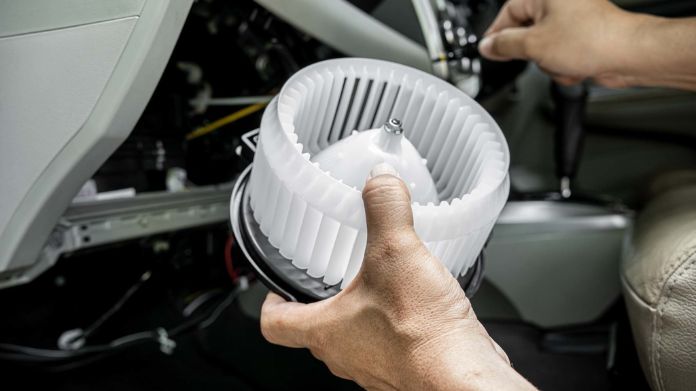
The blower motor pushes air through the vehicle’s HVAC system. If it fails, you may hear no fan noise and feel little or no air coming from the vents. Sometimes the motor works only at certain speeds before failing completely.
The blower motor resistor or electronic fan control module regulates fan speed. A failed resistor may cause some fan speeds to stop working while others remain available. A blown fuse or damaged electrical connection can also interrupt power to the motor.
If the blower makes a grinding, squealing, or rattling sound, its internal bearings or fan wheel may be damaged. Leaves and other debris inside the blower housing can also cause noise or poor airflow.
No fan operation
Check the correct fuse and electrical circuit before assuming the blower motor itself has failed.
Some speeds do not work
Inspect the blower resistor, fan control module, and related wiring.
Unusual fan noise
A worn motor, damaged fan wheel, or debris inside the housing may be responsible.
6. Dirty cabin air filter
The cabin air filter catches dust, pollen, leaves, and other particles before air enters the passenger compartment. When it becomes clogged, less air can pass through the HVAC system.
A dirty filter can make the heater feel weak even when the heater core is working correctly. You may also notice poor airflow when using the air conditioner or selecting the normal vent setting.
Check the filter replacement schedule in the owner’s manual. Some vehicles have an easy-to-reach filter behind the glove box, while others require more work to access it. Use the correct replacement size and follow the installation direction.
Main symptom
Weak airflow from several vent settings, not just the heater.
Simple fix
Inspect and replace the cabin air filter if it is dirty, damaged, or past its service interval.
7. Water pump or coolant flow problem
The water pump moves coolant through the engine and cooling system. If the pump becomes damaged or its drive system fails, coolant circulation may become poor. This can affect cabin heat and engine temperature.
A failing pump may cause coolant leaks, unusual noise, or engine overheating. Some vehicles use additional electric pumps or coolant control valves, which can also affect heater operation.
Poor circulation is not something to ignore. If the engine temperature rises above its normal range, stop driving as soon as it is safe and arrange an inspection. Continued operation can cause serious engine damage.
Possible warning signs
Engine overheating, coolant leaks near the pump, unusual mechanical noise, or inconsistent heater performance.
Recommended action
Have the cooling system, pump operation, and coolant flow tested by a qualified technician.
Safe Troubleshooting Steps You Can Try at Home
You can perform several basic checks before paying for a repair. These checks focus on visible signs, normal dashboard controls, and parts that are designed for routine inspection. You do not need to open the cooling system or work around moving engine parts.
Always park on level ground, switch off the engine when checking under the hood, and let the engine cool completely before inspecting coolant. Keep your hands, clothing, and tools away from fans and belts.
Source: youtube.com
Step 1: Check the coolant reservoir
With the engine fully cool, check whether the coolant level sits between the MIN and MAX marks. Follow the owner’s manual for the correct coolant and filling procedure.
Step 2: Look for visible leaks
Inspect the ground under the vehicle and look for wet areas around accessible coolant hoses and the reservoir. Do not touch hot parts.
Step 3: Observe the temperature gauge
Watch whether the engine reaches and maintains its normal operating range. A gauge that stays unusually low or rises too high needs further investigation.
Step 4: Test the blower
Try every fan speed and vent position. Listen for unusual sounds and check whether airflow changes when you adjust the controls.
Step 5: Inspect the cabin air filter
If the owner’s manual shows an accessible filter, inspect it for dirt, leaves, and other debris. Replace it if needed.
Step 6: Test the temperature controls
Move the setting from cold to hot. Listen for clicking or tapping behind the dashboard and check whether both sides respond correctly.
How to check coolant safely
Never remove the radiator cap or coolant reservoir cap while the engine is hot. The cooling system is pressurized, and escaping steam or coolant can cause severe burns. Wait until the engine is fully cool before checking the reservoir.
The coolant should normally sit between the marks shown on the reservoir. If the level is below the minimum mark, consult the owner’s manual for the correct fluid and filling point. Do not assume that every vehicle uses the same coolant formula.
If the reservoir is empty, the coolant loss is significant, or the level keeps dropping after a refill, do not treat topping it up as a repair. A leak or another cooling system fault needs to be found. Arrange professional help if the loss is substantial.
Use the specified coolant
Follow the vehicle manufacturer’s coolant specification. Mixing incompatible products can damage the cooling system.
Do not overfill
Fill only to the correct level shown in the owner’s manual or on the reservoir.
Watch for repeat coolant loss
Repeatedly adding coolant means the system needs a leak inspection.
How to check whether the blower is the problem
Turn the ignition on and select different fan speeds. If the fan does not operate at all, check the fuse identified in the owner’s manual. Never install a fuse with a higher rating than the specified one.
If a replacement fuse blows again, there may be a short circuit or an overloaded component. Do not keep replacing the fuse. A technician should inspect the wiring and blower circuit.
If the fan works at some speeds but not others, the resistor or electronic fan control module may be faulty. If the airflow remains weak at every speed, inspect the cabin filter before considering a motor replacement.
Fuse blows repeatedly
Stop replacing it and arrange an electrical inspection.
Fan works only at high speed
The blower resistor or its control circuit may need testing.
How a Mechanic Diagnoses a Heater Problem
If the basic checks do not reveal the problem, a mechanic can test the heating and cooling systems in a more precise way. The goal is to find out whether the engine produces enough heat, whether coolant reaches the heater core, and whether the HVAC system directs warm air into the cabin.
A good diagnosis should follow the symptoms instead of replacing several parts at once. The exact test sequence depends on the vehicle’s design and service information.
Source: blog.1aauto.com
Cooling system pressure test
A pressure test can help identify leaks in the radiator, hoses, reservoir, heater core, or other cooling system components.
Engine temperature check
A scan tool or suitable temperature measurement can help confirm whether the engine reaches its normal operating temperature.
Heater hose temperature test
A technician can compare the heater core inlet and outlet temperatures to identify possible flow restrictions.
Electrical blower test
Voltage, ground connections, fuses, and control signals can be checked to find the cause of a blower failure.
Blend door actuator test
A scan tool or direct inspection may reveal a failed actuator, damaged door, or calibration problem.
What heater hose temperatures can reveal
A mechanic may use an infrared thermometer to compare the temperature of the two heater hoses after the engine reaches its normal operating temperature. These hoses carry coolant into and out of the heater core.
If the inlet hose is hot but the outlet hose is much cooler, coolant may be restricted inside the heater core or its flow path. The technician will also consider coolant valves, hoses, and air trapped in the system.
If both hoses are hot but the cabin still receives cold air, the heater core may be transferring heat correctly. The next step is to inspect the blend door, actuator, HVAC controls, and airflow path.
If both hoses remain cool, the engine may not be warm enough or coolant may not be circulating properly. These readings are clues, not a complete diagnosis. The manufacturer’s test procedure and vehicle-specific temperature limits should guide the final decision.
Hot inlet and much cooler outlet
Possible heater core restriction or another coolant flow problem.
Both hoses hot
Investigate the blend door, actuator, temperature controls, and air distribution.
Both hoses cool
Check engine temperature, coolant level, trapped air, and coolant circulation.
Why a heater core replacement can take time
The heater core is often installed deep inside the dashboard. On some vehicles, replacing it requires removing large sections of the dashboard, HVAC housing, or center console.
This is why a heater core repair can involve substantial labor even when the part itself is relatively small. Before approving the work, ask the shop whether it has confirmed a leak or blockage and whether a suitable cleaning procedure is possible.
A professional flush may restore flow in some restricted cores. However, flushing is not guaranteed to work and may reveal an existing weak spot or leak. A badly corroded or leaking core may still need replacement.
Ask for the diagnosis
Request the test results that show why the core needs cleaning or replacement.
Confirm the repair procedure
Some vehicles require special coolant filling, bleeding, or HVAC calibration procedures after repair.
When Is It Safe to Drive Without a Working Heater?
A heater failure does not always mean the vehicle must be towed. If the engine temperature stays normal, the coolant level is correct, there are no signs of a leak, and the windows remain clear, a vehicle may be able to reach a repair shop safely.
However, a failed heater can become a serious safety issue in cold weather. The heating and defrost systems help maintain clear visibility, and a fogged or frosted windshield can make driving dangerous.
Your decision should depend on the condition of the cooling system and your ability to maintain a clear view of the road. Never continue driving just because the engine still runs.
Stop if the engine overheats
Pull over in a safe location, shut off the engine, and arrange assistance. Continued driving can cause major engine damage.
Stop if you see heavy coolant leakage
A major leak can quickly reduce cooling system performance and cause overheating.
Do not drive with poor visibility
If the windshield cannot be cleared and kept clear, do not continue the trip.
Take coolant odor seriously
A sweet smell, damp carpet, or unusual film on the glass may indicate a heater core leak.
Arrange help if coolant keeps dropping
Repeated coolant loss requires diagnosis before normal driving resumes.
Why the defroster matters
The front defroster directs air toward the windshield to help remove fog and moisture. Depending on the vehicle, the system may also use the air conditioner to reduce humidity while warming the air.
If the heater cannot provide enough warm air, the windshield may remain foggy during cold, damp, or rainy weather. A rear-window defroster may still work because it uses a separate electrical heating system, but that does not solve a blocked or fogged front windshield.
Before driving, make sure all required windows are clear. If the front glass keeps fogging and you cannot restore visibility, stop in a safe place and arrange another way to travel.
Check the front defroster
Confirm that air reaches the windshield vents and that the glass clears properly.
Check the rear defroster
Confirm that the rear glass heating elements operate if the vehicle is equipped with them.
Common Mistakes to Avoid When Troubleshooting
A few mistakes can turn a simple heating problem into an expensive repair. The biggest risk comes from treating a symptom without finding the cause. Coolant, electrical, and HVAC faults need different repair methods.
Use the vehicle’s service information and avoid shortcuts that may damage small passages or create a safety risk.
Opening the radiator cap while hot
Never remove a hot pressurized cap. Wait until the engine and cooling system have cooled completely.
Adding coolant without finding a leak
A refill may temporarily improve heat, but repeated coolant loss means the system has a fault that needs attention.
Using the wrong coolant
Different vehicles require specific coolant chemistry. An incompatible product can contribute to corrosion or cooling system damage.
Replacing the heater core too early
A faulty thermostat, low coolant, blocked hose, or blend door problem can produce similar symptoms.
Replacing the blower motor without testing it
A blown fuse, bad resistor, damaged wiring, or control module may be the actual cause.
Flushing the system without a proper procedure
Incorrect pressure or unsuitable chemicals can damage components. Follow the vehicle manufacturer’s service procedure.
Ignoring a coolant smell inside the cabin
A leaking heater core may release coolant vapor and affect windshield visibility. Have it inspected promptly.
Why guessing can increase repair costs
Several heater problems create nearly identical symptoms. A blocked heater core and a stuck blend door can both produce cold air, even though their repairs are very different.
Replacing parts without testing can waste money and leave the original problem unresolved. A mechanic should confirm the coolant level, engine temperature, airflow, and temperature door operation before recommending major repairs.
Also avoid pouring stop-leak products into the cooling system without a vehicle-specific assessment. Some products can restrict narrow coolant passages, including those inside the heater core.
Test before replacing
Use temperature readings, electrical tests, and visual inspections to identify the faulty part.
Follow the service manual
Cooling system bleeding, coolant selection, and actuator calibration procedures vary by vehicle.
How to Prevent Future Car Heater Problems
Regular cooling system care can reduce the chance of heater problems. The heater core depends on clean coolant and proper circulation, so cooling system maintenance also supports cabin heating.
Follow the maintenance schedule in your owner’s manual rather than using one universal replacement interval. Coolant service requirements vary by manufacturer, vehicle age, coolant type, and driving conditions.
Check coolant levels regularly
Inspect the reservoir when the engine is cool and watch for any unexplained drop in fluid level.
Replace coolant on schedule
Use the specified coolant and service interval to help protect the radiator, water pump, heater core, and engine.
Replace the cabin air filter
Follow the recommended service interval and inspect it sooner if airflow becomes weak.
Inspect cooling system hoses
Look for visible cracks, swelling, loose connections, or signs of leakage during routine maintenance.
Check the temperature controls, blower speeds, and front defroster before cold weather arrives.
A simple seasonal heater check
Before winter, park the vehicle and test the heating system. Check whether the fan works at every speed and whether the temperature changes when you move the control from cold to hot.
Check the front defroster and rear-window defroster as well. Look for unusual sounds behind the dashboard and inspect the cabin air filter if the airflow seems weak.
Finally, check the coolant reservoir when the engine is cool. If the level is low or you notice a leak, arrange an inspection before relying on the vehicle for long winter trips.
Test airflow
Confirm that the blower works at all available speeds.
Test temperature
Confirm that the air becomes warmer when the temperature setting changes.
Test visibility systems
Make sure the front and rear defrosters work as intended.
Frequently Asked Questions
Q
Why is my car heater blowing cold air but the engine is not overheating?
A normal engine temperature does not guarantee that hot coolant is reaching the heater core. Low coolant, trapped air, a restricted heater core, a faulty coolant control valve, or a stuck blend door can cause cold air while the engine temperature remains normal.
Check the coolant level when the engine is completely cool. If it is correct, have the heater core flow and blend door operation tested before replacing parts.
Q
Why does my car heater work only when I am driving?
A heater that becomes warmer while driving may have a coolant circulation problem, trapped air, low coolant, or another issue affecting heat transfer. Engine speed and coolant flow can change between idle and normal driving, which may make an existing problem more noticeable.
A technician should compare engine temperature and heater hose temperatures at the correct operating conditions. Do not assume that a water pump is faulty based on this symptom alone.
Q
Can a bad thermostat make my car heater stop working?
Yes. A thermostat stuck open can allow coolant to circulate through the radiator before the engine reaches its normal operating temperature. The engine may warm up slowly, and the heater may produce weak or cool air.
Look for a temperature gauge that stays lower than normal or takes unusually long to rise. A technician can confirm the thermostat problem and check the temperature sensor before replacing any parts.
Q
Can a dirty cabin air filter cause a car heater to stop working?
Yes, a severely clogged cabin air filter can restrict airflow and make the heater feel ineffective. However, the filter does not create heat or control coolant temperature. It only affects how much air reaches the cabin.
If airflow is weak from the heater, air conditioner, and normal vent settings, inspect the cabin filter first. If the air is strong but remains cold, investigate the cooling system and HVAC temperature controls.
Q
Is it safe to drive with a car heater that is not working?
It may be possible to drive a short distance if the engine temperature is normal, coolant is not leaking, and every window stays clear. However, you should not drive if the engine overheats, coolant is escaping, or the windshield cannot be defrosted properly.
A failed heater may also be a warning sign of a cooling system problem. If the coolant level is very low or the temperature gauge rises, stop safely, switch off the engine, and arrange professional assistance.
✦ Wrapping Up
Conclusion
A car heater that stops working can have several causes, but the symptoms usually provide a useful starting point. No airflow points toward the blower system, while strong airflow with cold air suggests a coolant, heater core, thermostat, or blend door problem.
Begin with safe checks. Inspect the coolant reservoir when the engine is fully cool, watch the temperature gauge, test the fan speeds, and inspect the cabin air filter. Never open a hot cooling system or continue driving an overheating vehicle.
If these checks do not reveal the cause, ask a qualified mechanic to test coolant flow, heater hose temperatures, electrical circuits, and blend door operation. A clear diagnosis can prevent unnecessary part replacements and help restore reliable cabin heat.
💡 Key Takeaway
Start by identifying whether your heater has no airflow, weak airflow, or cold air with normal airflow. Check the coolant level only when the engine is completely cool. If coolant keeps disappearing, the engine overheats, or the windshield will not clear, stop driving and arrange a professional inspection.
About john Adword
John Adword has tested and reviewed car seat covers and interior accessories for 5 years, evaluating fit, material performance, and long-term wear across a range of vehicles and climates. His testing approach follows the same methodology used across car Reviewer Plus's product reviews — hands-on installation, real-world use, and comparison against manufacturer claims — with an ongoing focus on tracking new seat cover materials and cooling technology as they come to market.