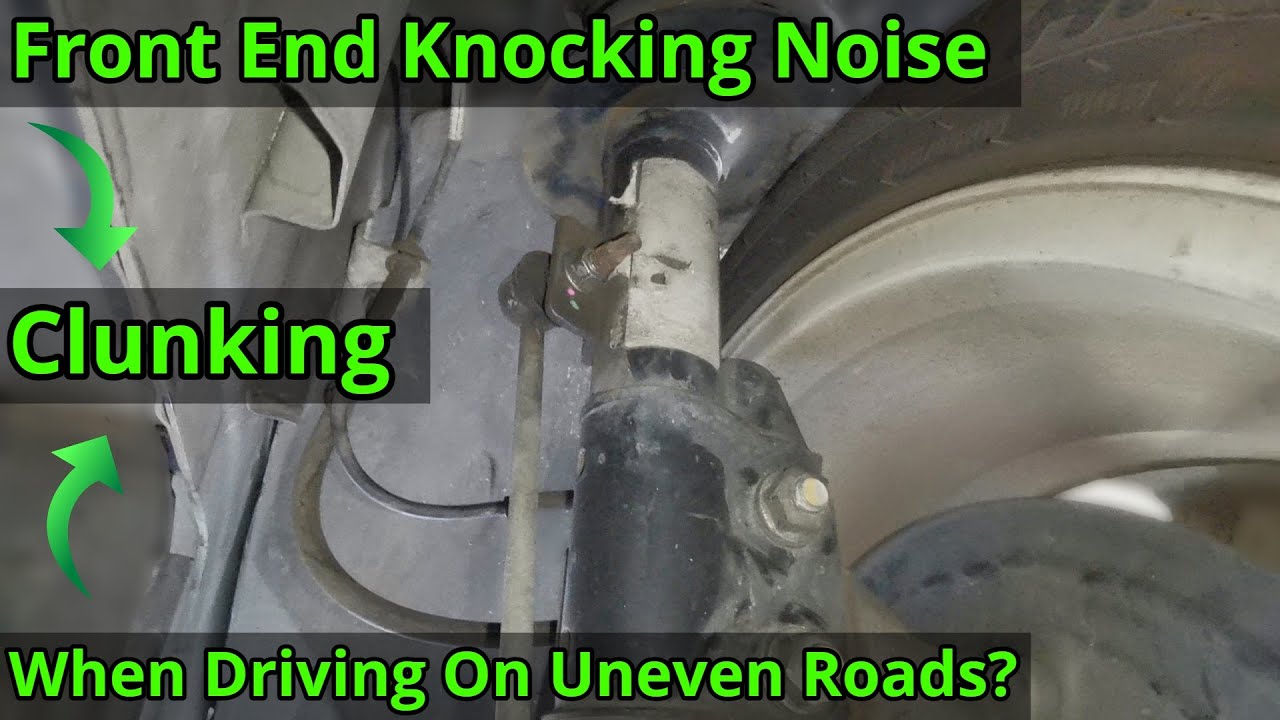
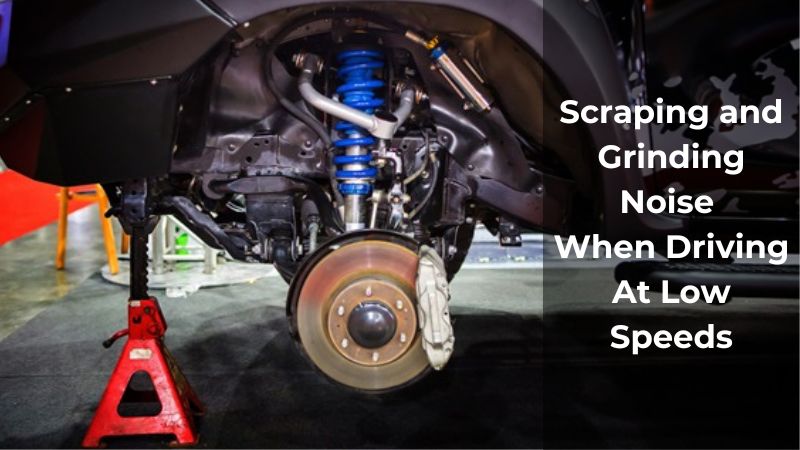
A suspension grinding noise can come from a worn ball joint, damaged wheel bearing, loose suspension part, broken spring, or metal contact near the wheel. However, grinding brakes, a damaged CV joint, and a loose brake shield can make similar sounds. Stop driving if the noise is loud, constant, or comes with poor steering, vibration, or a loose wheel.
Drivers across the United States face many road conditions. City streets, interstate highways, rough country roads, potholes, and winter road salt can all affect a vehicle’s undercarriage. These conditions can wear parts or damage them. A grinding sound near a wheel deserves attention, even if the car still moves.
The sound may seem to come from the suspension, but that does not prove the suspension is at fault. Wheel bearings, brakes, tires, and drive parts sit close together. Sound can travel through the frame, so the loudest spot may not be the source. A careful check helps prevent an unnecessary repair.
Pay attention to when the sound starts. Does it happen over bumps, while turning, during braking, or all the time? Does it change with road speed? These clues help narrow the cause. They also help a repair shop repeat the noise and find the damaged part.
This guide explains the main causes, warning signs, and safe checks. It also shows when to stop driving and when to ask a mechanic for help. The goal is to help you describe the problem and choose the right next step, not to replace a proper vehicle inspection.
Source: carcaresite.com
What Does a Suspension Grinding Noise Mean?
A suspension grinding noise is a rough sound that seems to come from the area around a wheel, wheel well, or underside of the car. It may sound like metal rubbing against metal. Some drivers describe it as scraping, dragging, crunching, or a low growl.
The suspension connects the wheels to the vehicle body. It helps the tires stay in contact with the road as the car moves. Its main parts include springs, shock absorbers, struts, control arms, ball joints, bushings, and sway bars.
These parts move and carry loads while the vehicle travels. If a part breaks, wears out, or moves out of place, nearby metal parts may touch. This can create a grinding sound. Yet the same sound can also come from parts outside the suspension.
Source: mechanicsdiary.com
Grinding
A rough, harsh sound that may mean two parts are rubbing or a bearing is damaged.
Scraping
A rubbing sound that may come from a brake shield, loose liner, tire contact, or another part touching a rotating wheel.
Growling
A low sound that rises with road speed. A damaged wheel bearing is one possible cause.
Crunching
A rough sound over bumps or while turning. Loose hardware or damaged joints may cause it.
Why the Sound Can Be Hard to Locate
A car has many parts close to each wheel. The brake rotor sits inside the wheel. The wheel hub holds the bearing. The suspension connects to the steering knuckle, and the axle may pass through the same area.
These parts share metal links. A vibration from one part can travel through other parts before reaching the cabin. This is why a driver may hear a front suspension grinding noise when the real cause is a wheel bearing or brake problem.
A proper diagnosis checks the whole wheel area. Replacing a suspension part based only on the sound can waste money and leave the real fault in place.
Common Causes of a Grinding Noise Near the Suspension
Several faults can create a grinding sound near the wheels. The most useful clues are the noise pattern, road condition, steering input, and brake use. The causes below are common areas a technician may inspect.
Do not assume that the first possible cause is the correct one. A wheel bearing and a brake fault can sound much alike. The same applies to a worn joint and a loose part near the wheel.
Source: gsplatinamerica.com
Damaged wheel bearing
A worn bearing may make a low growl, rumble, or grinding sound that changes with road speed or cornering load.
Worn ball joint
A damaged joint may allow unwanted movement between the control arm and steering knuckle. It can cause noise, loose steering, and poor wheel control.
Damaged control arm or bushing
A worn bushing or bent arm may allow parts to shift and touch under load. Clunks are common, but contact can also create a rough scraping sound.
Broken coil spring
A cracked spring can move out of place and touch a nearby part. A broken end may also rub against the spring seat or tire area.
Worn strut or shock mount
A damaged mount can allow excess movement. Metal contact may occur near the upper strut area.
Loose sway bar hardware
A loose link or damaged bushing can let the sway bar move against nearby parts. The sound often changes over bumps.
Brake shield or brake hardware
A bent dust shield, loose clip, worn brake pad, or damaged rotor can create a metal scraping or grinding sound.
CV joint or axle problem
A worn CV joint may grind or click during tight turns. A damaged axle or loose part can also make contact near the wheel.
1. Damaged Wheel Bearing
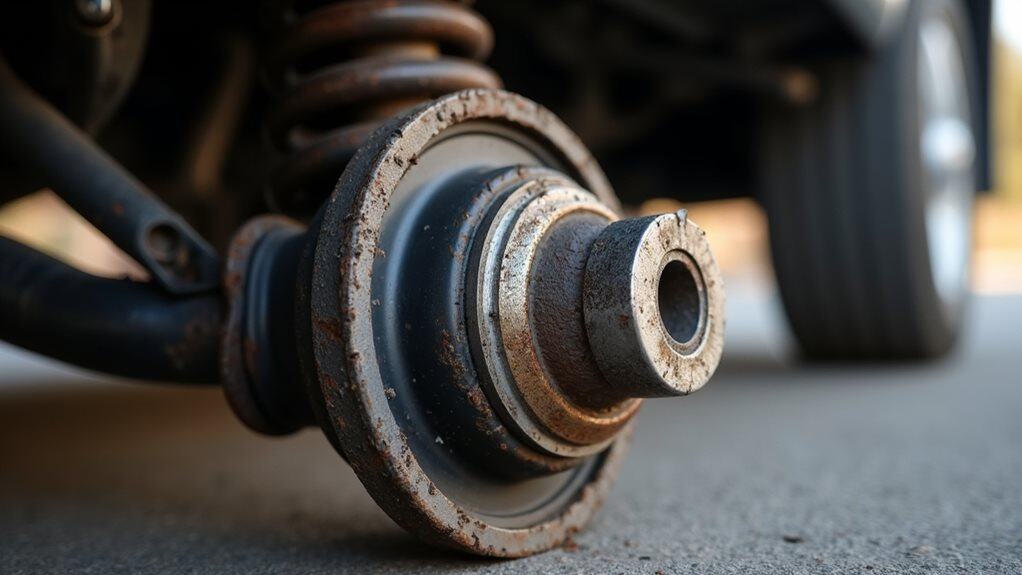
A wheel bearing lets the wheel and hub turn with low friction. It also supports vehicle weight and helps keep the wheel in the correct position. When the bearing wears, its internal surfaces may no longer move smoothly.
A damaged bearing often makes a hum, growl, rumble, or grinding sound. The noise may rise as the vehicle gains speed. It can also change during a turn because the load shifts from one side of the vehicle to the other.
A bearing can fail without clear wheel play. A driver should not rely on a loose-wheel test alone. A mechanic may use a lift, listen for bearing noise, check wheel movement, and inspect related parts.
Common clues
Noise that rises with road speed, vibration near a wheel, or a sound that changes during a gentle turn.
Next step
Arrange a prompt bearing inspection. Avoid driving if the wheel feels loose or the noise is severe.
2. Worn or Damaged Ball Joint
A ball joint connects a control arm to the steering knuckle. It allows the wheel to move with the suspension while still turning left and right. The joint needs proper lubrication and a sound protective boot.
When the joint wears, its internal parts may develop excess movement. Drivers often hear a clunk or knock over bumps. Severe wear or damaged parts may also create grinding or scraping sounds.
A failed ball joint can affect wheel position and steering control. A joint that separates can allow the wheel to move out of its proper position. This is a serious safety risk.
Common clues
Front-end noise over bumps, uneven tire wear, loose steering, or visible damage to the joint boot.
Next step
Have the joint checked against the vehicle maker’s wear limits. Do not use a road test to confirm a suspected loose joint.
3. Damaged Control Arm or Bushing
The control arm helps guide the wheel as the suspension moves. Rubber or hydraulic bushings help reduce shock and unwanted movement. A worn bushing can allow the arm to shift more than it should.
This movement can cause a clunk, scrape, or rough sound. A bent control arm may also change wheel alignment. A hard impact from a pothole, curb, or road debris can damage the arm or its joints.
Look for uneven tire wear, a car that wanders, or a steering wheel that no longer stays straight. These signs do not prove a control arm fault, but they make an inspection more important.
Common clues
Noise over bumps, poor tracking, uneven tire wear, or visible damage after an impact.
Next step
Ask a shop to inspect the arm, bushings, ball joints, and alignment before replacing parts.
4. Broken or Misplaced Coil Spring
A coil spring supports the vehicle and absorbs road movement with help from the shock or strut. A spring may crack due to age, corrosion, or repeated stress. Winter road salt can also speed up corrosion in areas where vehicles face salted roads.
A broken spring may sit out of place. Its loose end can rub against the spring seat or another metal part. In some cases, it may damage a tire or sit close to a brake hose.
One corner of the vehicle may sit lower than the others. You may also hear a scrape or metal contact over bumps. A broken spring needs prompt repair because it can affect tire clearance and vehicle control.
Common clues
A low ride height at one corner, visible spring damage, or metal noise near a wheel.
Next step
Do not touch a loaded or broken spring. Ask a qualified technician to inspect the spring and nearby parts.
5. Worn Strut, Shock, or Mount
Shocks and struts control how fast the suspension moves. A strut also forms part of the wheel support and steering assembly on many vehicles. Its upper mount helps secure it to the body.
A worn mount can allow excess movement. A damaged strut may leak oil or lose its ability to control wheel movement. Loose or broken parts can also rub against nearby metal.
A weak shock or strut more often causes excess bouncing, poor control, or knocking than a true grinding sound. If grinding is present, the shop should check for a broken mount, loose hardware, or contact with another part.
Common clues
Excess body movement, a leaking strut, uneven tire wear, or noise near the top of the wheel well.
Next step
Inspect the full strut assembly and mount. Do not treat a shock or strut leak as proof of the grinding source.
6. Loose Sway Bar Links or Bushings
The sway bar helps reduce body roll when the vehicle turns. Links connect the bar to the suspension. Rubber bushings hold the bar in place and allow controlled movement.
A worn link often makes a rattle or clunk over small bumps. A damaged bushing may allow the bar to shift or rub against its mount. That contact can sound rough when the suspension moves.
This type of noise may be more noticeable on rough roads, driveway ramps, or uneven pavement. A shop should inspect the links, bushings, brackets, and nearby parts together.
Common clues
Noise over small bumps, uneven road surfaces, or when one wheel moves more than the other.
Next step
Have the sway bar system checked for loose fasteners, worn rubber, and metal contact.
7. Brake Parts or a Bent Dust Shield
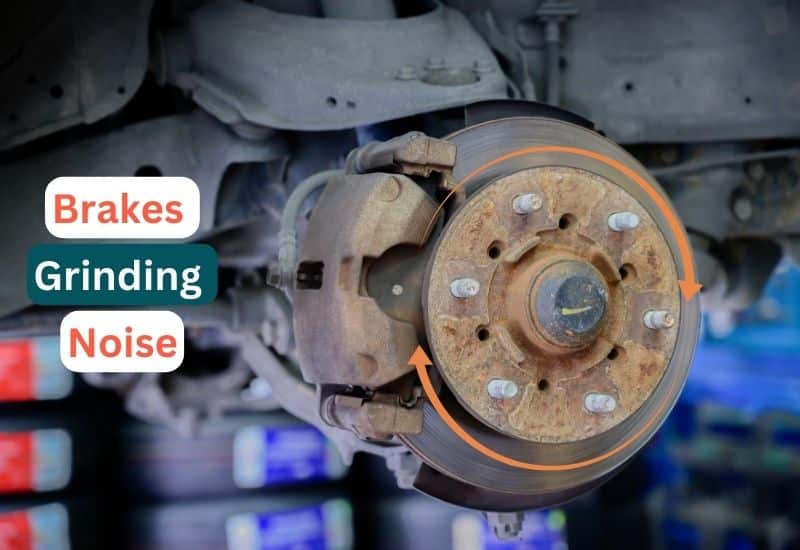
Brakes sit close to the suspension and can easily be mistaken for a suspension fault. A worn brake pad may allow its metal backing plate to rub against the rotor. This can make a harsh grinding sound when braking.
A thin metal dust shield sits behind many brake rotors. If it bends, it may touch the rotor and scrape as the wheel turns. A small stone caught between the shield and rotor can make a similar sound.
A continuous metal grinding sound during braking needs prompt attention. It may mean the brake friction material is worn away. Brake problems can reduce stopping ability, so do not keep driving to see whether the sound goes away.
Common clues
Grinding during braking, a scrape that changes with wheel rotation, or noise near the brake rotor.
Next step
Have the pads, rotors, calipers, shields, and brake hardware inspected. Do not spray oil or grease on brake parts.
8. Worn CV Joint or Damaged Axle
A constant velocity joint transfers engine power to the drive wheels while allowing the axle to move with the suspension and steering. Its rubber boot holds grease inside and keeps dirt and water out.
When the boot tears, grease can escape. Dirt can enter and damage the joint. A worn outer CV joint often clicks during tight turns, while a badly damaged joint may create rough or grinding sounds.
Check for grease splatter around the inside of the wheel or near the axle boot. A damaged CV joint should be checked soon because a serious failure can interrupt power to the wheel.
Common clues
Clicking during tight turns, grease around a torn boot, or grinding near a driven wheel.
Next step
Have the axle, CV joints, boots, and nearby mounts inspected.
How to Identify the Cause by When the Noise Happens
The timing of the sound can help narrow the problem. A noise that happens only over bumps points toward moving suspension parts. A sound that changes with road speed may come from a rotating part.
This table gives a starting point. It does not confirm a failed part. Several faults can create the same sound, so a physical inspection remains necessary.
Source: garagesee.com
Record the conditions
Write down the road surface, speed, steering direction, brake use, and whether the vehicle is cold or warm when the noise occurs.
Note other symptoms
Record any vibration, pulling, uneven tire wear, warning lights, or change in braking.
Grinding Noise Over Bumps
A grinding or scraping sound over bumps may point to a loose suspension part or something touching the wheel. Possible causes include a broken spring, damaged strut mount, loose sway bar hardware, or a worn control arm bushing.
A loose wheel-well liner can also rub against the tire when the suspension compresses. This is not a suspension failure, but it can still damage the tire if ignored.
Look for parts hanging below the vehicle or marks that show where two surfaces touch. Do not reach into a loaded suspension or try to move a spring by hand.
Likely inspection areas
Springs, strut mounts, sway bar links, control arms, bushings, wheel-well liners, and loose underbody shields.
Grinding Noise When Turning
A noise during a turn may come from a wheel bearing, CV joint, steering joint, or a part that touches the wheel as its angle changes. A worn outer CV joint often makes repeated clicking during tight turns.
A wheel bearing may produce a growl that changes as the vehicle turns. The sound may become louder when the bearing carries more load. However, the direction of the turn alone cannot prove which bearing has failed.
A damaged steering joint or suspension joint may also make noise as the wheels change angle. A technician can inspect these parts while checking steering movement and wheel play.
Likely inspection areas
Wheel bearings, CV joints, ball joints, tie rods, strut mounts, and tire clearance.
Grinding Noise While Driving Straight
A steady grinding sound while driving straight may come from a wheel bearing, brake rotor, brake pad, tire, or another rotating part. If the sound rises with speed, the wheel and hub area deserve close attention.
A loose heat shield or underbody panel may also vibrate at certain speeds. A tire with damaged tread or an object stuck in the tread can create a repeated scraping sound.
A mechanic may compare the sound at different speeds and inspect each wheel. The vehicle should not be driven at high speed just to reproduce a noise.
Grinding that starts when you press the brake pedal should be treated as a brake concern first. Worn pads can expose metal backing plates that rub against the rotor. A damaged caliper or loose brake hardware may also cause contact.
Surface rust on a brake rotor can cause a brief noise after a vehicle sits in damp weather. That is different from a loud, ongoing metal grinding sound. Do not assume a persistent noise is harmless rust.
If the pedal feels soft, the vehicle pulls while braking, or stopping distance changes, stop driving and arrange professional help.
A sound that appears under acceleration may come from a CV joint, axle, wheel bearing, or drivetrain mount. The engine and transmission apply more load to these parts as the vehicle speeds up.
If the sound occurs only when power reaches the wheels, a technician should check the drive axles and related joints. If the noise also occurs while coasting at the same road speed, a wheel bearing or brake part may deserve more attention.
Do not perform hard acceleration tests on public roads. A shop can use a controlled road test and lift inspection to compare the conditions.
Start with simple observations. You do not need to remove a wheel or lift the vehicle to collect useful information. A clear description can save diagnostic time at the repair shop.
Do not carry out a road test if the vehicle has poor steering, weak brakes, a loose wheel, severe grinding, or visible suspension damage. Arrange a tow instead.
Source: youtube.com
What you need
A flashlight, a safe level parking area, a notebook or phone for notes, and the vehicle owner’s manual.
What you should avoid
Never put any part of your body under a car supported only by a jack. Never touch hot brakes, moving wheels, or a loaded coil spring.
Step 1: Note When the Noise Starts
Write down when the grinding begins. Note whether it happens at low speed, high speed, over bumps, during turns, while braking, or during acceleration.
Also record whether the sound appears on smooth pavement or rough roads. Note whether it happens every time or only once in a while. These details can help a technician repeat the same condition.
Signs of useful information
You can describe the speed, road surface, steering input, and brake use when the noise occurs.
Step 2: Park and Inspect the Tires
Park on firm, level ground. Set the parking brake and switch off the engine. If the vehicle has been driven, allow the brakes to cool before looking near the wheels.
Check each tire for cuts, bulges, exposed cords, uneven wear, or objects stuck in the tread. Look for fresh marks on the tire sidewall that could suggest contact with a suspension part or wheel-well liner.
Check that each tire looks properly seated and that no wheel appears tilted. Do not try to tighten wheel nuts without the correct torque specification and tools.
Signs of success
You find no visible tire damage, loose liner, or obvious contact marks.
If you find damage
Do not drive on a tire with a bulge, exposed cords, or serious damage. Ask a tire professional to inspect it.
Step 3: Look Through the Wheel Area
Use a flashlight to look through the wheel spokes. Check for obvious brake damage, a bent dust shield, loose material, or debris near the rotor. Look for a broken spring end or a damaged rubber boot if it is visible.
You may see oil around a shock or strut. You may also see grease around a CV joint boot. These signs help guide an inspection, but they do not always identify the source of the grinding.
Do not place your fingers between the rotor and shield. Do not try to bend a brake shield back while the wheel is installed.
Signs of success
You can identify visible damage or report that no clear fault appears from the outside.
Step 4: Check the Vehicle’s Ride Height
Stand back and compare the height of the four corners on level ground. A corner that sits much lower than the others may have a broken spring, damaged mount, or another suspension fault.
This visual check is only a clue. Differences in fuel load, cargo, vehicle design, and ground slope can affect how the car sits. Use the vehicle maker’s inspection method for a proper measurement.
If one corner looks low and the car makes a grinding sound, arrange a suspension inspection before driving again.
Step 5: Check for Warning Lights and Changes in Handling
Look at the instrument panel for ABS, traction control, tire pressure, or other warning lights. A wheel bearing assembly may include an ABS sensor, so some bearing faults can affect the ABS system.
Note whether the steering wheel shakes, the car pulls to one side, or the vehicle feels unstable. A change in braking or steering is more important than the noise alone.
Do not clear warning lights or disconnect sensors to hide the problem. The stored fault information may help a technician find the cause.
Step 6: Arrange a Professional Inspection
If the source remains unclear, ask a qualified mechanic to inspect the wheel, brake, steering, and suspension systems. Share your notes and explain the exact conditions that trigger the noise.
A technician may inspect the vehicle on a suitable lift, check bearing play, examine joints and bushings, and look for metal contact. A controlled road test may help if the vehicle is safe to drive.
Some noises only occur when the suspension carries vehicle weight. A check with the wheels hanging freely may not reproduce the same load. The shop may need a drive-on lift or another method that matches the condition.
Signs of success
The shop identifies the source, explains the failed part, and checks nearby parts that may have suffered damage.
If the noise remains
Ask what tests were completed and whether the same driving condition was reproduced. A second inspection may be useful if the safety concern remains.
Suspension Grinding Noise vs. Other Car Noises
Different faults can sound alike, but they may create different patterns. Comparing the noise with other symptoms helps you describe the issue more clearly.
Use this table as a basic guide, not a final diagnosis. A mechanic must inspect the parts before confirming the cause.
Source: papasroadtrip.com
Quick Noise Comparison
The main difference is often when the sound occurs and how it changes. Grinding during braking raises concern about the brakes. A growl that rises with road speed raises concern about a bearing or rotating part.
Grinding
Possible causes include brake contact, bearing damage, metal contact, or a severe joint fault.
Clunking
Often linked to loose links, worn bushings, ball joints, mounts, or other parts that move under load.
Squeaking
May come from dry or damaged bushings, rubber parts, a spring seat, or brake friction.
Rattling
May point to loose shields, brackets, sway bar links, or brake hardware.
Humming or growling
Can be linked to a wheel bearing, tire wear, or another rotating part.
Clicking during turns
Can point to an outer CV joint, though other steering or wheel parts may also click.
Why a Grinding Noise Is More Concerning
A grinding sound can mean that protective material has worn away or that two hard surfaces are touching. This can create heat and cause more damage as the parts continue to move.
A worn bushing may make a clunk without immediate metal contact. A worn brake pad or failing bearing can become more serious as the vehicle moves. The type of sound alone cannot show how much damage has occurred.
Treat a new, harsh grinding sound as a reason for prompt inspection. Do not wait for the noise to become louder before seeking help.
Can You Drive With a Suspension Grinding Noise?
Whether you can drive depends on the cause and severity. A loose plastic liner may create a harmless-looking scrape at first, while a failing wheel bearing or ball joint can create a serious safety risk. You cannot make that decision from the sound alone.
If the noise is loud, constant, or getting worse, stop in a safe place. Do not continue a normal trip just because the car still moves. Arrange an inspection or tow when the cause is not clear.
Source: electronicshub.org
Stop and arrange a tow
The steering feels loose, the wheel appears tilted, the vehicle pulls sharply, or grinding is severe and constant.
Stop driving if braking changes
The brake pedal feels soft, stopping power drops, the vehicle pulls during braking, or the brake warning light appears with other symptoms.
Treat smoke or burning smells as urgent
Smoke, a burning odor, or unusual heat near a wheel may indicate a dragging brake or another serious fault.
Arrange prompt professional inspection
The noise is new or recurring, even if steering and braking still seem normal.
What Can Happen If You Ignore the Noise?
A worn wheel bearing may develop more play and heat. In a severe case, the hub or wheel assembly can suffer major damage. The exact risk depends on the bearing design and the level of failure.
A damaged ball joint can affect the wheel’s position and control. A broken spring may move out of place and damage a tire, brake hose, or nearby component.
A worn brake pad can damage the rotor if its backing plate rubs against it. This may increase repair costs and affect braking performance. A loose part can also damage nearby parts as it moves.
The safest choice is to find the cause early. A prompt inspection can help prevent a small fault from turning into a larger repair.
How Much Does It Cost to Fix a Suspension Grinding Noise?
The repair cost depends on the failed part, vehicle design, labor time, and local shop rates. A bent dust shield may need a simple adjustment or replacement. A wheel bearing, ball joint, or control arm may require more labor and additional parts.
There is no reliable single price for every vehicle. Some cars use a separate serviceable bearing, while others need a complete hub assembly. Some suspension joints can be replaced alone, while other designs require a larger assembly.
Ask the shop for an itemized estimate before approving the work. The estimate should explain the failed part, labor, related damage, and any alignment work that may be needed.
Source: electronicshub.org
Brake shield or loose hardware
The cost depends on whether the part only needs correction or needs replacement. A damaged rotor or brake component can raise the cost.
Wheel bearing or hub
Costs depend on bearing design, vehicle access, and whether the hub, sensor, or other parts need replacement.
Ball joint
The repair may involve the joint alone or part of the control arm assembly. Labor varies by vehicle design.
Control arm or bushing
A complete arm may cost more than a separate bushing, but the correct repair depends on the vehicle’s design and service procedure.
Strut or spring
The cost depends on the assembly, spring condition, mount, and labor needed to remove and install the parts.
CV axle or joint
The repair depends on whether the joint, boot, or full axle assembly needs replacement.
Questions to Ask Before Approving a Repair
A clear estimate should explain why the mechanic recommends a part. Ask to see the damaged area when practical. You can also ask whether the shop checked the brake system, wheel bearing, and nearby suspension parts.
If the shop recommends an alignment, ask which repair changed the wheel angles. A new control arm or other steering and suspension work may affect alignment. Not every repair needs the same service.
Ask for the exact failed part
Find out whether the problem is a bearing, ball joint, control arm, brake part, or another component.
Ask about related damage
Check whether the fault has damaged the tire, rotor, brake hose, wheel hub, or nearby parts.
Ask about parts and labor
Request a clear breakdown of the part cost, labor, and any extra service.
Ask about the repair check
Confirm that the shop will verify the repair and check whether the original noise is gone.
Common Mistakes When Diagnosing Suspension Grinding
A grinding noise can lead to rushed repairs. Replacing the first part that looks worn may not solve the problem. A careful diagnosis checks the complete area and looks for more than one fault.
Avoid these common mistakes when trying to find the source.
Source: mechanicsdiary.com
Assuming every wheel noise comes from the suspension
Brake parts, bearings, tires, and CV joints can make similar sounds. Check the complete wheel area.
Replacing a wheel bearing based only on a turn test
A noise that changes during a turn is a clue, not proof. A technician should inspect the bearing and related parts.
Ignoring the brakes
Brake grinding can sound like a suspension fault. Inspect the pads, rotors, calipers, and shields.
Using grease to stop every noise
Lubrication cannot repair a damaged bearing, loose joint, broken spring, or worn brake part. Grease on brake friction surfaces can reduce braking.
Driving for days to see if the sound disappears
A serious fault can worsen while the vehicle moves. A new metal grinding sound needs prompt attention.
Lifting the car without proper support
A jack alone cannot safely support a vehicle for an underbody inspection. Use suitable lift equipment and the correct support points.
Replacing parts without checking the cause
A worn bearing may result from damage elsewhere, and a loose part may have damaged nearby components. Find the full fault before completing the repair.
Why Replacing Parts Without a Diagnosis Can Cost More
A driver may replace a strut because the noise seems to come from the front suspension. If the real cause is a wheel bearing, the grinding will remain. The new strut may add cost without solving the problem.
The reverse can also happen. Replacing a bearing may not fix a bent dust shield that still touches the rotor. A complete inspection helps avoid repeat repairs.
Ask the mechanic to explain the test result that supports each repair. This creates a clear link between the symptom and the recommended part.
How to Prevent Future Suspension and Wheel Noise
Regular inspections can help find wear before it causes major noise or damage. Suspension parts face repeated movement and road loads. Their condition can change with mileage, road quality, corrosion, and driving habits.
Follow the maintenance plan in your owner’s manual. Your vehicle may need different checks based on its design and use. Do not rely on one universal replacement schedule for every suspension part.
Source: garagesee.com
Inspect tires often
Check tire pressure, tread wear, sidewalls, and signs of contact with nearby parts.
Check the suspension during routine service
Ask for a look at springs, struts, shocks, bushings, joints, links, and visible fasteners.
Pay attention after hard impacts
A pothole or curb strike can damage a wheel, tire, control arm, or alignment. Arrange an inspection if new noise or pulling appears.
Keep brake parts in good condition
Follow the maker’s brake service guidance. Do not ignore grinding, pulling, or a change in pedal feel.
Watch for corrosion
In areas that use winter road salt, have the underside checked for rust and damage during regular service.
Repair damaged boots and seals
A torn CV joint boot can allow grease to escape and dirt to enter. Early repair may prevent more serious joint damage.
Use the correct replacement parts
Choose parts that match the vehicle’s exact model, year, trim, and suspension design.
Why Routine Inspections Matter
A small tear in a rubber boot may not create noise at first. Yet it can let dirt and water reach a joint. A worn bushing may also show signs of movement before it creates a harsh sound.
Routine checks do not prevent every failure. They can, however, help identify visible damage, leaks, looseness, and uneven tire wear before the problem becomes more serious.
Keep a record of repairs and inspections. This helps the next technician understand which parts have been replaced and whether the same issue has returned.
Research Notes and Reader Question Gap Map
The article focuses on one main task: helping a US driver understand and respond safely to grinding near the suspension. It supports related guides about wheel bearing noise, brake grinding, ball joint failure, and control arm problems. It does not replace those more focused repair guides.
Research was conducted on November 3, 2026. The review considered technical material from MOOG, a wheel-bearing diagnostic bulletin, and vehicle chassis and brake diagnostic guidance. The material supports the use of noise conditions, visual inspection, and component checks to narrow a diagnosis.
The reviewed material also shows why a noise should not be assigned to one part based only on how it sounds. Suspension load, steering angle, braking, and road conditions can change the noise. A technician may need to reproduce the same conditions during inspection.
Evidence type: DOCUMENTED
Technical diagnostic guidance describes wheel-bearing noise, suspension inspection, brake contact, and the effect of vehicle load and steering angle.
Evidence type: ANALYSIS
Comparing noise timing with the operation of nearby parts can help narrow the inspection. It cannot confirm a failed part without further checks.
Evidence type: NOT ESTABLISHED
No vehicle-specific diagnosis, repair cost, measured noise level, or hands-on test result is established by this general guide.
Evidence type: TESTED BY US
No physical vehicle testing is claimed. The article uses technical document review and general mechanical analysis.
Reviewed Technical Material
MOOG’s How to Isolate Suspension Noises explains how technicians can inspect steering links, ball joints, bushings, and other suspension parts. Its guidance supports checking the source area and reproducing the conditions that create the noise.
MOOG’s technical material on grinding noises describes possible wheel-bearing, brake, and CV joint causes. Its wheel-end bearing diagnostic bulletin also discusses rumbling, growling, vibration, and the limits of locating a bearing fault by sound alone.
A chassis noise diagnostic job aid published through the National Highway Traffic Safety Administration document system discusses the effect of vehicle load, steering angle, and road conditions. It also describes the need to inspect loose, bent, damaged, or contacting parts.
The reviewed brake guidance warns that continuous metal grinding or squealing should prompt an inspection. Brake noise should not be treated as a suspension fault without checking the brake assembly.
The following map separates useful questions that follow from the main task. These are inferred reader needs, not verified search-volume findings. Competitor coverage refers to the technical pages reviewed for this article, not every page on the internet.
Can I drive with a grinding noise near the wheel?
Reader stage: Immediate safety decision. Basis: Inferred next need. Reviewed coverage: Answered at a general level. Reader benefit: Clear stop-driving signs and a safe next action. Priority: High. Placement: Driving safety section.
How can I tell a bad wheel bearing from a suspension problem?
Reader stage: Diagnosis. Basis: Inferred next need. Reviewed coverage: Shallow in general noise articles. Reader benefit: Explains road-speed changes, cornering load, and the need for a physical bearing inspection. Priority: High. Placement: Causes and noise comparison sections.
Can worn brake pads sound like a suspension problem?
Reader stage: Diagnosis and repair. Basis: Inferred next need. Reviewed coverage: Answered in brake material but not always connected to suspension noise. Reader benefit: Helps prevent the wrong repair. Priority: High. Placement: Brake causes and noise comparison sections.
What should a mechanic inspect first?
Reader stage: Repair preparation. Basis: Inferred next need. Reviewed coverage: Shallow across general consumer explanations. Reader benefit: Gives a useful inspection sequence and helps the driver describe the symptom. Priority: High. Placement: Safe checking section.
Why does grinding happen only over bumps or while turning?
Reader stage: Symptom interpretation. Basis: Inferred next need. Reviewed coverage: Answered in parts across technical diagnostic guidance. Reader benefit: Connects suspension movement and steering angle to possible contact. Priority: Medium. Placement: Noise timing section.
How much will the repair cost?
Reader stage: Repair planning. Basis: Inferred next need. Reviewed coverage: Not established by the technical sources. Reader benefit: Explains why costs vary and what an estimate should include. Priority: Medium. Placement: Repair cost section.
Frequently Asked Questions
Q
Can bad suspension parts cause a grinding noise?
Yes. A damaged ball joint, broken spring, worn control arm, or loose strut hardware can cause metal contact near a wheel. However, a wheel bearing, brake part, or CV joint can create a similar sound. A full inspection is needed to identify the source.
Q
Why does my suspension make a grinding noise at low speed?
At low speed, you may hear a loose brake shield, trapped stone, worn joint, or part that touches the wheel. A damaged CV joint may also make noise during a slow turn. Check for visible damage, but do not remove parts or drive if the sound is severe.
Q
Can a bad wheel bearing sound like a grinding suspension?
Yes. A worn wheel bearing may make a growl, rumble, or grinding sound that seems to come from the suspension. The noise may change with road speed or cornering load. A mechanic should inspect the bearing and hub before recommending replacement.
Q
Does a grinding noise always mean I need new suspension parts?
No. Brake pads, rotors, dust shields, wheel bearings, CV joints, and tires can all make sounds near the suspension. Replacing suspension parts without confirming the cause may not fix the noise. A proper diagnosis should include the whole wheel area.
Q
Should I stop driving if my car makes a metal grinding noise?
Stop in a safe place if the grinding is loud, constant, or comes with poor braking, loose steering, strong vibration, smoke, or a wheel that looks unstable. Arrange a tow rather than risking further damage. Even if the vehicle still handles normally, a new grinding noise needs prompt inspection.
✦ Wrapping Up
Conclusion
A suspension grinding noise can come from several parts around the wheels. Common causes include worn wheel bearings, damaged ball joints, broken springs, loose suspension hardware, and brake contact. CV joints and other rotating parts can also create similar sounds.
The timing of the noise gives useful clues. Grinding over bumps may point to a moving suspension part. A growl that rises with road speed may point to a wheel bearing. Grinding during braking needs a close brake inspection.
Do not rely on sound alone to choose a replacement part. Check for visible damage, note the driving conditions, and share those details with a qualified mechanic. A proper inspection can find the source and prevent further damage.
Most importantly, do not continue driving when the noise comes with poor braking, unstable steering, severe vibration, smoke, or signs of a loose wheel. Your safety matters more than finishing the trip.
💡 Key Takeaway
If your vehicle makes a new grinding sound, record when it happens, inspect the tires and visible wheel area only when safely parked, and arrange a professional check. If steering or braking feels unsafe, stop driving and have the vehicle towed.
About john Adword
John Adword has tested and reviewed car seat covers and interior accessories for 5 years, evaluating fit, material performance, and long-term wear across a range of vehicles and climates. His testing approach follows the same methodology used across car Reviewer Plus's product reviews — hands-on installation, real-world use, and comparison against manufacturer claims — with an ongoing focus on tracking new seat cover materials and cooling technology as they come to market.