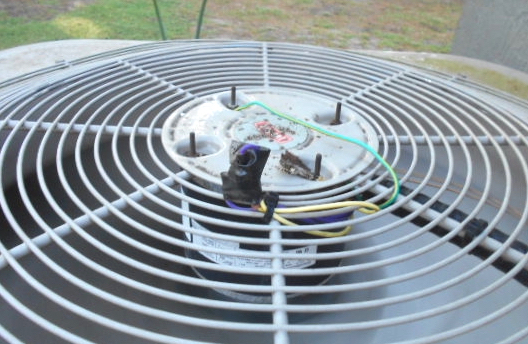
An AC condenser fan that does not work can result from a failed fan motor, blown fuse, bad relay, damaged wiring, faulty fan control module, or incorrect refrigerant pressure signals. Start with a visual inspection and the correct fuse checks. Use vehicle-specific electrical tests to find the actual fault before replacing parts.
During a hot summer in the United States, a working car air conditioner makes a big difference. Drivers in cities such as Houston, Phoenix, Miami, and Los Angeles often rely on their AC during long commutes and stop-and-go traffic. If the air turns warm while the car sits at a traffic light, the condenser cooling fan may be part of the problem.
The condenser fan helps remove heat from the refrigerant as it passes through the AC condenser. Without enough airflow, the refrigerant may stay too hot. System pressure can rise, cooling can drop, and the vehicle may shut down the compressor to protect its parts.
A failed fan motor is one possible cause, but it is not the only one. A blown fuse, damaged wire, bad relay, pressure sensor fault, or fan control problem can produce similar symptoms. Some vehicles also control fan speed based on engine temperature and AC pressure. This means a fan that is not spinning at one moment is not always faulty.
The best approach is to check the symptoms, inspect the fan and its wiring, and then test the electrical control system. Do not replace the fan until you know whether it receives the correct power and control signal. This guide explains the common causes, safe checks, repair options, and signs that call for a professional diagnosis.
Source: aristotleair.com
What Does an AC Condenser Fan Do?
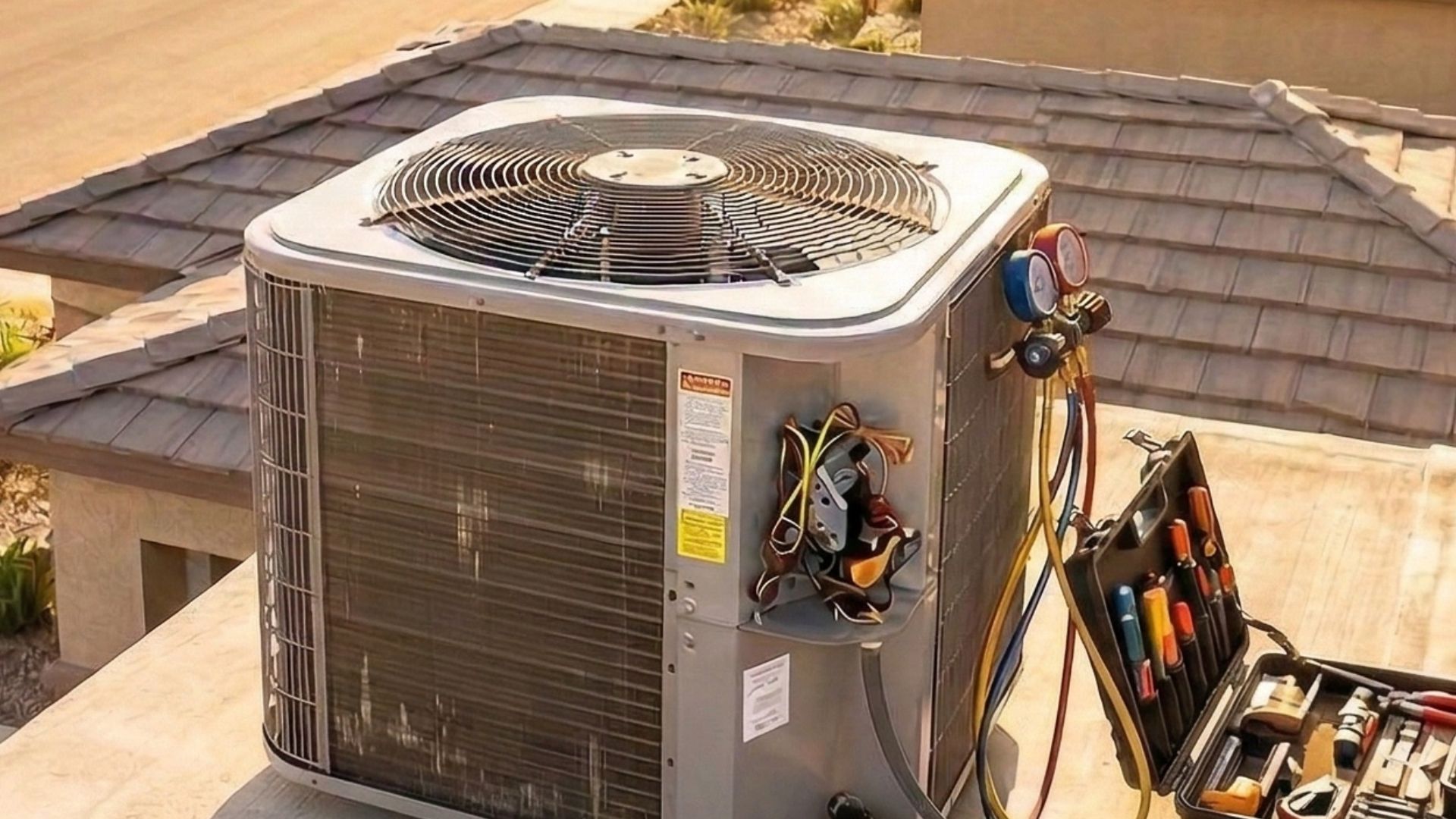
The AC condenser fan moves air across the condenser at the front of your vehicle. The condenser looks much like a small radiator. It helps remove heat from the refrigerant before the refrigerant moves toward the expansion device and evaporator.
When you use the AC, the refrigerant absorbs heat from the cabin. The compressor then sends hot, high-pressure refrigerant toward the condenser. Air passing through the condenser helps release that heat. The refrigerant can then change into a liquid and continue through the cooling cycle.
The fan becomes especially useful when the vehicle is not moving fast enough to create natural airflow. At highway speed, air can pass through the grille and across the condenser. At a red light or in a parking lot, the electric fan must help provide that airflow.
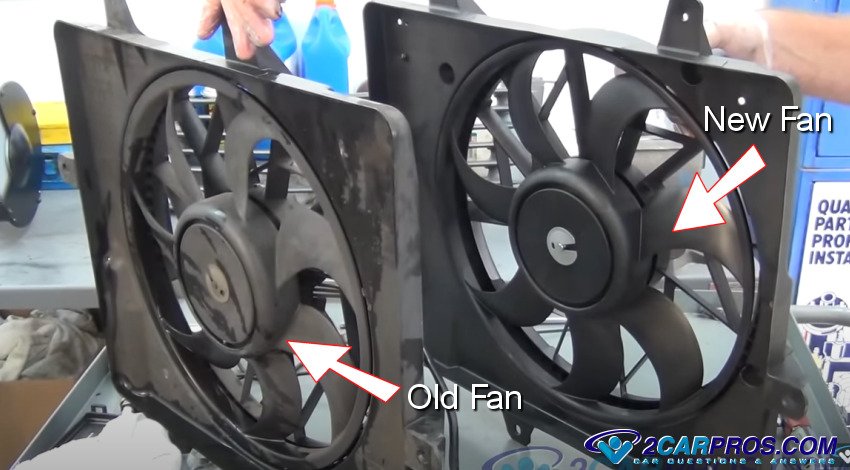
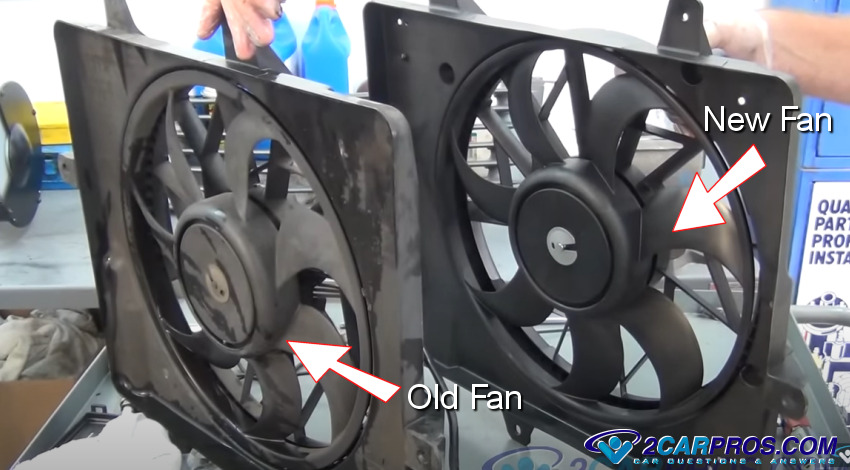
Many vehicles use a shared radiator and condenser fan assembly. Others have two fans or a separate AC fan. The exact layout depends on the make, model, engine, and cooling system design.
A working fan helps keep condenser temperatures and refrigerant pressure within the required range. If airflow becomes too low, AC performance can suffer. The control system may also reduce compressor operation to prevent excessive pressure.
Source: naturalgasfurnace.us
Heat removal
The fan moves air through the condenser so the refrigerant can release heat.
Better cooling at idle
The fan provides airflow when the car is stopped or moving slowly.
Pressure control
Proper condenser airflow helps the AC system maintain suitable operating pressure.
Engine cooling support
On vehicles with a shared fan assembly, the same fan also helps cool the engine radiator.
Common Symptoms of an AC Condenser Fan That Is Not Working
The most useful clue is how the AC performs at different vehicle speeds. A fan problem often becomes easier to notice when the car is stopped. Natural airflow at higher speeds may hide the problem for a while.
You may also notice other signs. Some point toward the fan itself, while others suggest a problem in the electrical or refrigerant control system. Look at the full set of symptoms instead of relying on one clue.
Source: hvactrainingshop.com
AC blows warm air at idle
The vents may produce cool air while driving but turn warm when the car stops. Reduced airflow across the condenser can cause this pattern.
AC cooling improves at highway speed
Road airflow may help cool the condenser when the fan is not providing enough airflow at low speed.
Engine temperature rises in traffic
If the vehicle uses a shared radiator and condenser fan, a fan failure may also reduce engine cooling at idle.
Fan does not spin when commanded
A silent fan may have a failed motor, power supply, ground connection, relay, or control circuit. Confirm that the vehicle is actually requesting fan operation.
Compressor switches off repeatedly
High refrigerant pressure, low refrigerant charge, or an electrical control fault can cause the compressor to stop and restart.
Unusual noise from the front of the car
A cracked blade, loose fan assembly, worn motor bearing, or damaged shroud may produce scraping, rattling, or grinding sounds.
AC works poorly in hot weather
High outdoor temperatures increase the amount of heat the condenser must release. A weak fan may become more noticeable during hot weather.
Why Does the AC Work at Highway Speed but Not at Idle?
This is one of the strongest clues of an airflow problem. When the car moves, outside air passes through the grille and condenser. This natural airflow can help the system cool the refrigerant even if the electric fan is weak or not working.
When the car stops, that natural airflow drops. The condenser then depends more on its electric fan. If the fan cannot move enough air, heat builds up and AC performance may fall.
A dirty condenser can make the problem worse. Leaves, bugs, dust, and road debris can block airflow through the fins. A technician should check both the fan and the condenser before deciding which part needs repair.
Likely area to inspect
Fan motor, fan power supply, fan relay, wiring, and condenser airflow.
Useful next test
Check whether the fan receives a command and the correct electrical supply under the conditions that produce the problem.
What Causes an AC Condenser Fan to Stop Working?
Several parts can prevent the condenser fan from operating. The fault may be inside the motor, in the electrical supply, or in the control system. The correct repair depends on where the power or control signal is lost.
A good diagnosis checks the simple causes first. It then moves toward the more complex electrical and AC system tests. This order helps prevent unnecessary parts replacement.
Source: hitchesguide.com
1. Failed condenser fan motor
The motor turns the fan blades. Internal wear, damaged windings, corrosion, or excessive heat can cause it to stop. A motor may also become weak and run slowly instead of failing completely.
2. Blown cooling fan fuse
A fuse protects the electrical circuit from excessive current. A short circuit, damaged wire, or failing motor can cause the fuse to blow. Replacing it without finding the reason may lead to another failure.
3. Faulty fan relay
Some vehicles use a relay to control power to the cooling fan. Burned contacts or an internal relay failure can interrupt the electrical supply. Other vehicles use integrated electronic controls instead.
4. Damaged wiring or poor ground
Loose connectors, corrosion, broken wires, damaged insulation, and poor ground connections can stop the fan from working. Heat and vibration can make these problems worse.
5. Failed fan control module
Many modern vehicles use an electronic module to control fan speed. A failed module, damaged power connection, or missing control signal can prevent the fan from operating correctly.
6. Faulty AC pressure sensor or switch
The refrigerant pressure sensor sends system pressure information to the vehicle’s control unit. Incorrect information may cause the computer to change fan operation or prevent the compressor from running.
7. Engine coolant temperature sensor problem
The cooling fan may also depend on engine temperature. Incorrect temperature information can affect fan commands on vehicles that use the same fan for engine and AC cooling.
8. Damaged fan blades or blocked airflow
A broken blade, damaged shroud, debris, or badly blocked condenser can reduce airflow. The motor may still turn, but the system may not receive enough cooling.
9. Low refrigerant or another AC system fault
Low refrigerant can cause the compressor to stop operating because of pressure protection. Depending on the vehicle’s design, this may also affect the request for condenser fan operation.
Can Low Refrigerant Stop the Condenser Fan?
Yes, it can affect fan operation on some vehicles, but the relationship depends on the control design. The pressure sensor or switch sends information about refrigerant pressure to the control system. If the pressure is too low, the computer may prevent compressor operation.
If the compressor does not receive an AC operating request, the fan may not receive its normal AC-related command either. However, the fan may still operate when engine temperature requires it.
Do not add refrigerant just because the fan is not spinning. A low charge can point to a leak, while an incorrect charge can create other problems. Proper pressure testing and leak diagnosis are better than guessing.
Possible clues
Warm cabin air, compressor cycling, an AC warning code, or pressure readings outside the vehicle’s specifications.
Correct approach
Check refrigerant pressures, sensor data, and the fan command before replacing the pressure sensor or adding refrigerant.
How to Check an AC Condenser Fan Safely
You can perform a few basic checks without opening the AC refrigerant system. Start with the vehicle parked on level ground. Use the parking brake and follow the owner’s manual before inspecting anything under the hood.
Electric cooling fans can start without warning. Some vehicles can activate them when the engine is hot or the AC system is operating. A fan may also continue to run for a short time after the engine is switched off.
Keep your hands, hair, clothing, and tools away from the fan blades and belts. Do not try to push the blades by hand or reach through the grille while the system is powered. If a repair requires work near the fan motor or wiring, follow the vehicle’s battery isolation procedure.
Source: supertechhvac.com
Tools for basic inspection
Use the owner’s manual, a flashlight, safety glasses, and a suitable digital multimeter if you know how to use it safely.
What not to use
Do not use loose jumper wires, oversized fuses, or random battery connections to force the fan to run.
Step 1: Confirm the Symptoms
Start the vehicle only in a safe, well-ventilated outdoor area. Set the AC to a cold setting and observe how the cabin cooling behaves. Note whether the air becomes warm at idle and improves when the car moves.
Watch for engine temperature warnings. If the engine starts to overheat, turn off the AC and stop the vehicle in a safe place. Do not continue running an overheating engine just to test the fan.
Check the owner’s manual for the correct fan operation conditions. Some systems use variable-speed fans and may not run at full speed when the AC is first switched on. A fan that remains still during one brief observation is not enough to prove a failure.
Record the conditions
Note the outdoor temperature, engine temperature, vehicle speed, AC setting, and whether the compressor appears to operate.
Step 2: Inspect the Fan and Condenser
Switch off the ignition and follow the owner’s manual before making a visual inspection. Look through the grille for obvious damage, leaves, plastic bags, and other debris around the condenser.
Check for cracked fan blades, a loose shroud, damaged mounting points, or signs that the fan has rubbed against another part. Look for melted connectors or damaged insulation if these areas are visible without touching the electrical components.
A condenser covered in dirt may not release heat well. If the fins are dirty, cleaning may help restore airflow. Use a gentle cleaning method suitable for the vehicle and avoid high-pressure water that can bend the thin fins.
Good sign
The fan blades and shroud look intact, the wiring appears secure, and the condenser has clear airflow.
Warning sign
A broken blade, burned connector, loose wiring, or heavy debris needs further inspection before normal use.
Step 3: Check the Cooling Fan Fuse
Find the cooling fan and AC-related fuse locations in the owner’s manual or vehicle fuse diagram. Some vehicles have more than one fuse for the fan circuit. The fuse box may be under the hood, inside the cabin, or in both locations.
With the ignition off, inspect the correct fuse according to the manufacturer’s procedure. A multimeter or suitable fuse tester can confirm whether a fuse is open. Visual inspection alone may not reveal every fuse failure.
If the fuse is blown, replace it only with one of the same specified rating and type. If the new fuse blows again, stop replacing fuses. A short circuit, damaged motor, or wiring fault may be drawing too much current.
Never install a larger fuse
A higher-rated fuse can allow excessive current and damage wiring or create a fire risk.
Check the cause
A repeatedly blown fuse requires electrical diagnosis rather than another replacement.
Step 4: Inspect the Fan Relay and Connectors
If the vehicle uses a separate fan relay, inspect the correct relay and its socket using the wiring diagram. Look for corrosion, heat damage, loose terminals, and signs of melting.
Some fuse boxes allow a relay to be swapped with another relay that has the same part number and electrical specifications. Only use this method if the vehicle manufacturer permits it. A relay that looks similar may have a different internal arrangement.
Modern vehicles may use a solid-state fan controller instead of a simple relay. These systems need proper electrical tests. Do not assume that every vehicle has a replaceable fan relay.
Possible relay problem
The correct control signal reaches the relay, but the relay does not provide the required output.
Possible connector problem
Corrosion, loose pins, damaged wiring, or a weak ground interrupts current to the motor.
How a Mechanic Diagnoses a Condenser Fan Problem
A professional diagnosis goes beyond checking whether the fan spins. The technician must find out whether the vehicle is asking the fan to operate and whether the electrical circuit can carry out that request.
The exact test method depends on the vehicle. Older systems may use a simple relay and fan motor circuit. Newer systems can use electronic fan controllers, pulse-width modulation, multiple fan speeds, and computer-controlled operation.
A useful diagnosis checks the whole system. This includes the fan motor, power supply, ground, control signal, refrigerant pressure information, engine temperature data, and related fault codes.
Source: hvactrainingshop.com
Electrical Power and Ground Testing
A technician can use a wiring diagram and multimeter to test the fan circuit. The test should be performed under the correct operating conditions or with a suitable diagnostic command. This helps show whether the motor receives the voltage and ground it needs.
If the correct power and ground reach the motor but it does not run, the motor or fan assembly may have failed. If the motor works under the correct test conditions but does not receive its normal supply, the fault may be in the fuse, relay, wiring, connector, or control module.
A direct battery test is not suitable for every fan. Some assemblies contain electronic controls, and the motor may require a specific command signal. Incorrect testing can damage components or cause injury.
Power present and motor does not operate
The motor or fan assembly may be defective, subject to the correct test procedure.
Power missing
Check the fuse, relay, wiring, connector, control module, and circuit command.
Poor ground
Inspect the ground point, wiring, and connector for resistance or damage.
Scan Tool and AC Pressure Testing
A professional scan tool can read stored trouble codes and live information from the engine and climate control systems. Depending on the vehicle, the technician may be able to view refrigerant pressure, engine coolant temperature, AC requests, and fan command data.
Codes such as P0530, P0531, P0532, and P0533 may point toward a refrigerant pressure sensor circuit or performance problem. These codes do not automatically prove that the sensor itself has failed. The wiring, connector, power supply, and ground must also be checked.
A technician may also connect an approved AC pressure gauge set to compare the high-side and low-side readings with the vehicle’s service specifications. Pressure readings depend on refrigerant type, outside temperature, compressor design, and system operating conditions.
If pressure readings are abnormal, the technician can investigate a low charge, overcharge, airflow restriction, condenser problem, or compressor fault. This is more reliable than replacing the fan based only on warm air from the vents.
Live fan command
Shows whether the control system is requesting fan operation under the test conditions.
Refrigerant pressure data
Helps identify pressure sensor problems and conditions that may prevent normal compressor or fan operation.
Electrical circuit test
Helps separate a failed motor from a power, ground, relay, wiring, or control module problem.
Checking the Fan Control Module
A fan control module can regulate fan speed based on engine temperature and AC pressure. If the module fails, the fan may stop, run at the wrong speed, or operate at unexpected times.
The technician should check the module’s power supply, ground, input signals, and output according to the vehicle’s service information. Replacing the module without these tests can waste money if the actual fault is a damaged wire or missing control request.
How to Fix an AC Condenser Fan That Is Not Working
The correct fix depends on the confirmed cause. A fan motor should not be replaced if the real problem is a bad ground, damaged connector, or missing control signal. Likewise, replacing a fuse will not solve an electrical short.
Some basic repairs are simple, while others need vehicle-specific tools and technical knowledge. The following options explain what each repair involves and when professional help is the better choice.
Source: youtube.com
Replace a failed fan motor
If testing confirms an internal motor failure, replace the motor or complete fan assembly as specified for the vehicle. Check the blades, shroud, mounts, and connector during installation.
Replace a faulty fuse
Install the correct fuse rating after checking why the original fuse failed. If the replacement blows again, the circuit needs further diagnosis.
Replace a defective relay
If the relay fails the correct electrical tests, install the specified replacement. Check the relay socket for heat damage and loose connections.
Repair damaged wiring
Repair open circuits, poor connections, corrosion, and damaged insulation using suitable automotive wiring methods. Protect repaired wires from heat, water, and vibration.
Replace the fan control module
If the module has failed and its power, ground, and control inputs are correct, replace it with the correct part for the vehicle.
Repair the AC pressure control problem
If incorrect pressure information prevents fan or compressor operation, test the pressure sensor and its circuit. Repair the actual fault rather than changing parts based on a code alone.
What Happens When the Condenser Fan Motor Needs Replacement?
The replacement process varies by vehicle. Some fan assemblies are easy to reach from above. Others require removal of covers, intake parts, or nearby components. In certain vehicles, the radiator fan and shroud are removed as one assembly.
Before work begins, the technician must follow the manufacturer’s electrical isolation procedure. The correct replacement must match the vehicle’s fan design, connector, motor rating, mounting points, and control system.
After installation, the technician should test the fan under the conditions specified by the manufacturer. The test should confirm that the fan runs correctly, does not contact the shroud, and responds to the required speed commands.
Can You Repair the Fan Without Replacing It?
Sometimes. A loose connector, damaged wire, blown fuse, or failed relay may be the real cause. Repairing that fault can restore normal fan operation without replacing the motor.
A fan with worn bearings, damaged internal windings, or a seized motor usually needs replacement. Do not try to repair a sealed motor unless the manufacturer provides an approved repair method. A poor repair can cause another failure.
How to Confirm the Repair Worked
A successful repair should restore the fan’s correct operation and improve AC performance under the conditions that caused the original problem. The fan must respond to the vehicle’s control system, not simply spin when power is applied.
The technician should test the system with the engine at the required operating temperature and the AC set according to the manufacturer’s procedure. Fan speed, refrigerant pressure, engine temperature, and vent performance should be checked against vehicle specifications.
The test should also include the conditions that first exposed the fault. For example, if the AC became warm while the car sat in traffic, check cooling at idle as well as during a suitable road test. Do not rely on one brief test at highway speed.
If the repair involved a wiring or control issue, check that the relevant fault codes do not return. Confirm that the fan does not make unusual noise and that the blades and shroud have proper clearance.
Source: naturalgasfurnace.us
Fan operation
The fan responds correctly to the required AC and engine cooling commands.
Stable engine temperature
The engine temperature remains within the normal range during the test.
Consistent cabin cooling
The AC produces suitable cooling at idle and during normal driving.
Correct system pressures
The high-side and low-side readings fall within the manufacturer’s specifications for the test conditions.
No repeated electrical faults
The fuse remains intact, connectors stay secure, and related trouble codes do not return.
Common Mistakes to Avoid During Troubleshooting
A condenser fan problem can lead to unnecessary repairs if the wrong part is blamed. The AC system uses several parts that work together. A fault in one area can affect the operation of another.
Avoid shortcuts that bypass the vehicle’s safety controls. A temporary change may make the fan run, but it does not prove that the original problem is fixed.
Source: hvactrainingshop.com
Replacing the fan without testing it
A failed fuse, relay, ground, or control module can produce the same basic symptom. Confirm the electrical supply and command before buying a new motor.
Adding refrigerant without checking pressure
An incorrect refrigerant charge can cause poor cooling and high system pressure. Use proper diagnostic equipment and the specified refrigerant charge.
Ignoring a repeatedly blown fuse
A fuse that blows more than once may point to a short circuit or excessive motor current. Do not install a higher-rated fuse.
Bypassing the fan relay or pressure switch
Bypassing a safety control can cause damage or create an unsafe operating condition. Diagnose the circuit instead.
Assuming every vehicle uses the same fan design
Some vehicles have a shared fan, while others have separate fans or electronic speed controls. Use the correct wiring diagram and service information.
Ignoring condenser blockage
A working fan cannot always overcome a badly blocked condenser. Inspect the fins and surrounding airflow path as well.
Testing the fan with your hands
Never push or turn the fan blades while the system is powered. An electric fan can start unexpectedly and cause serious injury.
Can You Drive With a Broken Condenser Fan?
It depends on the vehicle and the symptoms. If the fan serves only the AC condenser, the main immediate result may be poor cabin cooling and increased AC system pressure. However, many cars use a shared fan for both the condenser and radiator.
If the engine temperature rises, a warning light appears, or the temperature gauge moves above its normal range, stop in a safe place and switch off the engine. Continuing to drive an overheating vehicle can cause serious engine damage.
Even if the engine temperature stays normal, avoid using the AC when the fan fault causes poor cooling or repeated compressor shutdown. Arrange a proper diagnosis as soon as possible. Do not assume that highway airflow will protect the vehicle in every driving condition.
Stop driving
Stop safely if the engine overheats, a temperature warning appears, or you notice steam or coolant loss.
Arrange prompt inspection
A fan fault that affects both the radiator and condenser should not be ignored.
When Should You Call a Professional?
Call an automotive technician if the fan does not operate after the basic visual and fuse checks, if a replacement fuse blows again, or if the vehicle has a complex electronic fan control system. Professional diagnosis is also the right choice when the AC compressor does not engage or the system has abnormal pressure readings.
Refrigerant work requires proper recovery and charging equipment. In the United States, EPA Section 609 rules require people who service motor vehicle AC systems for payment to have the required certification and use approved refrigerant handling equipment. Refrigerant must not be intentionally released into the atmosphere.
Do not open AC lines, loosen refrigerant fittings, or try to release pressure yourself. Refrigerant systems can operate at high pressure. Incorrect handling can cause injury and damage the environment.
Hybrid and electric vehicles may have additional electrical and cooling system risks. Their fan circuits and AC components may work differently from those in a conventional gasoline vehicle. Use a qualified technician who has the correct training and service information for the vehicle.
Electrical diagnosis
Choose professional help for complex wiring, electronic fan modules, repeated fuse failures, or unclear voltage readings.
Refrigerant service
Use a qualified AC technician for pressure testing, leak repair, refrigerant recovery, evacuation, and recharging.
Engine overheating
Get prompt help if the fan problem affects engine cooling or causes a temperature warning.
Hybrid and electric vehicles
Use a technician trained to work on the vehicle’s specific electrical and thermal management systems.
Frequently Asked Questions
Q
Should the AC condenser fan run whenever I turn on the AC?
Not always. Many vehicles request fan operation when the AC is running, but the exact behavior depends on the system design, outside temperature, refrigerant pressure, and engine temperature.
Some vehicles use variable-speed fans. Others may delay fan operation until certain conditions are met. Check the vehicle’s service information before deciding that a stationary fan is defective.
Q
Can a bad condenser fan cause the AC to blow warm air?
Yes. Without enough airflow across the condenser, the refrigerant may not release heat properly. This can raise system pressure and reduce cooling performance.
The problem often becomes more noticeable at idle because the vehicle receives less natural airflow. The AC may seem better at highway speed, but that does not mean the fan is healthy.
Q
Can a bad condenser fan cause a car to overheat?
Yes, if the vehicle uses the same electric fan for the condenser and radiator. A failed fan can reduce airflow through both heat exchangers, especially when the car is stopped or moving slowly.
If the engine temperature rises above normal, stop safely and switch off the engine. Do not continue driving to see whether the fan starts working again.
Q
How do I know if the fan motor or relay is bad?
A technician can test the fan motor’s power supply, ground, and control signal. If the correct electrical supply reaches the motor but it does not operate under the proper test conditions, the motor or assembly may be faulty.
If the motor works during an approved test but receives no normal power or command, the problem may be in the relay, fuse, wiring, control module, or vehicle control system. Testing is more reliable than replacing parts one by one.
Q
Can low refrigerant cause the condenser fan to stop working?
It can affect fan operation on some vehicles. A pressure sensor or switch may tell the control unit that refrigerant pressure is too low. The system may then prevent the compressor from running and change the normal fan request.
This behavior depends on the vehicle. Low refrigerant should be confirmed with proper testing, and any leak should be found and repaired before the system is recharged.
Q
Is it safe to drive with the condenser fan not working?
A vehicle may still move if the problem affects only AC cooling, but the fault should not be ignored. Many cars use a shared radiator and condenser fan, so the same failure can affect engine cooling.
Never continue driving if the engine overheats or shows a temperature warning. Stop safely and arrange an inspection. If the fan problem affects engine cooling, towing may be the safer option.
Q
Can I replace the condenser fan myself?
Some vehicles have accessible fan assemblies, but the job is not the same on every model. It may require removing covers, nearby components, or the complete fan shroud.
The fan circuit also carries high electrical current and may activate unexpectedly. Follow the vehicle’s service procedure and electrical isolation instructions. If you are unsure about the wiring or removal process, let a qualified technician handle the repair.
Q
Why does my condenser fan run after I turn off the engine?
Some vehicles allow the cooling fan to continue running after shutdown. This helps remove heat from the engine compartment and can be part of normal cooling system operation.
However, a fan that runs continuously for an unusually long time may point to a stuck relay, control module fault, or incorrect temperature signal. Check the owner’s manual and have the system tested if the behavior seems abnormal.
✦ Wrapping Up
Conclusion
An AC condenser fan that does not work can reduce cabin cooling and may also affect engine temperature. Common causes include a failed motor, blown fuse, bad relay, damaged wiring, faulty control module, and incorrect refrigerant pressure signals.
Start with the symptoms and a safe visual inspection. Check the correct fuse and look for obvious damage around the fan and condenser. Do not assume that the motor is bad until its power supply, ground, and control signal have been tested.
A proper repair should restore the fan’s normal operation and AC cooling under the same conditions that caused the problem. If the engine overheats, stop driving. For refrigerant work, complex electrical faults, and hybrid or electric vehicles, use a qualified technician.
💡 Key Takeaway
If your AC cools at highway speed but blows warm air at idle, arrange a condenser fan and airflow inspection first. Check the motor, fuse, relay, wiring, and control signals before replacing any parts.
About john Adword
John Adword has tested and reviewed car seat covers and interior accessories for 5 years, evaluating fit, material performance, and long-term wear across a range of vehicles and climates. His testing approach follows the same methodology used across car Reviewer Plus's product reviews — hands-on installation, real-world use, and comparison against manufacturer claims — with an ongoing focus on tracking new seat cover materials and cooling technology as they come to market.