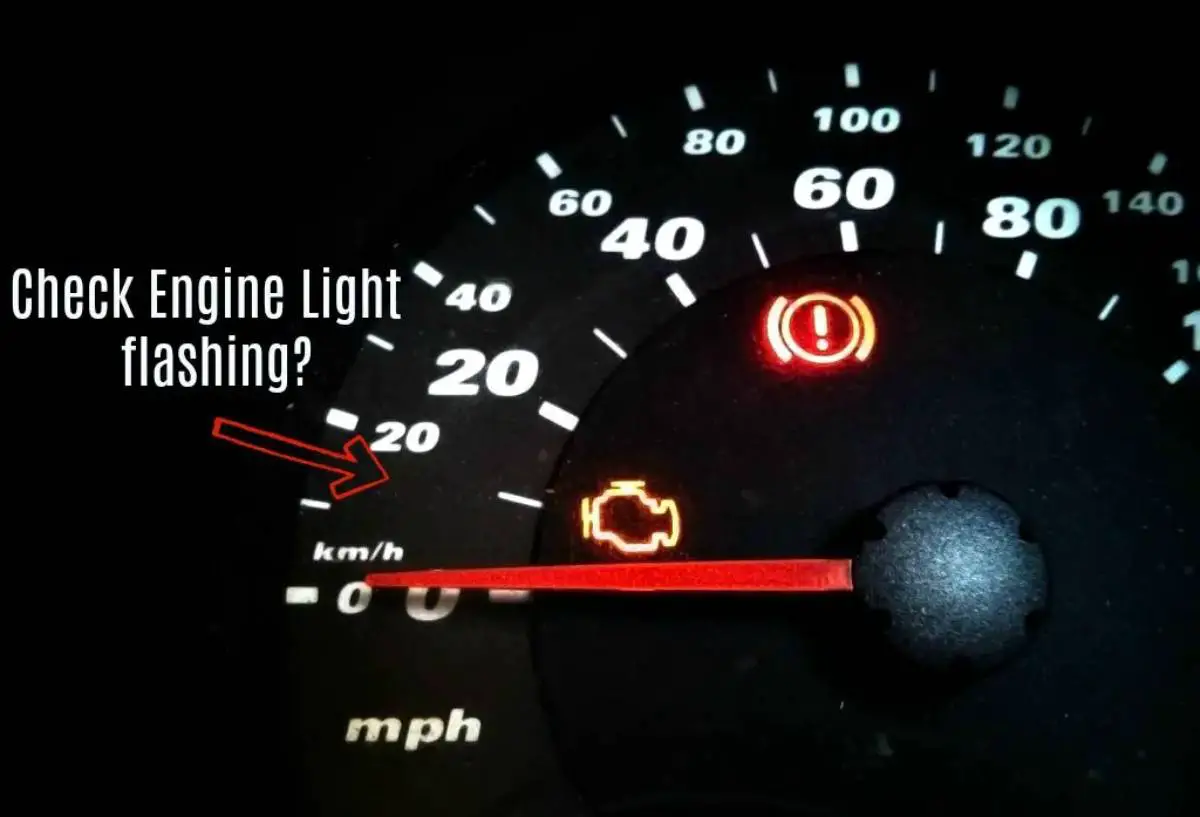
If you see your check engine light flashing while driving on a U.S. highway or city road, treat it as a warning that should not be ignored. Unlike a steady check engine light, a flashing light often signals a problem that can quickly harm important engine parts.
From my experience studying vehicle diagnostics, many drivers wait too long because the car still moves. The engine may seem fine for a short time, but a flashing warning often means unburned fuel is entering the exhaust system and creating extra heat.
Understanding What Does a Flashing Check Engine Light Mean can help you make a safer choice. Knowing the possible causes, risks, and next steps can prevent a small issue from becoming an expensive repair.

What Does a Flashing Check Engine Light Mean?
What Does a Flashing Check Engine Light Mean? In most cases, it means your vehicle computer has detected a severe engine misfire. A misfire happens when one or more cylinders fail to burn the air and fuel mixture correctly.
A flashing light is different from a normal warning light. A steady check engine light may indicate an emissions issue or sensor problem, while a flashing light usually warns about a condition that can cause immediate damage.
Modern vehicles use sensors and computer systems to monitor engine performance. When the system detects repeated misfires, it may flash the check engine light to protect the engine and exhaust system.
- ✦ Active engine misfire
The engine is not burning fuel correctly in one or more cylinders, which can create vibration, power loss, and rough running.
- ✦ Catalytic converter risk
Unburned fuel can enter the exhaust and overheat the catalytic converter, causing costly damage.
Common Causes of a Flashing Check Engine Light
A flashing check engine light can come from several engine problems. The exact cause depends on the vehicle model, mileage, maintenance history, and stored diagnostic codes.
In many cases, the issue starts with ignition, fuel delivery, or engine timing problems. A proper diagnosis is important because replacing random parts can waste money.

- ✦ Bad spark plugs
Worn or damaged spark plugs may fail to ignite the fuel mixture, creating repeated engine misfires.
- ✦ Faulty ignition coils
A weak ignition coil can prevent a cylinder from producing the spark needed for proper combustion.
- ✦ Fuel system problems
Dirty fuel injectors or low fuel pressure can cause poor combustion and engine misfires.
- ✦ Vacuum leaks
Air leaks can change the air-fuel mixture and affect engine performance.
- ✦ Engine timing problems
Timing chain issues or incorrect timing can prevent cylinders from firing correctly.
Spark and Ignition Problems
The ignition system plays a key role in engine operation. Spark plugs and ignition coils must work together to create a strong spark at the right moment.
When ignition parts fail, drivers often notice shaking, hesitation, poor acceleration, and a flashing check engine light.
Symptoms That Often Appear With a Flashing Check Engine Light
A flashing check engine light often appears with other warning signs. Paying attention to these symptoms can help you explain the problem to a mechanic.
Many drivers notice changes in how the vehicle feels before they see a warning light. These signs can provide clues about the source of the problem.

- ✦ Engine shaking
A misfiring cylinder can make the vehicle vibrate while idling or accelerating.
- ✦ Loss of power
The engine may struggle to accelerate because combustion is not happening correctly.
- ✦ Rough idle
The vehicle may shake or run unevenly when stopped.
- ✦ Strange exhaust smell
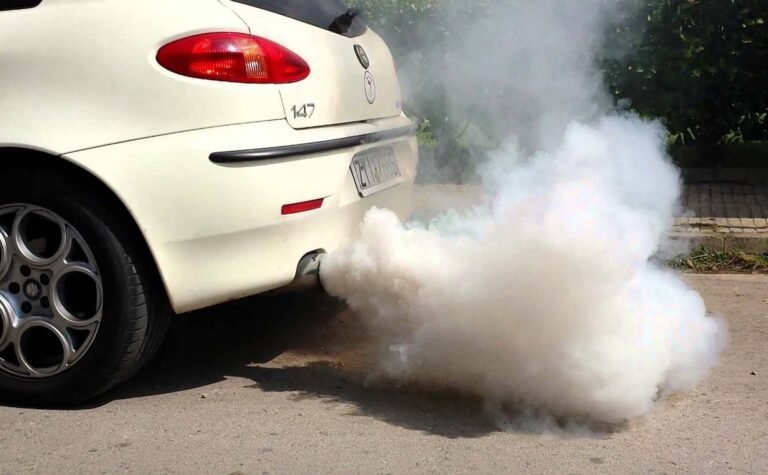
Unburned fuel entering the exhaust can create a strong fuel odor.
Can You Drive With a Flashing Check Engine Light?
Many drivers ask What Does a Flashing Check Engine Light Mean because they want to know if they can keep driving. In most situations, continued driving is not recommended.
A short drive to a safe location or repair shop may be necessary, but long trips can increase the chance of expensive damage. The longer the engine misfires, the more heat and stress can reach the exhaust system.

- ✦ Reduce driving time
Avoid unnecessary trips until the cause of the flashing light is identified.
- ✦ Stop if symptoms become severe
Pull over safely if the vehicle shakes heavily, loses power, or smells like fuel.
Why Catalytic Converter Damage Happens
The catalytic converter removes harmful gases from exhaust emissions. A severe misfire can send raw fuel into this component.
The extra fuel can burn inside the converter and create extreme temperatures. This may damage the converter and lead to a very expensive repair.
How Mechanics Diagnose a Flashing Check Engine Light
When a vehicle arrives at a repair shop, technicians usually begin with a diagnostic scan. The scan reads trouble codes stored by the vehicle computer.
A code does not always identify the exact failed part. It gives technicians a starting point for further testing.
- ✦ OBD-II scan
A scanner reads engine fault codes and helps identify possible misfire locations.
- ✦ Visual inspection
Technicians check wiring, connectors, ignition parts, and fuel system components.
- ✦ Performance testing
Additional tests may confirm compression, fuel pressure, or timing problems.
Why Replacing Parts Without Testing Can Fail
Some drivers replace spark plugs or sensors without proper testing. Sometimes the repair works, but other times the real problem remains.
A complete diagnosis saves time and prevents unnecessary part replacements.
What Should You Do When Your Check Engine Light Starts Flashing?
Knowing what to do after seeing a flashing check engine light can protect your vehicle. Quick action often reduces repair costs.
Stay calm and focus on safety. A warning light does not always mean your engine will fail immediately, but it does require attention.
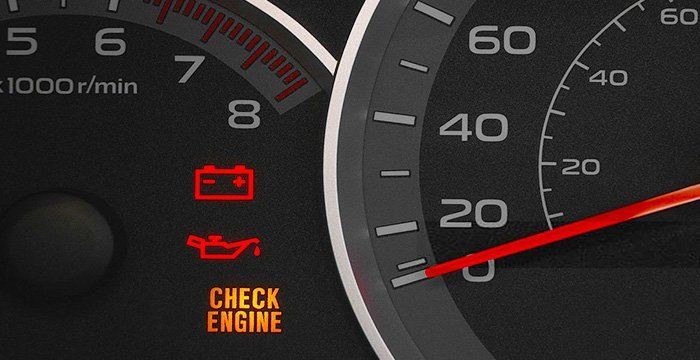
- ✦ Check driving conditions
Slow down and avoid hard acceleration until you can inspect the problem.
- ✦ Check for other symptoms
Notice shaking, unusual sounds, smoke, or fuel smells.
- ✦ Get a professional diagnosis
Use a qualified mechanic or diagnostic tool to find the cause.