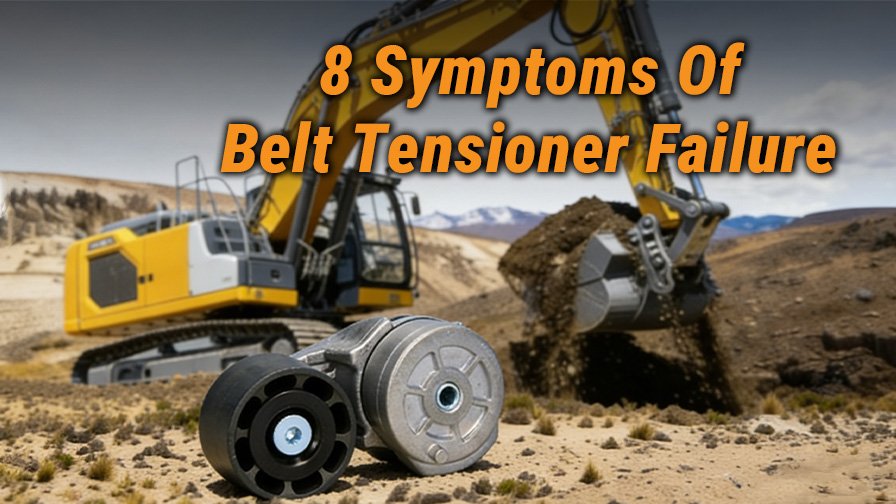
The most common signs of a failing belt tensioner include squealing noises, a bouncing tensioner arm, belt misalignment, grinding sounds, uneven belt wear, and poor accessory performance. A damaged tensioner can also cause the serpentine belt to slip or come off completely.
Across the United States, drivers depend on their vehicles for daily commutes, family trips, and long highway drives. Whether you drive a Ford F-150, Toyota Camry, Chevrolet Silverado, Honda Accord, or another popular vehicle, your engine depends on several parts working together. One small but important part is the belt tensioner. When it starts to wear out, you may hear strange noises or notice changes in how your engine accessories work.
The belt tensioner keeps the serpentine belt tight as the engine runs. It helps transfer power from the crankshaft to parts such as the alternator, air conditioning compressor, and, on some vehicles, the water pump or power steering pump. If the tensioner loses its spring force, develops a bad bearing, or becomes misaligned, the belt may slip, vibrate, or wear out too soon.
Recognizing the warning signs early can help prevent a broken belt and costly repairs. However, not every belt noise means the tensioner is bad. A worn belt, damaged idler pulley, loose mounting point, or failing accessory can create similar symptoms. This guide explains what to look for, how to check the problem safely, and when to seek professional help.
Source: mechanicbase.com
What Does a Belt Tensioner Do?
A belt tensioner keeps the engine drive belt under the right amount of pressure. It helps the belt grip each pulley and transfer engine power to the accessories. Without proper tension, the belt may slip, make noise, or stop driving an accessory correctly.
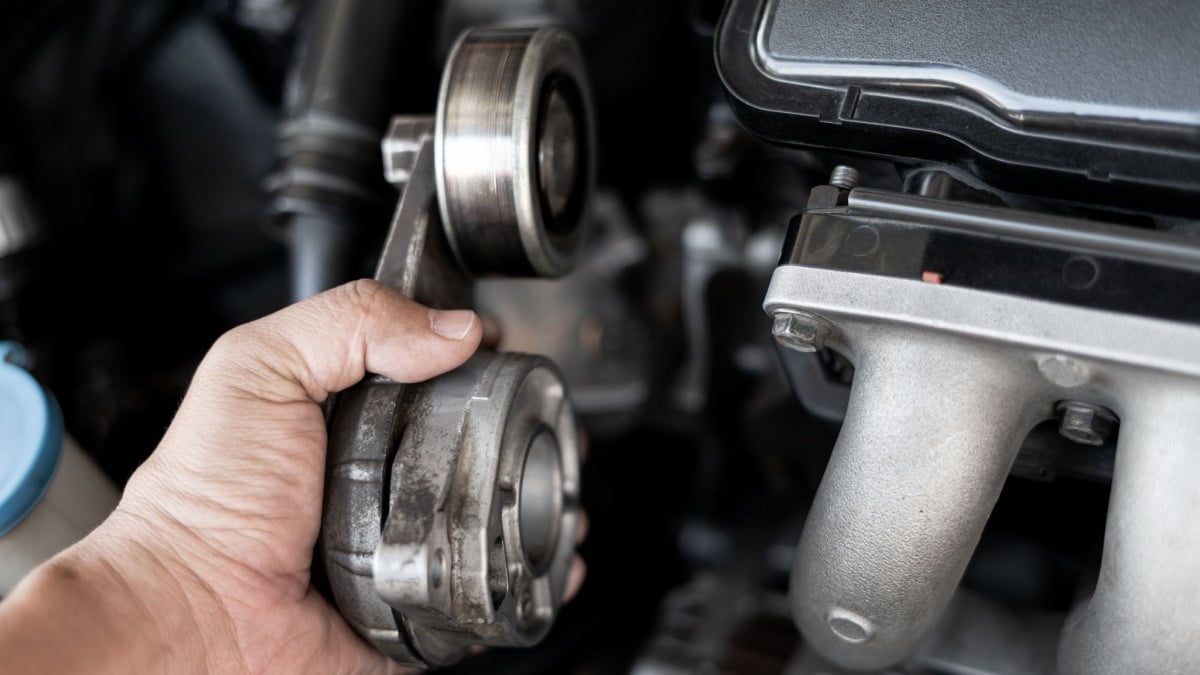
Most modern vehicles use an automatic serpentine belt tensioner. This part usually has a spring-loaded arm, a pulley, a pivot point, and a damping system. The spring applies pressure while the damping system helps control unwanted movement.
The tensioner also adjusts for normal changes in belt length, temperature, and engine load. This allows the belt to keep working as the engine speeds up, slows down, and powers different accessories. A worn tensioner may no longer keep this pressure steady. citeturn929850view1turn711704view0
Maintains belt tension
The spring-loaded arm presses the pulley against the belt to reduce slipping and help maintain a steady drive.
Controls belt movement
The damping system reduces unwanted movement and helps limit vibration during engine operation.
Supports engine accessories
The belt can drive the alternator, A/C compressor, water pump, and hydraulic power steering pump, depending on the vehicle.
Compensates for normal changes
The tensioner adjusts as belt length and operating conditions change.
Automatic vs. Manual Belt Tensioners
An automatic tensioner uses a spring or another automatic mechanism to maintain belt pressure. It adjusts as the belt and engine conditions change. Most modern serpentine belt systems use this design.
A manual tensioner requires an adjustment during installation or maintenance. Some older vehicles use this system. If the belt becomes loose, the adjustment may need attention rather than replacement of an automatic spring assembly.
Always identify the tensioner design before starting a repair. The correct inspection and adjustment method depends on the vehicle.
Automatic system
Uses a spring-loaded arm or another automatic mechanism to maintain tension.
Manual system
Uses an adjustment bolt or bracket to set and hold belt tension.
Belt Tensioner vs. Idler Pulley
A belt tensioner pulley sits on a moving arm that applies pressure to the belt. An idler pulley usually has a fixed mounting position and helps guide the belt around the engine accessories.
Both parts can develop bearing problems. A bad idler pulley may produce grinding, squealing, or belt vibration that looks like a tensioner problem. The main difference is that an idler does not normally control belt tension through a spring-loaded arm.
Belt tensioner
Applies and maintains the required pressure on the drive belt.
Idler pulley
Guides the belt and helps maintain the correct belt path.
7 Common Belt Tensioner Failure Symptoms
A failing tensioner often gives warning signs before it stops working completely. Some signs are easy to hear, while others require a closer inspection of the belt drive system.
Pay attention to changes in noise, belt movement, and accessory performance. One symptom alone may not confirm a bad tensioner, but several symptoms together make the problem more likely.
Source: rustyautos.com
1. Squealing Noise From the Engine
A high-pitched squeal is one of the most common warning signs. A weak tensioner may not press the belt firmly against the accessory pulleys. The belt can then slip across a pulley and create friction noise. You may hear it when starting the engine, accelerating, or switching on the air conditioning. However, a worn belt, fluid contamination, or a failing accessory bearing can cause similar sounds.
2. Tensioner Arm Bouncing or Shaking
The tensioner arm should control belt movement without excessive shaking. If the arm moves back and forth rapidly at idle, its spring or damping system may be worn. Excessive movement can cause the belt to lose grip and create more vibration. Abnormal chattering or bouncing during normal operation is a strong warning that the tensioner needs inspection.
3. Serpentine Belt Misalignment
A damaged pivot bushing can allow the tensioner arm to move sideways. This may cause the belt to travel toward the edge of a pulley instead of staying in its normal position. You might see the belt sitting unevenly, rubbing against a pulley edge, or beginning to come off. Misalignment can also result from a bent bracket or another damaged pulley.
4. Grinding, Rattling, or Whining Sounds
The tensioner pulley contains a bearing that allows it to rotate smoothly. When that bearing wears out, it may produce grinding, rattling, clicking, or whining sounds. The noise can change with engine speed. A rough or noisy pulley bearing needs further inspection because continued operation may cause the pulley to seize.
5. Uneven or Premature Belt Wear
A weak or misaligned tensioner can cause the belt to slip or rub against pulley edges. This may lead to frayed edges, damaged ribs, glazing, or uneven wear. You may also notice small pieces of belt material around the engine bay. A damaged belt should not be treated as an isolated problem until the tensioner and other pulleys have been checked.
6. Poor Performance From Engine Accessories
The serpentine belt transfers power to several engine accessories. If the belt slips because of a weak tensioner, the alternator may not charge the battery correctly. The A/C compressor may also receive inconsistent drive power. On vehicles with a belt-driven water pump or hydraulic power steering pump, cooling or steering performance may also be affected.
7. Visible Damage to the Tensioner Assembly
A damaged tensioner may have cracks, broken stops, a loose arm, or signs of metal-to-metal contact. Some designs may also show rust or unusual wear near the pivot. These problems can indicate internal damage even when the belt still appears to be working. A cracked or broken tensioner should be replaced rather than ignored.
Why a Bouncing Tensioner Arm Matters
A small amount of tensioner movement can be normal. The arm must respond to changes in engine speed and accessory load. However, repeated sharp movement, rattling, or bouncing is not normal.
A worn damper may fail to control the spring and arm movement. This can let the belt lose contact with the pulleys for short periods. The result may be belt slipping, extra heat, and faster wear.
If the arm shakes heavily while the engine runs, arrange an inspection. Do not try to touch or hold the arm while the engine is running.
Normal movement
The arm makes controlled adjustments as engine speed and accessory loads change.
Abnormal movement
The arm repeatedly jumps, chatters, or swings in a way that causes unstable belt movement.
What Causes a Belt Tensioner to Fail?
A belt tensioner can fail because of normal wear, heat, vibration, contamination, or damage to its internal parts. The spring, pivot bushing, damping system, and pulley bearing all work together. A problem in any of these parts can affect the whole assembly.
Finding the cause matters because replacing the tensioner alone may not solve the problem if another part is creating extra vibration or belt misalignment.
Weak or Broken Spring
The spring provides the force needed to keep the belt tight. Over time, repeated movement and heat can reduce its ability to maintain the correct pressure. A weak spring may allow the belt to slip, especially under heavy accessory loads.
Worn Pivot Bushing
The pivot bushing supports the tensioner arm as it moves. Wear can create sideways movement and pulley misalignment. This may cause the belt to rub against the pulley edge or track incorrectly.
Damaged Damping System
The damper controls unwanted arm movement. If it wears out, the tensioner may bounce and allow the belt to vibrate. Some tensioners use mechanical damping, while others use different designs.
Failed Pulley Bearing
The pulley bearing can lose lubrication or develop internal wear. This may cause rough rotation, grinding noises, excessive play, or eventual seizure.
Oil or Coolant Contamination
Fluid leaks can affect belt materials and some tensioner components. Oil, coolant, and other service fluids should not be allowed to contaminate the accessory drive system. Find and repair the leak before fitting replacement parts.
Incorrect Belt Size
A belt that is too long or does not match the vehicle specification can cause poor tension and tracking. Always verify the correct belt part number before blaming the tensioner.
Excessive Accessory Vibration
A failing alternator pulley, seized accessory bearing, or damaged crankshaft pulley can place extra stress on the tensioner. The resulting vibration may shorten the life of the tensioner and belt.
Can a Bad Accessory Cause Tensioner Failure?
Yes. A tensioner does not work alone. It responds to the forces created by the belt and the accessories connected to it. If an alternator, A/C compressor, or another pulley develops excessive resistance, the belt drive may experience unusual vibration or load.
For example, a worn alternator pulley can cause belt vibration that makes the tensioner move more than normal. Replacing the tensioner without checking the alternator pulley may leave the original problem in place.
A good diagnosis checks the full accessory drive system. This includes the belt, tensioner, idler pulleys, accessory bearings, mounting brackets, and crankshaft pulley.
Check the alternator
Look for unusual pulley noise, rough rotation, and vibration.
Check the A/C compressor
Investigate unusual resistance, bearing noise, or abnormal belt movement.
Check the crankshaft pulley
Look for visible damage, movement, or separation of the rubber damping material where fitted.
How to Diagnose a Bad Belt Tensioner
The best way to diagnose a tensioner is to inspect its movement, pulley bearing, belt alignment, and related accessories. Start with a visual inspection before removing any parts. Use the vehicle manufacturer’s service information because tensioner designs and inspection methods can differ.
You do not need to replace the tensioner just because the belt makes noise. A correct diagnosis helps prevent unnecessary parts replacement and reduces the chance of damaging a new belt.
Source: fridayparts.com
Step 1: Park and Prepare the Vehicle
Park on a level surface, switch off the engine, remove the key or disable the start system, and allow the engine to cool. Keep loose clothing, hair, and jewelry away from the engine bay.
Step 2: Inspect the Serpentine Belt
Look for frayed edges, damaged ribs, cracks, glazing, missing sections, and signs of fluid contamination. Check whether the belt sits correctly in each grooved pulley. A damaged belt may need replacement even if the tensioner is still serviceable.
Step 3: Check the Tensioner Housing
Look for cracks, broken stops, rust, loose mounting points, and signs of metal-to-metal contact. Check whether the tensioner pulley appears tilted or out of line with the other pulleys.
Step 4: Observe the Tensioner Arm
If the engine and belt area are safely accessible, a trained person can observe the installed belt system from a safe distance with all guards in place. Watch for abnormal bouncing, chattering, or belt movement. Never place your hands, tools, clothing, or any object near a running belt.
Step 5: Check the Arm Movement
With the engine off and cold, use the correct tensioner tool to move the arm through its specified travel. It should move smoothly without sticking, rough spots, or unwanted sideways movement. Follow the vehicle-specific procedure because some tensioners have different travel limits and locking methods.
Step 6: Inspect the Pulley Bearing
If you have the proper tools and experience to remove the belt, check the tensioner pulley by hand. It should rotate smoothly without grinding, binding, or excessive looseness. A pulley that feels rough or has noticeable side play needs further attention.
Step 7: Inspect Other Pulleys
Check the idler pulleys and accessible accessory pulleys for rough bearings, looseness, damage, or misalignment. A bad accessory bearing can create symptoms that closely resemble tensioner failure.
Step 8: Verify the Correct Belt
Compare the installed belt with the vehicle’s required part number and routing diagram. An incorrect belt length or routing mistake can create tension and alignment problems even with a new tensioner.
What Does a Healthy Belt Tensioner Feel Like?
A healthy automatic tensioner should move through its designed range without binding or rough spots. Its spring should provide controlled resistance. The pulley should not have excessive side-to-side movement.
The exact amount of movement and resistance depends on the vehicle. There is no single hand-test measurement that applies to every tensioner. Use the manufacturer’s service specifications instead of guessing.
A pulley that spins for a certain number of turns is not a reliable universal test by itself. Bearing condition should be judged by smoothness, noise, resistance, and play, along with the manufacturer’s inspection method.
Smooth arm movement
No sticking, sudden jumps, or rough movement through the specified travel.
Stable pulley alignment
The pulley sits in the correct plane without obvious wobble.
Quiet bearing operation
No grinding, clicking, or roughness during a proper hand inspection.
Bad Belt Tensioner vs. Bad Serpentine Belt
A worn serpentine belt and a failing tensioner can produce similar symptoms. Both may cause squealing, slipping, and poor accessory performance. The main difference is that belt damage affects the belt material, while tensioner damage affects the force and alignment used to control the belt.
The following comparison can help narrow down the problem. It is a starting point, not a final diagnosis, because two or more components can fail at the same time.
Squealing at startup
A worn or contaminated belt may slip when the engine first starts. A weak tensioner may also fail to maintain enough pressure. Inspect both parts.
Cracked or frayed belt
Visible belt damage points toward belt wear, misalignment, or another problem that is damaging the belt. It does not prove the tensioner is bad.
Bouncing tensioner arm
Excessive arm movement points more strongly toward a tensioner spring or damping problem, although accessory vibration can also contribute.
Belt running off the pulley
This may indicate a worn tensioner pivot, a bent bracket, a damaged pulley, or incorrect belt installation.
Grinding noise
A grinding sound may come from the tensioner bearing, an idler bearing, or an accessory bearing. Each pulley needs separate inspection.
Bad Tensioner vs. Bad Idler Pulley
A bad tensioner may cause unstable belt pressure, excessive arm movement, and poor belt tracking. A bad idler pulley may create noise, vibration, and belt misalignment without causing the tensioner arm to move abnormally.
Both components can have worn bearings. The correct diagnosis depends on checking each pulley separately with the belt removed, when the vehicle-specific procedure permits it.
Do not assume the tensioner is responsible simply because the noise comes from the front of the engine. Several rotating components sit close together, and sound can travel through brackets and engine parts.
Tensioner problem
Look for weak spring force, abnormal arm movement, binding, pivot wear, and pulley misalignment.
Idler problem
Look for rough bearing rotation, looseness, damage, and incorrect pulley alignment.
Can You Drive With a Bad Belt Tensioner?
Driving with a failing belt tensioner is risky because the belt may slip, become damaged, or come off. The level of risk depends on how badly the tensioner has failed and which accessories the belt drives. A small noise may be an early warning, but a visibly unstable belt needs prompt attention.
If the belt comes off, the alternator may stop charging the battery. Some vehicles may also lose power steering assistance or water pump operation. The result can include a rising engine temperature, a battery warning light, or suddenly heavier steering.
If you notice overheating, smoke, a burning rubber smell, a loose belt, a loud grinding noise, or a sudden loss of steering assistance, pull over when safe and switch off the engine. Do not continue driving to see whether the problem goes away. Arrange professional inspection or towing when necessary.
Stop if the engine overheats
A belt-driven water pump may stop working if the belt slips or comes off. Continuing to drive can cause serious engine damage.
Stop if the battery warning appears with belt trouble
The alternator may no longer be charging the electrical system correctly. Do not assume the battery alone is the problem.
Stop if steering becomes suddenly heavy
Vehicles with hydraulic power steering may lose assistance when the belt stops driving the pump. Find a safe place to stop.
Avoid running a damaged belt
A belt that is coming off, badly frayed, or making loud noises can fail completely and damage nearby components.
Does Every Car Use the Serpentine Belt to Drive the Water Pump?
No. Belt routing and accessory layouts vary between vehicles. Some engines use the serpentine belt to drive the water pump, while others use a separate belt or an electric water pump.
The same difference applies to power steering. Some vehicles use a belt-driven hydraulic pump, while others use electric power steering. Check your owner’s manual or vehicle service information before deciding which systems may be affected.
Vehicle-specific belt routing
The accessory diagram shows which components depend on each belt.
Warning lights and temperature
Treat charging and temperature warnings seriously when belt failure is suspected.
When Should You Replace the Belt Tensioner?
Replace the tensioner when inspection confirms that its spring, pivot, damping system, pulley bearing, housing, or mounting structure has failed. A noisy or damaged pulley may sometimes be available as a separate service part, but the correct repair depends on the tensioner design and the vehicle manufacturer’s instructions.
Many vehicles use a complete tensioner assembly. Replacing the complete assembly is often the appropriate repair when the arm, spring, pivot, or damper is worn. Replacing only the pulley will not fix a weak spring or damaged pivot.
Inspect the serpentine belt and other pulleys during the same repair. If the belt has become glazed, frayed, cracked, contaminated, or stretched beyond its service limit, it may also need replacement. Correct the cause of any oil or coolant leak before installing new parts.
Replace a damaged tensioner
Cracks, broken stops, abnormal arm movement, binding, and failed spring or damping parts are reasons for replacement.
Replace a damaged belt
A belt with serious wear, missing ribs, frayed edges, or fluid contamination should not be reused.
Inspect the idler pulleys
Replace any pulley with a damaged bearing, excessive play, or physical damage.
Check accessory components
Investigate unusual resistance or vibration from the alternator, A/C compressor, and other belt-driven parts.
Should You Replace the Tensioner When Replacing the Serpentine Belt?
Not every vehicle requires automatic tensioner replacement every time the serpentine belt is changed. However, the tensioner should be inspected carefully during the belt service because both parts operate under similar conditions.
If the tensioner shows wear, has excessive movement, or produces bearing noise, replacing it during the belt job may prevent another repair later. If it passes the manufacturer’s inspection and has no signs of damage, replacement may not be necessary.
Some parts manufacturers recommend inspecting the belt drive system around 60,000 miles. This is a general inspection recommendation, not a universal replacement interval. Always follow the maintenance schedule for your exact vehicle.
Replace both when both are worn
A damaged belt and a failing tensioner should be repaired together so the new belt does not operate under poor tension.
Do not replace parts without inspection
A serviceable tensioner does not automatically need replacement simply because the belt is new.
Follow vehicle-specific guidance
Mileage recommendations and inspection procedures vary by engine and model.
Common Mistakes When Diagnosing Belt Tensioner Problems
A common mistake is replacing the first noisy part without checking the rest of the belt drive. A tensioner, idler pulley, alternator pulley, and A/C compressor bearing can all create similar sounds. A rushed repair may remove the noise for a short time without fixing the actual cause.
A careful inspection is more useful than guessing based on one symptom. The following mistakes can also create new problems during diagnosis or repair.
Replacing the belt without checking the tensioner
A new belt may continue to slip if the tensioner cannot provide enough pressure. Check the tensioner before completing the repair.
Assuming every squeal means a bad tensioner
A worn belt, incorrect belt size, fluid contamination, or failing accessory bearing may produce the same sound.
Ignoring pulley alignment
A misaligned pulley can damage a new belt. Inspect brackets, mounting points, and pulley position.
Using belt dressing or noise sprays
These products do not repair a weak tensioner or damaged bearing. They may hide a symptom without solving the cause. Use the correct diagnostic procedure instead.
Touching the belt while the engine runs
A moving serpentine belt can catch fingers, clothing, hair, or tools. Never touch or adjust the belt while the engine is running.
Using the wrong replacement part
Tensioners can differ by engine, model year, pulley size, mounting design, and belt routing. Verify compatibility using the vehicle identification number or exact application data.
Ignoring fluid leaks
Oil or coolant may damage belt materials and affect nearby drive components. Repair the leak before fitting a replacement belt.
Is a Belt Tensioner the Same as a Timing Belt Tensioner?
No. An accessory belt tensioner and a timing belt tensioner serve different systems. This guide focuses on the accessory drive tensioner that controls the serpentine belt or another external engine drive belt.
A timing belt tensioner controls the belt that synchronizes the crankshaft and camshaft. This system controls engine valve timing. Some engines can suffer severe internal damage if the timing belt loses its correct position or breaks while the engine is running.
Timing belt tensioners may use different adjustment methods, springs, dampers, or hydraulic systems. Their inspection and replacement procedures are also different. Never apply a serpentine belt inspection method to a timing belt system without checking the manufacturer’s service instructions. citeturn711704view3
Accessory belt tensioner
Maintains tension on the belt that drives engine accessories such as the alternator and A/C compressor.
Timing belt tensioner
Maintains the required tension on the belt that synchronizes engine timing components.
Different repair requirements
Timing belt repairs often require specific locking tools, tension settings, and manufacturer procedures.
Frequently Asked Questions
Q
What is the first sign of a bad belt tensioner?
A squealing noise from the engine area is a common early warning. It may happen when you start the engine, accelerate, or switch on the air conditioning. A weak tensioner may allow the belt to slip because it cannot maintain enough pressure.
However, a worn belt, fluid contamination, or a failing pulley bearing can also cause squealing. Inspect the entire belt drive system before replacing the tensioner.
Q
Can a bad belt tensioner cause a battery warning light?
Yes. If the tensioner becomes weak, the serpentine belt may slip over the alternator pulley. This can reduce the alternator’s ability to charge the battery and may trigger a battery warning light.
The warning light does not prove the tensioner is bad. A faulty alternator, damaged belt, wiring problem, or poor electrical connection can create a similar issue. Have the charging system and belt drive inspected together.
Q
Can a bad belt tensioner cause engine overheating?
It can, but only when the affected belt drives the engine water pump. A weak tensioner may allow the belt to slip or come off, reducing coolant circulation in that type of engine.
Other vehicles use a separate belt or an electric water pump. If the temperature gauge rises into the danger zone, stop safely and switch off the engine. Do not continue driving an overheating vehicle.
Q
How long can I drive with a failing belt tensioner?
There is no safe mileage estimate for a failing tensioner. Some parts may continue working for a short time, while others can fail suddenly. The belt may also slip or come off without much warning.
Arrange an inspection as soon as you notice abnormal noise, belt movement, or excessive tensioner vibration. If the belt is visibly damaged, the tensioner is unstable, or the engine overheats, stop driving and arrange assistance.
Q
Can I replace only the tensioner pulley instead of the whole assembly?
Sometimes. Certain vehicles use a serviceable pulley that can be replaced separately. However, a damaged spring, worn pivot, weak damper, or cracked housing requires attention to the complete tensioner assembly.
Check the vehicle’s parts design and repair instructions before ordering anything. Replacing only the pulley will not correct internal tensioner problems.
Q
Why does my belt tensioner make noise only when the engine is cold?
Cold-start noise can happen because the belt and its accessories experience different loads during startup. A worn tensioner may not maintain stable pressure, allowing the belt to slip briefly. Cold weather can also make an existing belt or bearing problem more noticeable.
A worn belt, weak battery, alternator pulley problem, or other accessory bearing can produce similar symptoms. If the noise continues or becomes louder, inspect the full drive system.
Q
Is it safe to inspect a belt tensioner while the engine is running?
A visual observation from a safe distance may help identify abnormal arm movement or belt tracking. However, never touch the tensioner, belt, or pulley while the engine is running. Keep hands, clothing, jewelry, hair, and tools away from all moving components.
For a closer inspection, switch off the engine, allow it to cool, and follow the vehicle manufacturer’s procedure. If removing the belt or releasing the spring-loaded tensioner is unfamiliar, let a qualified technician perform the work.
✦ Wrapping Up
Conclusion
A failing belt tensioner can affect much more than the serpentine belt. Squealing, grinding, excessive arm movement, belt misalignment, and unusual accessory behavior are all warning signs worth checking. Ignoring them may lead to belt damage, charging problems, or failure of another belt-driven accessory.
The best approach is to inspect the belt, tensioner, idler pulleys, and driven accessories as one system. Look for visible damage, check pulley bearings, and verify that the tensioner arm moves smoothly. If the belt is unstable or the engine shows signs of overheating, stop driving and arrange professional help.
Early diagnosis can help prevent a small belt drive problem from turning into a larger repair. Always use the correct replacement parts and follow the service instructions for your vehicle.
💡 Key Takeaway
If you notice squealing, belt misalignment, or a bouncing tensioner arm, arrange a full accessory belt drive inspection. Do not replace the belt alone until the tensioner, idler pulleys, and other accessories have been checked.
About john Adword
John Adword has tested and reviewed car seat covers and interior accessories for 5 years, evaluating fit, material performance, and long-term wear across a range of vehicles and climates. His testing approach follows the same methodology used across car Reviewer Plus's product reviews — hands-on installation, real-world use, and comparison against manufacturer claims — with an ongoing focus on tracking new seat cover materials and cooling technology as they come to market.