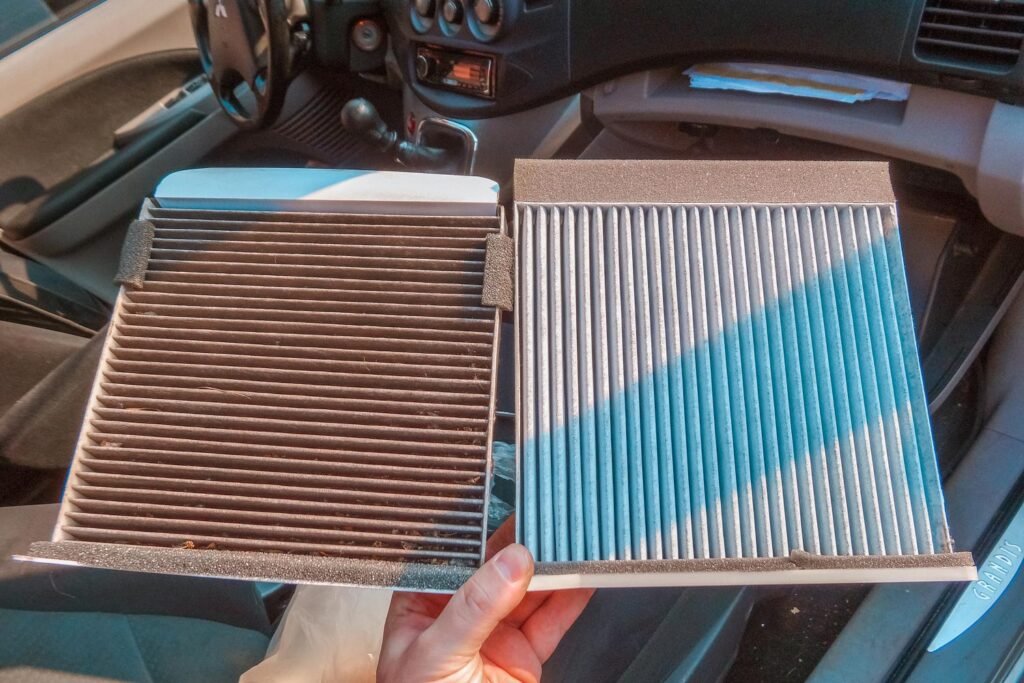
Most cabin air filter problems come from a dirty, clogged, damaged, or poorly installed filter. Common signs include weak airflow, unpleasant smells, dusty air, slow windshield defogging, and reduced heating or cooling performance. Inspecting and replacing the filter usually solves problems caused by restricted airflow.
Across the United States, cars face many different air conditions. Drivers in busy cities deal with traffic pollution and road dust. Drivers in rural areas may face dirt roads, pollen, and dry debris. Seasonal pollen and wildfire smoke can also affect the air around a vehicle. The cabin air filter helps catch airborne particles before outside air enters the passenger compartment.
However, this small part can cause several comfort problems when it becomes dirty. A clogged filter can restrict airflow, make the ventilation system less effective, and allow unpleasant smells to linger. Some problems also come from a damaged blower motor, blocked air intake, or moisture inside the HVAC system. Knowing the difference can help you avoid replacing good parts and paying for repairs you do not need.
Source: cartreatments.com
What Is a Cabin Air Filter and What Does It Do?
A cabin air filter is a part of your car’s heating, ventilation, and air conditioning system. Its main job is to clean the air that enters the passenger compartment. It catches many airborne particles before they reach the dashboard vents.
Most cabin filters trap dust, pollen, dirt, soot, and other small particles. Some models also contain activated carbon. Carbon can help reduce certain odors and gases, although it does not remove every harmful substance from outside air.
The filter usually sits inside the HVAC air intake system. Many American cars place it behind the glove box. Other designs use a location under the dashboard, beneath the windshield cowl, or in another service area.
The cabin filter and engine air filter serve different purposes. The engine filter cleans air entering the engine. The cabin filter cleans air entering the passenger area. They are separate parts and do not perform the same job.
Particle filtration
The filter catches dust, pollen, road debris, and other particles that could enter the cabin through the ventilation system.
Odor control
Activated carbon versions can absorb some gases and unpleasant odors. Their odor-control capacity can decrease before the filter becomes fully clogged.
Airflow support
A clean filter allows the HVAC blower to move air through the system with less resistance.
Interior comfort
Proper filtration helps keep the cabin cleaner and supports normal heating, cooling, and ventilation.
How the Cabin Air Filter Works
When you select fresh-air mode, the ventilation system draws outside air through an intake opening. That air passes through the cabin filter before moving through the heating and cooling components.
The blower motor pushes the filtered air through the ducts and dashboard vents. If the filter becomes packed with dirt, leaves, or other debris, less air can pass through it. The blower may still run, but the amount of air reaching the cabin can fall.
Common Signs of Cabin Air Filter Problems
Cabin air filter problems often develop slowly. You may notice that the vents do not blow as strongly as before. A bad smell may also appear when you start the air conditioner or heater.
These signs can help you decide whether to inspect the filter. However, one symptom does not always prove that the filter is the cause. Compare the symptoms and check the filter before replacing other HVAC parts.
Source: taftindependent.com
1. Weak airflow from the vents
A clogged filter creates resistance in the air path. The blower may sound normal, but less air reaches the cabin. You may notice the problem most when the fan is set to its highest speed.
2. Musty or unpleasant odors
Leaves, dust, pollen, and moisture can collect inside the filter. Organic debris can develop a stale smell, especially when the air conditioner has been running.
3. Slow windshield defogging
The defroster needs enough airflow to clear moisture from the windshield. A restricted filter can slow this process and make it harder to maintain a clear view.
4. Reduced heating and cooling performance
Less air moves across the heater core and evaporator. As a result, the cabin may take longer to warm up or cool down, even when the temperature controls work.
5. More dust inside the cabin
Dust on the dashboard and other surfaces may indicate a saturated filter, a damaged filter, or air passing around an incorrectly installed filter.
6. Increased blower noise
A restricted filter can make the ventilation system sound different. You may hear a stronger fan noise or a whistle as air moves through a narrow opening.
Which Symptom Is the Strongest Warning?
Weak airflow is one of the most useful clues. If the fan runs at every speed but the vents produce very little air, check the cabin filter first. This is especially useful when the airflow has become weaker over several weeks.
A sudden loss of airflow needs more attention. The problem could involve a failed blower motor, electrical connection, fuse, or blocked intake. Do not assume that a dirty filter explains every sudden change.
Gradual airflow loss
Inspect the cabin filter and air intake for dirt or debris.
Sudden airflow loss
Check the blower system and electrical controls as well as the filter.
Normal airflow with warm air
Investigate the cooling system, refrigerant condition, temperature controls, or blend door.
What Causes Cabin Air Filter Problems?
The main cause is the gradual buildup of particles inside the filter. Every time outside air enters the ventilation system, the filter catches some of the material carried by that air.
The filter has a limited capacity. As more dirt collects, air has a harder time passing through the filter material. Moisture and organic debris can also create odor problems.
Source: cartreatments.com
Road dust and dirt
Unpaved roads, construction areas, and dry conditions can expose the filter to large amounts of dust.
Pollen and plant debris
Seasonal pollen, seeds, leaves, and small plant pieces can collect in the filter and reduce its useful life.
Traffic pollution
Frequent driving in heavy traffic exposes the filter to airborne particles from exhaust, tires, and road surfaces.
Pet hair and interior debris
Pet hair and loose material can enter the ventilation system and collect around the filter housing.
Moisture and organic growth
A damp filter or contaminated HVAC housing can contribute to stale smells and microbial growth.
Incorrect installation
A filter that is bent, damaged, or installed in the wrong direction may restrict airflow or allow unfiltered air to pass around it.
Can Weather and Driving Conditions Shorten Filter Life?
Yes. A car driven on clean highways may need less frequent filter replacement than one used every day on dusty roads. Vehicles in areas with long pollen seasons may also collect debris faster.
Hot and humid conditions can increase moisture inside the ventilation system. Long periods of vehicle storage do not always protect a filter either. Organic material and moisture can remain inside the filter even when the car is not moving.
There is no single replacement interval that works for every vehicle. Your owner’s manual should be the starting point.
Dusty driving
Inspect the filter more often if you regularly drive on gravel, dirt, or construction roads.
Heavy city traffic
Frequent exposure to road and traffic particles may increase filter loading.
Pet transportation
Check the filter regularly if pets travel in the vehicle.
Long periods of storage
Inspect for dampness, leaves, insects, and other debris before regular use.
How to Diagnose Cabin Air Filter Problems
Start with the simplest and safest checks. Test the fan, compare airflow at different speeds, and inspect the cabin filter if the vehicle allows easy access. You do not need special diagnostic equipment to identify many basic filter problems.
Park the car on a level surface and turn off the engine before opening the filter compartment. Keep loose objects away from the air intake. Follow the vehicle owner’s manual because access methods differ between makes and models.
Source: taftindependent.com
Step 1: Test the ventilation system
Turn on the fan and select several speed settings. Check whether air comes from the dashboard, floor, and windshield vents.
Step 2: Compare airflow
Notice whether airflow is weak at every speed or only at certain settings. A fan that works only at some speeds may have an electrical or control problem.
Step 3: Locate the cabin filter
Check the owner’s manual for the correct filter location. Do not assume that every car has a filter behind the glove box.
Step 4: Inspect the filter
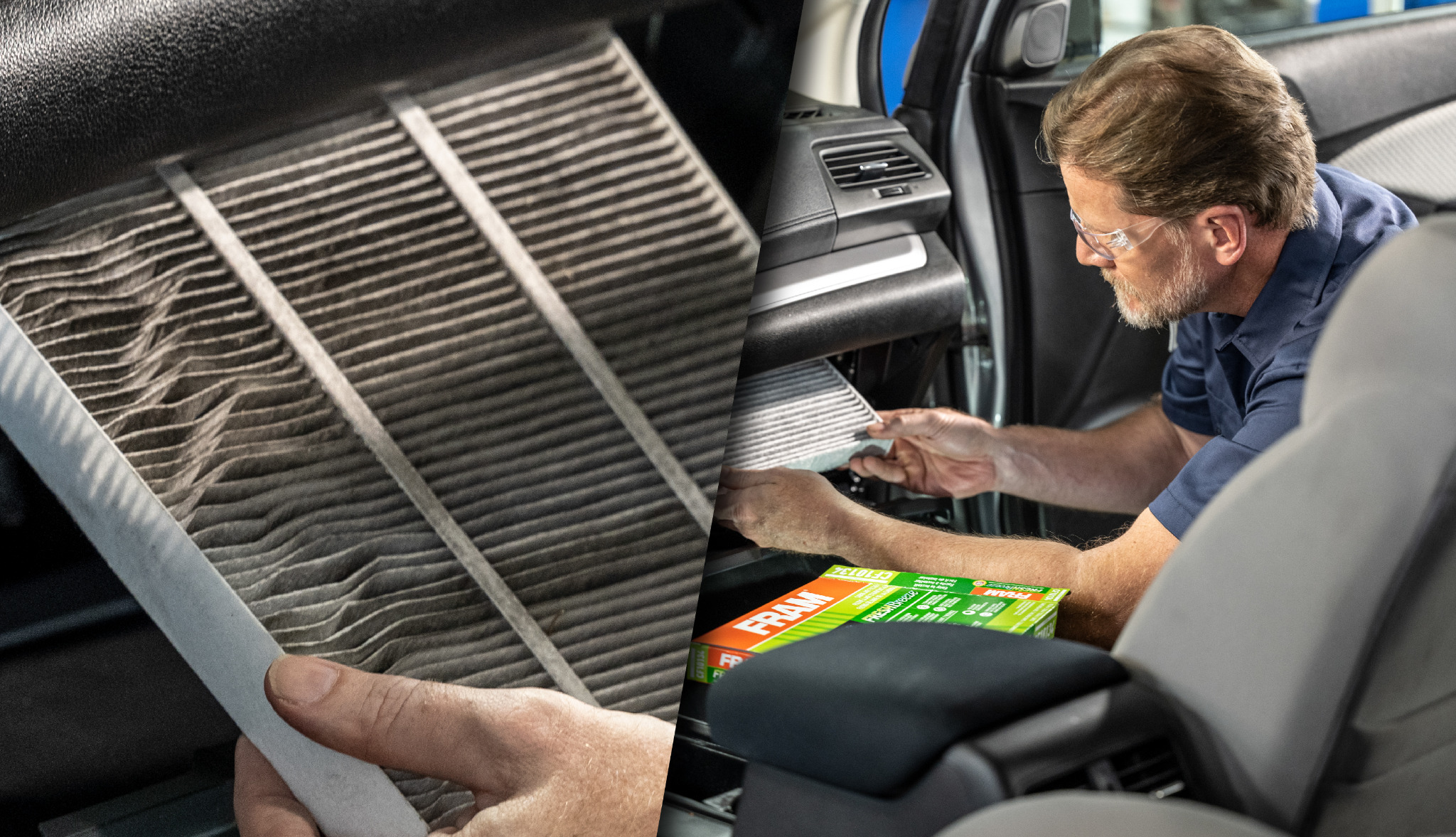
Look for packed dust, leaves, insects, damp material, damaged pleats, and unusual discoloration.
Step 5: Inspect the housing
Check for loose debris, standing moisture, damaged seals, or anything that could block the air passage.
Step 6: Compare the result
If the filter is visibly clogged, replace it with the correct part and test the ventilation system again.
How to Tell Whether the Filter Is Actually Bad
A visibly dirty filter is a useful warning, but appearance alone does not tell the whole story. Some filters can look dark because of their material. Others may be loaded with fine particles that are hard to see.
Check the condition of the filter, the amount of debris, and the airflow symptoms together. A torn filter or damaged frame also needs replacement because it may allow dirt to bypass the filter material.
If the filter looks clean but airflow remains weak, look for another restriction. A blocked intake, damaged blower motor, or HVAC control fault may be responsible.
Dirty pleats
Heavy dirt and packed debris suggest that the filter has reached the end of its useful life.
Wet material
A damp filter needs attention because moisture can contribute to unpleasant smells and further contamination.
Damaged frame
A bent or torn frame may prevent the filter from sealing correctly.
How to Replace a Bad Cabin Air Filter
Replacing a cabin air filter is a simple maintenance task on many vehicles. Some models allow access through the glove box, while others require work under the dashboard or near the windshield cowl.
Before starting, buy a filter that matches your vehicle’s exact year, make, and model. Check the owner’s manual or a reliable parts catalog. The correct size and shape matter because a poor fit can allow dirt to bypass the filter.
Source: capitalone.com
What you need
A correct replacement cabin filter, your owner’s manual, a clean work area, and a small vacuum for loose debris. A screwdriver may be needed on some models.
Step 1: Switch off the vehicle
Park safely, turn off the engine, and switch off the ventilation system before opening the filter compartment.
Step 2: Find the filter housing
Open the glove box or remove the access panel as directed by the vehicle manual.
Step 3: Remove the old filter
Release the cover carefully and slide out the old filter. Avoid shaking debris into the blower motor.
Step 4: Clean the housing
Remove loose leaves and dirt carefully. Use a vacuum where appropriate. Do not force debris deeper into the blower or HVAC ducts.
Step 5: Install the new filter
Check the airflow arrow and install the filter in the correct direction. Make sure its edges sit properly inside the housing.
Step 6: Refit the cover
Close the filter compartment and reinstall the glove box or access panel. Make sure all clips and covers are secure.
Step 7: Test the system
Turn on the ventilation system and check airflow at several fan speeds. Listen for unusual noises and confirm that the cover is not loose.
Why Filter Direction Matters
Many replacement filters have an arrow showing the direction of airflow. This arrow should follow the airflow path through the HVAC system, not simply point upward or downward by habit.
Some filters use an UP marking instead of an airflow arrow. These markings do not mean the same thing. Follow the label and the vehicle’s installation instructions rather than guessing.
A filter installed backward may not work as designed. It can also create a poor fit or interfere with airflow, depending on the filter design.
Airflow arrow
Match the arrow to the actual direction of air movement through the filter housing.
UP arrow
Follow the upward orientation marking when the filter manufacturer uses this label.
Correct fit
The filter should sit flat without folded edges, gaps, or forced bends.
What a Successful Replacement Looks Like
The fan should move air more freely if the old filter was causing the restriction. The dashboard vents should deliver a stronger and more consistent flow.
The filter replacement may also improve heating and cooling response. However, it will not repair a damaged blower motor, refrigerant leak, blocked evaporator, or faulty temperature control.
Improved airflow
The vents deliver stronger airflow at the same fan setting.
Normal fan sound
The blower runs without new rattling, scraping, or unusual whistling.
Proper installation
The filter cover and surrounding panels fit securely.
When Cabin Air Filter Replacement Does Not Fix the Problem
A new filter should improve airflow when the old one was the main restriction. If nothing changes, do not keep buying filters. The fault may be somewhere else in the ventilation system.
Different HVAC problems can create similar symptoms. The best next step is to compare what you hear, feel, and smell rather than assuming that every issue comes from the filter.
Source: cartreatments.com
Blower motor failure
A failed or damaged motor can cause weak airflow, no airflow, or unusual sounds. The motor may also work intermittently.
Blower resistor or speed controller
If the fan works at some speeds but not others, the resistor or electronic speed controller may be faulty.
Blown fuse or wiring problem
An electrical fault can stop the blower from working. Check the correct fuse information in the owner’s manual.
Blocked evaporator or air duct
Debris inside the HVAC housing or a blocked air passage can restrict airflow even with a clean filter.
Evaporator moisture or contamination
A dirty evaporator, blocked condensate drain, or water inside the HVAC housing may cause a persistent musty smell.
Refrigerant or compressor problem
If airflow is normal but the air remains warm, the problem may involve the refrigerant circuit or air-conditioning controls.
Filter Problems Versus Other HVAC Problems
The difference between airflow and air temperature is useful. A clogged cabin filter usually affects how much air reaches the vents. A refrigerant problem usually affects how cold the air becomes, even when airflow is normal.
A blower motor problem may cause little or no airflow. A mode door problem may send air to the wrong vents. A blocked drain or contaminated evaporator may cause odors that remain after a filter change.
A qualified technician can test these parts when basic inspection does not reveal the cause.
Weak airflow at every vent
Inspect the filter, intake, blower motor, and air passages.
Fan works only on certain speeds
Check the blower resistor, controller, wiring, and fan controls.
Strong airflow but warm air
Have the air-conditioning system checked for refrigerant, compressor, and temperature-control faults.
Persistent mildew smell
Inspect the evaporator area, condensate drain, and HVAC housing for moisture and contamination.
How Often Should You Replace a Cabin Air Filter?
Follow the replacement interval in your vehicle owner’s manual. Different manufacturers and models use different schedules. Some recommend replacement around 15,000 to 20,000 miles, while others allow longer intervals.
For example, the Mopar maintenance guide gives a general range of about 15,000 to 20,000 miles for cabin filters. Other filter guidance discusses ranges that can extend toward 30,000 miles. These are examples, not a universal rule for every American car.
Driving conditions can shorten the service interval. A car used on dusty roads or in areas with heavy pollen may need more frequent inspection than one driven mostly on clean highways.
Do not wait for a strong smell or almost no airflow before checking the filter. Regular inspection helps you spot damage and debris before the ventilation system becomes uncomfortable to use.
Check the owner’s manual
Use the exact mileage or time interval listed for your vehicle.
Inspect during routine maintenance
Ask for a filter inspection during scheduled service or check it yourself when access is simple.
Replace sooner in dusty conditions
Shorten the inspection interval if you often drive on gravel roads or around construction sites.
Consider time and exposure
A vehicle that sits unused may still collect moisture and organic debris inside its filter.
Which Replacement Filter Should You Choose?
Choose a filter designed for your exact vehicle. The filter must match the housing size and installation method. A filter that looks similar may still have the wrong shape or seal.
Basic particulate filters are designed to catch airborne particles. Activated carbon filters add a layer that can reduce certain odors and gases. Some combination filters use several materials for different filtration tasks.
A more expensive filter is not automatically the best choice. Check vehicle compatibility, filter construction, installation direction, and the manufacturer’s stated purpose.
Standard particulate filter
A practical option for catching common dust, pollen, and other particles.
Activated carbon filter
Useful when reducing certain outside odors is a priority.
Combination filter
Combines particle filtration with additional filtration layers, depending on the product design.
Common Cabin Air Filter Mistakes to Avoid
A filter change is usually straightforward, but small mistakes can create new problems. Poor installation may restrict airflow or allow unfiltered air into the ventilation system.
Take your time and follow the service instructions for your vehicle. Do not force plastic parts or remove components that you do not understand.
Installing the wrong filter
A filter with the wrong dimensions may not seal against the housing. Check the exact vehicle application before buying.
Ignoring the airflow arrow
Check the filter markings and follow the correct direction instead of copying an assumed orientation.
Dropping debris into the blower
Remove the old filter carefully. Loose leaves and dirt can enter the blower housing and cause noise or poor operation.
Using compressed air carelessly
Compressed air can push debris deeper into the blower or HVAC system. Use a suitable vacuum for accessible loose material instead.
Cleaning a disposable filter for reuse
Washing or aggressively blowing out a disposable filter can damage its material and reduce filtration.
Ignoring a continuing odor
A new filter cannot remove every source of mildew or contamination inside the HVAC housing.
Can You Clean and Reuse a Cabin Air Filter?
Most standard paper and fiber cabin filters are designed for replacement, not washing. Water can damage the filter material, while brushing or compressed air may leave hidden particles inside the pleats.
Some vehicles use special reusable filters. These products have their own cleaning instructions. Only clean a filter if its manufacturer specifically allows it.
When a disposable filter is heavily dirty, wet, torn, or damaged, replacement is the safer choice.
Disposable filter
Replace it when dirty or damaged rather than trying to wash it.
Reusable filter
Follow the exact cleaning and drying instructions supplied with that filter.
When Should You Visit an Auto Repair Shop?
Visit a repair shop when the filter is clean but the ventilation system still does not work correctly. A technician can inspect the blower, electrical controls, air ducts, evaporator, and other HVAC components.
Some repairs need special tools and training. Automotive air-conditioning systems contain pressurized refrigerant. Certain refrigerants also have specific handling and fire-safety requirements. Do not open refrigerant lines or attempt to release refrigerant yourself.
A sudden drop in airflow also deserves attention. If the windshield cannot clear properly, do not continue driving with poor visibility. Stop in a safe place and restore a clear view before moving again.
No airflow from any vent
A blower motor, fuse, wiring, or control problem may need professional diagnosis.
Burning smell or electrical noise
Switch off the ventilation system and arrange an inspection. Do not keep running a system that shows signs of an electrical fault.
Persistent water inside the vehicle
A blocked drain, leaking seal, or water entry point may need repair.
Air conditioning remains warm
A technician should check the refrigerant circuit and cooling components using suitable equipment.
Strong mildew or unusual odors
Professional cleaning or repair may be needed if contamination extends beyond the filter.
What to Tell the Technician
Describe when the problem started and whether it became worse over time. Mention any recent filter replacement, unusual fan noise, water leaks, or changes in cooling performance.
Tell the technician whether the fan works at every speed and whether airflow changes between fresh-air and recirculation modes. These details can help narrow the possible causes.
If you have already installed a new filter, mention its part number and installation date. This helps avoid repeating work that has already been completed.
Frequently Asked Questions
Q
Can a bad cabin air filter affect air conditioning?
Yes. A clogged cabin filter can restrict the amount of air moving through the air-conditioning system. This can make the cabin take longer to cool and reduce airflow from the vents.
However, the filter does not control refrigerant temperature or compressor operation. If airflow is strong but the air remains warm, another air-conditioning problem may be responsible.
Q
Can a clogged cabin air filter cause a bad smell?
Yes. Dust, pollen, leaves, and moisture can collect inside a dirty filter. Organic debris may develop a musty smell that becomes noticeable when you turn on the fan.
If the smell remains after replacement, inspect the evaporator, condensate drain, and HVAC housing. The odor may come from contamination elsewhere in the ventilation system.
Q
Can a cabin air filter cause engine problems?
No. The cabin air filter does not clean the air entering the engine. It serves the passenger ventilation system, while the engine uses a separate air filter.
A clogged cabin filter does not directly cause engine overheating, poor combustion, or a check engine light. Those symptoms need separate diagnosis.
Q
Where is the cabin air filter located in a car?
Many vehicles place the cabin filter behind the glove box. Other models have it under the dashboard, near the windshield cowl, or in another part of the HVAC housing.
The exact location depends on the make, model, and year. Check your owner’s manual before removing any panels.
Q
How long can you drive with a dirty cabin air filter?
There is no universal safe mileage limit for a dirty cabin filter. A slightly dirty filter may still allow normal airflow, while a heavily clogged or wet filter can cause poor ventilation and unpleasant odors.
Replace a filter that has reached its service interval or shows clear signs of damage and restriction. Do not delay replacement if poor airflow affects windshield defogging or safe visibility.
Q
Will changing the cabin air filter make the air colder?
It can make the air feel colder when the old filter was restricting airflow. A clean filter allows more air to pass through the evaporator and reach the vents.
It does not make the refrigerant colder or repair a faulty compressor. If the air remains warm after replacement, have the cooling system inspected.
Q
Can I drive without a cabin air filter?
The vehicle may still run, but driving without the filter allows more dust, pollen, and debris to enter the ventilation system. It can also expose the blower and other HVAC components to material the filter would normally catch.
Some vehicles require a filter or a specific cover to seal the housing correctly. Install the correct replacement rather than leaving the compartment open.
✦ Wrapping Up
Conclusion
Cabin air filter problems can affect airflow, interior comfort, odor control, and windshield defogging. The most common cause is a filter filled with dust, pollen, leaves, and other debris. A damaged or incorrectly installed filter can also create trouble.
Start with a simple inspection. Check the filter, clean accessible loose debris carefully, and install the correct replacement if needed. Follow your vehicle’s service schedule and inspect the filter more often if you drive in dusty or polluted conditions.
If a new filter does not solve the problem, look beyond the filter. A blower motor, electrical fault, blocked air passage, or contaminated evaporator may need attention. A clear diagnosis can prevent unnecessary part replacements and help restore proper ventilation.
💡 Key Takeaway
Check your cabin air filter against your owner’s manual today. If it is clogged, wet, torn, or damaged, replace it with the correct vehicle-specific filter. Then test all fan speeds and confirm that airflow and windshield defogging work properly.
About john Adword
John Adword has tested and reviewed car seat covers and interior accessories for 5 years, evaluating fit, material performance, and long-term wear across a range of vehicles and climates. His testing approach follows the same methodology used across car Reviewer Plus's product reviews — hands-on installation, real-world use, and comparison against manufacturer claims — with an ongoing focus on tracking new seat cover materials and cooling technology as they come to market.