
Car Accessories New Drivers Should Know About: Essentials
New drivers need safety, emergency, navigation, and maintenance accessories for confidence.
If you just hit the road, I’ve got your back. I’ve trained new drivers, built first-car kits, and tested gear through brutal winters, long commutes, and midnight breakdowns. This guide covers car accessories new drivers should know about, with real advice, easy steps, and smart picks that protect your budget and your peace of mind. Stick with me, and you’ll build a setup that keeps you safe, calm, and ready for anything.

Safety essentials every new driver should have
Safety gear is the first layer of defense. Many car accessories new drivers should know about fall in this category, because they prevent accidents or reduce harm when things go wrong. A small investment here pays off every time you drive.
Must-haves I recommend for every glovebox and console:
- Phone mount that keeps your eyes forward. Use a sturdy, legal mount. Windshield mounts are not legal in some states, so check local rules.
- Dual-port USB charger with surge protection. Cheap chargers can overheat or fail at the worst time.
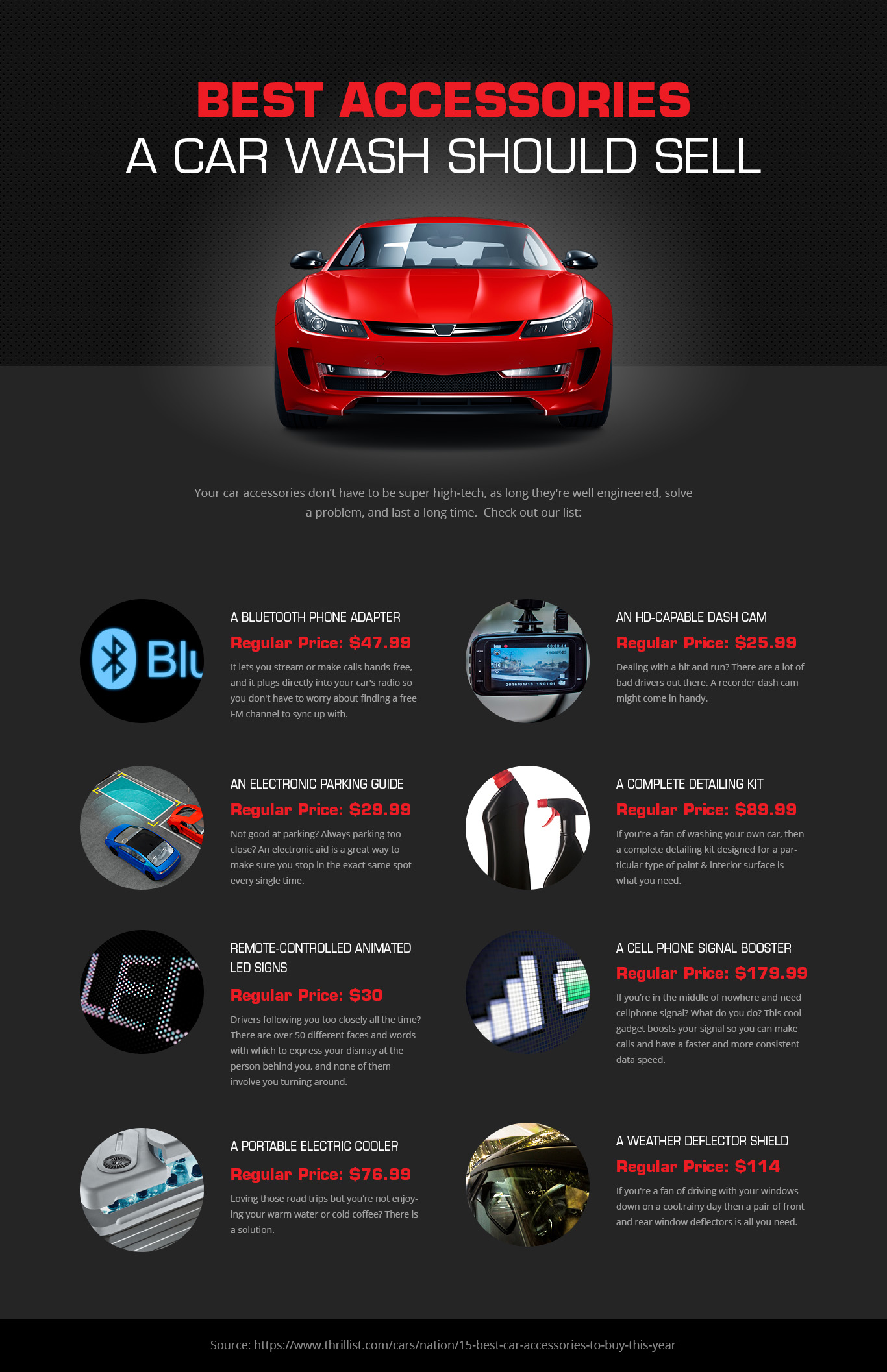
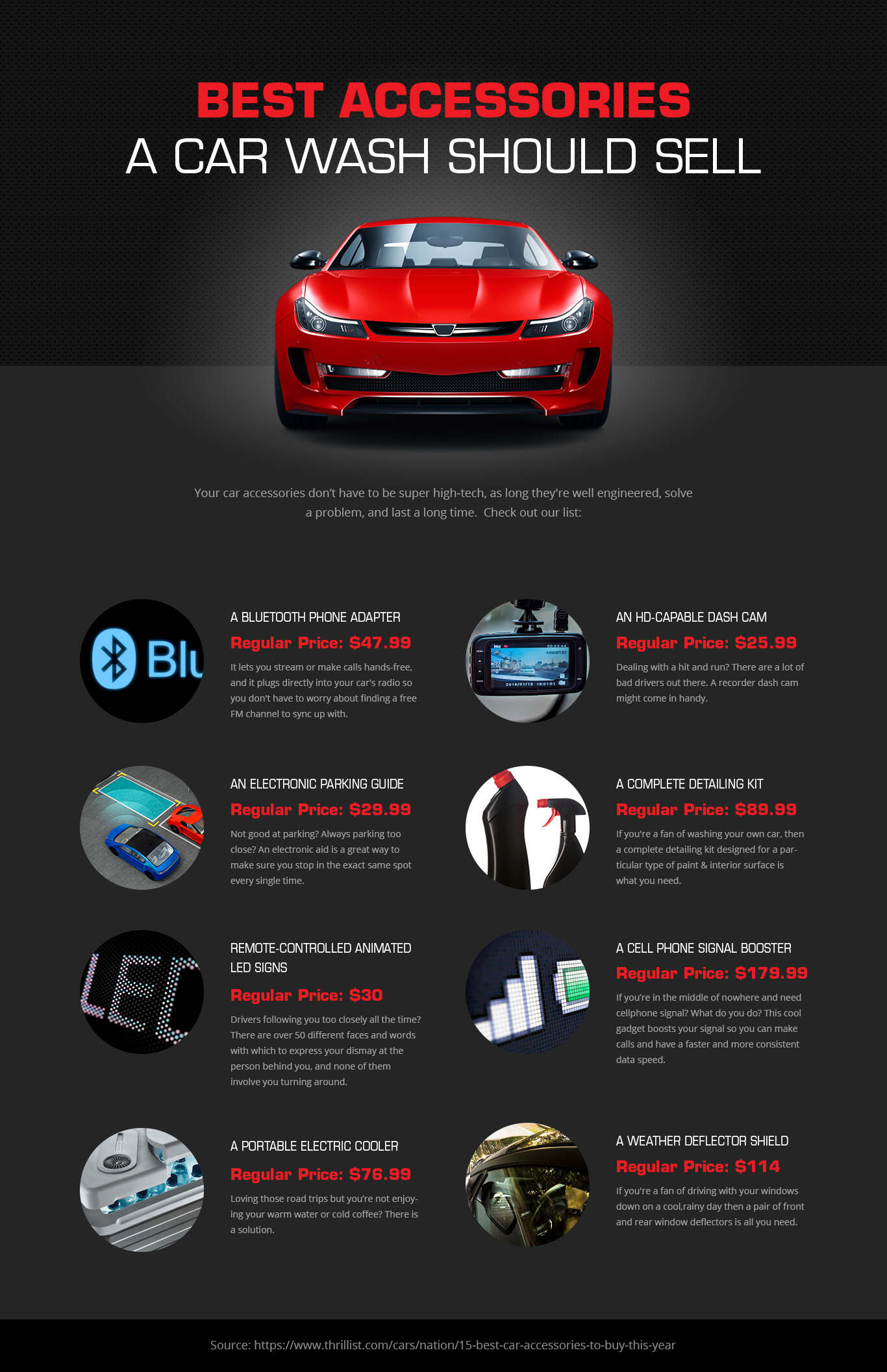
- Dash cam with loop recording. It helps in insurance claims and keeps your driving honest.
- Blind-spot mirrors or stick-on convex mirrors. These give you a wider view with a small sticker.
- Seat-belt cutter and window breaker combo. Store it within reach, not in the trunk.
- First aid kit with gloves, bandages, and antiseptic wipes. Restock it twice a year.
- Tire pressure gauge. Proper tire pressure cuts stopping distance and saves gas.
- Reflective triangles or LED flares. Place them well behind your car to warn traffic at night.
A quick note from experience: keep your seat-belt cutter in the door pocket. One winter, I watched a driver dig through a messy console in a panic. Easy reach can save seconds.

Navigation and awareness tools for calm, confident driving
Getting lost is stressful. Looking down at your phone is worse. The right tools make the road feel simple. These are car accessories new drivers should know about if they want calmer trips and cleaner focus.
Smart picks for better awareness:
- Magnetic or clamp-style phone mount at eye level. Set your route before you move.
- Backup camera add-on if your car lacks one. It helps in tight lots and street parking.
- Parking sensors or a license plate bar with sensors. These beep before a bump happens.
- Heads-up display (HUD) or app that shows speed on the windshield. It helps you avoid speeding.
- Sun visor extender. It sounds basic, but afternoon glare can hide brake lights.
I tell new drivers to do a 10-second setup before rolling. Mount the phone, start the route, adjust volume, and you’re done. You will fight the urge to grab your phone mid-drive.

Emergency and roadside kits that actually work
A flat tire or dead battery is scary the first time. Prepared drivers turn a breakdown into a short delay. These are car accessories new drivers should know about because they change a bad day into a fixable problem.
Build a real roadside kit:
- Portable jump starter with clamps. It beats waiting for a stranger and works without another car.
- Compact air compressor and a tire plug kit. You can fix a nail in minutes and reach a shop.
- Heavy-duty flashlight or headlamp. Night fixes need both hands and bright light.
- Reflective vest and rain poncho. Be seen and stay dry while you work.
- Tow strap rated for your vehicle weight. Only use it if you know how and where to hook it.
- Duct tape, zip ties, and nitrile gloves. Quick fixes keep parts secure until a shop visit.
- Paper towel roll and a small tarp. Clean up and stay off wet or dirty ground.
When I managed a small delivery fleet, the jump starters paid for themselves in a week. No calls to tow trucks. No lost shifts. Quick, safe, done.

Comfort and convenience that make daily driving easier
Comfort matters. It keeps you less tired and more alert. Several car accessories new drivers should know about aim to cut clutter and boost comfort for long days and hot summers.
Simple comforts that make a big difference:
- Windshield sunshade. It protects your dash and keeps the cabin cooler.
- Seat cushion or lumbar support. Good posture helps focus and reduces back strain.
- Compact car trash can with liners. A clean cabin reduces distractions and stress.
- Trunk organizer with tie-downs. Groceries and tools stay put in hard turns.
- Microfiber towels and a glass cleaner. A clear windshield at night is safety, not vanity.
- Reusable shopping bags, umbrella, and spare socks. Small items, big comfort on bad days.
I keep a mini “comfort pouch” under the seat: tissues, sanitizer, lip balm, and mints. It sounds small, but it helps on long drives and stressful commutes.
Car care and maintenance aids for long-term savings
Take care of the car, and it takes care of you. Car accessories new drivers should know about also include basic tools and smart trackers that prevent big repair bills.
Tools and supplies I use:
- Digital tire pressure gauge and a portable inflator. Proper PSI saves tires and fuel.
- OBD-II scanner or Bluetooth dongle. Read codes, clear simple alerts, and learn what’s wrong.
- Quality wiper blades and washer fluid. Swap blades every 6 to 12 months for clear vision.
- Basic toolkit with sockets, screwdrivers, and a torque wrench. Tighten battery clamps and plates right.
- Funnel, rags, and latex gloves. Clean work is safer and faster.
Put a reminder on your phone for monthly tire checks and quarterly fluid checks. A few minutes gives you better grip, shorter stops, and fewer surprise lights.
Tech and connectivity upgrades for modern cars
Old car, new tricks. You can add modern features with simple add-ons. These are car accessories new drivers should know about if they want safer calls, better music, and hands-free help.
Useful tech upgrades:
- Bluetooth adapter or modern head unit with CarPlay or Android Auto. Voice control reduces distraction.
- High-quality braided charging cables. Keep one spare in the glovebox.
- Smart tracker for keys or bags. Trackers save time and stress during a rush.
- GPS tracker for the car if theft is a concern. Follow local laws and privacy rules.
- Dual-camera dash cam with parking mode. Protects your car when parked.
A quick tip: route voice directions through the front speakers. Lower music volume a notch. Your brain will thank you in busy traffic.
Seasonal and climate-specific accessories
Weather can turn easy drives into tests. Plan for your climate and your routes. Seasonal picks are car accessories new drivers should know about because they reduce risk when conditions change fast.
Cold and winter gear:
- Ice scraper and snow brush with a long handle. Clear the roof too, not just the glass.
- Traction aids like sand, cat litter, or traction mats. They help you get moving on ice.
- Battery blanket or engine block heater in very cold regions. Starts get easier and safer.
- Winter windshield fluid rated for subzero temps. Summer mix can freeze on glass.
Heat and summer gear:
- Extra water, sunscreen, and a baseball cap. Heat drains focus and energy.
- Reflective sunshade and window shades for passengers. Keep the cabin cooler and safer.
- All-weather floor mats and cargo liner. Mud, sand, and spills stay off carpets.
I once dug a compact car out of a March snowbank with a plastic scoop and a floor mat. Not fun, but it worked. A folding shovel would have cut that time in half.
Budget, buying tips, and what to skip
You do not need the most expensive gear. You need the right gear. Budget choices still work when you pick well. This section points to car accessories new drivers should know about, plus a few to avoid.
How to shop smart:
- Prioritize safety, then breakdown gear, then comfort. Safety buys you time and options.
- Check ratings and return policies. Look for long-term reviews, not just unboxing takes.
- Seek certifications like UL for chargers and SAE or DOT where relevant. They indicate tested standards.
- Avoid blocking airbags with seat covers or accessories. Side airbags need room to deploy.
- Skip gimmicks like weak magnetic phone mounts or flashy lights. They break or distract.
For new drivers on a tight budget, start with a phone mount, USB charger, tire gauge, small first aid kit, and a jump starter. That bundle covers your biggest risks.
Setup and smart habits: getting the most from your gear
Good gear is only half the story. Good habits make it work. This section shows car accessories new drivers should know about and how to use them well, every day.
Practical steps to lock in safety:
- Do a 60-second pre-drive checklist. Mount phone, start route, belt check, mirrors, lights.
- Place emergency gear where you can reach it. Door pockets for cutters and flashlights. Trunk for heavy tools.
- Test your jump starter and compressor monthly. Keep them charged and ready.
- Learn to read basic OBD-II codes. It helps you talk to a shop with confidence.
- Build a routine. Sunday evening: clean trash, check fluids, top washer fluid, and glance at tires.
I keep a simple note in my phone: “Tires, tools, tech.” If I can’t tap each one as “ready,” I fix it before Monday.
Frequently Asked Questions of car accessories new drivers should know about
What are the first five items I should buy?
Start with a phone mount, USB charger, tire gauge, jump starter, and first aid kit. These cover safety, power, and basics.
Do I need a dash cam as a new driver?
It is not required, but it is very useful. A clear video can speed up claims and settle disputes.
Are windshield phone mounts legal everywhere?
No. Some states limit windshield mounts or block certain areas. Check local laws and choose a dash or vent mount if needed.
How often should I check tire pressure?
Check monthly and before long trips. Tires lose air over time and with temperature swings.
Can I install a backup camera in an older car?
Yes. Many kits attach to the license plate and connect to a mirror or dash display. Most are easy to install with basic tools.
What should be in a real roadside kit?
Include a jump starter, inflator, plug kit, flashlight, triangles, gloves, and a poncho. Add duct tape and zip ties for quick fixes.
Are cheap car chargers risky?
Very cheap chargers can overheat or fail. Choose a charger with safety features and good reviews.
Conclusion
You do not need a trunk full of gadgets to drive well. Start with a few smart picks, learn how to use them, and build your kit over time. Focus on safety gear, simple tools, and habits you can keep. The right car accessories new drivers should know about turn fear into calm and chaos into small delays.
Pick two items from this guide today and set them up before your next drive. If you found this useful, share it with a new driver, subscribe for more guides, or drop your questions in the comments.




15 Comments