Driving at night on U.S. roads can be challenging because visibility changes quickly. Curvy highways, dark rural roads, rain, and oncoming traffic all create situations where fixed headlights cannot always provide the best view.
Understanding How Adaptive Headlights Work helps drivers understand why modern vehicles can provide better nighttime visibility. These systems combine cameras, sensors, motors, and software to adjust light direction and intensity while the vehicle moves.
From my experience studying automotive technology, the biggest improvement comes from making the headlights respond to the road instead of forcing drivers to respond only with steering and speed changes. The light follows the driving situation.
 display: block; margin: 0 auto; border-radius: 12px; box-shadow: 0 8px 25px rgba(0, 0, 0, 0.12);”>
What Are Adaptive Headlights?
Adaptive headlights are advanced vehicle lighting systems that automatically change how headlights operate. Unlike traditional headlights that point straight ahead, adaptive systems can move, adjust, or change their beam pattern.
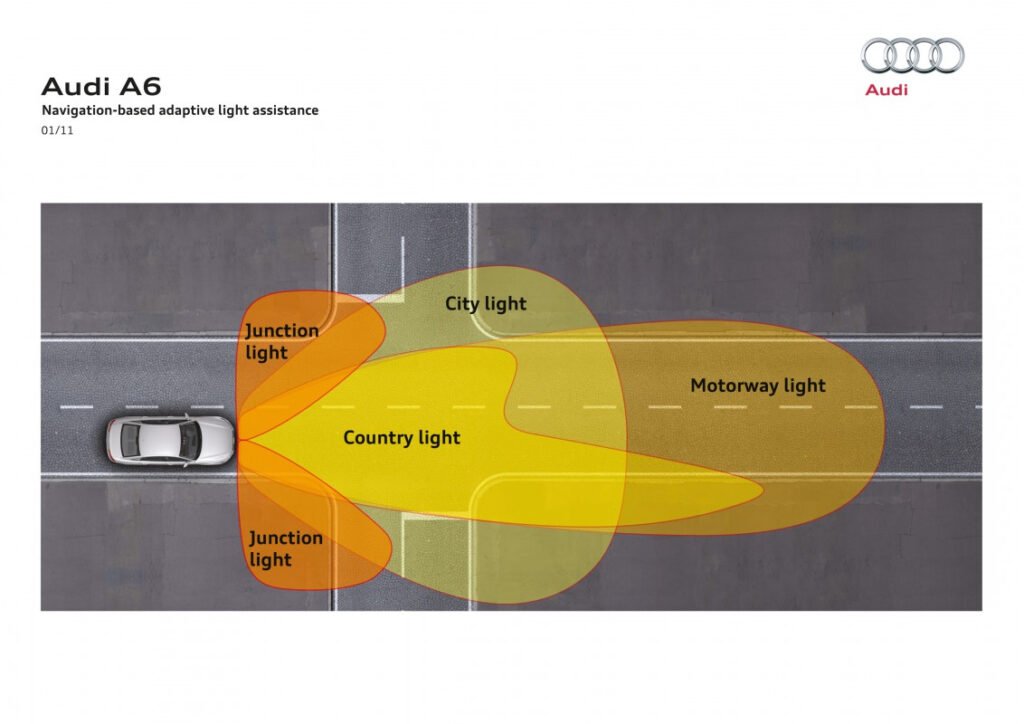
The goal of adaptive lighting is simple: provide more useful light where the driver needs it. A vehicle traveling through a corner, for example, can illuminate more of the road ahead instead of leaving dark areas near the turn.

- ✦ Directional lighting
The headlight beam can move slightly with steering input to improve visibility around curves.
- ✦ Automatic adjustments
Sensors allow the system to change light settings based on speed, road conditions, and traffic.
- ✦ Improved nighttime view
The system helps drivers see obstacles and road edges more clearly after dark.
Adaptive Headlights vs Traditional Headlights
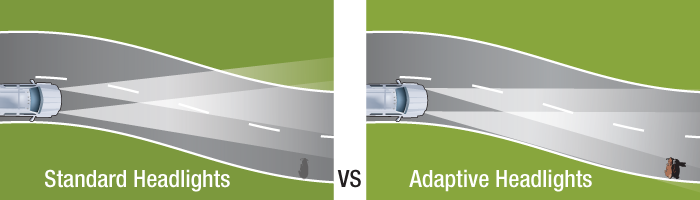
Traditional headlights provide a fixed beam direction. They work well on straight roads but cannot react to changing road shapes.
Adaptive headlights add movement and intelligence. They adjust the light output so the driver gets a wider and more useful view.
How Adaptive Headlights Work Step by Step
To understand How Adaptive Headlights Work, it helps to look at the complete process. The system constantly collects information from different vehicle sensors and uses software to decide how the headlights should react.
When the driver turns the steering wheel, changes speed, or enters a darker area, the control unit processes the information and sends commands to the lighting components.

- ✦ Sensors collect information
Steering angle sensors, speed sensors, cameras, and vehicle systems provide data about current driving conditions.
- ✦ Control unit analyzes data
A computer module decides the best headlight position and brightness.
- ✦ Motors adjust the lights
Small motors or electronic systems move the headlight components into the correct position.
The Role of Cameras and Sensors
Modern adaptive lighting systems may use front cameras to detect vehicles, road signs, and traffic conditions. Other sensors measure speed and steering movement.
This information allows the vehicle to avoid wasting light and helps reduce glare for other drivers.
Main Types of Adaptive Headlight Systems
Manufacturers use different designs to create adaptive lighting. Some systems focus on turning the beam, while others use advanced LED technology to create detailed light patterns.
The exact features depend on the vehicle brand, model, and market regulations.

- ✦ Adaptive front lighting system
This system changes the direction of the headlights based on steering movement and road conditions.
- ✦ Automatic high beam systems
These systems switch between high and low beams when traffic conditions change.
- ✦ Matrix LED headlights
These headlights can control individual LED sections to create precise lighting patterns.
Cornering Headlights
Cornering headlights are one of the most common adaptive features. They add light to the side of the road when a vehicle turns.
This feature is useful on winding roads, parking areas, and intersections where fixed headlights may leave dark spaces.
Benefits of Adaptive Headlights for Drivers
The main benefit of adaptive headlights is improved visibility. Better lighting can help drivers identify road shapes, signs, and possible hazards earlier.
For American drivers who travel through rural areas or commute before sunrise and after sunset, adaptive lighting can make nighttime driving more comfortable.

- ✦ Better visibility on curves
The headlights can illuminate areas that standard lights may miss during turns.
- ✦ Reduced glare
Advanced systems can adjust beams to reduce unnecessary light exposure for other drivers.
- ✦ More driving confidence
Clearer road visibility can make nighttime driving feel less stressful.
Real World Driving Example
Imagine driving on a dark mountain road at night. A fixed headlight system mainly lights the area directly ahead, but an adaptive system can help reveal the road direction earlier.
This difference is especially noticeable when approaching sharp turns or changing road conditions.
Limitations and Challenges of Adaptive Headlights
Although adaptive headlights are advanced, they are not a replacement for safe driving habits. Drivers still need to control speed and stay aware of road conditions.
The performance of these systems can change depending on weather, sensor cleanliness, vehicle design, and local regulations.

- ✦ Higher repair costs
Advanced lighting components may cost more to repair than traditional headlights.
- ✦ Sensor dependence
Dirty or blocked sensors can reduce system performance.
- ✦ Different regulations
Lighting rules vary between regions and can affect available features.
Future of Adaptive Lighting Technology
Future lighting systems are becoming more connected with driver assistance technology. Engineers are developing systems that can create smarter beams and better communication between vehicles and roads.
As vehicle technology improves, adaptive headlights may become more common across many vehicle categories.