
Understanding How Brake Lights Are Controlled helps drivers recognize how a simple pedal movement turns on a critical safety feature. When you press the brake pedal in a vehicle, a switch or sensor detects the action and sends an electrical signal to the rear lights. This happens in a fraction of a second to warn drivers behind you.
In my experience studying automotive electrical systems, brake lights are one of the best examples of how mechanical parts and electronics work together. Older vehicles use basic switches and wiring, while newer cars use computer modules, sensors, and advanced safety systems to control brake light functions.
For drivers in the United States, properly working brake lights are essential for safe highway driving, city traffic, and daily commuting. A failed brake light can increase the risk of a rear-end collision because other drivers may not know when you are slowing down.

How Brake Lights Are Controlled in a Vehicle
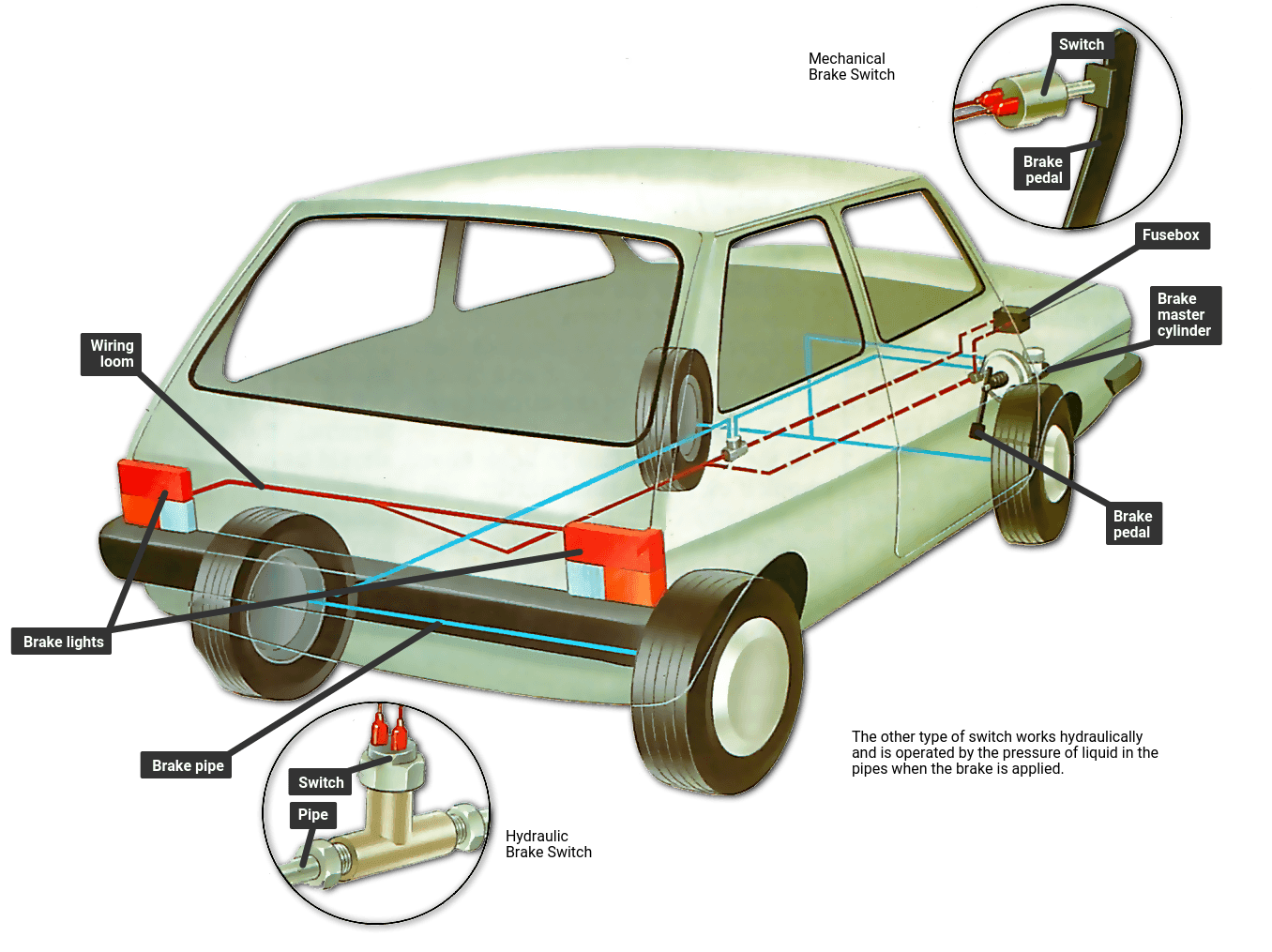
How Brake Lights Are Controlled starts with a simple process. When a driver pushes the brake pedal, the pedal movement activates a brake light switch. This switch closes an electrical circuit and allows power to flow to the brake lamps.
The basic system includes a power source, brake light fuse, brake pedal switch, wiring, and rear brake bulbs or LED lights. Each part works together to create a warning signal for drivers behind the vehicle.

- ✦ Brake pedal movement
The driver presses the brake pedal, causing the brake switch mechanism to change position.
- ✦ Electrical signal
The switch sends electrical power through the circuit toward the brake lights.
- ✦ Light activation
The rear brake lamps turn on and alert other road users that the vehicle is slowing.
The Role of the Brake Light Switch
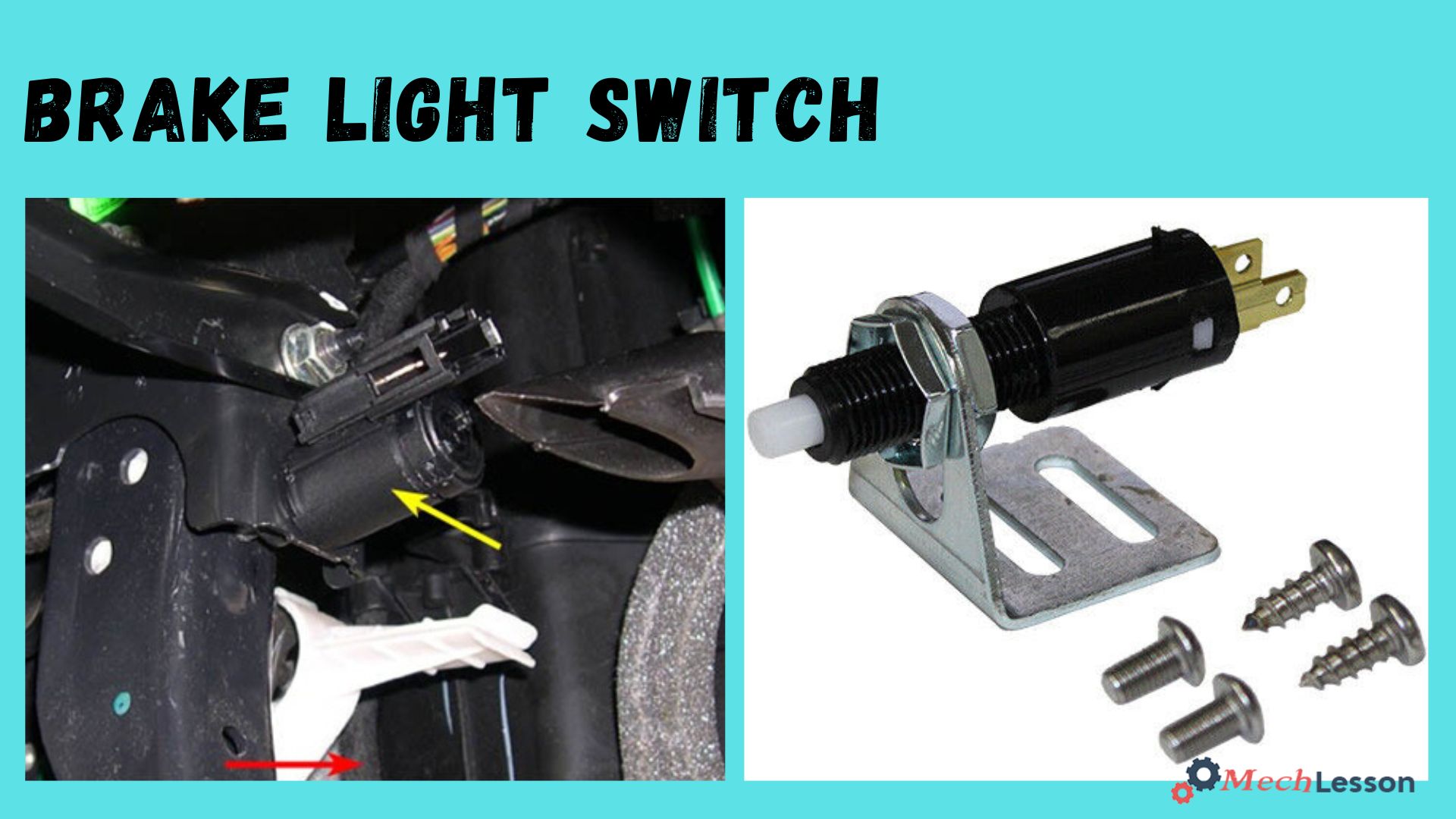
The brake light switch is the main component that controls brake light activation in many vehicles. It is usually located near the top of the brake pedal arm, where it can detect pedal movement.
When the pedal is released, the switch stays open and the brake lights remain off. When the pedal is pressed, the switch closes and completes the electrical path.
- ✦ Mechanical switches
Common in older vehicles and activated directly by brake pedal movement.
- ✦ Electronic sensors
Used in many newer vehicles to send digital signals to control modules.
Understanding the Brake Light Electrical Circuit
A brake light circuit carries electrical energy from the vehicle battery to the rear lights. The circuit must stay complete for the brake lamps to work correctly.
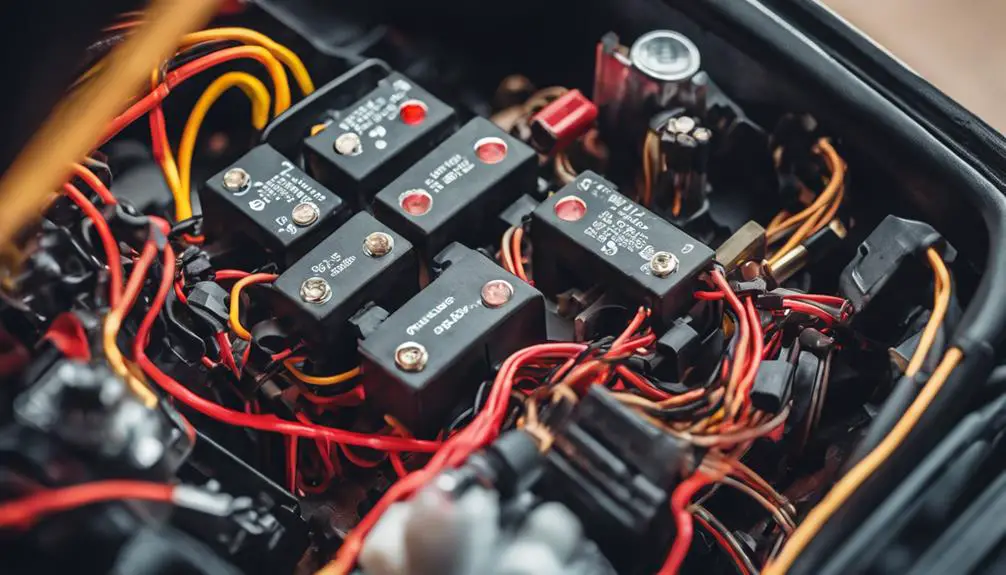
Most systems include protection parts like fuses and sometimes relays. These parts prevent electrical damage and help manage the power needed by the lighting system.
- ✦ Battery power
The battery supplies electrical energy needed to operate the brake lights.
- ✦ Fuse protection
The fuse protects the wiring from excessive electrical current.
- ✦ Wiring connections
Wires carry signals and power between control components and brake lamps.
How Current Reaches the Brake Lights
When the brake pedal switch activates, electricity travels through the wiring harness to the rear brake lights. The bulbs or LED modules then convert electrical energy into visible light.
A damaged wire, loose connection, or blown fuse can interrupt this path and cause brake lights to stop working.
- ✦ Complete circuit
A continuous electrical path allows brake lights to operate normally.
How Modern Vehicles Control Brake Lights
Modern vehicles have changed how brake lights are controlled. Many newer cars use a body control module (BCM) that receives signals from sensors and manages multiple electrical functions.
Instead of a simple direct connection, the brake pedal sensor may send information to the computer, which then commands the brake lights to turn on.
- ✦ Body control module
The BCM manages lighting functions and communicates with other vehicle systems.
- ✦ Electronic sensors
Sensors provide accurate information about pedal position and braking activity.
- ✦ LED lighting systems
LED brake lights require less power and respond quickly compared with traditional bulbs.
Brake Lights and Advanced Safety Features
Some vehicles connect brake lights with safety systems such as adaptive cruise control, automatic emergency braking, and collision warning technology.
These systems use cameras and sensors to understand driving conditions, but the brake light signal still depends on the vehicle’s control network.
Common Problems That Affect Brake Light Control
Even though brake light systems are reliable, several problems can stop them from working. Many issues come from normal wear, electrical faults, or damaged components.
Knowing these problems helps drivers identify warning signs before a safety issue develops.
- ✦ Failed brake light switch
A worn switch may fail to detect brake pedal movement and keep the lights from turning on.
- ✦ Burned-out bulbs
Traditional bulbs can fail over time and need replacement.
- ✦ Electrical wiring issues
Broken wires or poor connections can interrupt the brake light circuit.
- ✦ Blown fuse
A damaged fuse can stop electrical power from reaching the brake lights.
Signs of Brake Light Control Failure
Common signs include brake lights that stay on, brake lights that never activate, or warning messages on the dashboard. Drivers may also notice that only one brake light works.
A quick inspection can often identify simple problems, but electrical faults may require professional diagnosis.
How to Test and Maintain Brake Lights
Regular brake light checks are simple and help prevent safety problems. Drivers can test brake lights by asking someone to watch the rear lights while pressing the brake pedal.
Many vehicles also provide warning systems that alert drivers when lighting problems occur. However, manual checks remain useful because some failures may not trigger alerts.
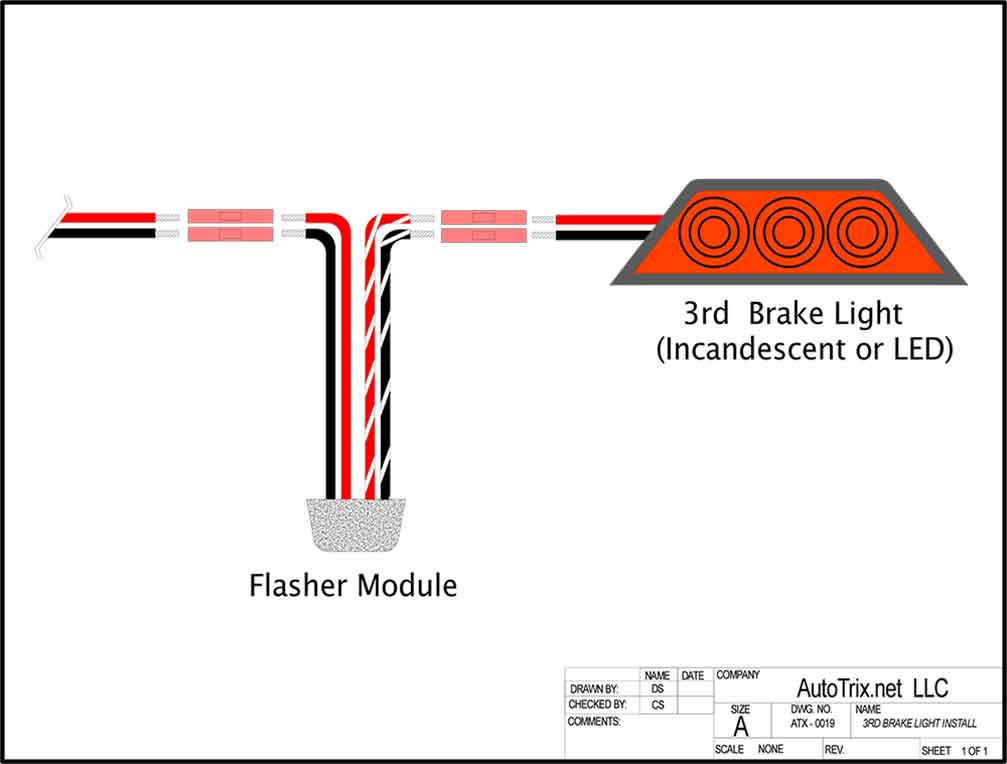
- ✦ Check all brake lights
Confirm that both rear brake lights and the center high-mounted brake light work.
- ✦ Inspect connections
Look for loose sockets, corrosion, or damaged wiring.
- ✦ Replace damaged parts
Install the correct bulb or repair faulty electrical components when needed.



